What Are the Key Differences Between Thermal Cardboard Paper and Standard Thermal Paper?
1. Overview of Thermal Cardboard Paper vs Standard Thermal Paper
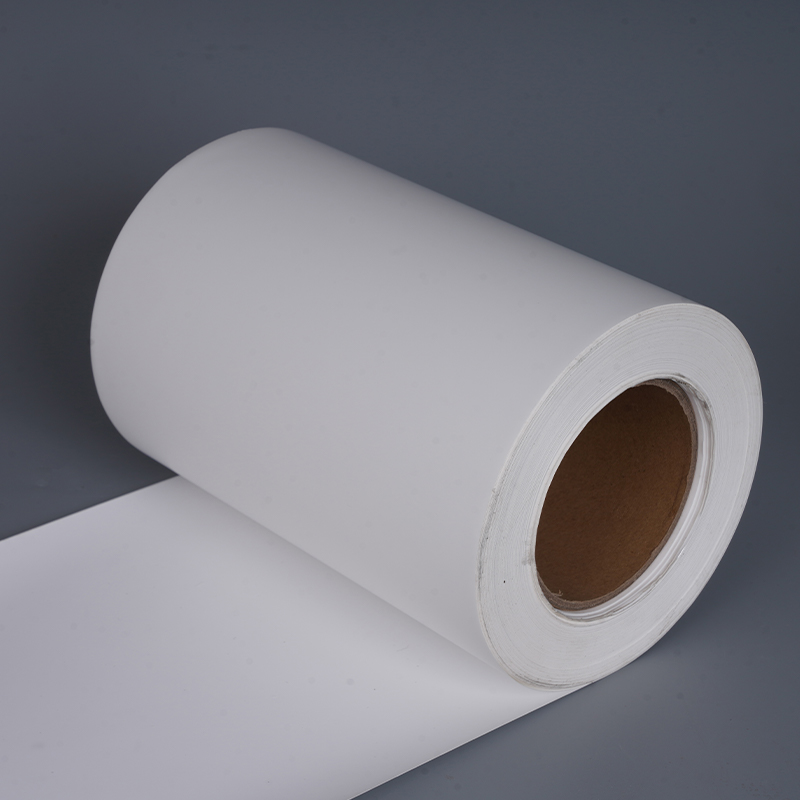
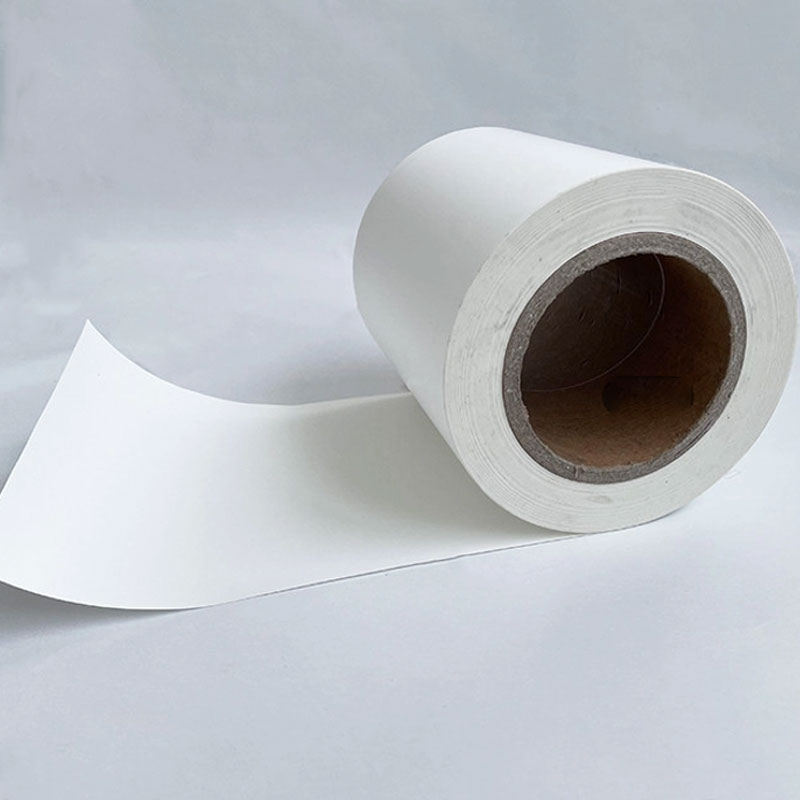
Thermal cardboard paper and standard thermal paper are both used in thermal printing systems, but they serve different structural and functional purposes. The main difference lies in their material thickness, durability, and application scenarios.
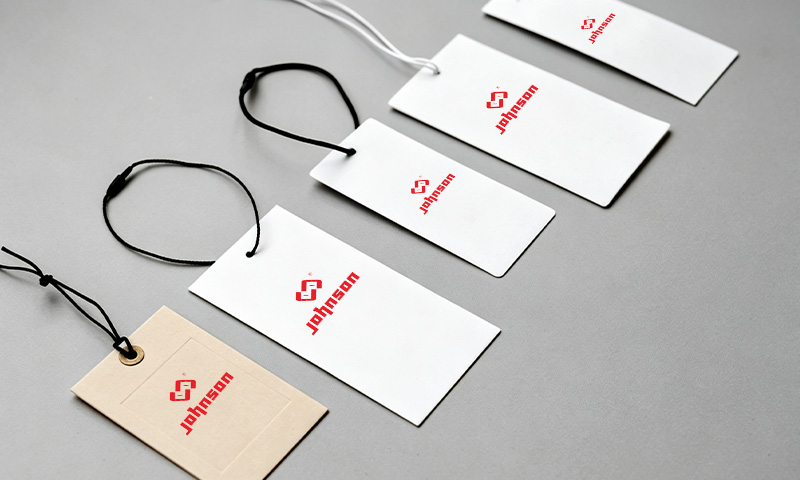
- Thermal cardboard paper: A thicker, rigid, and more durable material designed for industrial tags, packaging labels, and heavy-duty identification.
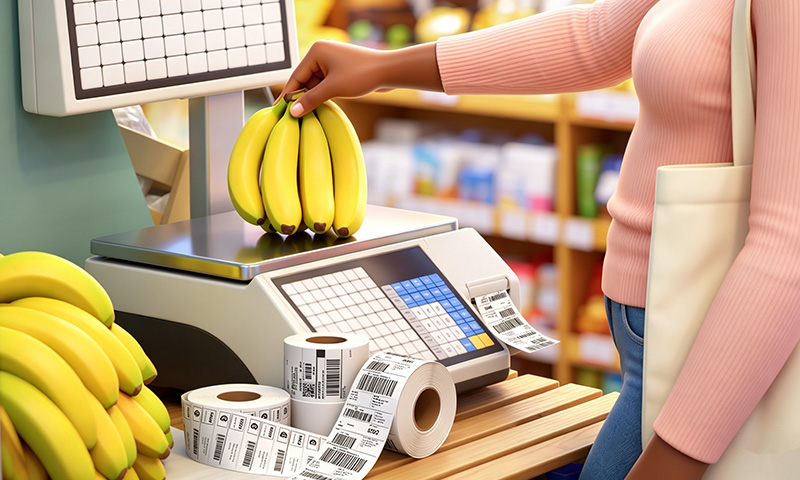
- Standard thermal paper: A thin, flexible paper mainly used for receipts, tickets, and short-term labeling.
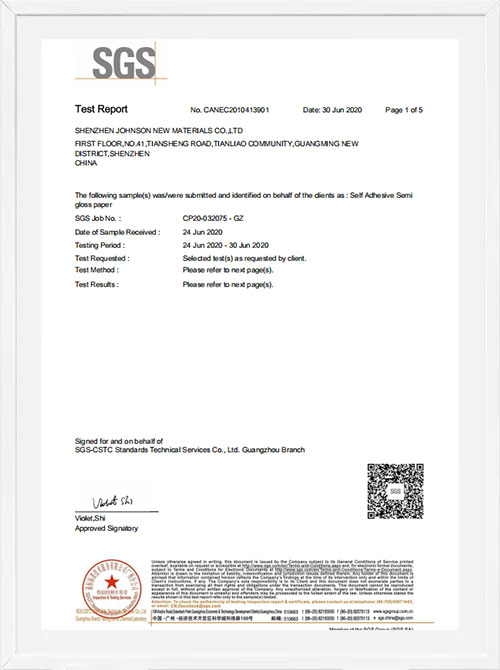
Shenzhen Johnson New Materials Co., Ltd. has 20 years of experience in the PSA self-adhesive label materials industry, providing advanced material solutions for multiple printing technologies including flexography, offset, screen, UV rotary, digital, and inkjet printing. The company supplies label materials widely used in food, beverage, cosmetics, pharmaceuticals, electronics, and logistics industries.
2. Key Parameter Comparison Between Two Materials
| Parameter |
Thermal Cardboard Paper |
Standard Thermal Paper |
| Thickness |
High (rigid structure) |
Low (thin and flexible) |
| Durability |
Strong resistance to tearing and abrasion |
Low durability, easy to wear out |
| Application Life |
Long-term use (industrial tagging, logistics) |
Short-term use (receipts, tickets) |
| Print Stability |
High stability in harsh environments |
Fades faster under heat and light |
| Typical Use |
Industrial labels, packaging tags |
Retail receipts, POS printing |
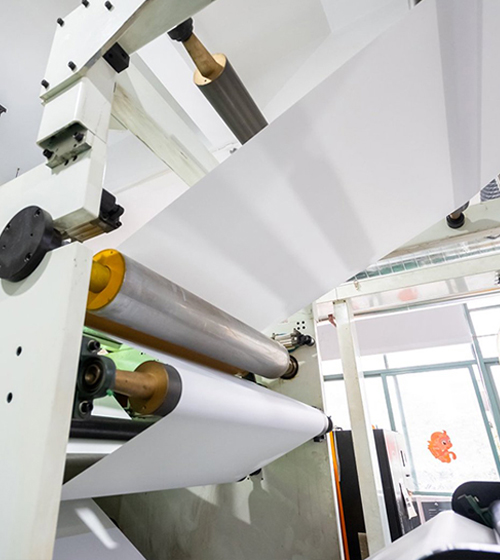
Shenzhen Johnson New Materials Co., Ltd. operates advanced high-speed adhesive coating lines with a monthly production capacity of 20 million square meters, supporting both hot melt and acrylic adhesive systems. This ensures stable quality and efficient supply for both lightweight and heavy-duty thermal material applications.
3. Performance Differences in Real Applications
Thermal cardboard paper is designed for environments where durability and structural strength are critical. It performs well in logistics tracking, warehouse labeling, and industrial identification where labels must withstand handling and transportation stress. Standard thermal paper, on the other hand, is optimized for fast printing and cost efficiency but is not suitable for long-term exposure or harsh environments.
- Thermal cardboard paper advantage: Strong physical structure, better for handling and storage.
- Standard thermal paper advantage: Lower cost, faster processing, ideal for high-volume short-term printing.
Shenzhen Johnson New Materials Co., Ltd. works closely with customers through its professional sales team to understand application requirements and provide tailored material recommendations across different industries.
4. Printing Compatibility and Industrial Usage
Both materials support thermal printing systems, but their compatibility with industrial applications differs significantly.
- Thermal cardboard paper: Often used in combination with flexographic, offset, and UV printing for enhanced durability and customization.
- Standard thermal paper: Primarily used in direct thermal printers without ink or ribbon.
Thermal cardboard paper is especially suitable for industries requiring long-lasting identification and structural labeling. Shenzhen Johnson New Materials Co., Ltd. follows a "customer first" principle and continuously adapts to evolving industry trends, ensuring reliable material solutions for diverse market needs.
5. Application Industries
- Thermal cardboard paper: Logistics, industrial equipment labeling, warehouse management, and durable packaging tags.
- Standard thermal paper: Retail receipts, supermarket billing, transportation tickets, and short-term records.
Shenzhen Johnson New Materials Co., Ltd. provides high-quality PSA-based label materials widely used across food, beverage, cosmetics, pharmaceuticals, electronics, and logistics industries.
FAQ
- Q1: What is the main advantage of thermal cardboard paper over standard thermal paper?
A: Thermal cardboard paper offers higher durability, thickness, and resistance to tearing, making it suitable for long-term industrial applications. Shenzhen Johnson New Materials Co., Ltd. provides high-performance material solutions backed by 20 years of PSA label material experience and large-scale production capacity.
- Q2: Can thermal cardboard paper be used in all printing systems?
A: It is compatible with multiple printing methods such as flexography, offset, and UV rotary printing. Shenzhen Johnson New Materials Co., Ltd. specializes in materials compatible with various printing technologies to ensure flexible application across industries.
- Q3: Where can I find high-quality thermal cardboard label materials?
A: You can explore specialized solutions through thermal cardboard tags designed for industrial and logistics applications. Shenzhen Johnson New Materials Co., Ltd. provides customized support, fast delivery, and stable quality through advanced coating production systems.
How Do You Select the Right Direct Thermal Tag Stock for Logistics and Retail Applications?
1. Understanding Direct Thermal Tag Stock in Logistics and Retail
Direct Thermal Tag Stock is a heat-sensitive material used in barcode labels, shipping tags, and retail identification systems. It does not require ink or ribbon; instead, the image is created through heat activation on the coated surface. In logistics and retail environments, selection depends on durability needs, printing speed, environmental exposure, and cost efficiency.
- Logistics usage: Shipping labels, warehouse tracking, pallet identification.
- Retail usage: Price tags, product labeling, shelf identification.
Shenzhen Johnson New Materials Co., Ltd. has 20 years of experience in the PSA self-adhesive label materials industry, specializing in developing label materials compatible with flexography, offset, screen, silk-screen, UV rotary, digital, and inkjet printing. The company serves food, beverage, cosmetics, pharmaceuticals, electronics, and logistics industries with stable and high-quality material solutions.
2. Key Selection Parameters for Direct Thermal Tag Stock
When choosing the right material, several technical parameters must be evaluated:
| Parameter |
Logistics Requirement |
Retail Requirement |
| Durability |
High resistance to abrasion and handling |
Moderate durability for short-term use |
| Print Life |
Long-lasting readability (shipping routes, storage) |
Short to medium-term readability |
| Environmental Resistance |
Heat, humidity, and friction resistance required |
Indoor controlled environments |
| Material Thickness |
Thicker tag stock preferred |
Standard lightweight tag stock |
| Cost Efficiency |
Balanced with durability needs |
Low-cost high-volume printing priority |
Shenzhen Johnson New Materials Co., Ltd. operates advanced high-speed adhesive coating lines with a monthly production capacity of 20 million square meters, supporting both hot melt and acrylic adhesive systems. This ensures stable supply and consistent quality for large-scale logistics and retail labeling applications.
3. Material Performance Considerations
Different environments require different performance levels for direct thermal tag stock.
- Logistics environment: Requires resistance to friction, moisture, and temperature changes during transportation and storage.
- Retail environment: Focuses on clarity, fast printing, and cost efficiency for high-turnover products.
Shenzhen Johnson New Materials Co., Ltd. follows a "customer first" principle, working closely with customers to fully understand their application needs and provide optimized material solutions.
4. Adhesive and Coating Selection
Adhesive and coating layers directly impact performance in real-world applications:
- Hot melt adhesive: Strong initial tack, suitable for fast-paced logistics labeling.
- Acrylic adhesive: Better long-term stability and resistance to environmental changes.
- Thermal coating quality: Determines print sharpness and image durability.
Choosing the right combination ensures stable barcode readability and reduced failure rates in scanning systems. Shenzhen Johnson New Materials Co., Ltd. provides tailored adhesive solutions to match different operational environments across logistics and retail sectors.
5. Application Scenarios
- Logistics applications: Warehouse labels, shipping tags, inventory tracking systems.
- Retail applications: Product price tags, shelf labels, promotional labeling.
For heavier-duty identification needs, many users also consider enhanced tag solutions such as thermal cardboard tags, which provide better rigidity and durability in industrial environments. Shenzhen Johnson New Materials Co., Ltd. supplies a wide range of PSA label materials widely used across food, beverage, cosmetics, pharmaceuticals, electronics, and logistics industries.
FAQ
- Q1: What makes Shenzhen Johnson New Materials Co., Ltd. suitable for Direct Thermal Tag Stock supply?
A: Shenzhen Johnson New Materials Co., Ltd. has 20 years of experience in PSA self-adhesive label materials and operates advanced coating production lines with 20 million square meters monthly capacity, ensuring stable quality and reliable supply for logistics and retail applications.
- Q2: How do I choose between logistics and retail-grade Direct Thermal Tag Stock?
A: Logistics applications require higher durability, moisture resistance, and abrasion protection, while retail applications prioritize cost efficiency and fast printing. Shenzhen Johnson New Materials Co., Ltd. provides customized solutions based on specific usage environments.
- Q3: Does Shenzhen Johnson New Materials Co., Ltd. offer customized labeling solutions?
A: Yes. Shenzhen Johnson New Materials Co., Ltd. offers tailored material development, adhesive selection (hot melt and acrylic), and coating optimization to meet different industry needs including logistics, retail, food, and pharmaceuticals.








 English
 русский
 Español