How Do You Choose Label Materials for Special Applications in Chemical and Solvent Resistance?
1. Key Factors for Selecting Chemical and Solvent Resistant Label Materials
Choosing the right label materials for chemical and solvent resistance requires evaluating the operating environment, exposure conditions, and printing requirements. In industrial applications, labels must remain stable under harsh chemical contact, cleaning processes, or solvent exposure without fading, peeling, or losing adhesion. Key selection factors include:
- Adhesive type: Determines resistance to chemicals and long-term bonding strength.
- Face stock material: Affects print durability and resistance to corrosion or abrasion.
- Coating layer: Enhances barrier properties against solvents and chemicals.
- Application surface: Glass, metal, plastic, or coated surfaces affect adhesive performance.
- Exposure environment: Indoor lab, outdoor industrial, or high-temperature chemical processing conditions.
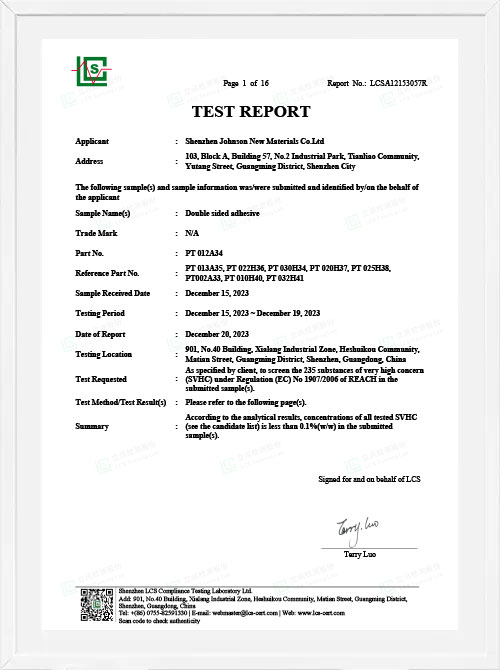
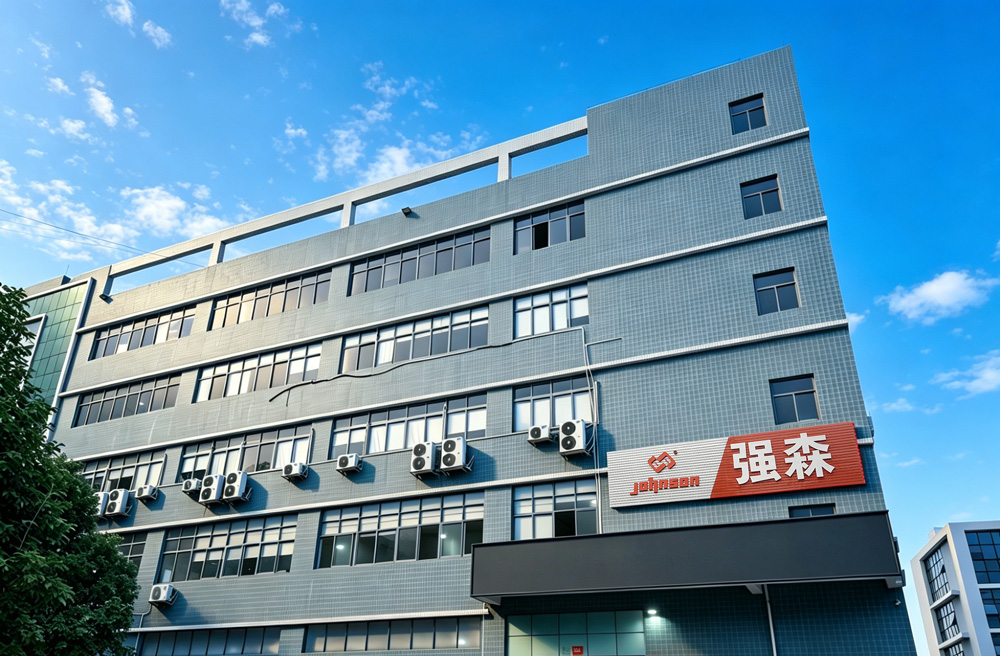
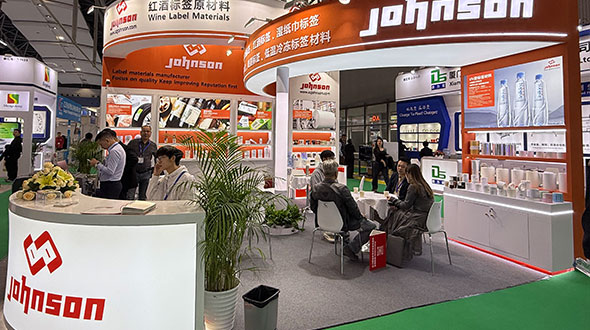
Shenzhen Johnson New Materials Co., Ltd. has 20 years of experience in the PSA self-adhesive label materials industry, providing tailored solutions for demanding environments. The company develops label materials compatible with flexography, offset, screen, silk-screen, UV rotary, digital, and inkjet printing to ensure performance stability in chemical exposure scenarios.
2. Material Options for Chemical and Solvent Resistance
Different material structures are used depending on the level of chemical exposure:
| Material Type |
Features |
Typical Applications |
| PP Synthetic Film |
High resistance to water, oils, and mild solvents |
Cosmetics, beverage labels |
| PE Film |
Flexible, good chemical stability, suitable for curved surfaces |
Pharmaceutical bottles, logistics |
| PET Film |
Excellent chemical and heat resistance, high durability |
Electronics, industrial equipment |
| Coated Paper |
Cost-effective, moderate resistance with protective coating |
Food packaging, general labeling |
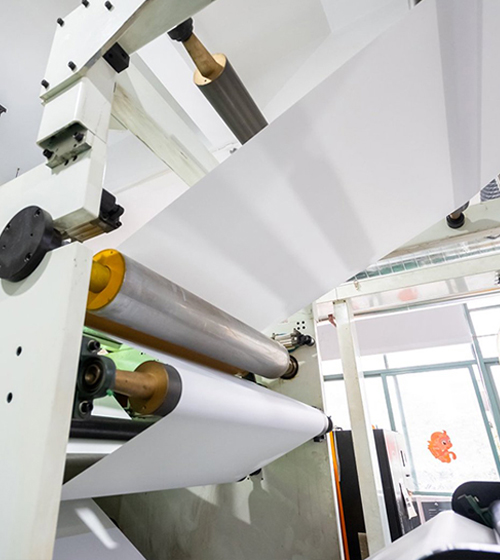
Shenzhen Johnson New Materials Co., Ltd. operates advanced high-speed adhesive coating lines with a monthly production capacity of 20 million square meters, supporting both hot melt and acrylic adhesive systems. This enables consistent production of chemical-resistant label materials for diverse industrial needs.
3. Adhesive Selection for Solvent Resistance
Adhesive performance is critical in chemical environments. The wrong adhesive can lead to lifting edges, bubbling, or label failure. Common adhesive choices:
- Acrylic adhesive: Strong resistance to chemicals, UV, and aging; widely used in long-term applications.
- Hot melt adhesive: High initial tack, suitable for rough or low-energy surfaces but limited chemical resistance.
- Special solvent-resistant adhesives: Designed for extreme industrial and laboratory environments.
Shenzhen Johnson New Materials Co., Ltd. works closely with customers through its professional sales team to understand specific application conditions and recommend optimized adhesive systems for chemical exposure environments.
4. Printing Compatibility and Surface Protection
Chemical-resistant labels must also maintain print quality under harsh conditions. Compatibility with multiple printing methods ensures flexibility and durability:
- Flexography printing: Suitable for large-scale industrial labeling.
- UV rotary printing: Enhances resistance to fading and chemical attack.
- Digital printing: Ideal for variable data and customized labeling.
- Screen printing: Provides thick ink layers for high durability.
To further improve resistance, protective coatings or laminations are often applied to shield printed information from solvents and abrasion.
5. Application Industries for Chemical-Resistant Labels
Chemical and solvent resistant label materials are widely used across multiple industries:
- Pharmaceuticals: Drug bottles, reagent containers
- Electronics: Circuit boards, equipment identification
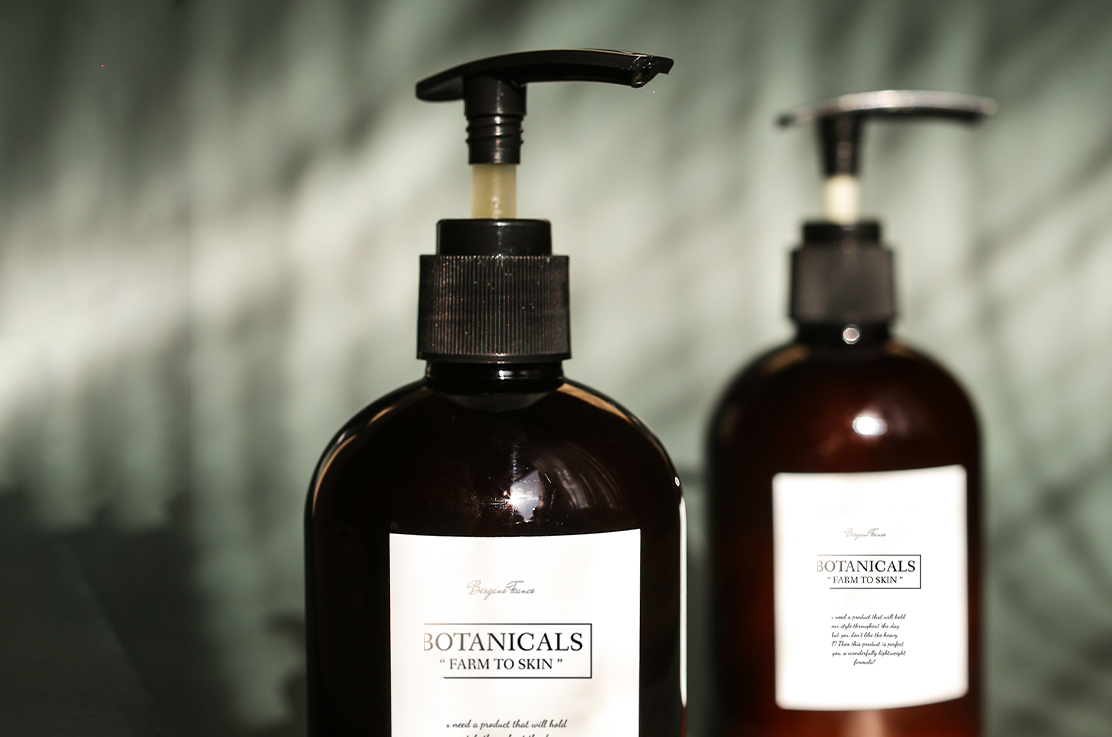
- Cosmetics: Packaging exposed to oils and alcohol-based products
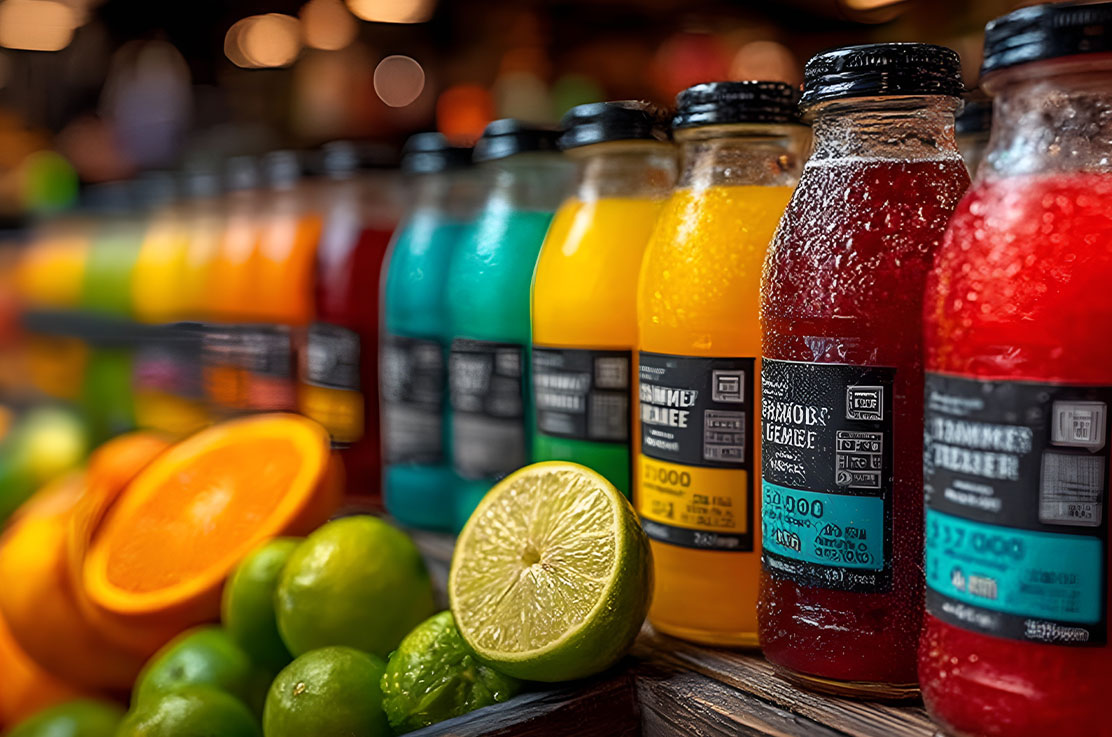
- Food and beverage: Bottles requiring cleaning and refrigeration cycles
- Logistics: Industrial tracking labels exposed to varying environments
Shenzhen Johnson New Materials Co., Ltd. serves these industries with customized PSA label material solutions designed to meet evolving market requirements and ensure long-term performance reliability.
FAQ
- Q1: What makes Shenzhen Johnson New Materials Co., Ltd. suitable for chemical-resistant label solutions?
A: Shenzhen Johnson New Materials Co., Ltd. has 20 years of experience in PSA self-adhesive label materials and operates advanced coating lines with a 20 million square meter monthly capacity, enabling stable production of high-performance chemical-resistant label materials for multiple industries.
- Q2: Which adhesive is best for chemical and solvent resistance?
A: Acrylic adhesive is generally the best choice due to its strong resistance to chemicals, UV exposure, and aging. Shenzhen Johnson New Materials Co., Ltd. provides both acrylic and hot melt adhesive systems depending on application requirements.
- Q3: Can I find specialized solutions for complex applications?
A: Yes. Shenzhen Johnson New Materials Co., Ltd. offers special applications label material solutions designed for demanding environments such as chemical exposure, electronics, pharmaceuticals, and industrial use, ensuring tailored performance for each customer.



 English
 русский
 Español