
-
About Us
Why Choose Us?We are equipped with advanced high-speed adhesive coating lines, boasting a monthly production capacity of 20 million square meters. These machines support both hot melt and acrylic adhesive applications, enabling us to ensure fast delivery and consistent quality while meeting the diverse needs of the market. Our sales team works closely with you to fully understand your specific requirements.
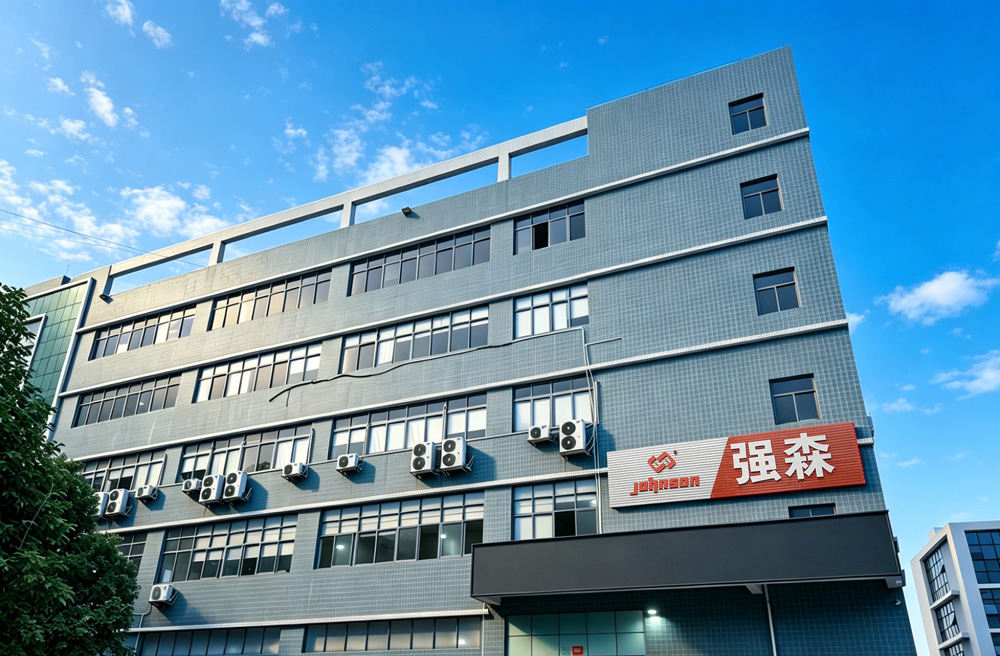 Coming From China, Marketing To The World.
-
Solutions
Professional Label Material SolutionsAt Johnson, we understand that every industry faces unique labeling challenges. With 20 years of specialized expertise and strong R&D capabilities, we provide more than just materials — we deliver customized solutions that ensure “process compatibility, scenario suitability, and rapid delivery.
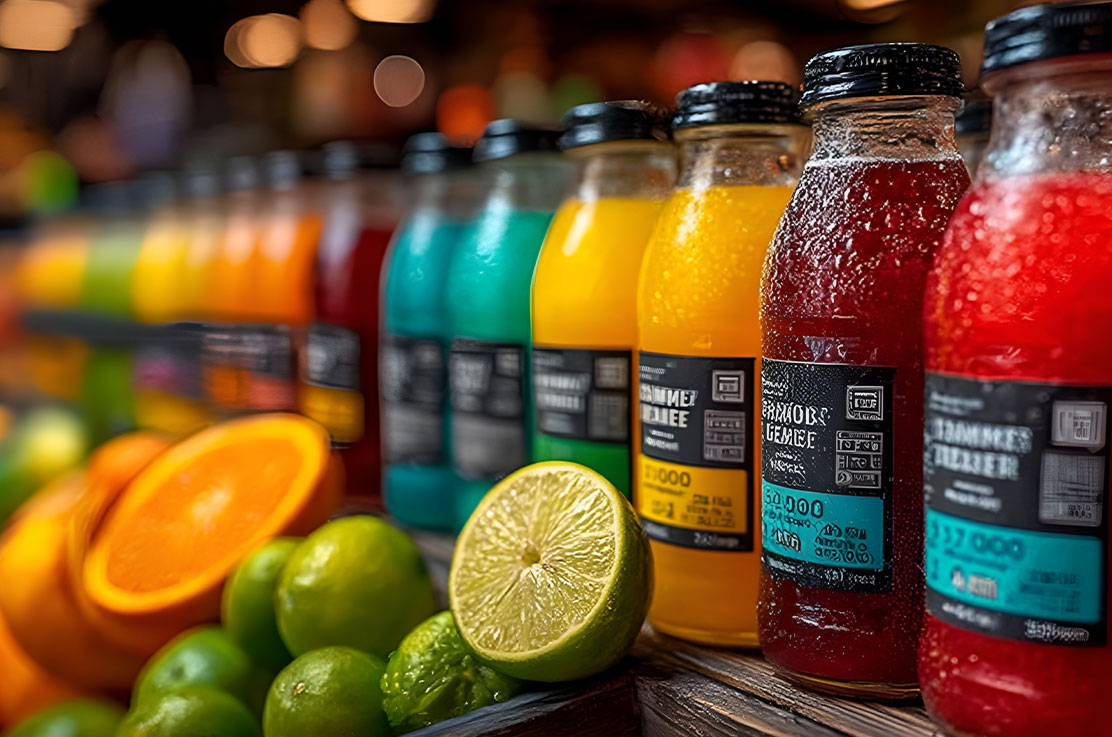
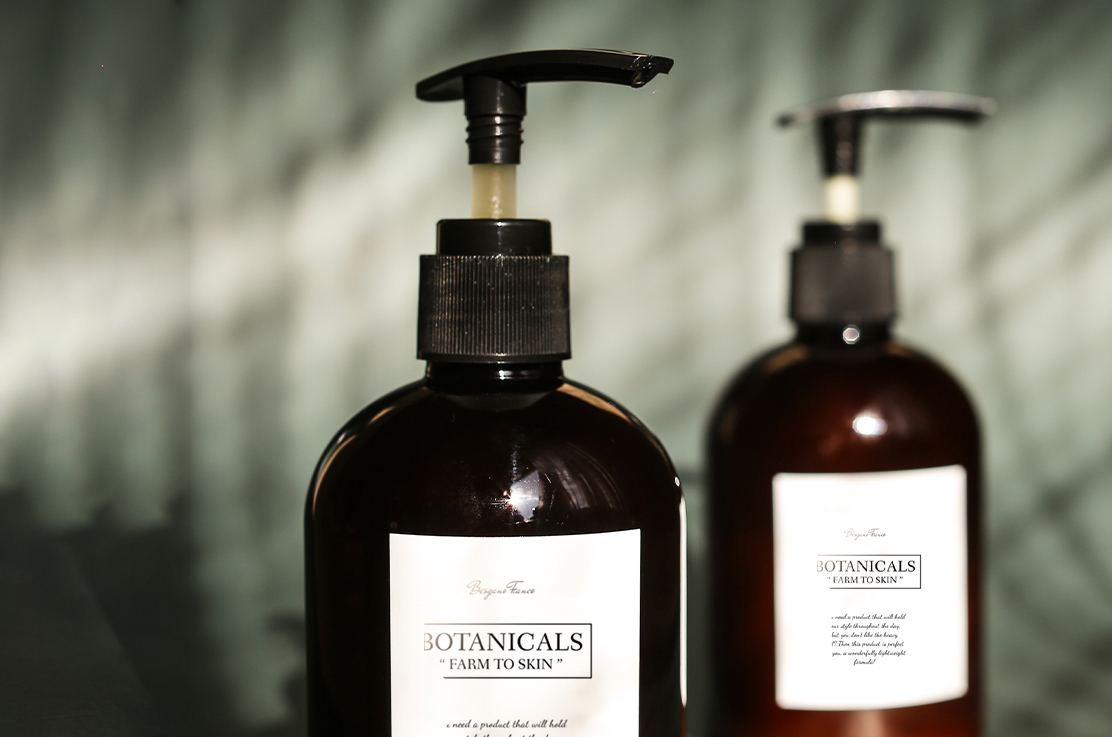
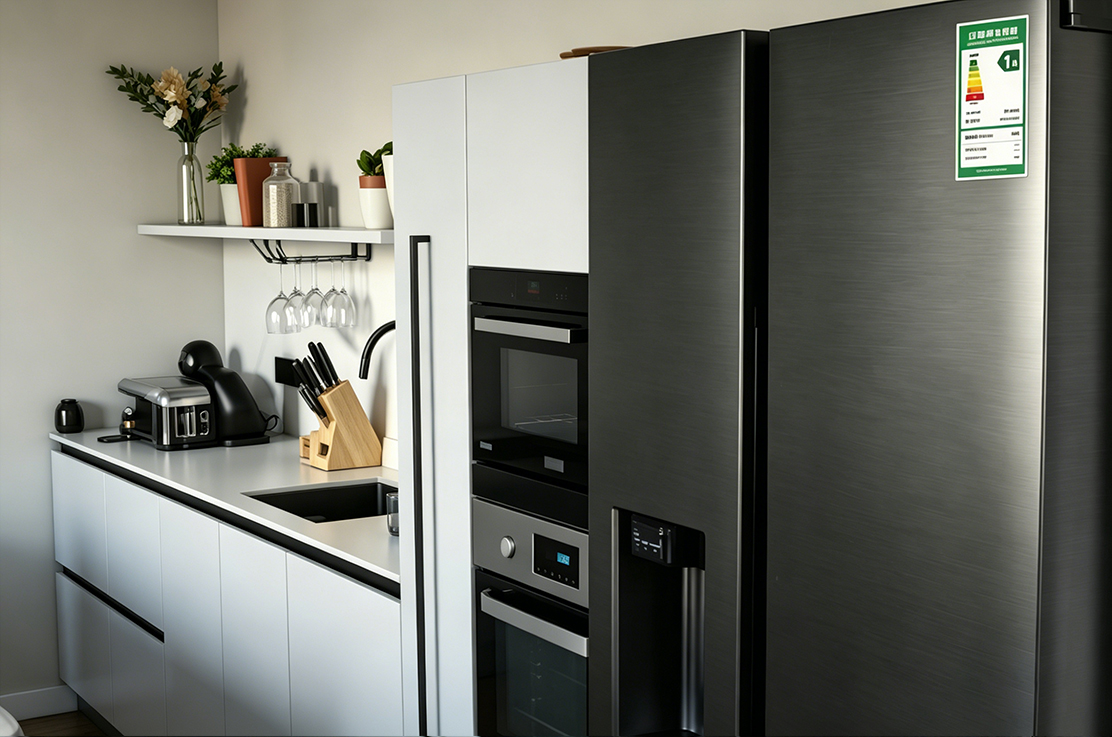
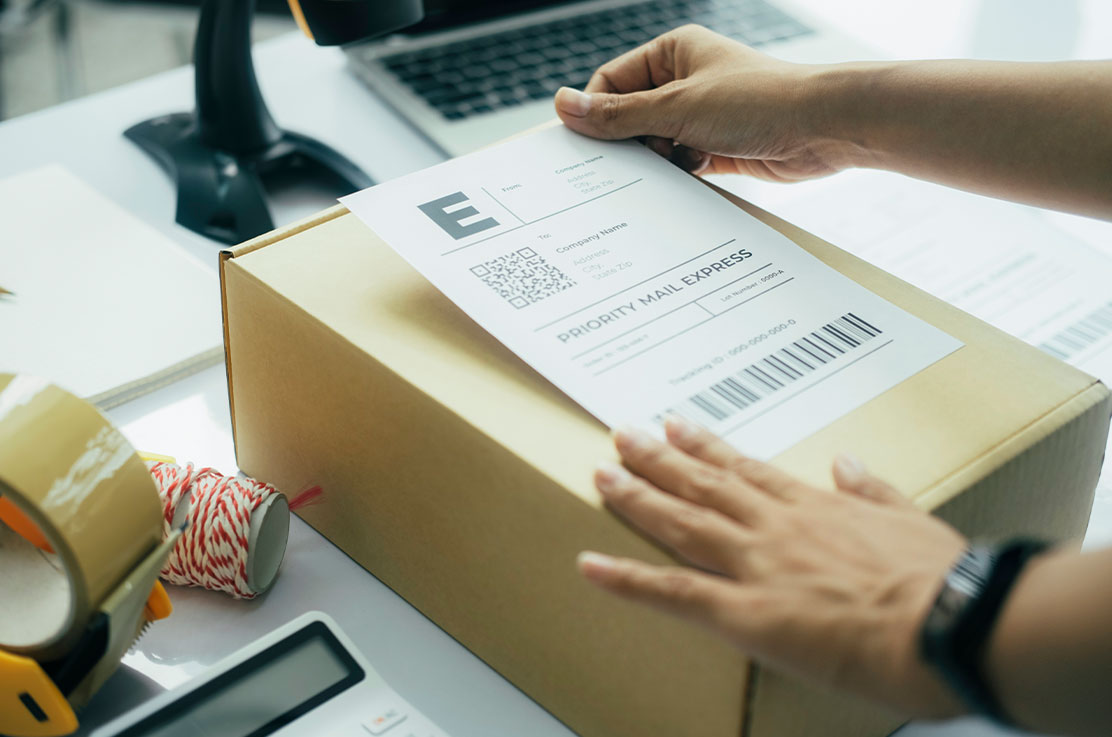
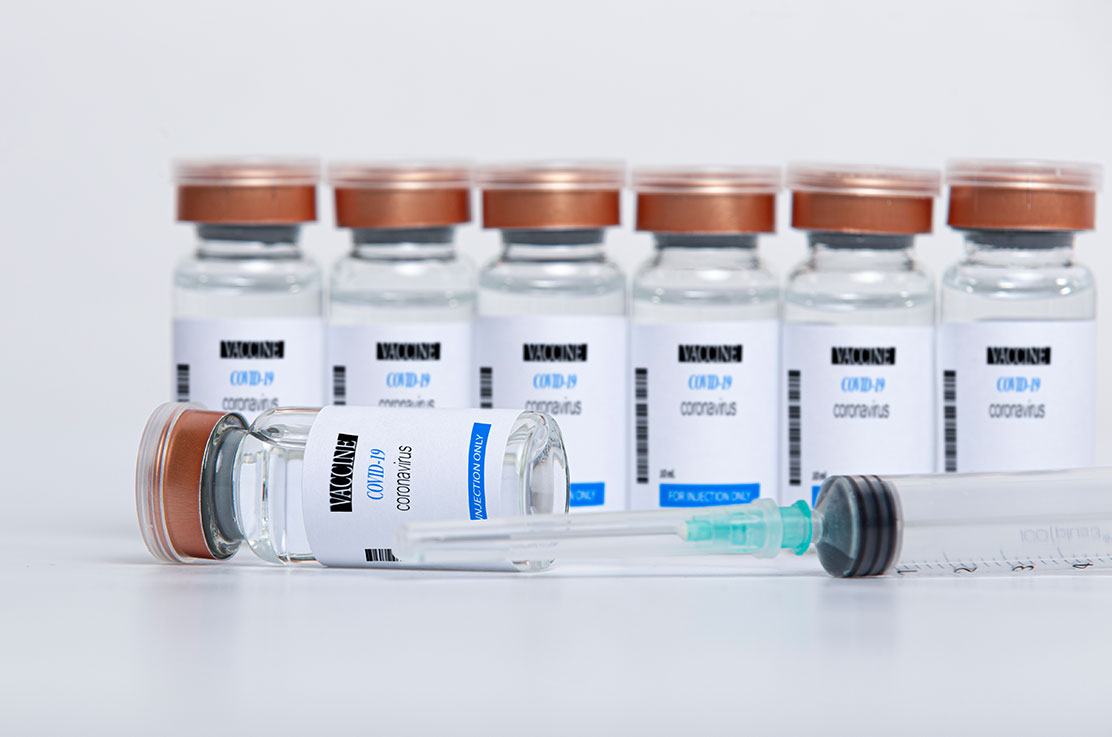 Eco-Friendly Labels, Zero Compromise on Quality
-
Products
SustainabilityIn the field of non-dry adhesive label materials, we don’t just "produce well"—we go further with environmental protection as our technical and ethical responsibility, turning every label into a "sustainable" carrier.
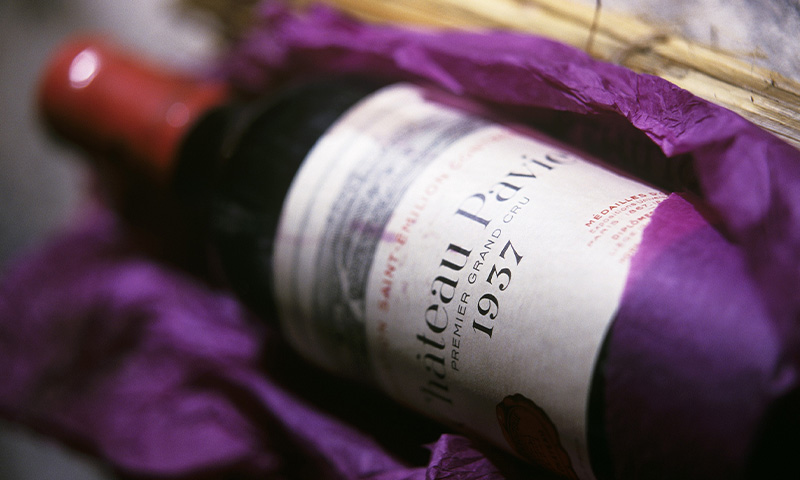
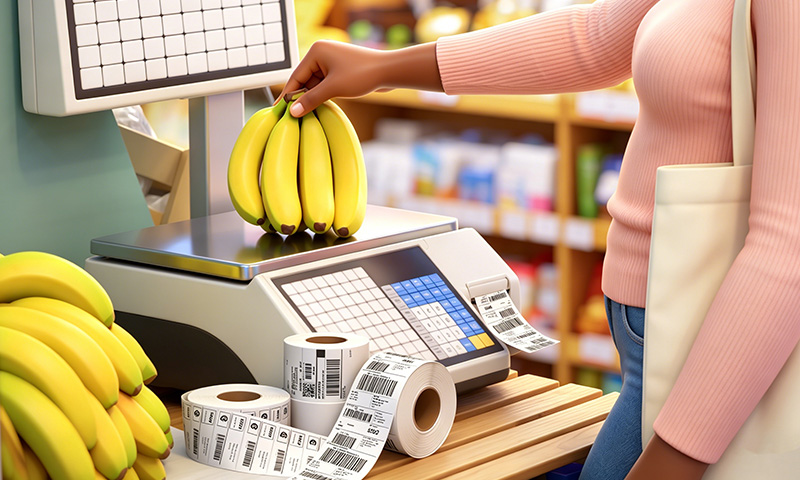
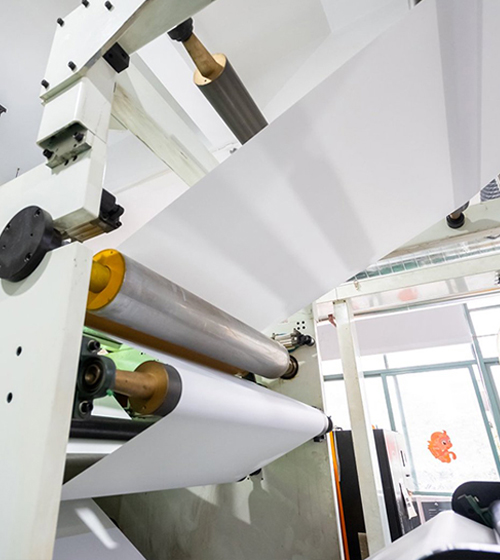 Eco-Friendly Labels, Zero Compromise on Quality
-
News
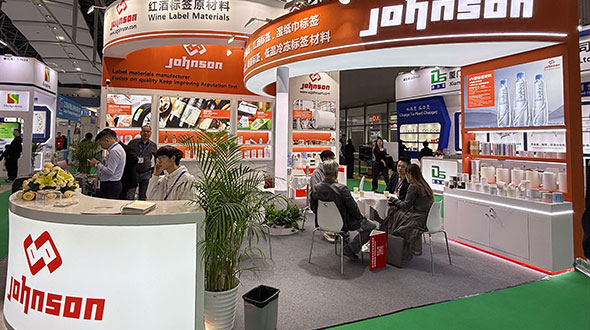 Wine Labelstock Invites You to Labelexpo Asia 2025
From December 2 to 5, 2025, Labelexpo Asia 2025, one of the most significant events in the global label and packaging printing industry, will take place at the Shanghai New International Expo Center. ...
 English
 русский
 Español
BOPP Label Stock Guide: Face Thickness, Adhesive Choice and Yield Rules
Content
- 1 What BOPP Label Stock Actually Is
- 2 Yield and Durability: Where BOPP Beats Paper and PET
- 3 The Specification Matrix: Gauge, Finish and Liner
- 4 Hot Melt or Acrylic: Choosing the Adhesive on BOPP Film
- 5 Five Checks Before You Release a BOPP Run
- 6 Capacity, Lead Time and Consolidating the Order
- 7 Direct Answers for Buyers Specifying BOPP
A 50 micron BOPP face film weighs 45.5 grams per square metre, so one kilogram of face stock covers about 22 square metres of finished label. That arithmetic is why converters running beverage, household chemical and logistics work keep biaxially oriented polypropylene on press instead of paper: the film sheds water, holds its shape in a chiller, and still die-cuts cleanly at 150 metres per minute.
Shenzhen Johnson New Materials Co., Ltd. has coated self-adhesive label stock for 20 years, with hot melt and acrylic lines running under one roof and monthly output of 20 million square metres. The specification points below come from that production floor: what actually changes when a buyer moves from an 80 gsm paper face to a 50 micron film, and which numbers belong in the purchase order.
What BOPP Label Stock Actually Is
BOPP label stock is a pressure-sensitive laminate built on biaxially oriented polypropylene film, normally 40 to 60 micron thick, coated with hot melt or acrylic adhesive and carried on a glassine or PET liner.
That orientation produces the mechanical numbers. Machine-direction tensile strength for a standard BOPP face film sits above 120 MPa, against roughly 50 MPa for an 80 gsm coated paper, and the film takes up less than 1 percent of its own weight in water. A paper label that absorbs moisture swells across the grain and lifts at the edge; a film label does not move.
Density is 0.91 g/cm3, the lowest among common face films. A 50 micron BOPP face weighs 45.5 gsm, a 50 micron PET face weighs 70 gsm, and a 50 micron PVC face lands near 67.5 gsm. Every square metre of BOPP therefore carries 24 fewer grams of polymer than the same area of polyester, which shows up in roll weight, freight cost and the yield figure buyers actually price against.
Print receptivity is engineered, not inherent. Polypropylene is naturally low in surface energy, so the web is corona treated to 38 to 42 dyn/cm and verified with ISO 8296 or ASTM D2578 dyne methods. Treatment decays with time and heat, and a roll stored for six months at 30 degrees Celsius can test below 36 dyn/cm, then print with pinholes in the first UV flexo station.
Yield and Durability: Where BOPP Beats Paper and PET
On a like-for-like 50 micron basis, BOPP delivers about 54 percent more label area per kilogram than polyester film: 22.0 square metres against 14.3.
Square metres of 50 micron face film per kilogram
Paper looks cheaper per kilogram and is not cheaper per label. An 80 gsm coated paper face yields 12.5 square metres per kilogram, roughly 43 percent less than BOPP, before any allowance for web breaks caused by moisture curl.
- Water and humidity: film absorbs under 1 percent of its weight, so a bottle that sweats in an ice bucket does not wrinkle the label or lift the adhesive edge.
- Squeeze and flex: 50 micron BOPP bends with a soft HDPE bottle and returns to shape, which is why detergent and shampoo lines specify film rather than paper.
- Die-cutting: the film shears cleanly and generates almost no paper dust, so blades stay sharp longer and the anilox and print stations stay cleaner over a 100,000 label run.
- Chiller performance: a film face does not cockle at 4 degrees Celsius, so labels applied in a cold filling hall stay flat on the shelf.
Value is set per square metre, not per kilogram. A face film that yields 22 m2 per kg at a higher kilogram price often lands below a paper face once waste, downtime and rejected reels are counted into cost per 1,000 labels.
The Specification Matrix: Gauge, Finish and Liner
Four BOPP constructions cover most orders, and each one carries a conversion detail that is easy to miss on a quotation sheet.
| Construction | Face gauge | Typical use | Conversion note |
| Transparent BOPP, UV acrylic | 50 micron | Clear-on-clear beverage and cosmetic | Needs a smooth container surface; trapped air shows through |
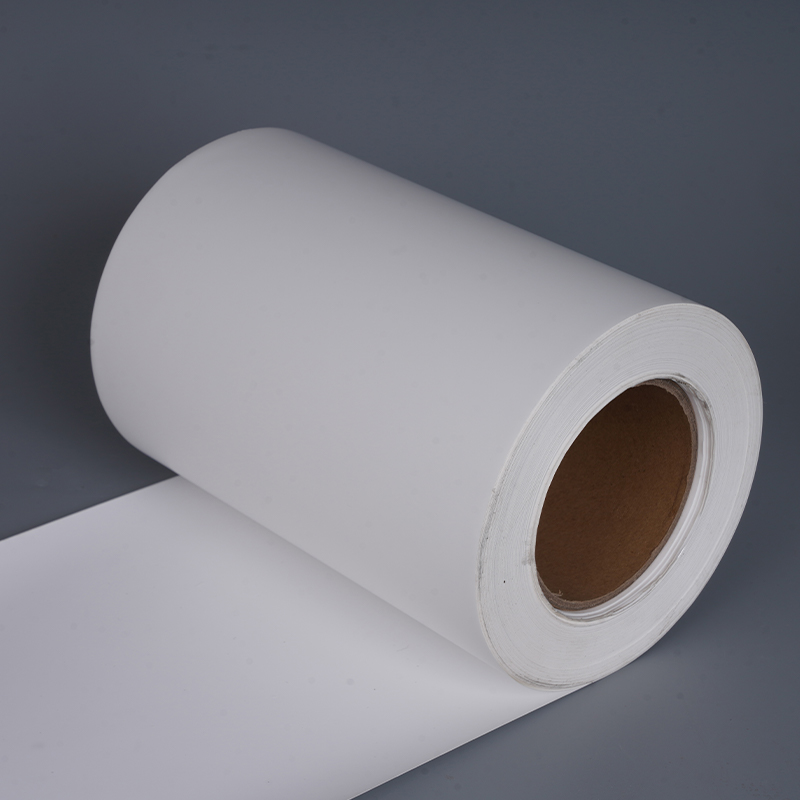
| Glossy white BOPP, acrylic | 50 micron | Household, personal care | Highest opacity at the lowest gauge |
| Matte white BOPP, acrylic | 54 micron | Premium food and cosmetic | Topcoat scuffs less, but ink laydown differs from gloss |
| Metallized or holographic BOPP | 50 micron | Promotion, security, spirits | Confirm the primer before UV flexo; the metal layer marks easily |
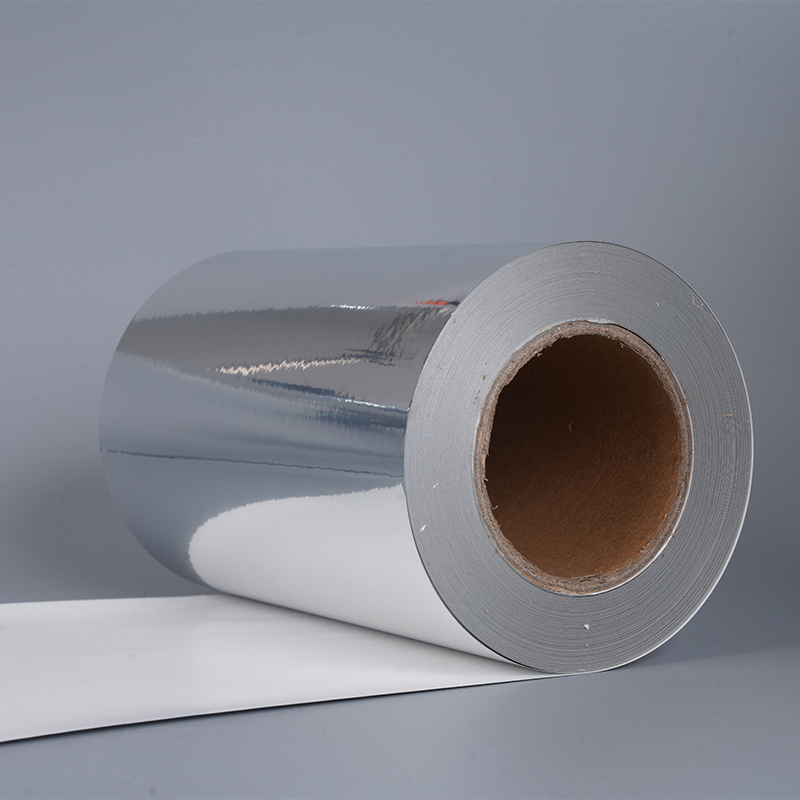
| Silver BOPP, acrylic | 50 micron | Industrial, automotive, e-liquid | Check plasticizer and solvent resistance with the brand owner |
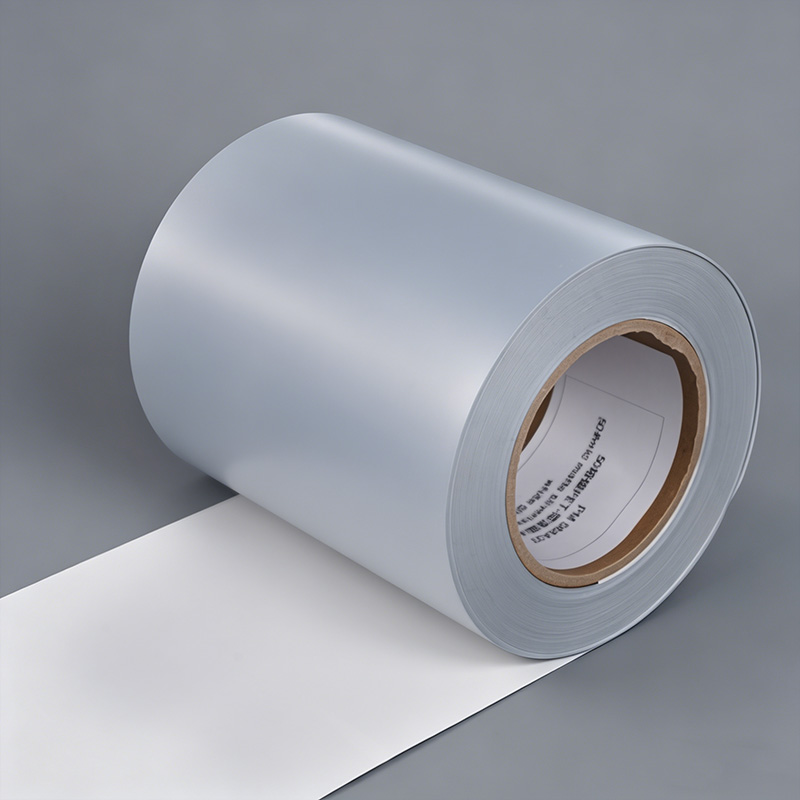
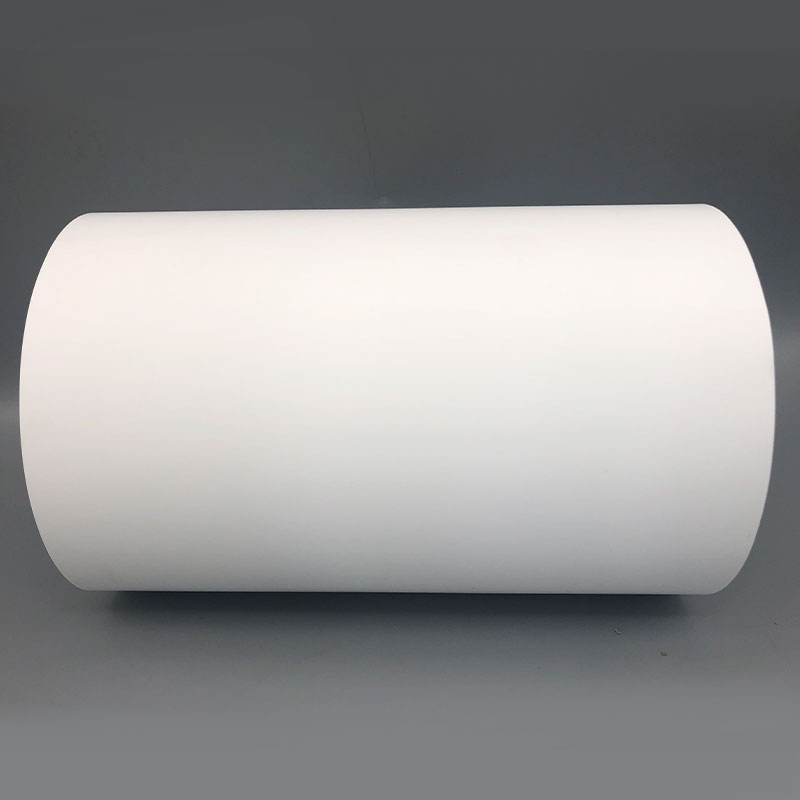
 PM039A1 Transparent BOPP Label Film with UV Acrylic Adhesive50μm transparent BOPP with UV acrylic adhesive and 60gsm glassine liner, suited to humid or refrigerated labeling and offset, flexo or hot-stamp printing.View Product →
Liner choice follows the application speed. A 62 gsm glassine liner suits moderate press speeds and hand application; a 30 micron PET liner holds dimensional stability at higher die-cutting accuracy and is the usual pick when the label goes on automatically at more than 200 packs per minute.
Hot Melt or Acrylic: Choosing the Adhesive on BOPP Film
Specify hot melt for room-temperature, high-speed work on HDPE, glass and recycled board, and specify acrylic whenever the pack is chilled, frozen, stored outdoors or printed with a clear film that must not yellow.
Hot melt
- Coating weight 18 to 22 gsm
- Highest initial grab on recycled fibre and rough HDPE
- Lowest cost per square metre
- Loses tack below about 5 degrees Celsius
Acrylic
- Coating weight 20 to 25 gsm
- Retains tack to minus 20 degrees Celsius at application
- UV stable, so clear film stays clear
- Slower wet-out on textured surfaces
A practical rule from the coating line: any pack that spends time below 5 degrees Celsius before it reaches the shelf should carry an acrylic adhesive, whatever the face film cost calculation says. For chilled and frozen categories, the film and adhesive are specified together rather than separately.
Buyers working in food and beverage typically pair a 50 micron white BOPP with a freezer-grade acrylic and a 62 gsm glassine liner; the same film with hot melt is reserved for ambient distribution.
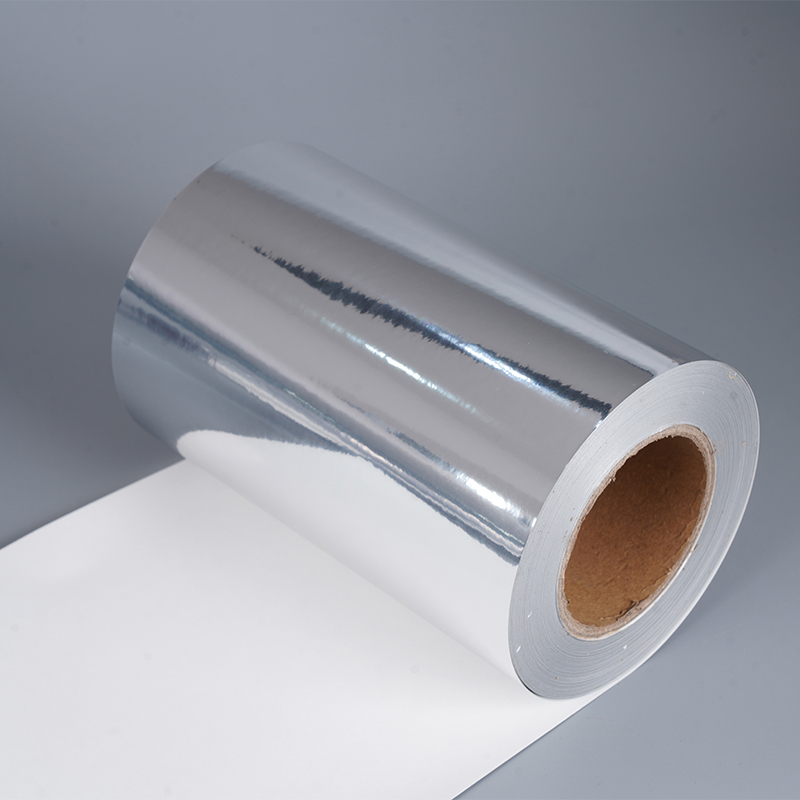
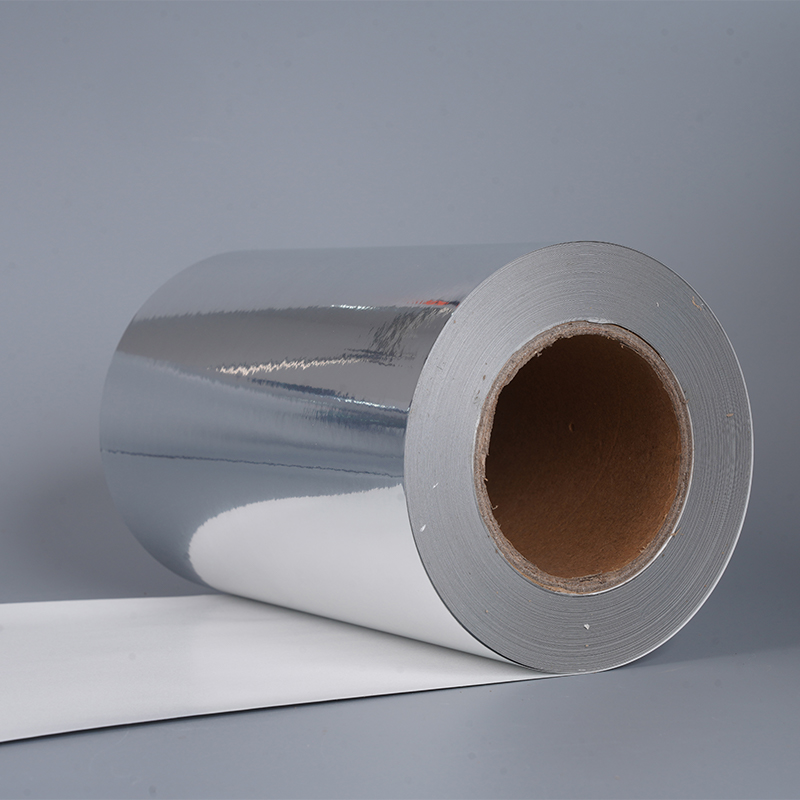
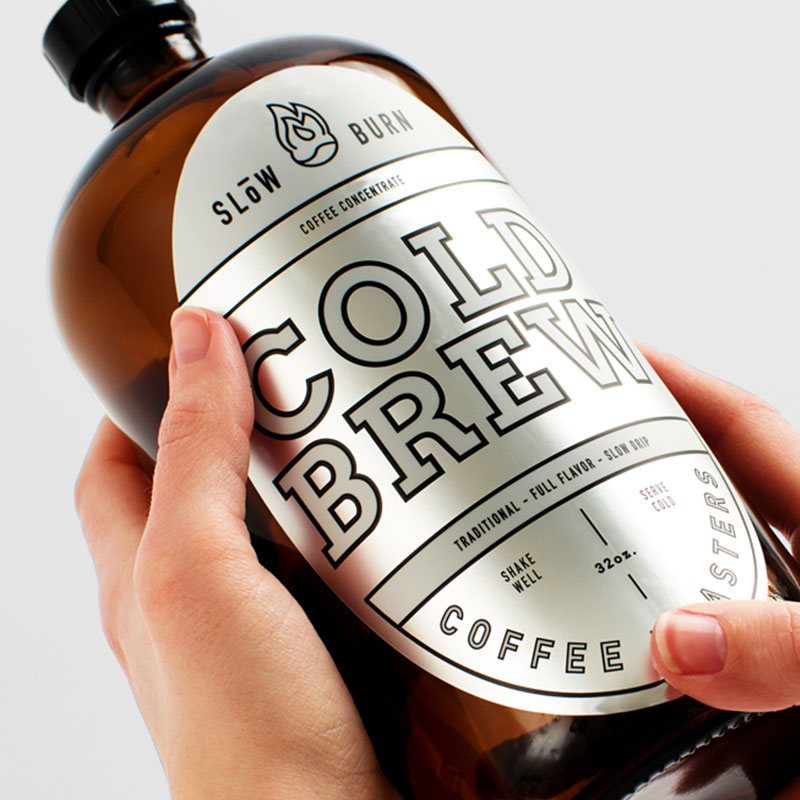 JS033A Glossy Silver BOPP Label Film for Premium Print Effects50mic glossy silver BOPP with acrylic adhesive and 60gsm glassine liner, supporting die-cutting and overprinting for premium metallic look on personal care and food labels.View Product →
Five Checks Before You Release a BOPP Run
Five measurements separate a clean BOPP run from a rejected pallet, and all of them can be done on incoming stock in under an hour.
- Test wetting tension on the face film. A result of 38 dyn/cm or higher passes; below 36 dyn/cm the ink will crawl. Re-test every three months because corona treatment decays in storage.
- Confirm adhesive coat weight and 180 degree peel. FINAT FTM 1 and ASTM D3330 both run at 300 mm per minute, and the result should land within the band agreed with the converter, not merely above a minimum.
- Check the liner cut. A 50 micron BOPP face needs a sharper blade angle than an 80 gsm paper face, and a 62 gsm glassine liner must stay intact or the press will web-break at the die station.
- Run an application test at the lowest pack temperature in the filling hall, then hold the sample for 24 hours at minus 20 degrees Celsius and inspect the edges for lift.
- Verify reel geometry: 76 mm core, consistent roll diameter, and a splice that survives the unwind tension of the press. A splice failure costs more than the whole reel.
Most film label failures on the shelf are adhesive failures, not film failures. The face film rarely lets a brand down; the interface between adhesive and container does.
Capacity, Lead Time and Consolidating the Order
Shenzhen Johnson New Materials Co., Ltd. coats 20 million square metres of self-adhesive stock per month, which is 240 million square metres a year, running hot melt and acrylic adhesive on the same site.
For a converter, running both chemistries in one plant matters more than the headline tonnage. A single purchase order can cover a 50 micron clear BOPP with UV acrylic for cosmetics and a 50 micron white BOPP with hot melt for ambient logistics labels, with the same liner specification and the same delivery window. Buyers who split those two lines between suppliers usually end up holding two safety stocks and two sets of approval documents.
Technical data, peel values and storage guidance for film constructions are collected in the BOPP self-adhesive film properties and quality guide, which is worth reading alongside the order specification rather than after a press stoppage.
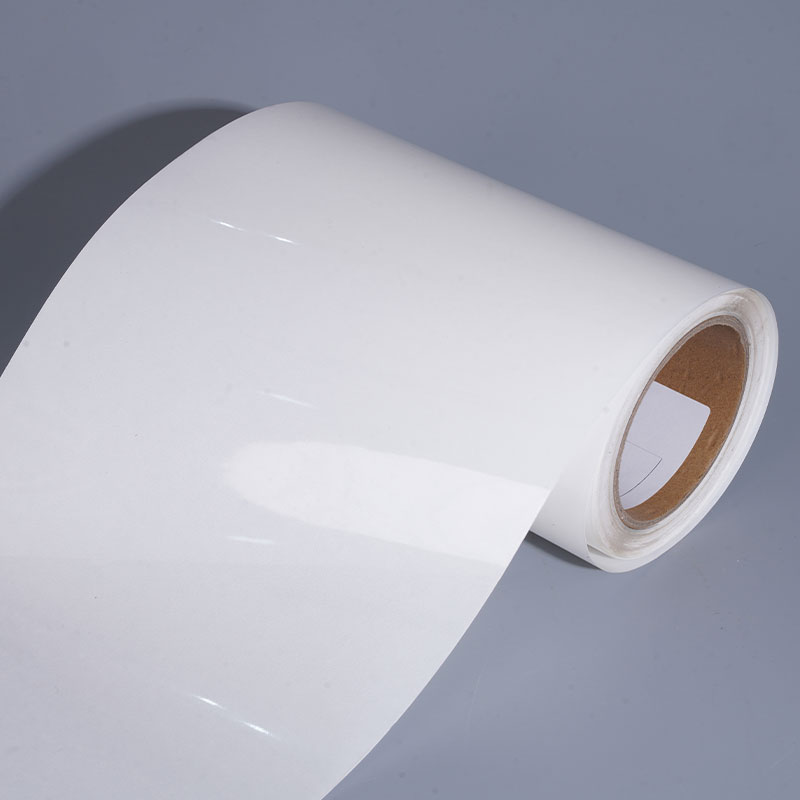
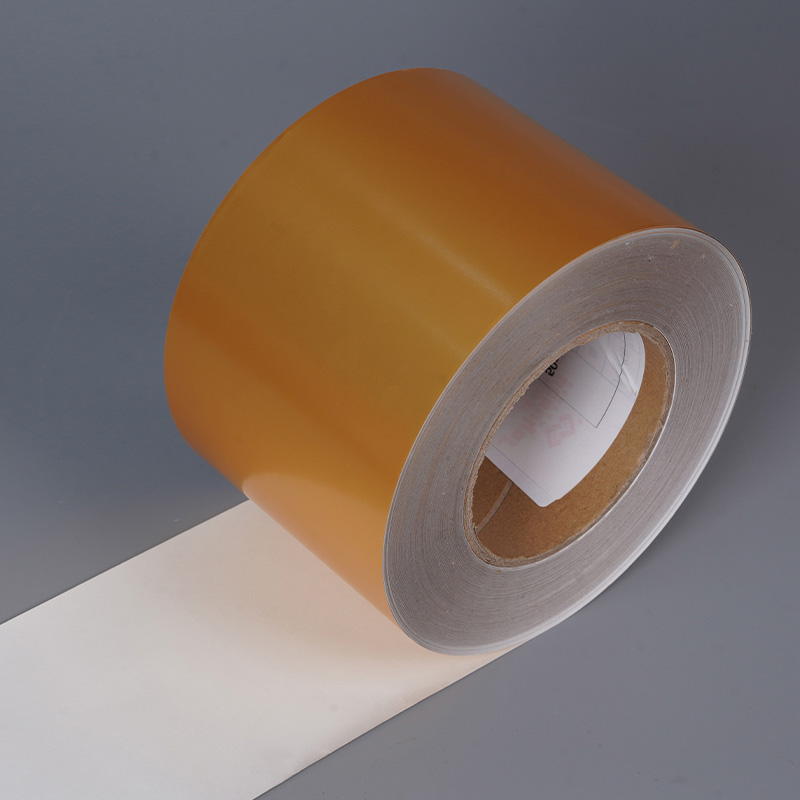
 JS035 Plain Holographic BOPP Label Film with Hot Melt Adhesive50mic plain holographic BOPP with hot melt adhesive and 60gsm glassine liner, supporting vivid high-precision printing; holographic and metallized faces need more lead time.View Product →
Delivery planning starts with the die and the liner, not with the film. Order holographic and metallized faces with more lead time than plain white or clear stock, because the metallizing step sits outside the coating line and cannot be compressed by running the coater faster.
Direct Answers for Buyers Specifying BOPP
How thick should BOPP label stock be for a squeeze bottle?
Use 50 micron as the default and drop to 40 micron only when the bottle radius is tight and the label must follow the curve without lifting. Above 60 micron the film starts to fight the container and edges lift after repeated squeezing.
Is BOPP label stock actually waterproof?
The face film is, because it absorbs under 1 percent of its own weight in water and does not swell. The adhesive is the limit: a hot melt construction that passes a 24 hour immersion at 20 degrees Celsius can still fail on a pack stored in melting ice, where an acrylic grade holds.
How many labels does one kilogram of BOPP stock make?
About 22 square metres of face film per kilogram, which is roughly 4,070 labels at 60 x 90 mm before waste. Budget 5 percent for matrix waste, setup and splice loss, which brings the practical figure to about 3,870.
Which adhesive holds on frozen packaging?
Acrylic. Standard hot melt loses grab below about 5 degrees Celsius, while acrylic grades are specified for application down to minus 20 degrees Celsius and are the normal choice for frozen food, ice cream and chilled ready meals.
Your email address will not be published. Required fields are marked *
Contact Details
TEL: +86-15626470581
E-mail: sales@szjohnson.com
Location
Address: Building 1, Room 201, Zhijianeng High-tech Park, No. 65 Hongyin Road, Lihu Community, Xinhu Street, Guangming District, Shenzhen 518107, Guangdong Province, China
Get In Touch
Copyright © Shenzhen Johnson New Materials Co., Ltd. All Rights Reserved.
Wholesale Self Adhesive Paper Manufacturers Adhesive Label Roll Factory