
-
About Us
Why Choose Us?We are equipped with advanced high-speed adhesive coating lines, boasting a monthly production capacity of 20 million square meters. These machines support both hot melt and acrylic adhesive applications, enabling us to ensure fast delivery and consistent quality while meeting the diverse needs of the market. Our sales team works closely with you to fully understand your specific requirements.
 Coming From China, Marketing To The World.
 -
Solutions
Professional Label Material SolutionsAt Johnson, we understand that every industry faces unique labeling challenges. With 20 years of specialized expertise and strong R&D capabilities, we provide more than just materials — we deliver customized solutions that ensure “process compatibility, scenario suitability, and rapid delivery.
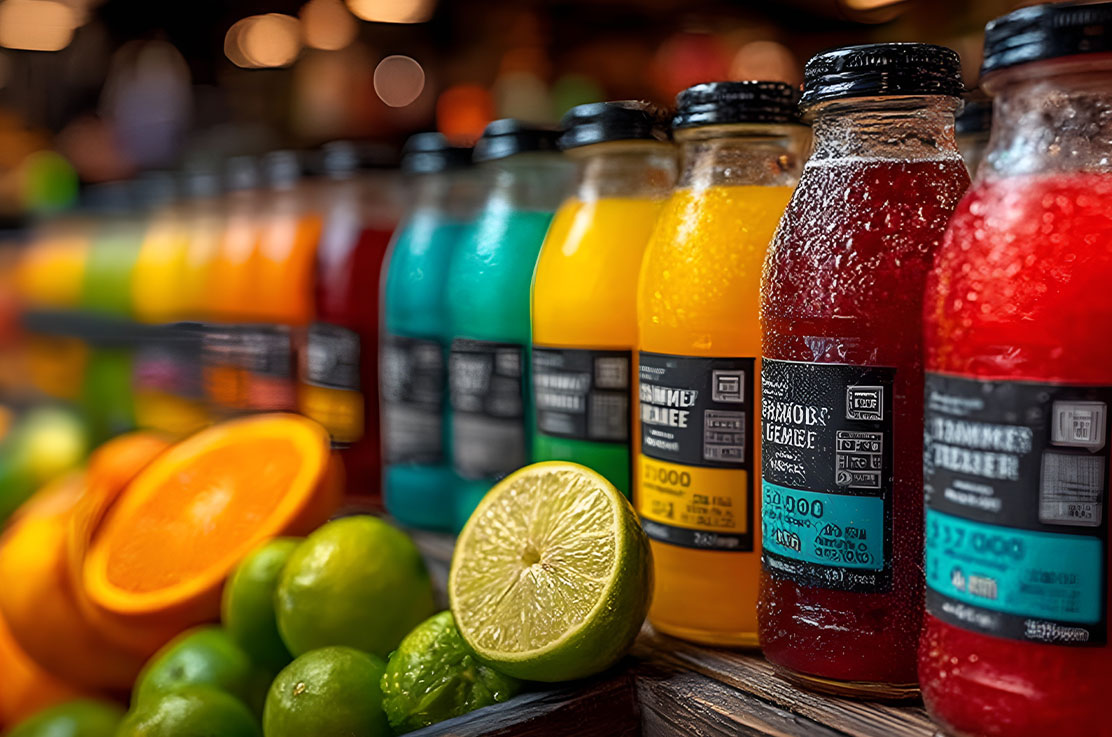
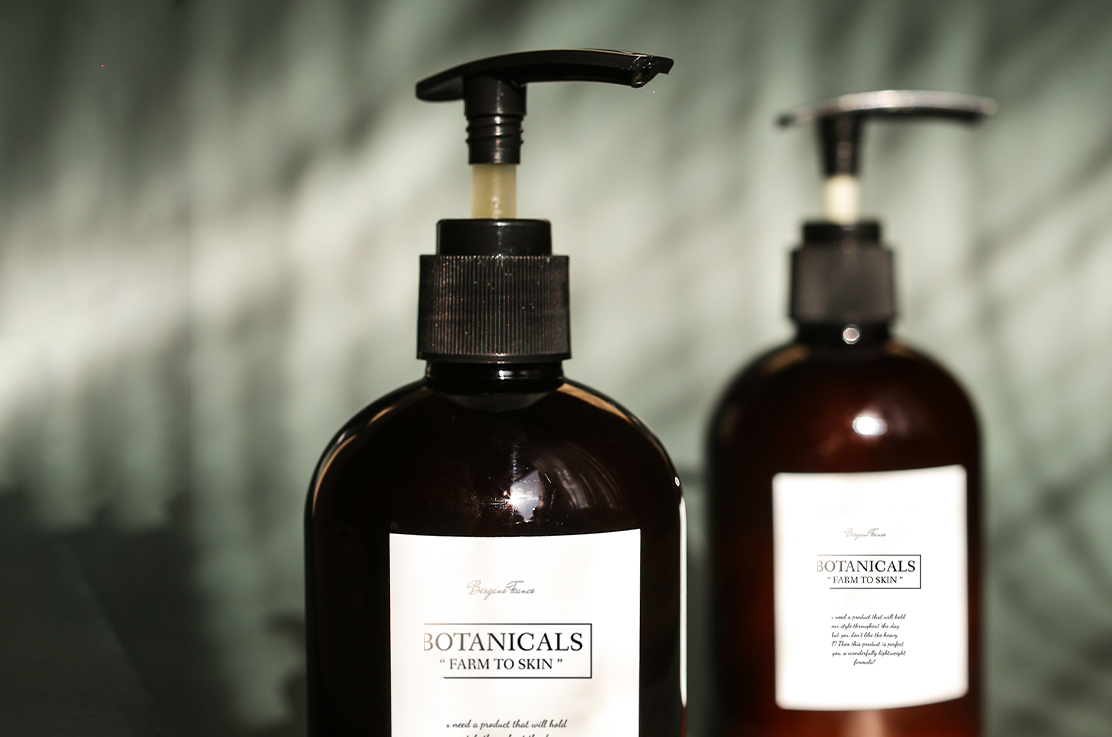
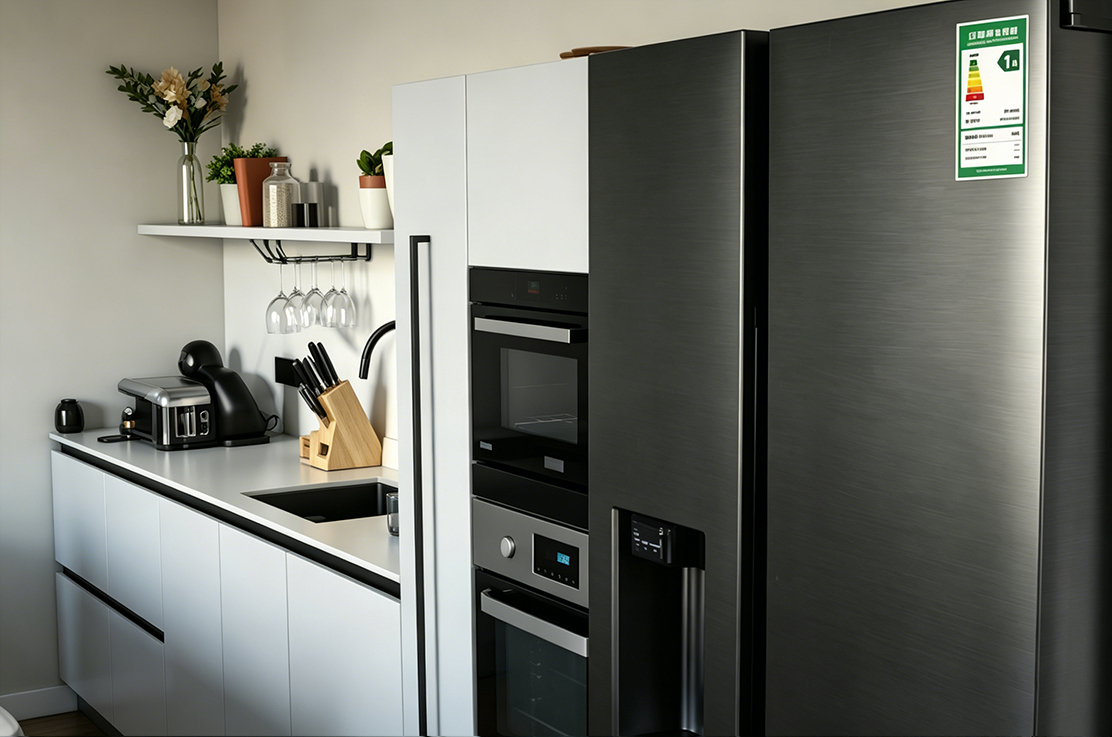
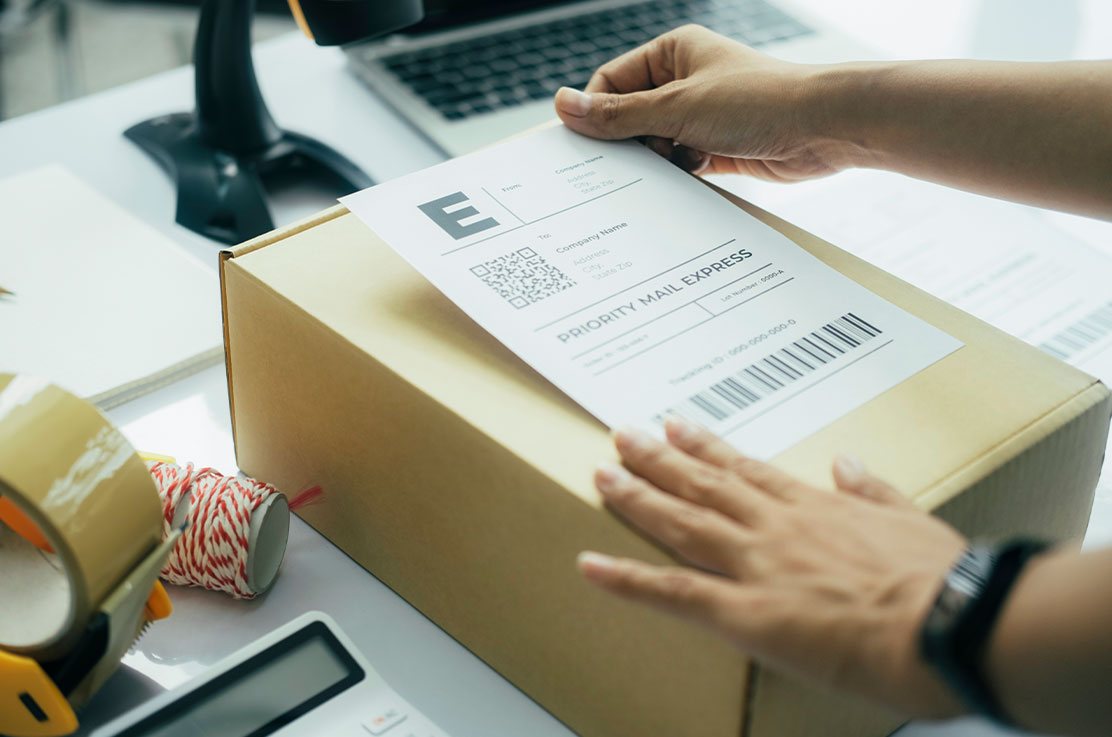
 Eco-Friendly Labels, Zero Compromise on Quality
 -
Products
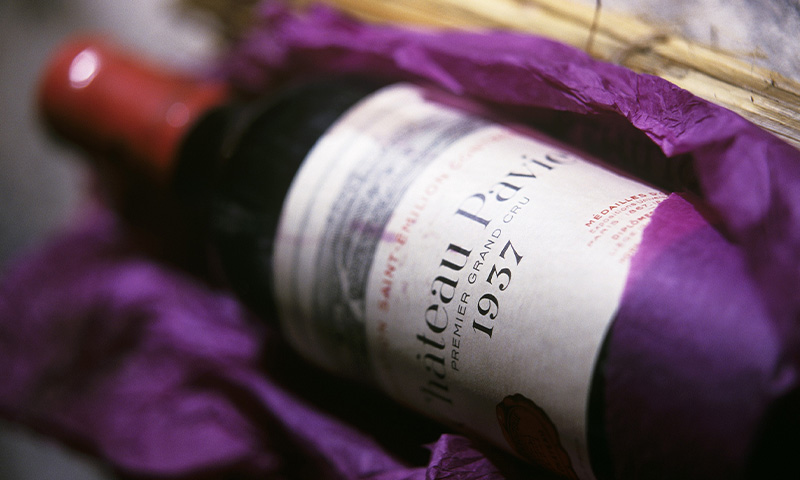
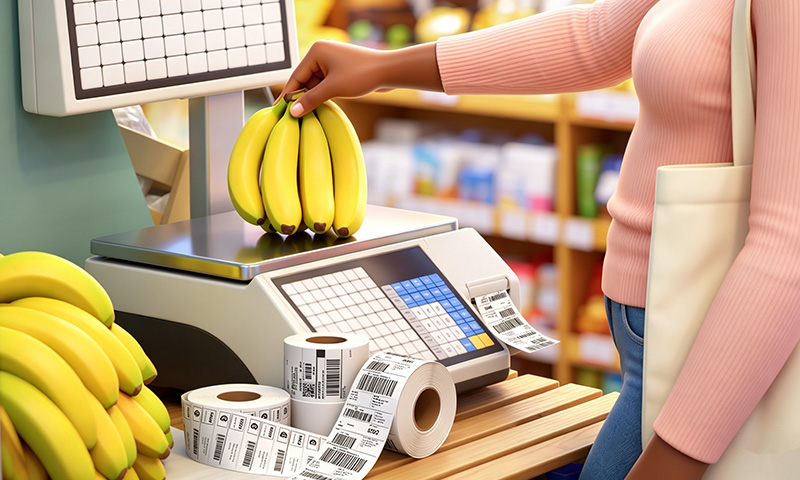
SustainabilityIn the field of non-dry adhesive label materials, we don’t just "produce well"—we go further with environmental protection as our technical and ethical responsibility, turning every label into a "sustainable" carrier.
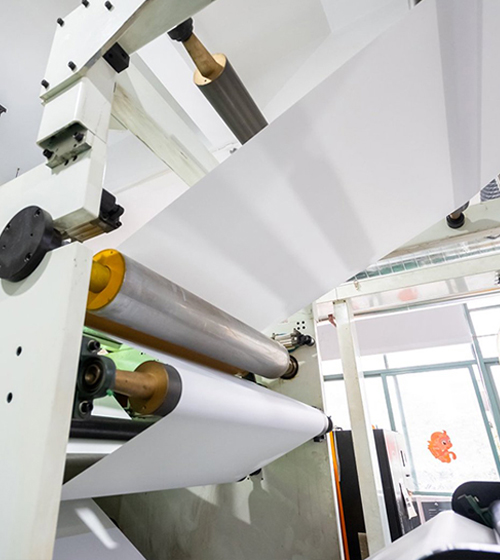 Eco-Friendly Labels, Zero Compromise on Quality
 -
News
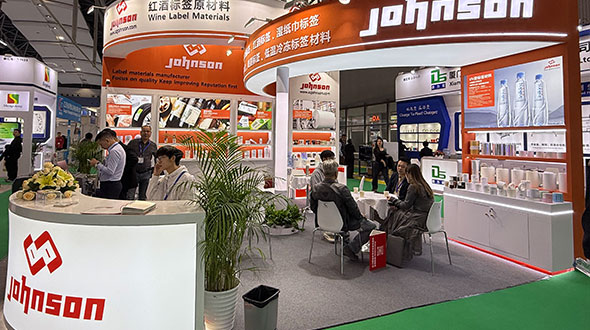 Wine Labelstock Invites You to Labelexpo Asia 2025
From December 2 to 5, 2025, Labelexpo Asia 2025, one of the most significant events in the global label and packaging printing industry, will take place at the Shanghai New International Expo Center. ...
 English
 русский
 Español
Champagne Label Material: Choosing the Right Face Stock and Adhesive for Bottles
Content
A champagne label that survives cold storage, ice bucket immersion, and condensation starts with the correct material specification, not with decoration. A French maison scrapped 20,000 labels because the adhesive peeled at 4 degrees Celsius during a cold-chamber test. The face stock was excellent, the print was flawless, and the design matched the brand book. But the material could not survive a bottle lifted from a chilled cellar, placed into an ice bucket, and opened ninety seconds later. champagne label material is the self-adhesive composite of face stock, primer, adhesive, and release liner engineered to bond to glass under low temperature, wet contact, and carbonation-induced pressure changes. At Shenzhen Johnson New Materials Co., Ltd., we have spent twenty years producing label stock for wine and spirits, and most champagne label complaints trace back to material selection rather than print quality.
What Defines a Champagne-Grade Label Material
A champagne-grade label material must pass three simultaneous tests: low-temperature adhesion, wet-surface durability, and finish stability.
The face stock determines how the label takes ink and resists moisture. The adhesive determines whether the label stays on the glass after the bottle moves from a 4 degrees Celsius cellar to a room-temperature table. The finish protects both during ice immersion and condensation. A material that fails any one of these tests will not survive a single flight of champagne bottles.
Wet strength is the most commonly ignored parameter in champagne label specification. Many paper stocks show excellent dry strength but degrade once the bottle enters a wet environment. Adhesive cold-peel performance is often tested only at room temperature, which does not represent cellar conditions. The practical rule is simple: specify parameters at the worst temperature the label will see, not the application temperature.
| Parameter | Typical champagne value | Failure symptom |
| Face stock grammage | 90-120gsm | Curling, edge lift |
| Wet strength retention | 20 percent or higher | Fiber pick, distortion |
| Initial tack at 25 deg C | 12-18 N/25mm | Lifting before bond |
| Peel strength at 4 deg C | 5 N/25mm or higher | Cold delamination |
| Finish water contact angle | 90 degrees or higher | Ink wash-off, haze |
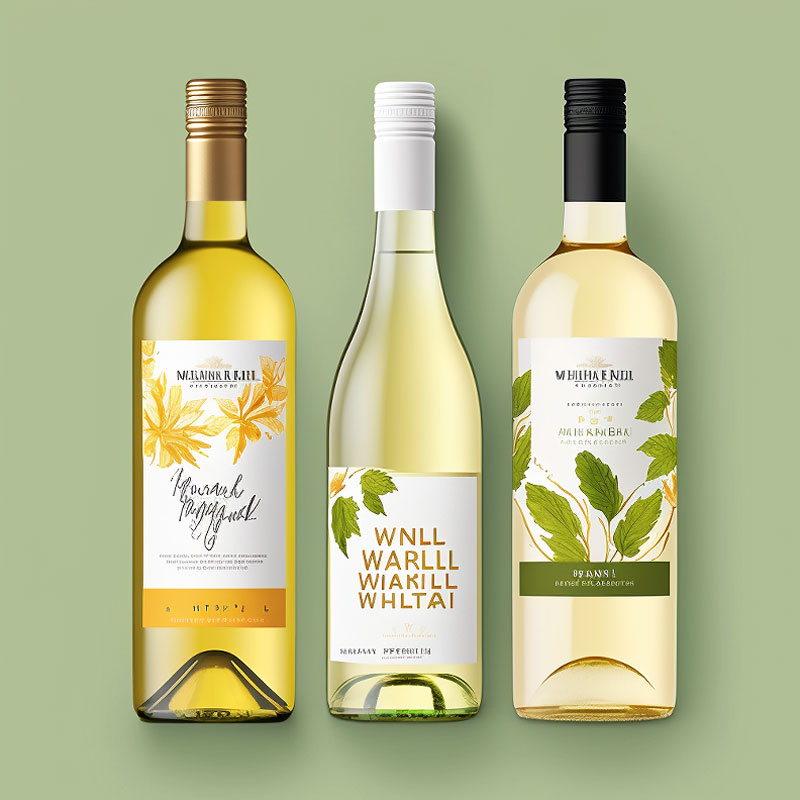 100gsm Martele Pattern Paper Wine Labelstock with Hot Melt AdhesiveThis textured cotton paper masks handling marks and offers tactile depth for premium wine packaging. Balanced for most bottling lines, it resists condensation and low temperatures, making it a reliable starting point.View Product →
The Martele pattern face stock is a proven choice for champagne because its textured surface masks handling marks and gives the tactile depth expected in premium wine packaging. At 100gsm with a hot melt adhesive, it is a balanced starting point for most champagne bottling lines.
Hot Melt vs Acrylic Adhesive for Champagne Bottles
Hot melt adhesive is the default for champagne labels because it forms a high-strength bond to glass at ambient application temperature.
Hot melt adhesive delivers high initial tack, which is critical on high-speed bottling lines where the label is applied and pressed in under a second. Acrylic adhesive has lower initial tack but superior water and ultraviolet resistance, which makes it suitable for bottles that remain in ice water for extended periods or sit on display shelves under direct light.
A real scenario we encounter regularly: a customer's label passes the adhesion test at 20 degrees Celsius, then delaminates when the bottle is pulled from an ice bucket at a restaurant opening. The root cause is an adhesive formulated for high-speed application, not for low-temperature water resistance. The fix is a water-resistant hot melt or a low-temperature acrylic adhesive paired with a cotton-based face stock.
| Adhesive type | Initial tack | Peel at 4 deg C | Water resistance | Best use case |
| Hot melt | High 12-18 N/25mm | Good 5-8 N/25mm | Moderate | Standard champagne bottling |
| Acrylic | Medium 6-10 N/25mm | Moderate 3-5 N/25mm | High | Cold fill, long ice exposure |
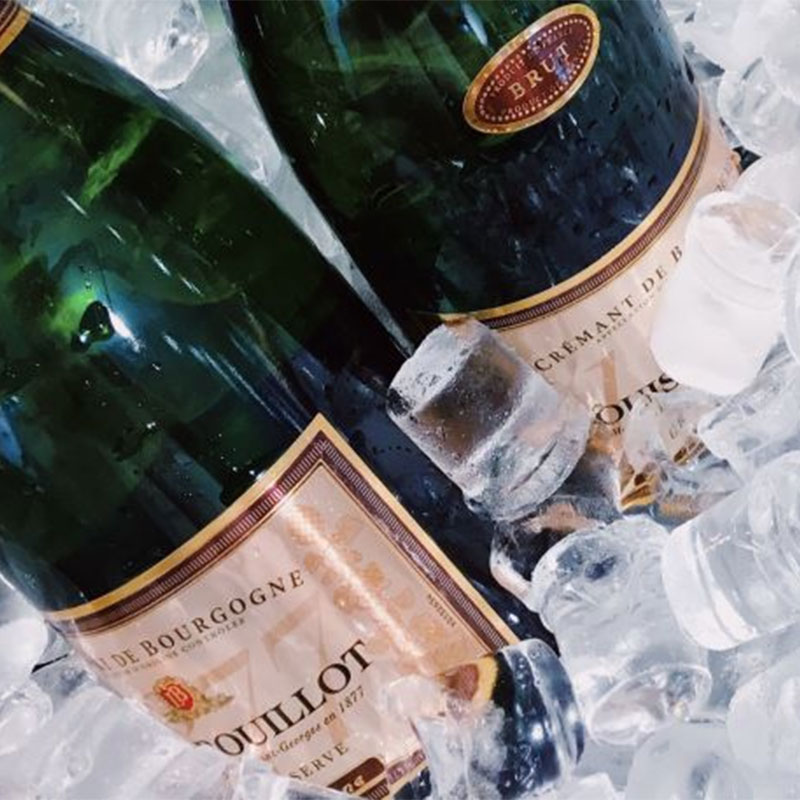 Ice Bucket-Proof Cotton Paper Labelstock for Wet ConditionsDesigned for champagne towers and cold environments, this wet-strength cotton paper holds adhesion even when bottles sweat. It prevents delamination in ice bucket and cellar conditions, ensuring label integrity.View Product →
Ice Bucketproof cotton paper addresses the exact failure mode of a bottle sweating in a champagne tower. The cotton fiber structure resists softening, and the hot melt coating holds the label to the glass even when the bottle surface is wet.
Paper vs Film Face Stock for Cold and Wet Conditions
For champagne, paper face stock remains the standard, but film offers a functional edge when water resistance is non-negotiable.
Paper face stock
Classic tactile look that consumers associate with heritage champagnes. Grammage range of 90-120gsm gives bulk and stiffness. Requires a protective coating or wet-strength treatment for ice contact. Best for brands that prioritize traditional shelf presence.
Film face stock
Fully waterproof and dimensionally stable in changing conditions. 50-75 micron offers lower bulk but high durability. Print side must be treated for adhesion and can feel synthetic. Best for export, ice bucket, and high-humidity retail environments.
The choice between paper and film for champagne labels is a choice between brand heritage and functional durability. Many luxury champagnes stay with paper, while sparkling wines sold in warm markets or large-format bottles increasingly use film. The key variable is the expected service environment. A champagne served and consumed within minutes can use a standard paper. A bottle that will sit in a display case or travel through a hot logistics chain needs a film or a heavily coated paper. In the broader food and beverage packaging category, material selection is dominated by cold chain and moisture control.
When the brand owner is located in a warm climate or the wine is sold through long export routes, a film face stock such as BOPP or PET can eliminate a range of failure modes that paper cannot. When the brand heritage matters more than logistics, a coated paper with a minimum wet strength of 20 percent is the safer choice.
Surface Finishes That Build Shelf Presence
The finish decides whether a champagne label catches light like a jewel or recedes into the glass like a watermark.
A matte or martele finish absorbs light and signals tradition. A pearl pattern shifts color under low light and reads as modern luxury. A metallic finish maximizes shelf impact in retail displays. The finish also affects durability: coated finishes protect against condensation, while uncoated papers can wick moisture and soften over time.
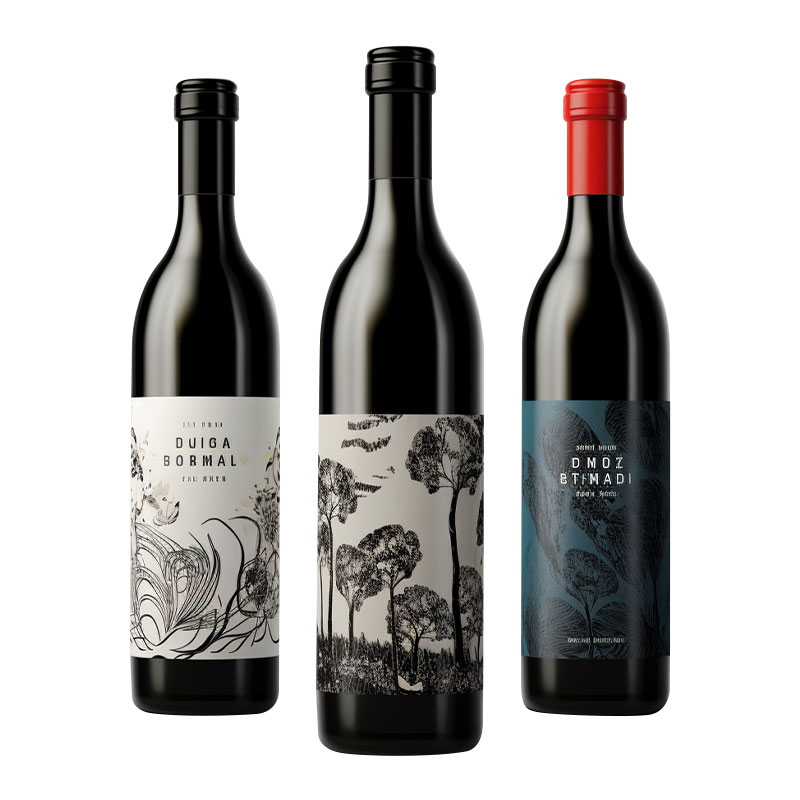 Pearl Slim Pattern Wine Labelstock with Iridescent FinishIridescent pearl particles and a delicate grid pattern shift under light, reading as modern luxury. Supports hot stamping and embossing, ideal for retail shelf impact without metallic lamination.View Product →
Pearl Slim pattern paper is specified when the brand wants an iridescent, light-shifting surface without the cost of a full metallic lamination. It pairs well with embossed logo work and reads as premium in both dim cellar lighting and bright retail shelves.
Delivering the correct finish requires the material supplier to control the coating weight and surface tension. A coating that is too thin will not protect the print from condensation. A coating that is too thick can dull the pearl effect and feel plasticky. The balance is achieved through production consistency, not through the sample stage.
Supplier Qualification Criteria for Champagne Label Stock
A qualified champagne label material supplier must demonstrate controlled grammage, documented adhesive testing, and consistent wet-strength data.
- Request wet-strength retention data with each batch, not just at the sample stage.
- Ask for cold-peel test results at 4 degrees Celsius and -5 degrees Celsius.
- Confirm the coating line can run both hot melt and acrylic adhesives with consistent viscosity.
- Verify the release liner is silicone-coated to prevent label curl and premature adhesive exposure.
- Check that monthly capacity can cover your peak bottling season without quality drift.
| Test | Standard | Acceptable value for champagne |
| Grammage | ISO 536 | Plus or minus 5 percent of target |
| Initial tack | FINAT FTM 9 | 12 N/25mm minimum |
| 180 degree peel at 4 deg C | FINAT FTM 1 | 5 N/25mm minimum |
| Wet strength | ISO 3376 | 20 percent minimum retention |
| Water contact angle | ASTM D7334 | 90 degrees minimum |
Shenzhen Johnson New Materials Co., Ltd. operates dedicated coating lines for hot melt and acrylic adhesives with a monthly capacity of 20 million square meters. Work with a label material supplier who can recommend an adhesive based on your fill temperature, line speed, and ice exposure time. A supplier with production experience will ask about the service environment first, not the print design.
A supplier whose test reports match the specification sheet is a supplier who can be trusted on the production line. If the material arrives with a label reading 100gsm but the actual weight is 92gsm, the entire label run is at risk.
Frequently Asked Questions
What is the best material for champagne labels?
The best champagne label material combines a 100-120gsm wet-strength face stock, a hot melt adhesive rated for low-temperature application, and a water-resistant finish such as a pearl or coated martele pattern.
Can champagne labels survive ice bucket immersion?
Yes, if the adhesive is water-resistant and the face stock has sufficient wet strength. Standard uncoated paper labels without a protective coating will delaminate within minutes in ice water.
Should champagne labels use hot melt or acrylic adhesive?
Hot melt adhesive is the standard for champagne bottles because it offers high initial tack at ambient application. Acrylic is preferred when sustained water contact or ultraviolet exposure is a concern.
What is wet strength retention and why does it matter?
Wet strength retention is the percentage of dry strength a face stock keeps after saturation in water. A minimum of 20 percent is the practical threshold for champagne labels that must survive ice immersion and condensation.
Your email address will not be published. Required fields are marked *
Contact Details
TEL: +86-15626470581
E-mail: sales@szjohnson.com
Location
Address: Building 1, Room 201, Zhijianeng High-tech Park, No. 65 Hongyin Road, Lihu Community, Xinhu Street, Guangming District, Shenzhen 518107, Guangdong Province, China
Get In Touch
Copyright © Shenzhen Johnson New Materials Co., Ltd. All Rights Reserved.
Wholesale Self Adhesive Paper Manufacturers Adhesive Label Roll Factory