
-
About Us
Why Choose Us?We are equipped with advanced high-speed adhesive coating lines, boasting a monthly production capacity of 20 million square meters. These machines support both hot melt and acrylic adhesive applications, enabling us to ensure fast delivery and consistent quality while meeting the diverse needs of the market. Our sales team works closely with you to fully understand your specific requirements.
 Coming From China, Marketing To The World.
 -
Solutions
Professional Label Material SolutionsAt Johnson, we understand that every industry faces unique labeling challenges. With 20 years of specialized expertise and strong R&D capabilities, we provide more than just materials — we deliver customized solutions that ensure “process compatibility, scenario suitability, and rapid delivery.
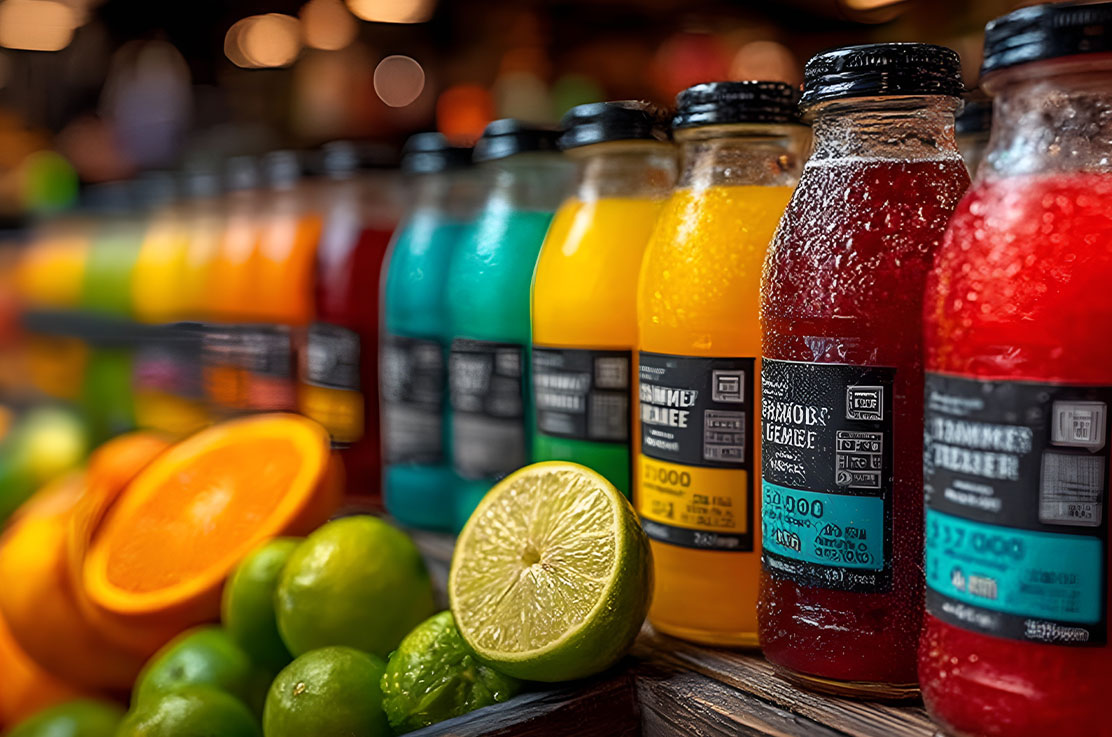



 Eco-Friendly Labels, Zero Compromise on Quality
 -
Products
SustainabilityIn the field of non-dry adhesive label materials, we don’t just "produce well"—we go further with environmental protection as our technical and ethical responsibility, turning every label into a "sustainable" carrier.

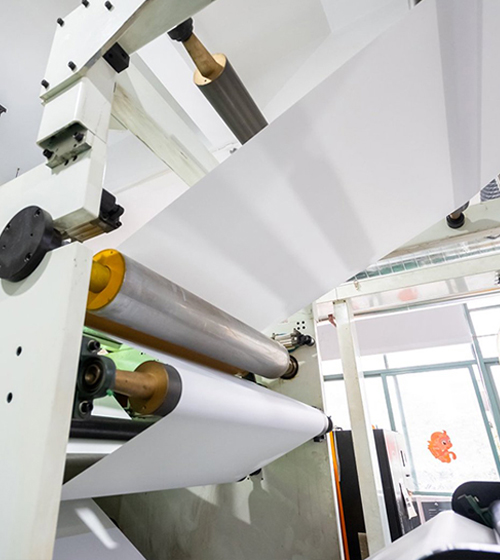 Eco-Friendly Labels, Zero Compromise on Quality
 -
News
 Wine Labelstock Invites You to Labelexpo Asia 2025
From December 2 to 5, 2025, Labelexpo Asia 2025, one of the most significant events in the global label and packaging printing industry, will take place at the Shanghai New International Expo Center. ...
 English
 русский
 Español
Thermal Cardboard Paper Suppliers: Choosing the Right Tag Stock for Your Labels
Content
You finally receive the 160gsm thermal cardboard samples locked in by a new supplier. The tags print cleanly on the first pass: high density, sharp text, no scratches. Ten days later, the same tags sit in a warm warehouse and the print has faded; the cardboard corners have curled upward, and a batch of self-adhesive tags has peeled off the polypropylene bags they were attached to. The material spec looked right on paper. The coating formulation, adhesive selection and process control were what let you down.
The conclusion is straightforward. When you buy thermal cardboard paper, you are not buying a commodity; you are buying a coated specialty substrate. The reliability of that coating determines whether your tags print well, survive the supply chain, and reflect well on your brand. This guide explains what separates good thermal cardboard from inadequate material, and how to evaluate suppliers before you commit to a volume order.
What Thermal Cardboard Paper Is and Where It Fits
Thermal cardboard is a stiff paper-based substrate with a heat-sensitive coating on the top surface. A thermal printhead applies localized heat, and the leuco dye and developer inside the coating react to form a dark image, usually black. Because the image is created by heat rather than ink or ribbon, direct thermal printing is fast, clean and inexpensive to operate.
The cardboard part matters because the substrate is thick enough to stand alone. Label paper at 70 to 80gsm needs a release liner and an adhesive layer to function; thermal cardboard at 130 to 180gsm behaves more like a card. It can be printed, die-cut and used as a hang tag, price ticket, product identifier or self-adhesive tag.
Thermal cardboard appears in more places than buyers often realize: apparel hang tags, retail price tickets, shelf-edge labels, produce tags, warehouse identification cards and logistics labels. Each application stresses the material differently, so the right grade depends on how the tag is printed, how it is attached and how long it must stay legible.
The Specifications That Separate Good Thermal Cardboard from Poor Material
Three specifications do most of the work: grammage, coating chemistry and the adhesive system. A fourth factor, the consistency of all three across production batches, is what a reliable supplier controls best.
Grammage and Stiffness
Grammage determines the tag's stiffness, its feel and how it behaves on a printing line. The practical range for thermal cardboard is roughly 130gsm to 180gsm, and the difference is noticeable in the hand. A 130gsm sheet folds easily, which suits small price tickets and produce tags that must bend around stems or clips. A 180gsm grade is noticeably rigid, so it stands upright on a shelf and survives repeated handling, but it needs careful die-cut geometry to release cleanly from the die. In between, 160gsm is a common choice for apparel hang tags because it balances rigidity with ease of conversion.
For a 130gsm thermal cardboard tag material, the key quality indicator is consistent caliper across the roll. If the base paper varies in thickness, the printhead delivers uneven pressure and image density fluctuates line by line.
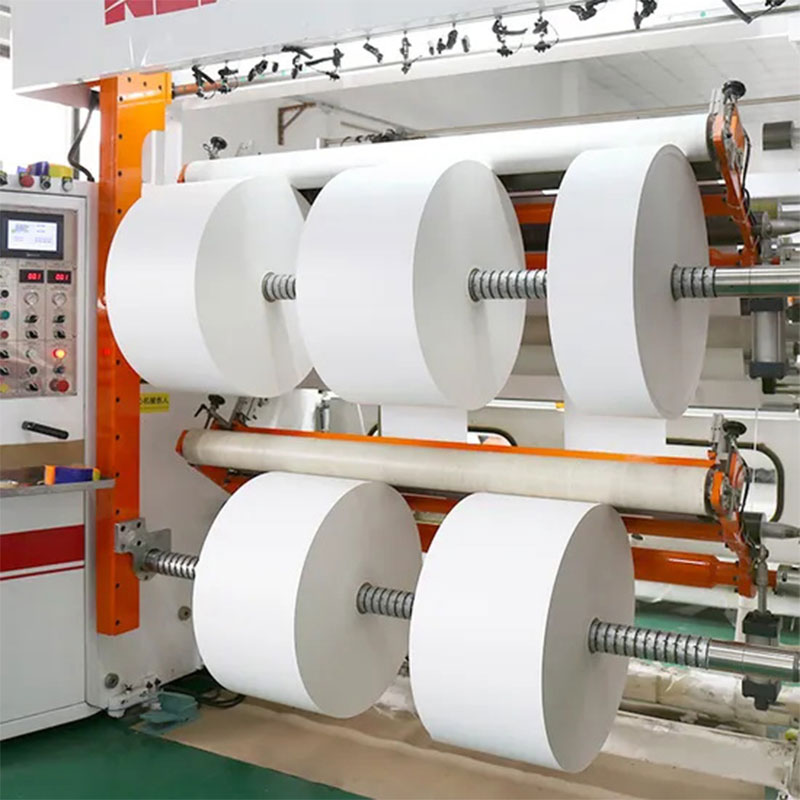 Thermal Cardboard Paper PN093L – 130gsm Thermal Cardboard Suppliers, FactoryShenzhen Johnson New Materials Co., Ltd is China Custom Thermal Cardboard Paper PN093L – 130gsm Thermal Cardboard Suppliers and top Facto...View Product →
| Grammage | Typical applications | Handling characteristics |
|---|---|---|
| 130gsm | Produce tags, small price tickets, book tags | Flexible; folds and twists without cracking |
| 160gsm | Apparel hang tags, retail pricing, identification tags | Firm; holds shape but converts easily |
| 180gsm | Premium hang tags, durable product IDs, inventory cards | Rigid; resistant to bending and edge wear |
Coating Sensitivity and Image Stability
The thermal coating determines three things: how little heat is needed to produce a dense image, how resistant that image is to fading, and how much residue the coating leaves on the printhead. A high-quality top coating produces clean text at lower printhead energy, which extends printhead life and reduces downtime. More important, the coating should resist the common enemies of thermal print: heat above about 50 degrees Celsius, direct sunlight and plasticizers found in PVC films and certain inks. If a supplier cannot document fade resistance under those conditions, treat the coating as unverified.
Also check whether the material is designed for the printer in your line. Some thermal cardboards are optimized for desktop and mobile label printers; others are engineered for high-speed industrial conversion. Testing the supplier's grade on your own equipment is non-negotiable.
Adhesive and Backer Options
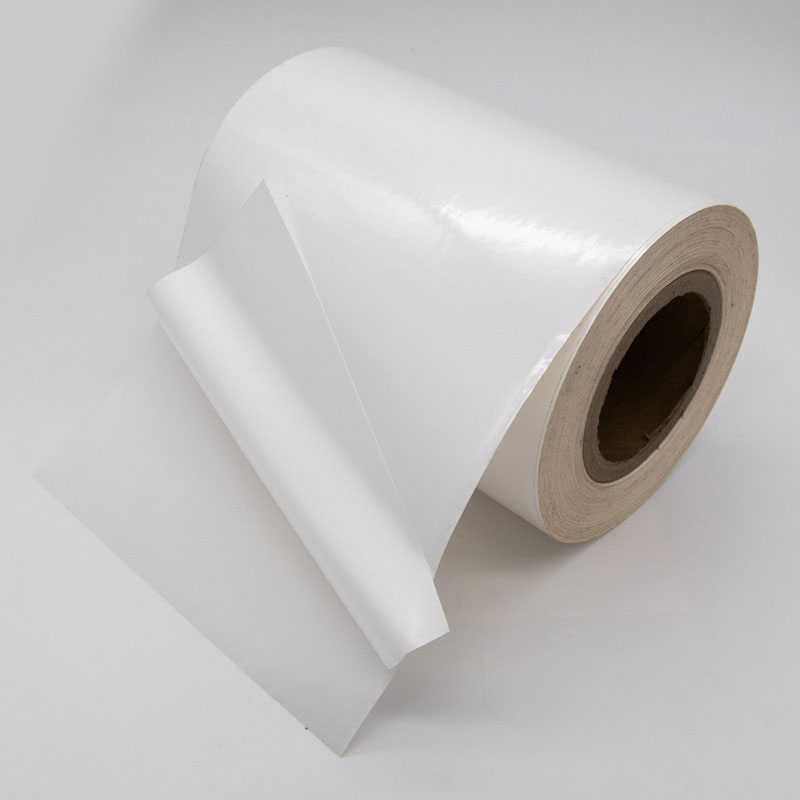
Not all thermal cardboard tags carry adhesive, but many do. Self-adhesive hang tags, produce labels and logistics labels are all common. When adhesive is required, the choice usually comes down to hot melt versus acrylic. Hot melt adhesives deliver high initial tack and bond quickly to cardboard, paper and many plastics at room temperature, which is why they are the economical default. Acrylic adhesives cost more but hold up better in cold chains, in direct sunlight and on low-surface-energy plastics such as PE and PP. For a tag that must stay attached to a frozen food bag or a reusable crate, the acrylic version is the safer call.
If you need removable tags, for example promotional tickets that should peel off cleanly, confirm the supplier offers a removable adhesive rather than a permanent one. The same face paper with a different adhesive can change the user experience completely.
What to Verify About a Thermal Cardboard Supplier
The product specification is only half the story. The supplier's manufacturing setup determines whether you receive the same material consistently, whether it can be adjusted when needed, and whether your inventory arrives on time. Three checks matter most.
In-House Coating Versus Trading
A supplier that operates its own coating line can control the base paper, the coating formulation, the drying profile and the adhesive lamination in one process. A trader can only pass on what a mill gives them, which means you inherit their quality variation without any way to fix it. The difference shows up in the two most common defects: coating mottle, an uneven image density caused by inconsistent coat weight, and curl, caused by tension mismatch between the coating and the base paper. Both are more likely when the coater and the base paper supplier are separate businesses. Ask directly whether the coating is done in-house, and ask how coat weight is controlled. A serious manufacturer will answer with measurements, not promises.
The scale question matters too. A manufacturer running dedicated coating lines at a monthly capacity in the range of 20 million square meters, with both hot melt and acrylic capability, can serve customers with consistent turnaround. A single-line producer or a trading desk lacks that flexibility when your application demands a different adhesive or a higher coat weight. The company background and manufacturing details should describe the production equipment openly rather than leaving the question unanswered.
Technical Support and Customization
Thermal cardboard is rarely an off-the-shelf purchase done right. A packaging manager may need a specific opacity to prevent the tag backing from showing through, a colored base for a brand look, a water-resistant top coat, or a deadening pattern for clean die-cutting at high speed. The supplier that can tailor the formulation, rather than selling whatever is on the shelf, is the one that solves the problems that actually cost you money. Ask about minimum orders for custom grades and about testing lead times before you actually need them.
Delivery and Order Flexibility
Demand for thermal cardboard is cyclical. Retail promotions, seasonal packaging runs and new product launches all create spikes. A supplier with large monthly capacity can smooth those spikes, while a smaller operation may leave you waiting for a consolidated shipment. Confirm the capacity, the lead time for the exact grade you need, and the policy on partial shipments. A 160gsm or 180gsm thermal cardboard grade that takes eight weeks to arrive may force you to buy an inferior substitute at the last minute.
 Thermal Cardboard PN096L – 180gsm Thermal Cardboard Suppliers, FactoryShenzhen Johnson New Materials Co., Ltd is China Custom Thermal Cardboard PN096L – 180gsm Thermal Cardboard Suppliers and top Factory,P...View Product →
Matching Thermal Cardboard to Your Application
Different end uses stress thermal cardboard in different ways. The grammage, coating and adhesive should follow the application, not the other way around.
Hang Tags and Retail Price Tickets
Apparel hang tags and retail price tickets are handled constantly. They are folded, punched and hung on rails, so the tag needs enough stiffness to stay flat and enough tear resistance to survive a customer's casual pull. A 160gsm self-adhesive thermal cardboard covers most retail cases: firm enough for a clean shape, strong enough to hang, and versatile enough to double as a label when a product is folded or bagged.
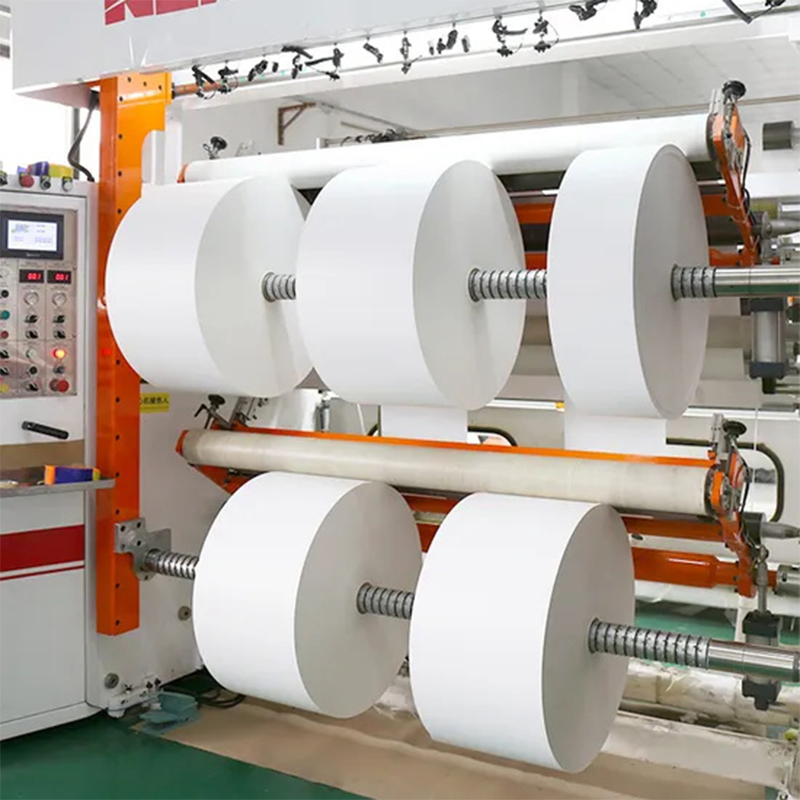 Thermal Cardboard Paper PN094L– 160gsm – PN094LThermal Cardboard Suppliers, FaShenzhen Johnson New Materials Co., Ltd is China Custom Thermal Cardboard Paper PN094L– 160gsm – PN094LThermal Cardboard Suppliers and ...View Product →
Logistics and Perishable Tags
Warehouse temperature stickers, crate tags and perishable produce tags face moisture, cold and rough handling. A flexible 130gsm grade that can wrap the stem of a fruit cluster or a crate handle is often the practical answer. In perishable environments, the coating must survive condensation, and if the tag carries a barcode, that barcode must stay readable after a night in refrigeration. Testing the material in your actual storage conditions before the full production order is the only reliable way to validate this.
Suppliers that understand these workflows tend to organize their offer around industries rather than only by material family. Look for a manufacturer that treats food and beverage, logistics labeling and retail as distinct application areas. That division usually reflects the technical questions they have answered before.
Food and Beverage Tags
Food applications add two constraints: regulatory compliance for direct and indirect food contact, and the behavior of the material in a cold chain. If your thermal cardboard will touch food, even indirectly, confirm the supplier's position on food-contact compliance. For cold-chain tags, the main failure mode is adhesive freezing. A hot melt that holds perfectly at 20 degrees Celsius can become brittle and release at minus 18. An acrylic system or a specifically formulated cold-resistant adhesive is the standard fix.
Produce tags, in particular, are printed close to the point of packing, so the material must feed reliably through small thermal label printers at high speed. Suppliers with a food and beverage application track record will know which base paper caliper minimizes jams and which coating keeps the printhead clean.
A Practical Checklist Before You Commit
To keep a thermal cardboard purchase from turning into an expensive field test, run the material through these five checks before confirming the full order:
- Print a barcode and a fine text block at your lowest acceptable printhead energy; measure image density on samples taken from the start, middle and end of a roll.
- Expose the printed tags to your typical warehouse temperature, indirect sunlight and, if relevant, PVC shrink wrap for 72 hours, then compare the image density with a control sample kept in the dark.
- Apply self-adhesive tags to the actual substrate you use, a PE bag, glass, corrugated box or frozen film, and test at your minimum and maximum operating temperatures.
- Check curl and flatness: lay an A5-sized tag on a flat table and measure how far the corners lift after 24 hours at 50 percent relative humidity.
- Run a die-cutting and stripping test at the production speed you plan to use, not at a cautious technician's pace.
If a prospective supplier hesitates on any of these tests, that hesitation is information. A manufacturer with in-house coating capability knows its material can pass the scrutiny and welcomes it. The supplier that delivers the most value is the one that treats grammage, coating and adhesive as a system, and that can adjust that system to the environment your tags will actually live in.
Your email address will not be published. Required fields are marked *
Contact Details
TEL: +86-15626470581
E-mail: sales@szjohnson.com
Location
Address: Building 1, Room 201, Zhijianeng High-tech Park, No. 65 Hongyin Road, Lihu Community, Xinhu Street, Guangming District, Shenzhen 518107, Guangdong Province, China
Get In Touch
Copyright © Shenzhen Johnson New Materials Co., Ltd. All Rights Reserved.
Wholesale Self Adhesive Paper Manufacturers Adhesive Label Roll Factory