What Is Kraft Release Paper and Why Is It Essential for Adhesive Applications?
As adhesive technologies continue to evolve, the demand for stable, reliable, and high-performance release liners has grown significantly. Kraft release paper has become one of the most widely used release materials because it combines excellent mechanical strength with consistent release performance. By applying a precisely controlled silicone coating to kraft paper, manufacturers create a release liner that protects adhesive surfaces during storage, transportation, die-cutting, and application while ensuring clean and predictable release when needed.
Whether used in labels, medical products, industrial tapes, or electronic components, silicone coated kraft paper plays an essential role in maintaining adhesive quality, improving production efficiency, and reducing material waste. Selecting the appropriate release paper is therefore an important step in designing reliable adhesive products.
What Is Kraft Release Paper?
Kraft release paper is a specialty paper produced from high-strength kraft pulp and coated with a silicone release layer on one or both sides. The silicone coating creates a low surface energy barrier, preventing pressure-sensitive adhesives from permanently bonding to the paper while allowing smooth and controlled separation during use.
Compared with ordinary kraft paper, release paper offers significantly improved peel consistency, dimensional stability, and surface smoothness. These characteristics make it suitable for precision converting operations that require accurate die-cutting, laminating, slitting, and automatic dispensing.
Common product categories include:
| Product Type |
Main Features |
Typical Applications |
| Brown Kraft Release Paper |
High strength, economical, durable |
Industrial tapes, packaging, protective films |
| White Silicone Kraft Paper |
Clean appearance, smooth surface, excellent printability |
Labels, medical products, premium packaging |
| Single-Side Silicone Coated Kraft Paper |
Adhesive protection on one side |
Self-adhesive labels, transfer applications |
| Double-Side Silicone Coated Kraft Paper |
Dual release capability |
Double-sided tapes, composite materials |
How Does Silicone Coated Kraft Paper Work?
The key function of silicone coated kraft paper lies in its silicone release coating. Silicone creates a chemically inert surface with extremely low adhesion, allowing pressure-sensitive adhesives to remain intact without transferring onto the liner.
During production, the adhesive bonds securely to the product surface rather than the release liner. When the liner is removed, the adhesive separates cleanly without tearing, residue, or contamination.
This controlled release mechanism provides several important advantages:
- Protects adhesive surfaces before application
- Maintains consistent adhesive performance
- Prevents contamination during storage
- Supports automated labeling equipment
- Enables accurate die-cutting and converting
The result is higher manufacturing efficiency and improved finished product quality.
Why Is Kraft Release Paper Preferred for Adhesive Applications?
Choosing the right release liner directly influences both manufacturing efficiency and product performance. Kraft release paper remains one of the industry’s preferred solutions because it delivers a balanced combination of mechanical strength, release stability, and processing compatibility.
High Mechanical Strength
Kraft paper possesses excellent tensile strength and tear resistance, allowing it to withstand high-speed converting operations without deformation or breakage.
Stable Release Performance
The silicone coating provides uniform release force across the entire paper surface, ensuring predictable separation regardless of production speed.
Excellent Dimensional Stability
Quality release liners maintain their shape under varying humidity and temperature conditions, minimizing registration errors during printing and die-cutting.
Wide Printing Compatibility
Modern release liners support numerous printing technologies, including flexographic, offset, UV, digital, screen printing, and inkjet systems.
Reliable Processing Performance
Stable paper structure contributes to smoother:
- Laminating
- Slitting
- Die-cutting
- Matrix stripping
- Automatic dispensing
Comparison of Common Release Liner Materials
Different release liner materials offer different performance characteristics depending on application requirements.
| Material |
Strength |
Release Stability |
Printability |
Typical Applications |
| Kraft Release Paper |
Excellent |
Excellent |
Excellent |
Labels, tapes, industrial adhesives |
| Glassine Release Paper |
Very smooth |
Excellent |
Good |
Premium labels, pharmaceutical labels |
| PE-Coated Release Paper |
Moisture resistant |
Good |
Moderate |
Waterproof products |
| Film Release Liner |
High dimensional accuracy |
Excellent |
Limited |
Electronic and optical applications |
Among these options, kraft release paper offers an excellent balance between cost, strength, and converting efficiency, making it suitable for a wide range of industries.
Typical Applications of Kraft Release Paper
The versatility of silicone coated kraft paper allows it to serve numerous adhesive-based manufacturing sectors.
Self-Adhesive Labels
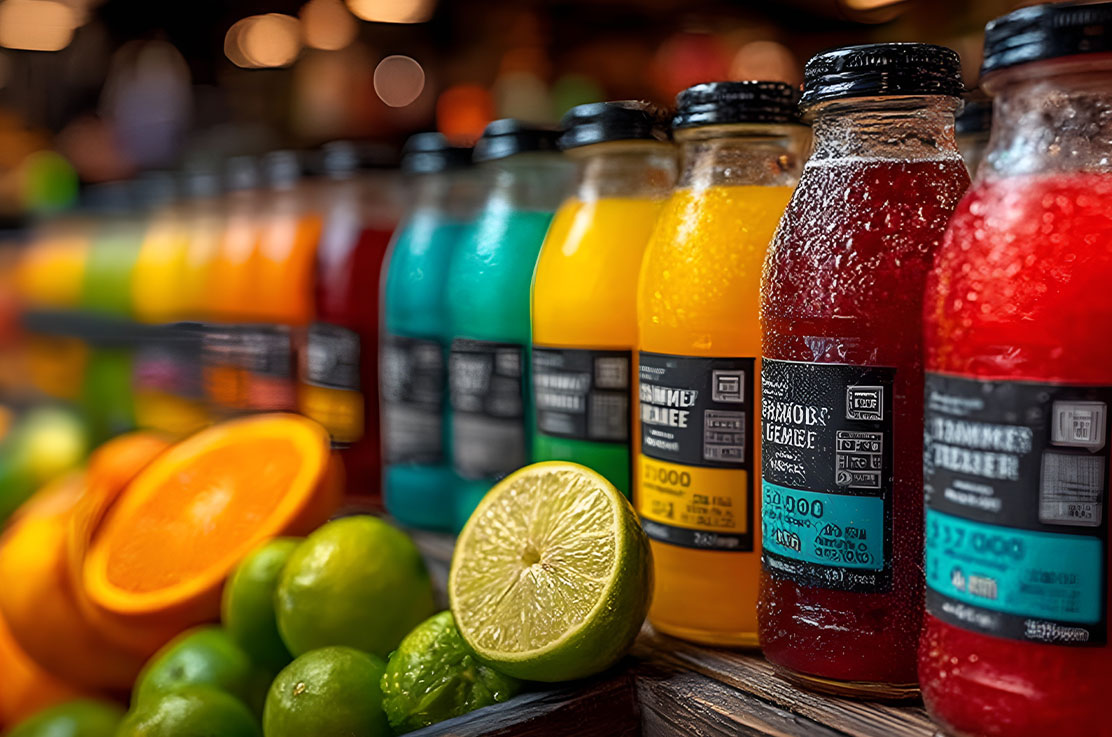
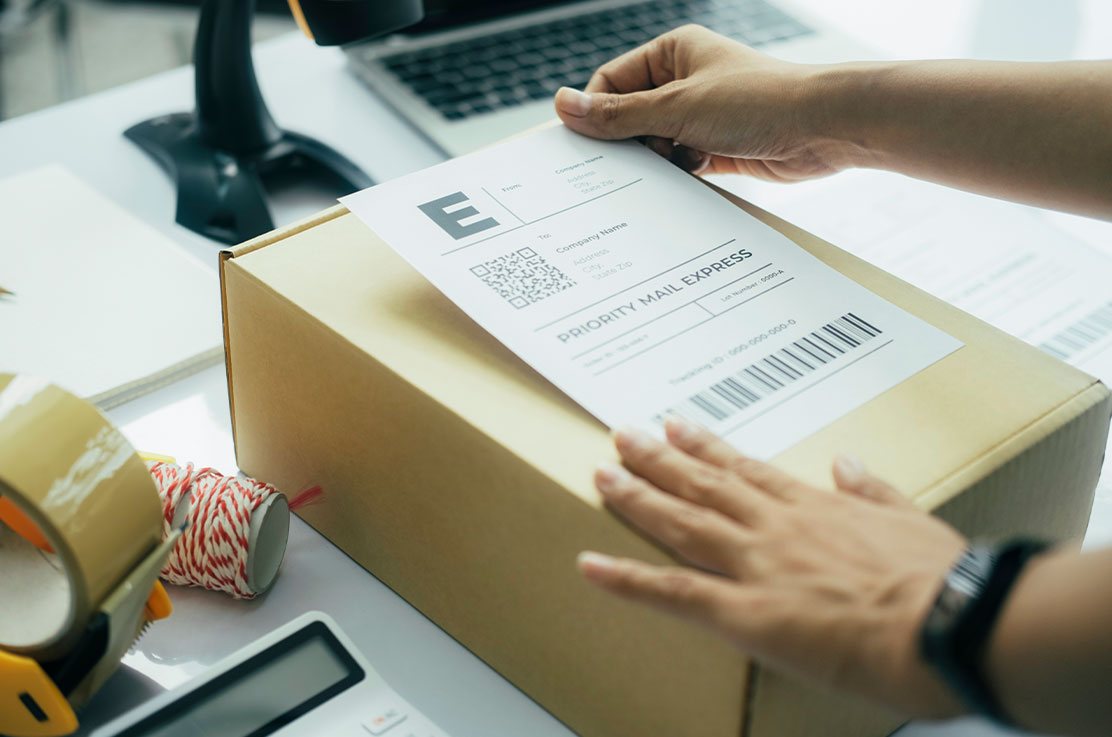
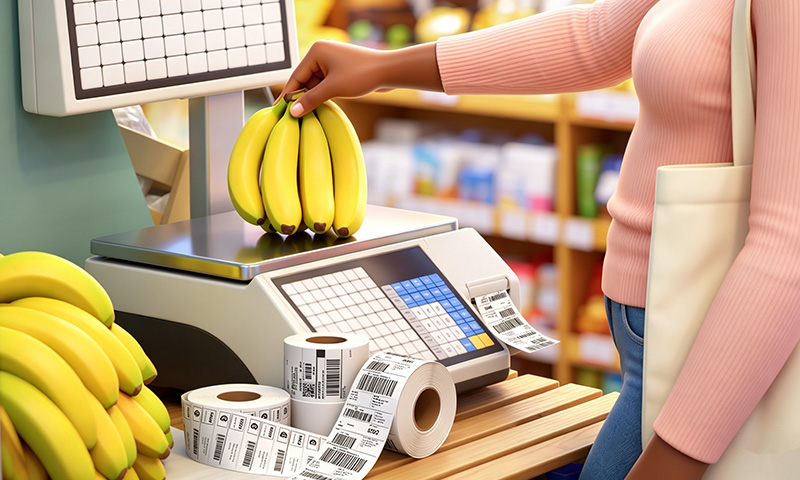
Release liners protect label adhesives during printing, transportation, and automatic labeling while ensuring smooth dispensing.
Industrial Adhesive Tapes
Single-sided and double-sided tapes rely on release paper to maintain adhesive integrity until installation.
Medical Products
Medical dressings, surgical tapes, and healthcare adhesive products require clean release surfaces that minimize contamination risks.
Electronics Manufacturing
Protective films, insulation materials, and precision adhesive components use release liners to maintain dimensional accuracy during assembly.
Protective Films
Release liners help preserve adhesive coatings on protective films used for glass, metal, plastics, and electronic displays.
Why Does White Silicone Kraft Paper Continue to Gain Popularity?
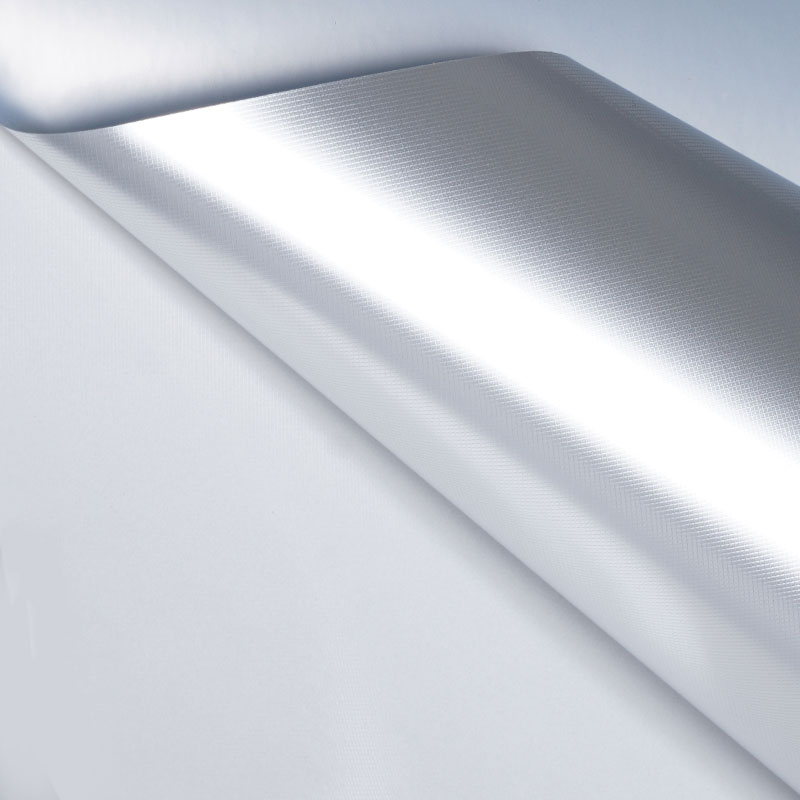
While traditional brown kraft paper remains widely used, white silicone kraft paper has become increasingly popular in premium applications.
Its bright, uniform appearance enhances product presentation while providing improved print quality for identification marks, production information, and traceability systems.
Additional advantages include:
- Smooth paper surface
- Excellent printing definition
- Stable silicone coating
- High cleanliness
- Suitable for premium labels and packaging
These characteristics make it especially valuable where both functionality and appearance are important.
Important Factors When Selecting Kraft Release Paper
Selecting the appropriate release liner requires evaluating multiple technical factors rather than focusing on paper weight alone.
Consider the following aspects:
| Selection Factor |
Why It Matters |
| Release Force |
Matches adhesive characteristics |
| Paper Weight |
Influences stiffness and processing |
| Silicone Coating Quality |
Determines release consistency |
| Surface Smoothness |
Improves coating uniformity |
| Tensile Strength |
Supports high-speed converting |
| Printing Compatibility |
Ensures production flexibility |
Matching these parameters with adhesive formulations helps maximize manufacturing efficiency and product consistency.
Manufacturing Quality Makes the Difference
Consistent release performance depends not only on raw materials but also on advanced coating technology and quality control.
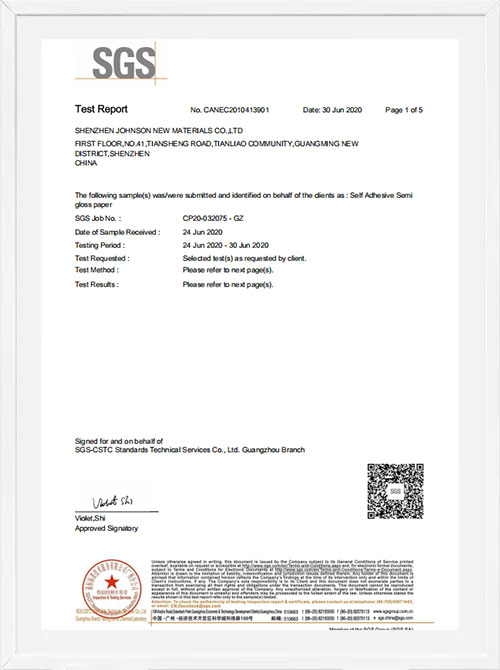
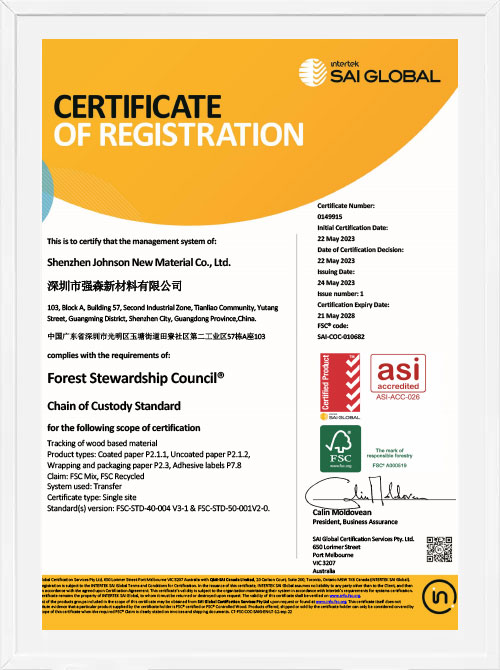
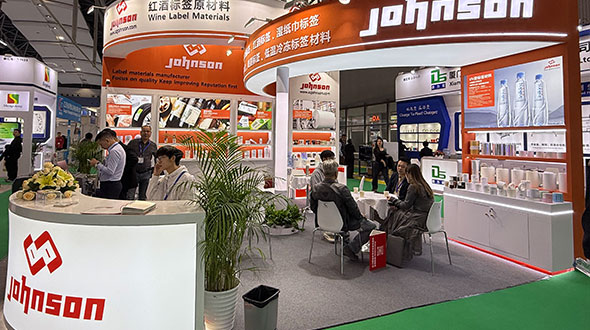
Shenzhen Johnson New Materials Co., Ltd. specializes in developing and producing label materials suitable for multiple printing technologies, including flexography, offset, screen printing, silk-screen, UV rotary, digital printing, and inkjet printing. Its products are widely applied across food, beverage, cosmetics, pharmaceuticals, electronics, and logistics industries.
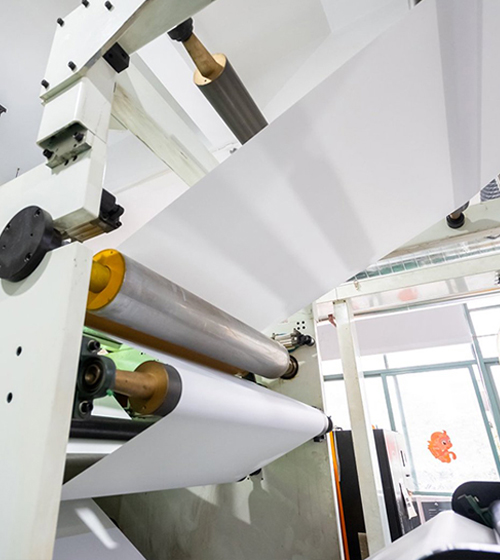
JOHNSON operates advanced high-speed adhesive coating lines with a monthly production capacity of approximately 20 million square meters. Supporting both hot melt and acrylic adhesive systems, these production capabilities help deliver stable product quality, efficient manufacturing, and reliable delivery schedules. By working closely with customers to understand specific application requirements, the company provides release liner solutions tailored to diverse converting and labeling needs.
Conclusion
As adhesive products become more sophisticated, the performance requirements placed on release liners continue to increase. Kraft release paper remains an essential material because it combines high strength, reliable release characteristics, excellent converting performance, and broad application compatibility.
Whether selecting standard silicone coated kraft paper for industrial production or white silicone kraft paper for premium labeling applications, choosing the appropriate release liner contributes directly to manufacturing efficiency, product consistency, and long-term adhesive performance.
FAQ
1. What is the difference between kraft release paper and ordinary kraft paper?
Ordinary kraft paper does not include a silicone release coating and will readily bond to pressure-sensitive adhesives. Kraft release paper is silicone coated, allowing adhesives to separate cleanly without residue.
2. Why is silicone coating important on release paper?
The silicone coating creates a low-adhesion surface that protects adhesives while providing controlled release during application, die-cutting, and converting.
3. Where is white silicone kraft paper commonly used?
White silicone kraft paper is widely used for premium labels, medical products, cosmetics packaging, pharmaceutical labeling, and high-quality adhesive products that require a clean appearance and excellent printability.
4. How do I choose the right silicone coated kraft paper?
Selection should be based on adhesive type, required release force, paper weight, converting process, printing method, and environmental conditions to ensure optimal performance.
5. Can kraft release paper support multiple printing methods?
Yes. High-quality kraft release paper is compatible with various printing technologies, including flexographic, offset, screen printing, UV rotary, digital printing, and inkjet printing, making it suitable for a wide range of labeling and packaging applications.




 English
 русский
 Español