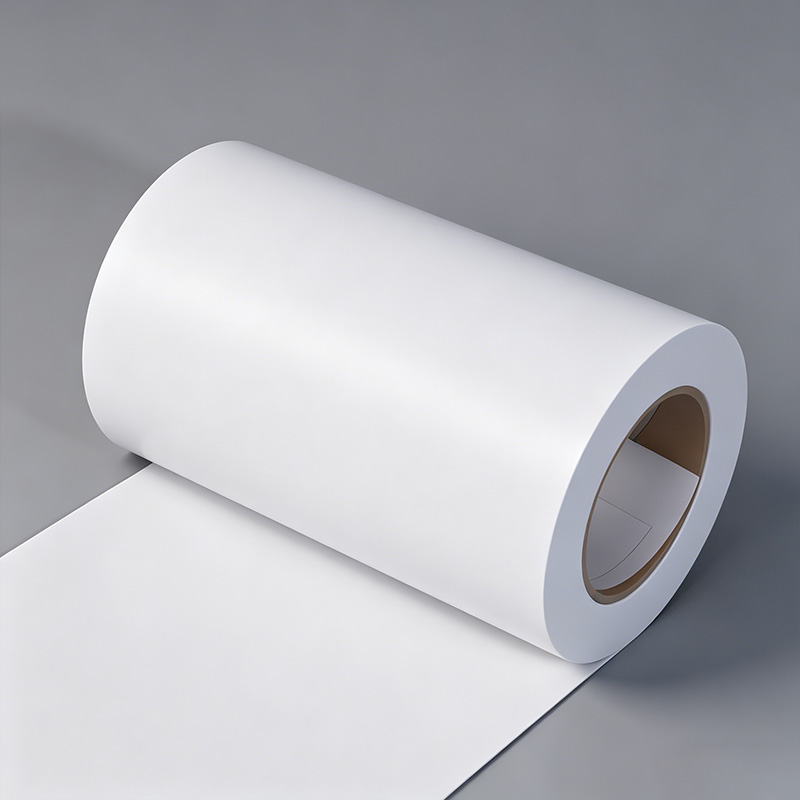
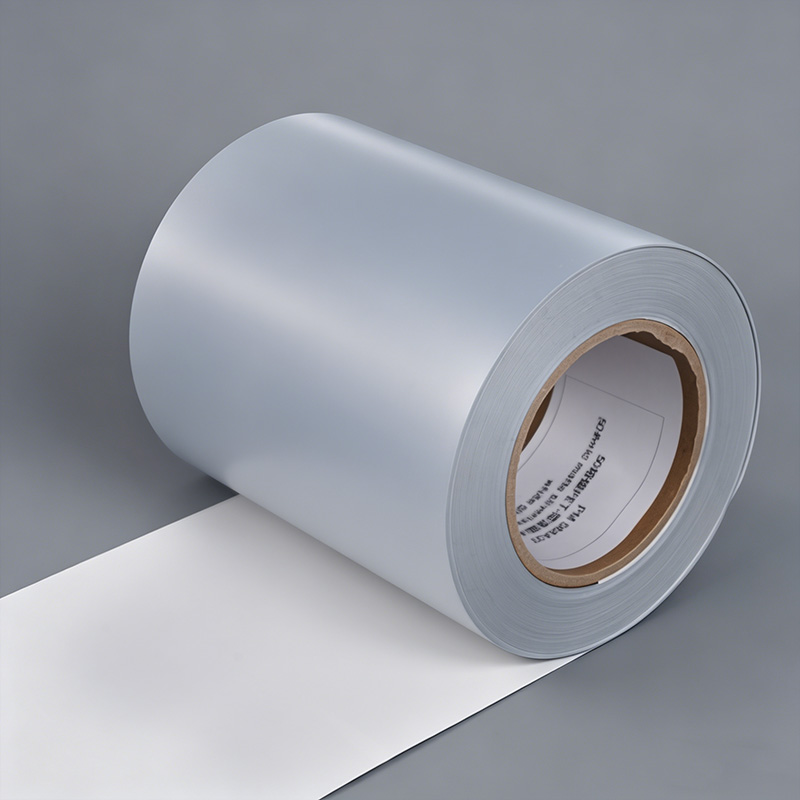
What technical specifications should high-quality inkjet printable label materials possess?
Against the backdrop of continuous upgrading in the label printing industry, inkjet printable label materials are rapidly replacing traditional materials, becoming a crucial choice for industries such as food, daily chemicals, pharmaceuticals, and logistics. With the increasing demand for personalized packaging and small-batch, multi-batch production, inkjet printing places higher demands on the adaptability of label materials, driving technological innovation across the entire PSA self-adhesive label material system.
I. Inkjet Printing Trends Drive Label Material Upgrades
In recent years, digital printing technology has rapidly gained popularity, especially inkjet printing, which, with its advantages of flexibility, high efficiency, and variable data output, occupies an increasingly important position in the label field.
Compared to traditional flexographic or offset printing, inkjet printing eliminates the need for plate making, enabling rapid proofing and on-demand production, making it ideal for e-commerce packaging, customized labels, and short-run orders. However, the realization of this advantage is highly dependent on the surface coating and ink absorption structure design of the inkjet printable label materials.
Uneven ink absorption can lead to image diffusion or poor drying; insufficient surface energy will affect ink adhesion. This makes high-performance inkjet label materials a crucial link in the entire industry chain.
II. Core Performance Requirements of Inkjet Printable Label Materials
High-quality inkjet printable label materials typically need to meet several key indicators:
Ink absorption speed and clarity
The material surface coating must have a uniform microporous structure, allowing ink to quickly penetrate and fix, thus preventing smudging.
Drying performance
Efficient drying not only improves printing efficiency but also reduces subsequent processing waiting time, making it particularly suitable for high-speed production lines.
Adhesion stability
Label materials need to maintain stable adhesion on various substrates, including cardboard boxes, plastic bottles, glass, and metal surfaces.
Weather resistance
This includes water, oil, and abrasion resistance to adapt to complex logistics and warehousing environments.
III. Expanding Application Scenarios
Inkjet printable label materials are widely used in multiple industries.
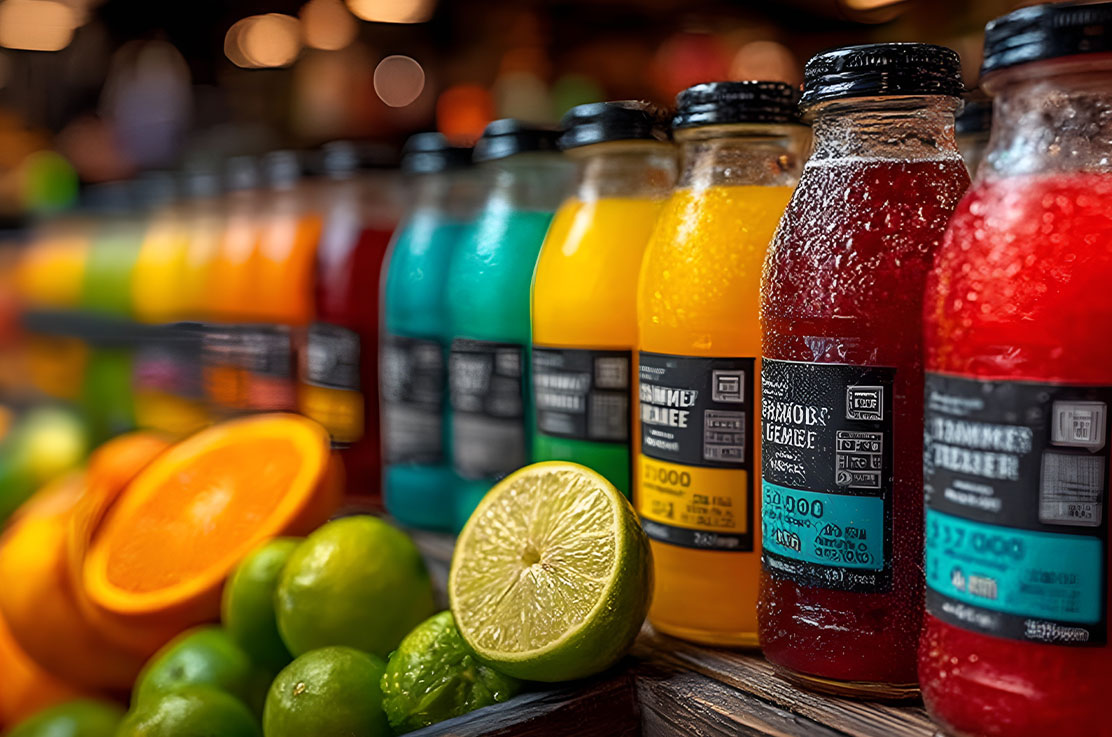
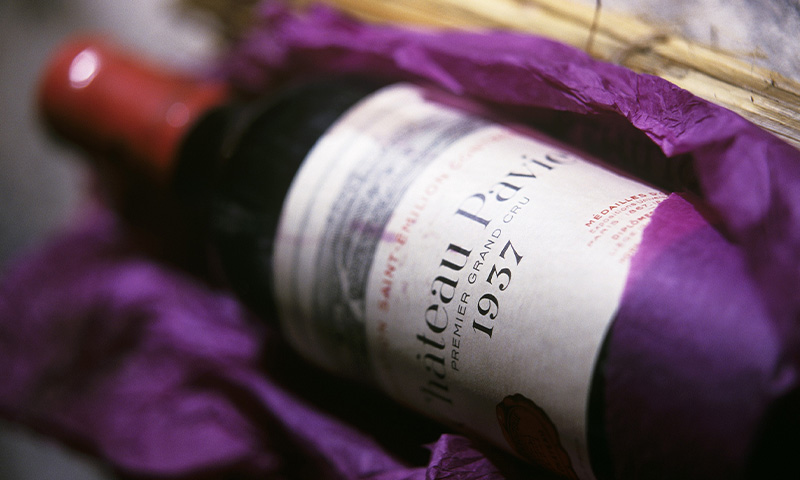
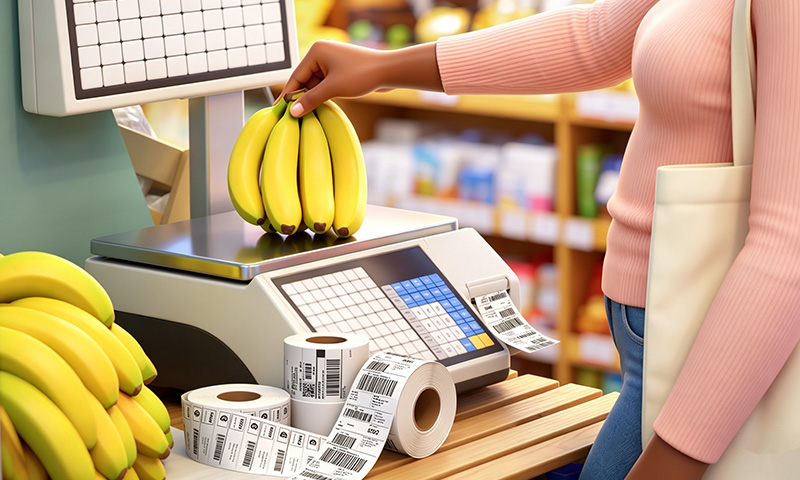
In the food and beverage industry, it is used for batch information labels, nutrition facts labels, and promotional change labels.
In the cosmetics industry, it supports short-run customization and multi-version design for high-end packaging, enhancing brand visual flexibility.
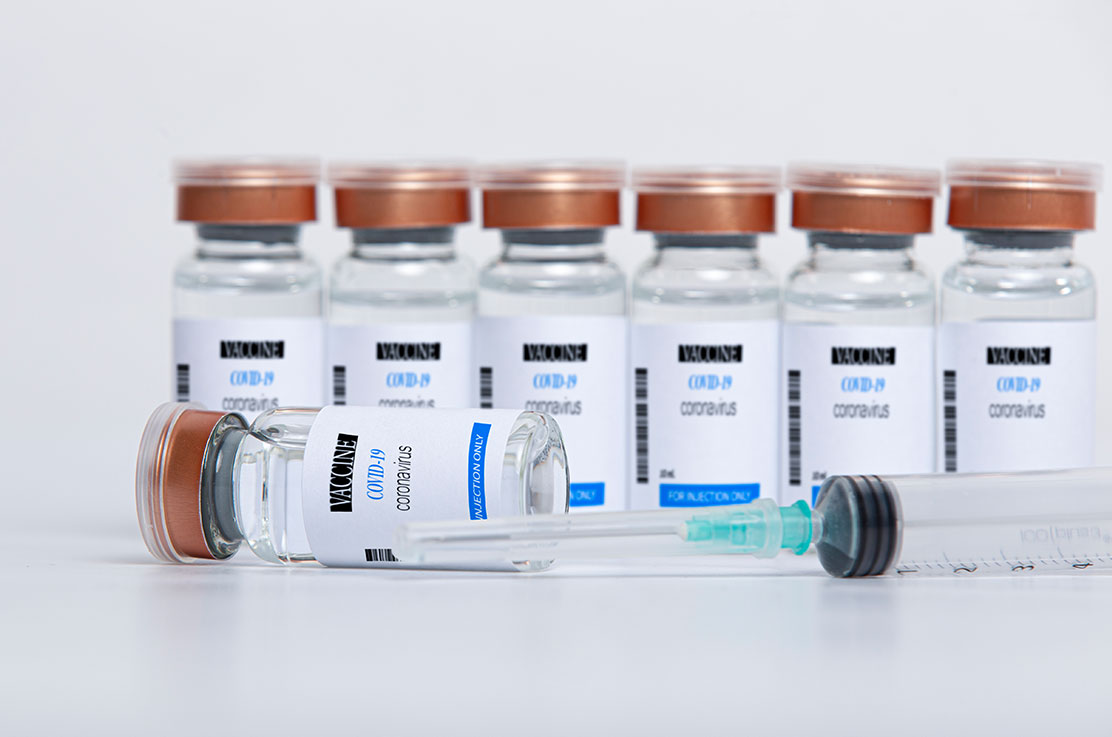
In the pharmaceutical industry, inkjet labels enable precise traceability printing, enhancing safety and compliance.
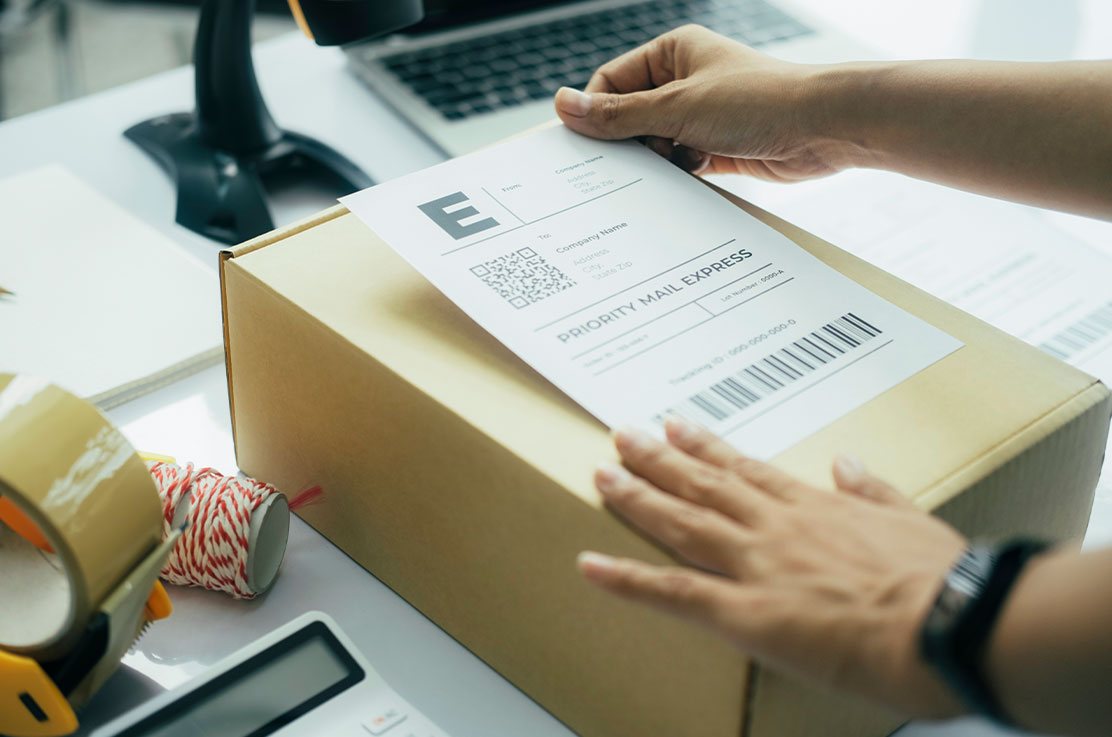
In logistics and e-commerce, the demand for variable QR codes and barcode labels continues to grow, making inkjet materials a frequently used choice.
In the electronics and industrial component sectors, their clear printing and durability also play a crucial role.
IV. Professional Advantages of Shenzhen Johnson New Materials Co., Ltd.
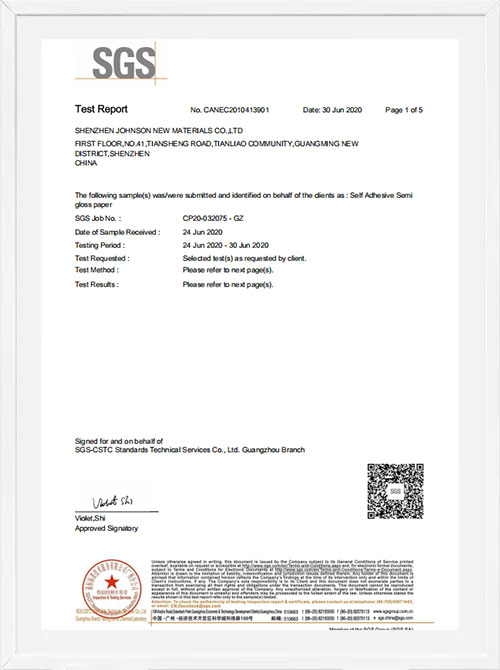
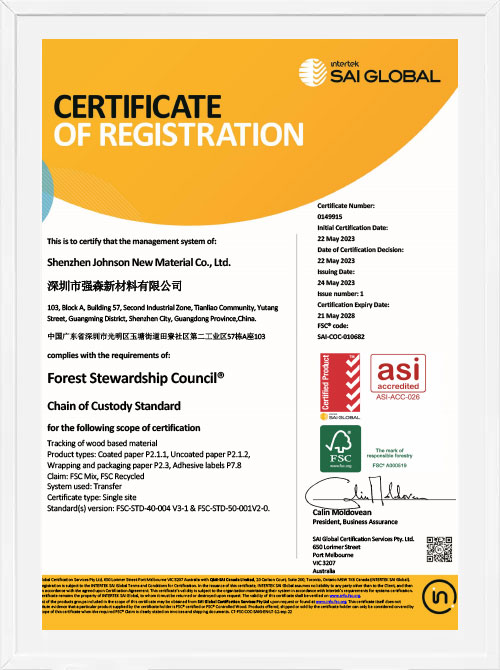
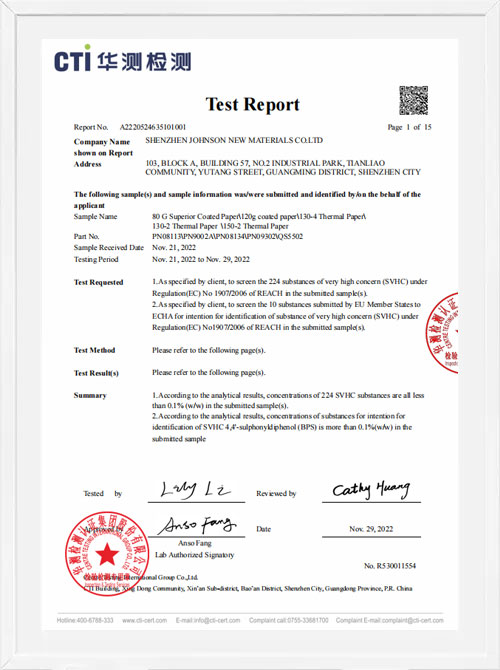
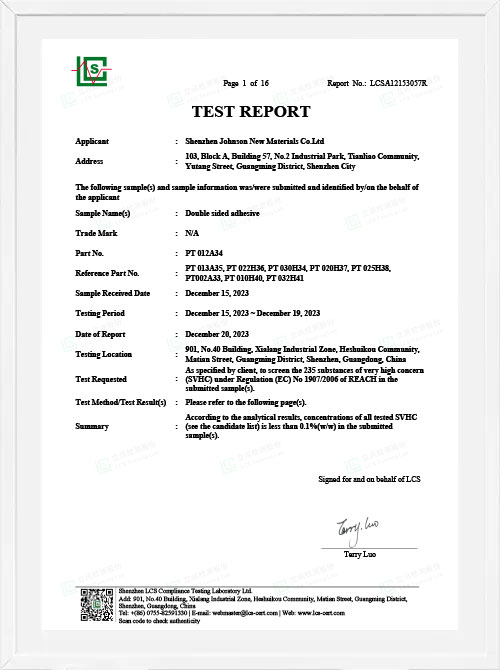
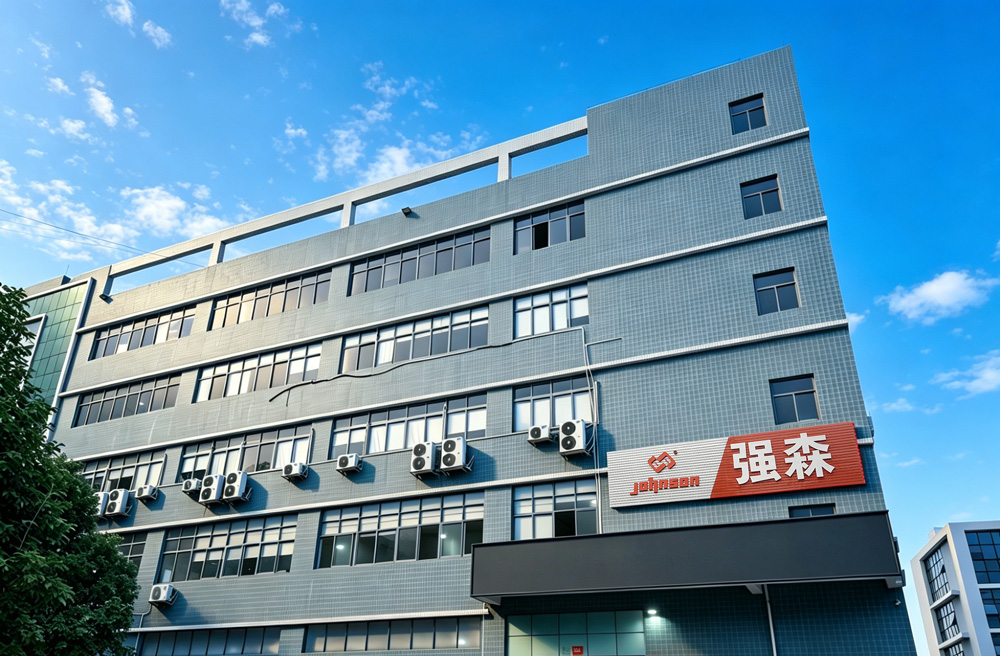
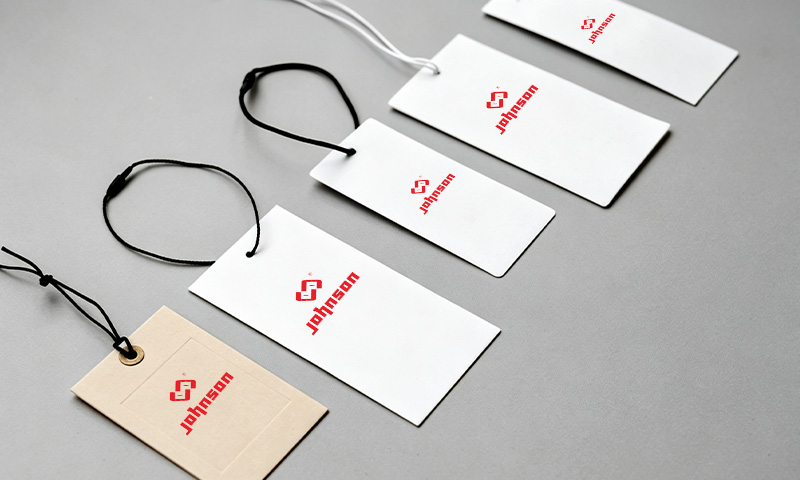
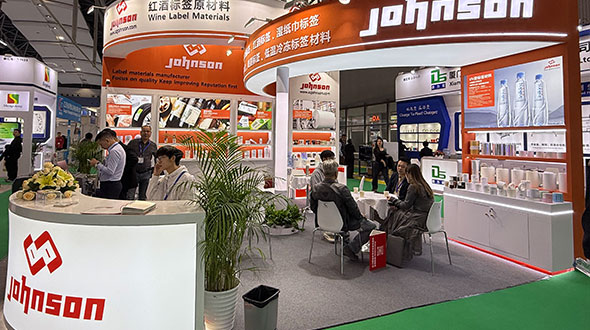
As a Chinese manufacturer and factory of inkjet printable label materials, Shenzhen Johnson New Materials Co., Ltd. has over 20 years of industry experience in PSA self-adhesive label materials.
The company focuses on the research and development and production of label materials, covering various printing methods including flexographic printing, offset printing, screen printing, UV rotary printing, and digital inkjet printing, meeting the diverse needs of different customers.
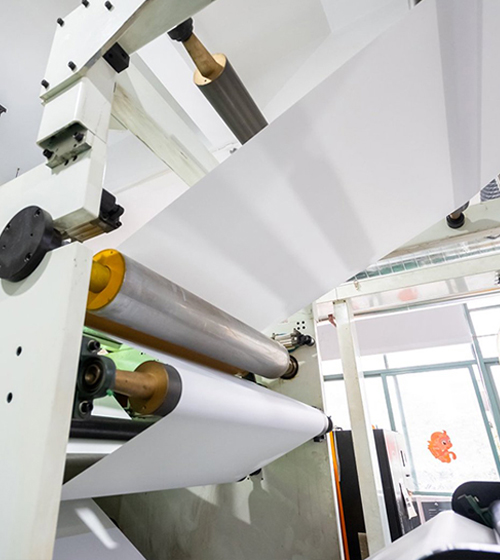
In terms of production capacity, the company is equipped with advanced high-speed coating production lines with a monthly capacity of 20 million square meters, capable of stably supporting the delivery of large-volume orders. The equipment supports both hot melt adhesives and acrylic adhesives, ensuring excellent bonding performance and stability in various application environments.
More importantly, the company consistently adheres to a customer-centric approach, with close collaboration between sales and technical teams. From material selection to application testing, they provide tailored solutions to help optimize printing quality and overall cost structure.
V. How to Choose the Right Inkjet Label Materials
In the actual selection process, companies typically need to consider the following factors:
First, the type of printing equipment; different inkjet systems have different requirements for coating compatibility.
Second, the operating environment; for example, cold chain transportation environments require higher low-temperature resistance and moisture resistance.
Third, the type of substrate; different surface energy materials have different requirements for adhesive systems.
Fourth, the balance between cost and production efficiency; while high-end coating materials are slightly more expensive, they have advantages in reducing scrap rates.
By systematically evaluating these factors, companies can more accurately select Inkjet Printable Label Materials suitable for their own production systems.
FAQ
Q1: Are Inkjet Printable Label Materials suitable for all inkjet printers?
Not all materials are universally applicable. Different inkjet systems, such as water-based, UV, or solvent-based, have different coating requirements and need to be matched accordingly.
Q2: Are inkjet label materials prone to smudging?
High-quality materials can effectively avoid smudging through professional coating design. The key lies in the ink absorption layer structure and ink compatibility.
Q3: Are these materials suitable for cold chain environments?
Some products undergo low-temperature optimization treatment, maintaining stable performance in cold chain and high-humidity environments.
Q4: What are the main advantages of Johnson's products?
The main advantages are stable coating processes, high-volume delivery capabilities, support for multiple adhesive systems, and 20 years of industry experience.
Q5: Does Johnson support customized development?
We can provide customized structural designs and performance adjustments based on different application scenarios to meet specific printing and usage needs.



 English
 русский
 Español