Paper vs. Synthetic Wine Bottle Label Material: Which One Is Better?
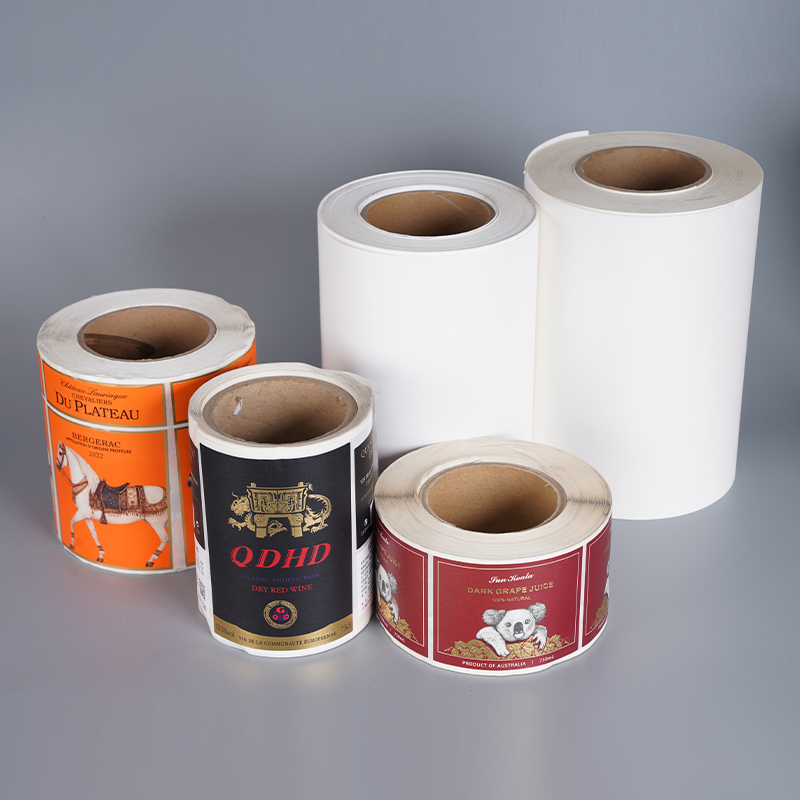
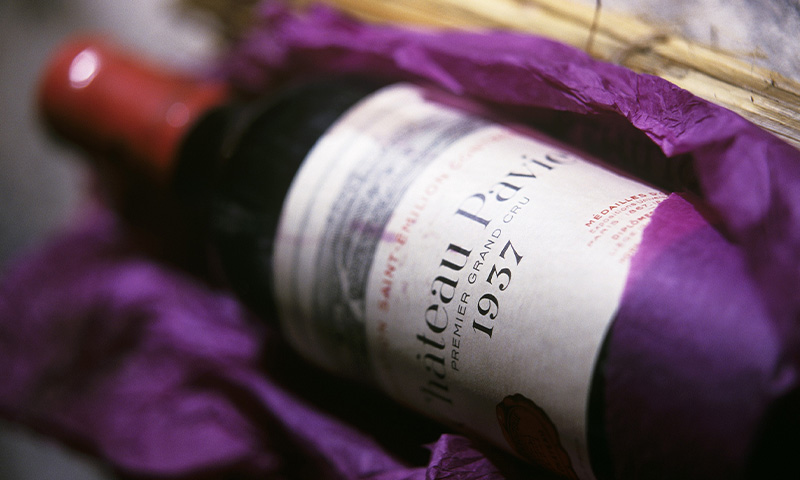
Selecting the right wine bottle label material is one of the most important decisions in wine packaging. A label does far more than display a brand name—it communicates quality, protects product information, supports regulatory compliance, and influences purchasing decisions. Whether applied to premium wines, sparkling wines, or everyday table wines, the label must remain attractive throughout storage, transportation, refrigeration, and consumer use.
Among the most common options, paper and synthetic materials are the leading choices for wine label stock. Each offers unique characteristics that make it suitable for different environments, printing methods, and branding goals. Understanding their differences allows wineries, label converters, and packaging manufacturers to select the most suitable wine label facestock for their applications.
Understanding Wine Bottle Label Material
A wine bottle label material typically consists of three main components:
| Component |
Function |
| Wine label facestock |
The printable surface carrying graphics and information |
| Adhesive |
Bonds the label securely to glass bottles |
| Release liner |
Protects the adhesive before application |
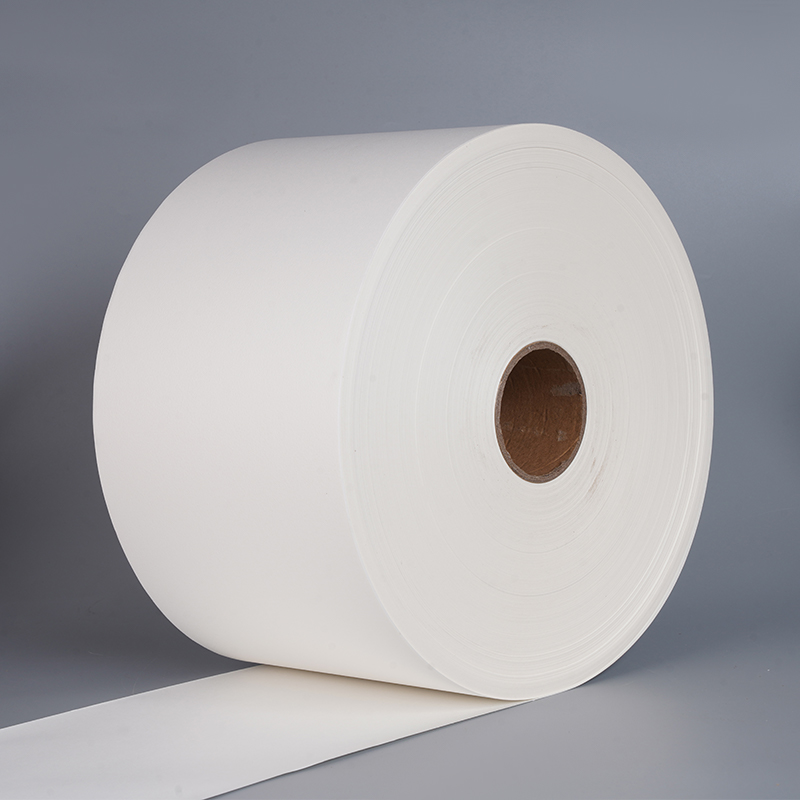
The wine label facestock determines the label’s appearance, print quality, texture, durability, and resistance to environmental conditions. Therefore, selecting the appropriate facestock is often the key factor in overall label performance.
Modern wine label stock is designed to support various printing technologies while maintaining dimensional stability and consistent converting performance.
What Is Paper Wine Label Stock?
Paper remains the traditional choice for wine packaging because of its classic appearance and premium tactile feel.
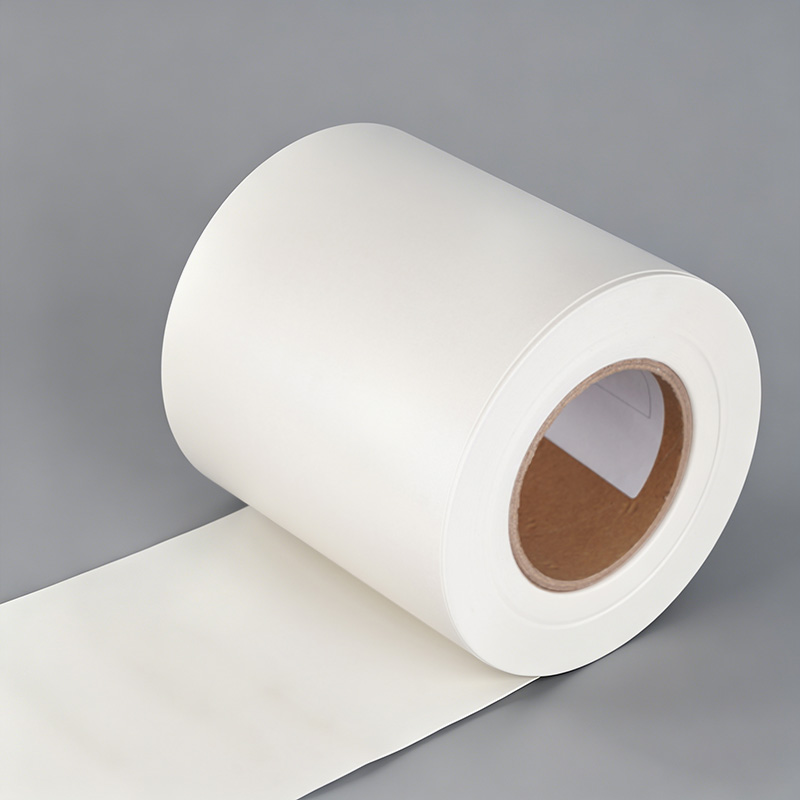
Paper-based wine label stock is manufactured from cellulose fibers and can be produced with different finishes, textures, coatings, and thicknesses.
Common paper facestock options include:
- Uncoated paper
- Coated paper
- Textured paper
- Cotton paper
- Embossed paper
- Metallic paper
- Kraft paper
These materials create an elegant appearance that complements premium wine branding.
Advantages of Paper Labels
- Excellent print reproduction
- Rich texture and premium appearance
- Wide selection of finishes
- Suitable for embossing and foil stamping
- Cost-effective for many applications
Limitations
Paper naturally absorbs moisture and may wrinkle, stain, or lose strength when exposed to condensation, ice buckets, or humid storage conditions. Additional coatings may improve resistance, but paper generally cannot match synthetic materials in wet environments.
What Is Synthetic Wine Label Material?
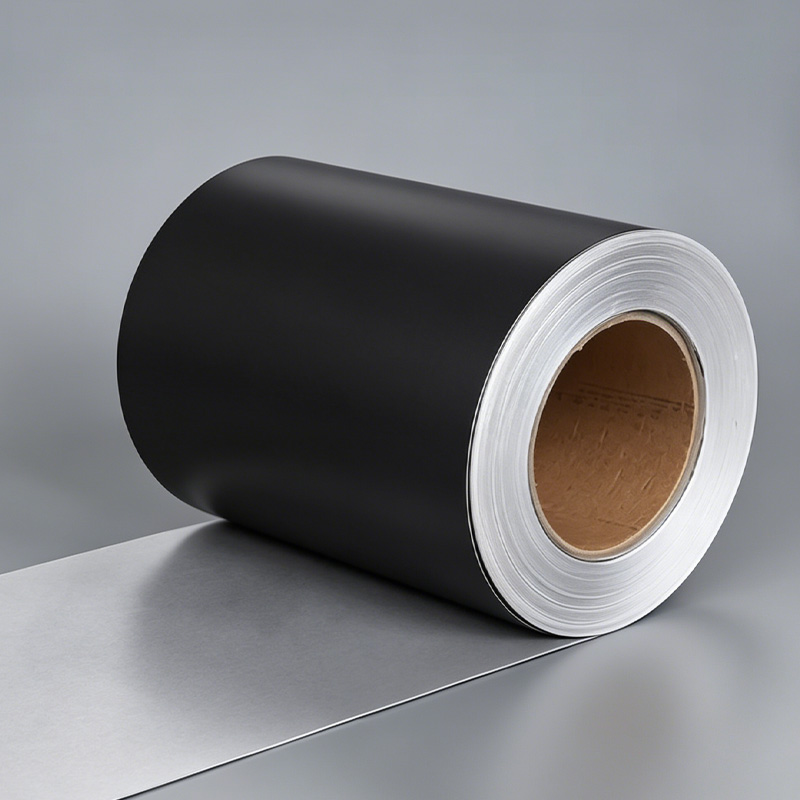
Synthetic wine bottle label material is manufactured from polymer-based films rather than paper fibers.
Common synthetic facestock materials include:
- PP (Polypropylene)
- PE (Polyethylene)
- PET (Polyester)
These materials are engineered to provide superior durability while maintaining excellent printability.
Unlike traditional paper, synthetic labels resist water, tearing, oils, chemicals, and abrasion, making them increasingly popular for demanding wine packaging environments.
Paper vs. Synthetic Wine Label Facestock
The following comparison highlights the major differences between these two material categories.
| Feature |
Paper Wine Label Stock |
Synthetic Wine Label Stock |
| Appearance |
Natural and elegant |
Smooth and modern |
| Surface Texture |
Rich tactile finishes |
Uniform and consistent |
| Water Resistance |
Moderate |
Excellent |
| Tear Resistance |
Moderate |
Very high |
| Chemical Resistance |
Limited |
Excellent |
| Dimensional Stability |
Good |
Excellent |
| Print Compatibility |
Excellent |
Excellent |
| Ice Bucket Performance |
Fair |
Outstanding |
| Long-Term Durability |
Moderate |
Excellent |
| Outdoor Performance |
Limited |
Superior |
The selection ultimately depends on the desired balance between aesthetics and environmental durability.
Printing Compatibility of Different Wine Label Materials
One important consideration when selecting wine label facestock is compatibility with modern printing technologies.
High-quality label materials should provide:
- Stable ink adhesion
- Accurate color reproduction
- Fast curing
- Excellent surface smoothness
- Consistent die-cutting performance
Today’s premium wine label stock supports numerous printing methods, including:
- Flexographic printing
- Offset printing
- Screen printing
- Silk-screen printing
- UV rotary printing
- Digital printing
- Inkjet printing
The appropriate surface treatment helps achieve vibrant graphics, sharp text, and long-lasting print quality regardless of the selected printing process.
Which Material Performs Better in Moisture and Cold Conditions?
Wine bottles frequently experience challenging environments.
Examples include:
- Refrigerated storage
- Ice buckets
- Condensation
- Wine cellars
- Export transportation
- Humid climates
Paper labels may soften or wrinkle after prolonged moisture exposure.
Synthetic wine bottle label material, however, maintains its shape, adhesive performance, and print appearance under these conditions, making it particularly suitable for wines intended for chilled serving or extended logistics cycles.
Sustainability Considerations
Environmental responsibility has become an increasingly important factor when selecting wine bottle label material.
Both paper and synthetic materials can contribute to sustainable packaging when properly designed and responsibly manufactured.
Paper materials often appeal because they originate from renewable fiber resources.
Meanwhile, advances in synthetic materials have introduced:
- Lightweight constructions
- Reduced material consumption
- Recyclable film options
- Improved manufacturing efficiency
- Lower environmental impact throughout production
Selecting sustainable label materials now involves evaluating the complete lifecycle rather than focusing on a single material category.
How to Choose the Right Wine Label Stock
The ideal wine label stock depends on several practical considerations.
| Selection Factor |
Recommended Focus |
| Premium appearance |
Textured paper facestock |
| Refrigerated products |
Synthetic facestock |
| Ice bucket exposure |
Synthetic materials |
| Luxury branding |
High-quality paper with specialty finishes |
| Long-distance shipping |
Durable synthetic labels |
| Digital printing |
Materials optimized for digital presses |
| Moisture resistance |
Film-based facestock |
| Sustainable packaging goals |
Eco-designed paper or recyclable synthetic solutions |
Rather than asking which material is universally better, manufacturers should determine which solution best matches their packaging requirements.
Why Material Quality Matters Beyond Appearance
A label’s performance extends beyond visual design.
High-quality wine label facestock contributes to:
- Stable automated labeling
- Reliable adhesive bonding
- Reduced production downtime
- Better print consistency
- Improved shelf presentation
- Longer service life
Choosing reliable materials helps maintain packaging quality from production through consumer use.
Why Choose JOHNSON
Shenzhen Johnson New Materials Co., Ltd. specializes in developing advanced label materials for a wide range of industries, including food, beverage, cosmetics, pharmaceuticals, electronics, and logistics.
JOHNSON manufactures label materials compatible with multiple printing technologies, including flexography, offset, screen printing, silk-screen printing, UV rotary printing, digital printing, and inkjet printing, providing excellent versatility for modern label production.
With over 20 years of industry expertise, the company has built extensive experience in understanding application requirements across different markets.
Its manufacturing capabilities include:
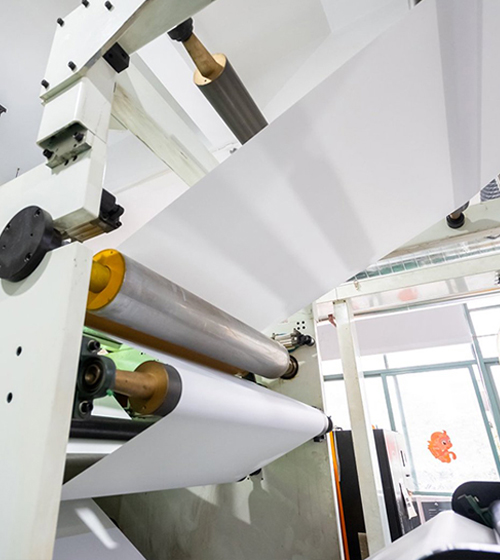
- Three high-speed coating production lines
- Monthly production capacity of approximately 20 million m²
- Stable supply with rapid 15-day delivery
- More than 9,000 m² of modern production facilities
- Strict quality control throughout manufacturing
In addition, JOHNSON supports comprehensive OEM and ODM services. Dedicated sales and technical teams work closely with customers to develop customized wine bottle label material solutions that meet specific performance and printing requirements.
The company also promotes sustainable label development by integrating environmentally friendly materials, low-carbon manufacturing processes, and circular production concepts to help build a greener packaging supply chain.
Conclusion
Both paper and synthetic wine bottle label material provide excellent solutions when selected for the appropriate application.
Paper remains the preferred option for premium visual appeal, natural texture, and traditional branding aesthetics. Synthetic wine label stock offers superior durability, moisture resistance, and long-term performance under demanding storage and transportation conditions.
Rather than viewing one material as universally superior, successful label selection depends on matching the wine label facestock with the product’s intended environment, printing technology, branding objectives, and sustainability goals. By carefully evaluating these factors, manufacturers can achieve reliable labeling performance while enhancing both product presentation and consumer experience.
FAQ
1. What is the best wine bottle label material for refrigerated wine bottles?
Synthetic wine bottle label material is generally the better choice because it offers excellent resistance to moisture, condensation, and low-temperature environments while maintaining label integrity.
2. Can paper wine label stock be used for premium wine packaging?
Yes. High-quality textured and specialty paper wine label stock is widely used for premium wines due to its elegant appearance, tactile feel, and excellent print quality.
3. Which printing methods are compatible with modern wine label facestock?
Most premium wine label facestock supports flexographic, offset, screen, silk-screen, UV rotary, digital, and inkjet printing, allowing manufacturers to choose the most suitable production process.
4. How do I choose between paper and synthetic wine label materials?
Consider storage conditions, desired appearance, moisture exposure, printing technology, durability requirements, and sustainability objectives. The best choice depends on your specific packaging application rather than a single material being universally superior.
5. Why is wine label facestock important?
The wine label facestock directly affects print quality, labeling efficiency, durability, texture, and overall shelf appeal, making it one of the most critical components of a wine label construction.




 English
 русский
 Español