


Removable Adhesive Labelstock Custom
About Us
Shenzhen Johnson New Materials Co., Ltd.

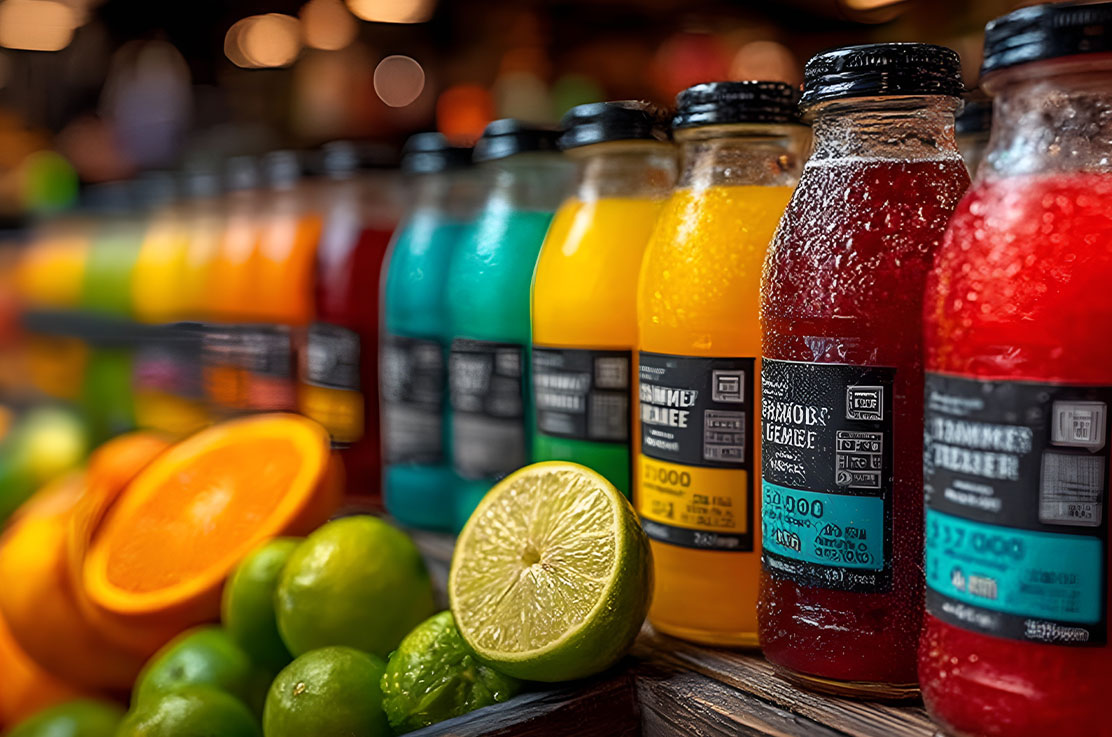
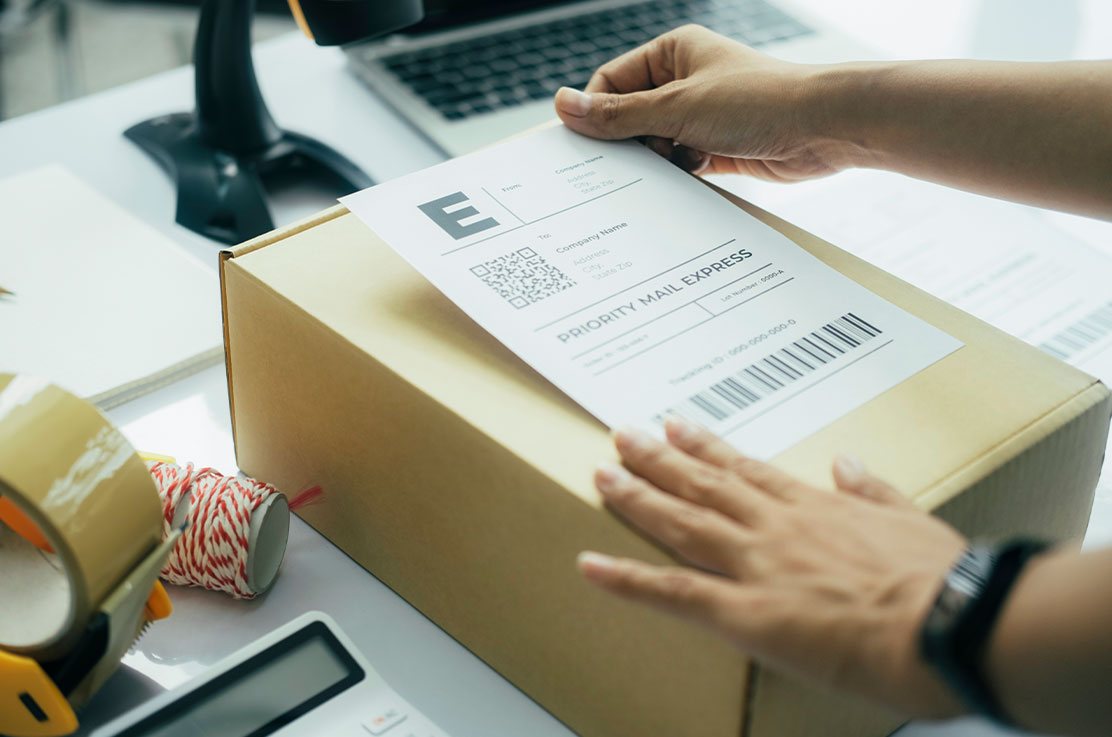
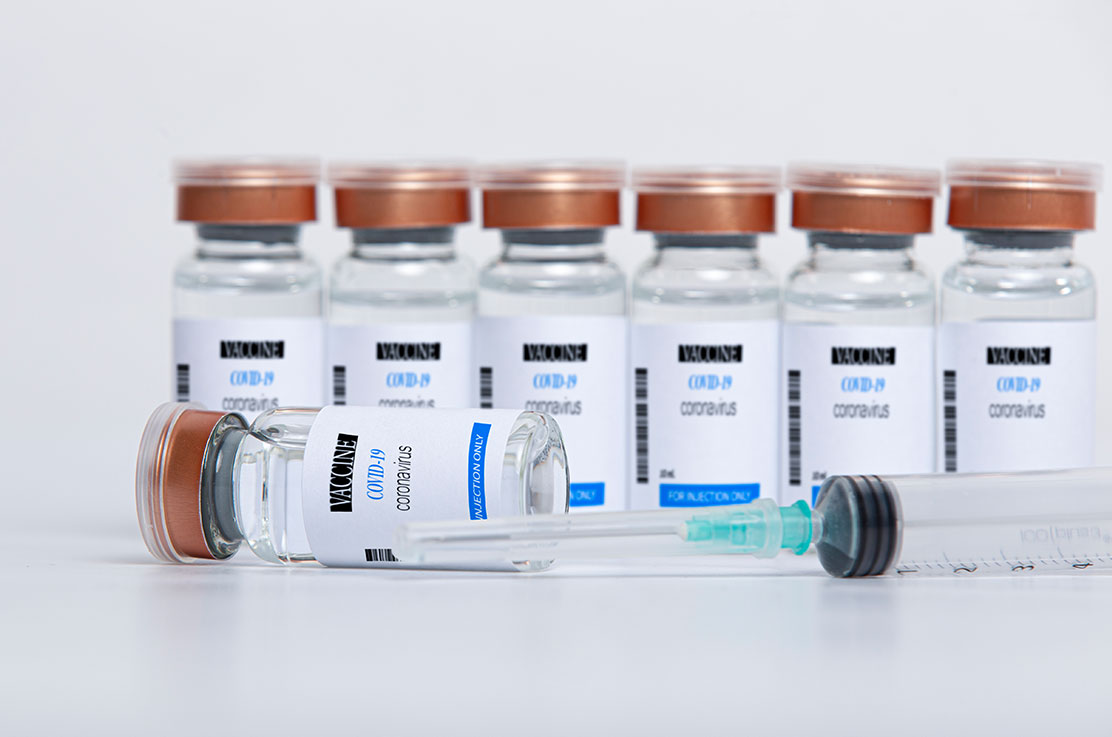
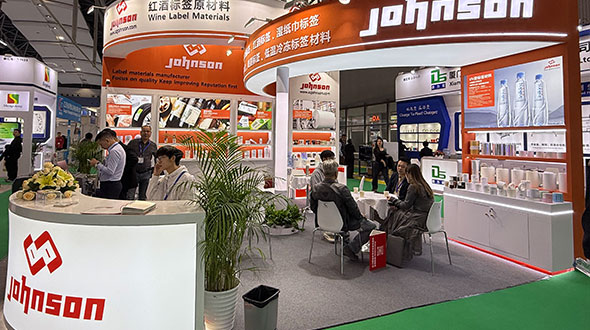
JOHNSON has 20 years of experience in the PSA self-adhesive label materials industry. We specialize in developing and producing label materials suitable for a range of printing methods, including flexography, offset, screen, silk-screen, UV rotary, digital, and inkjet printing. Our products are widely used across various sectors, such as food, beverage, cosmetics, pharmaceuticals, electronics, and logistics.

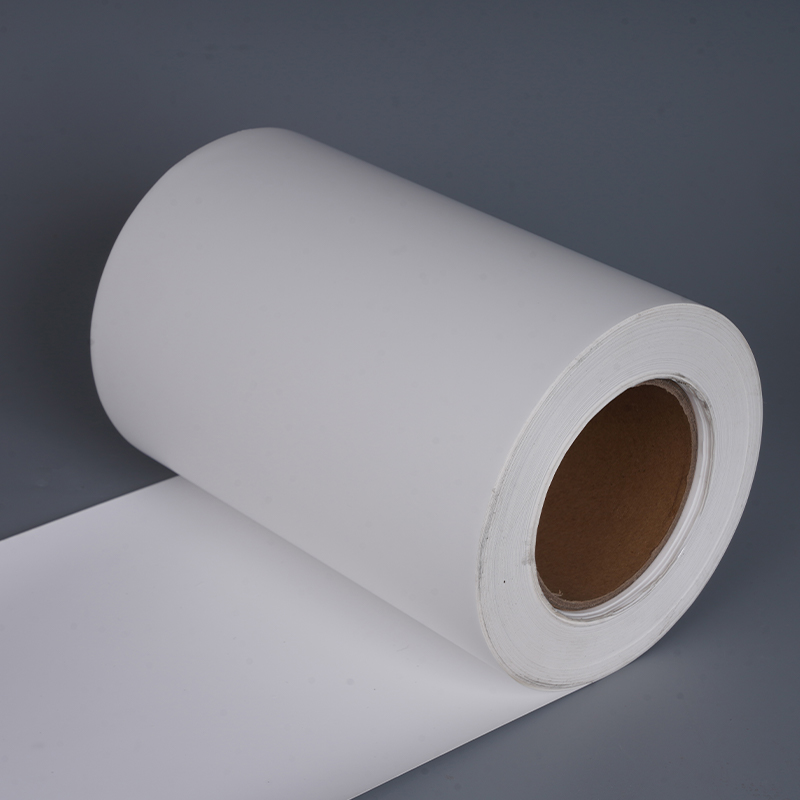
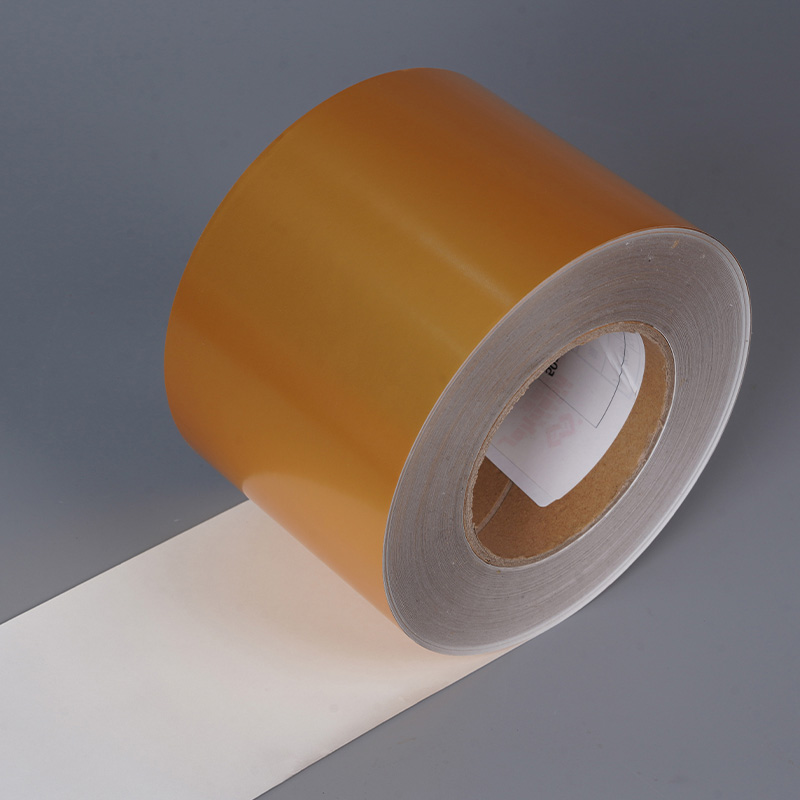
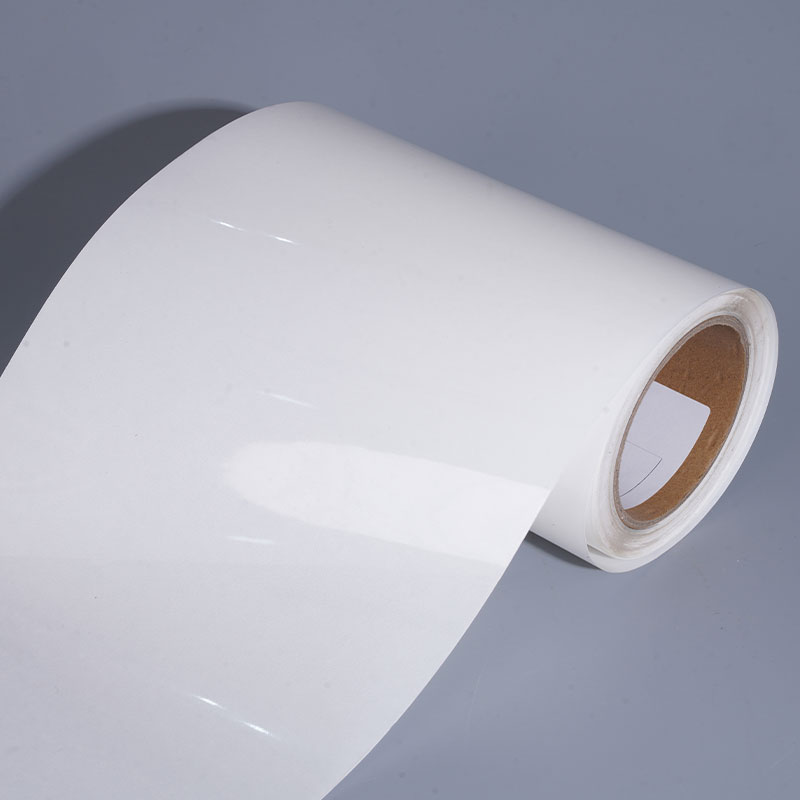
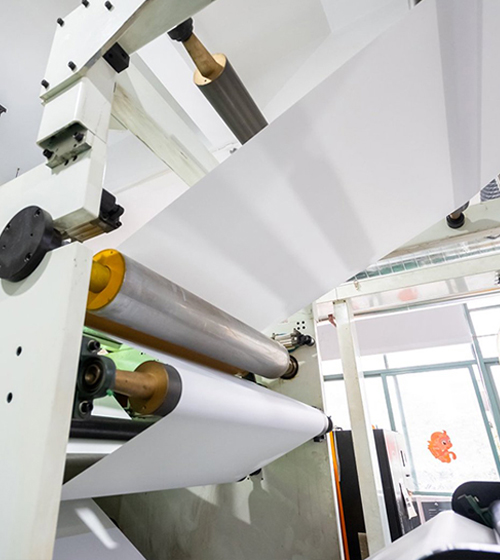
As China Removable Adhesive Labelstock Manufacturers and Removable Adhesive Labelstock Factory, we are equipped with advanced high-speed adhesive coating lines, boasting a monthly production capacity of 20 million square meters. These machines support both hot melt and acrylic adhesive applications, enabling us to ensure fast delivery and consistent quality while meeting the diverse needs of the market. Our sales team works closely with you to fully understand your specific requirements.

Guided by the principle of "customer first" and adapting to evolving industry trends, we strive to be your most reliable partner—working together for mutual development and shared benefits.
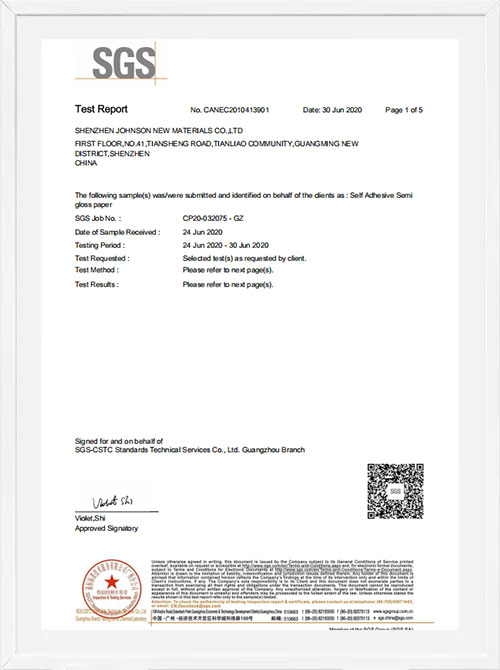
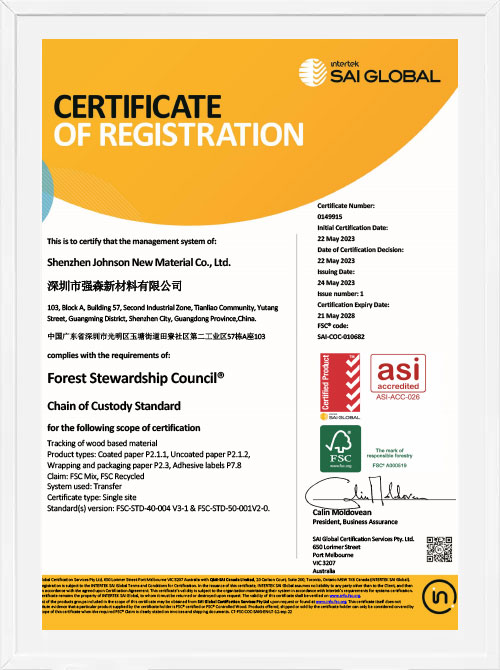
Certificate Of Honor
  • Honor
  • Honor
  • Honor
  • Honor
News
  • A personal care brand fills its first production run of body wash in early spring. By summer, retail staff in several stores notice the same defect: the label edge near the pump is lifting, and a faint white stain has formed where water pooled around the cap. The artwork is sharp. The adhesive feels aggressive. The pro...

    READ MORE
  • Packaging Materials / Paper & Board Tagboard Material A complete guide to heavyweight paperboard for tags, labels, and retail displays. Tagboard material is a heavyweight, durable paperboard specifically engineered for manufacturing product tags, labels, and retail displays. Unlike standard paper or lightweight...

    READ MORE
  • A comprehensive guide to materials, adhesives, applications, and selection for packaging and branding professionals. Self-adhesive labels have become the backbone of modern product identification, brand communication, and supply chain logistics. From the humble price tag on a retail shelf to the sophisticated multi-la...

    READ MORE
Removable Adhesive Labelstock Industry knowledge

How Removable Adhesives Achieve Controlled, Temporary Bond Strength

Removable adhesives work on a different mechanical principle than permanent formulations. Rather than building maximum surface contact and cohesive strength, they use lower-tack polymers or microsphere-based chemistry designed to hold securely under normal handling while allowing the bond to release cleanly at the adhesive-substrate interface rather than tearing the facestock or leaving polymer behind on the surface.

JOHNSON formulates Removable Adhesive Labelstock to balance these two competing demands: enough initial tack to survive shipping, handling, and display, but a release profile engineered so removal happens as a clean peel rather than a partial failure that leaves residue behind.

Why Dwell Time Changes Removability Over a Label's Life

One detail buyers often overlook is that removability is not a fixed property; it changes with how long the label has been applied. Most removable adhesives undergo some degree of adhesion build over time as the polymer gradually wets into the substrate surface, meaning a label that peels effortlessly after a day may require noticeably more force after several weeks.

This is a critical variable to test for and around JOHNSON's development process, since specifying an adhesive based only on its removability right after application can lead to unpleasant surprises if the actual dwell time before removal turns out to be longer than initially planned, such as a promotional label left on packaging through an extended retail cycle.

Matching Removable Labelstock to Sensitive Substrates

Not every surface tolerates removal equally well. Painted or coated surfaces, glass, and the plastic housings common in electronics packaging are all more prone to surface damage or witness marks if the adhesive is too aggressive for what's meant to be a temporary application.

  • Glass and painted surfaces generally require a lower initial tack to avoid finish damage on removal
  • Electronics housings often need residue-free removal to avoid interfering with later assembly or resale condition
  • Textured or porous surfaces can trap adhesive during removal even with a low-tack formulation, so substrate testing matters as much as adhesive selection

Running both hot melt and acrylic coating lines gives us the flexibility to adjust formulation specifically for these substrate-sensitive cases rather than defaulting to a single general-purpose removable adhesive.

Common Use Cases: Retail Pricing, Promotions, and Electronics Packaging

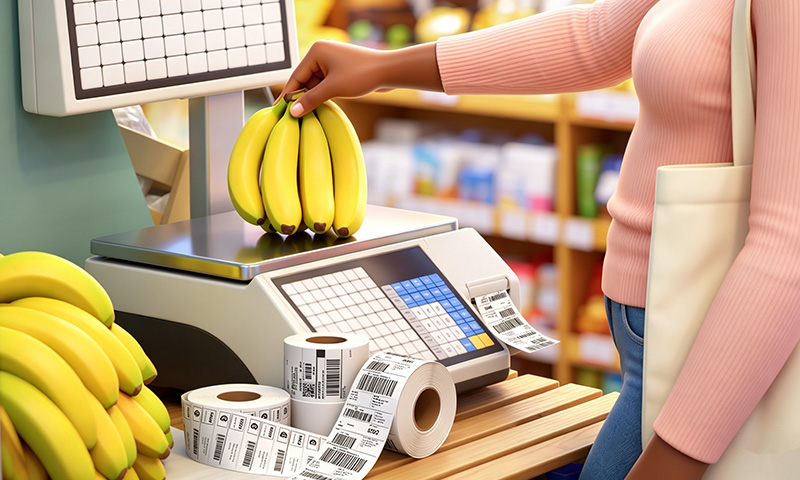
Retail price labeling remains one of the most common applications, where the label needs to survive shelf handling but come off cleanly if pricing changes or an item is returned. Promotional labels face a similar requirement over a shorter, campaign-defined window, while electronics packaging often calls for Removable Adhesive Labelstock on protective films or seals that need to come off without leaving marks on the finished product surface underneath.

Our sales team at JOHNSON typically starts these conversations by asking about expected dwell time and the exact substrate involved, since those two factors do more to determine the right formulation than the general product category alone.