Why Standard Adhesives Fail in Low-Temperature Environments
JOHNSON has spent 20 years watching a specific problem repeat itself: labels specified for room-temperature warehouses are asked to perform in a freezer and fail within days. Standard acrylic adhesives lose tack as they approach their glass transition point, becoming stiff and brittle rather than staying flexible enough to hold onto a cold, often frost-covered surface.
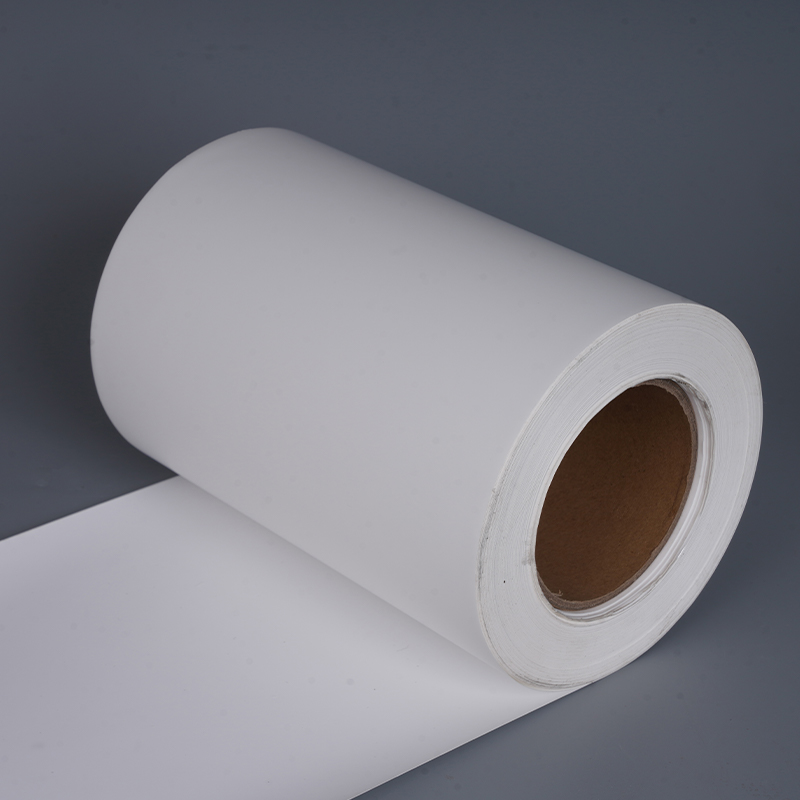
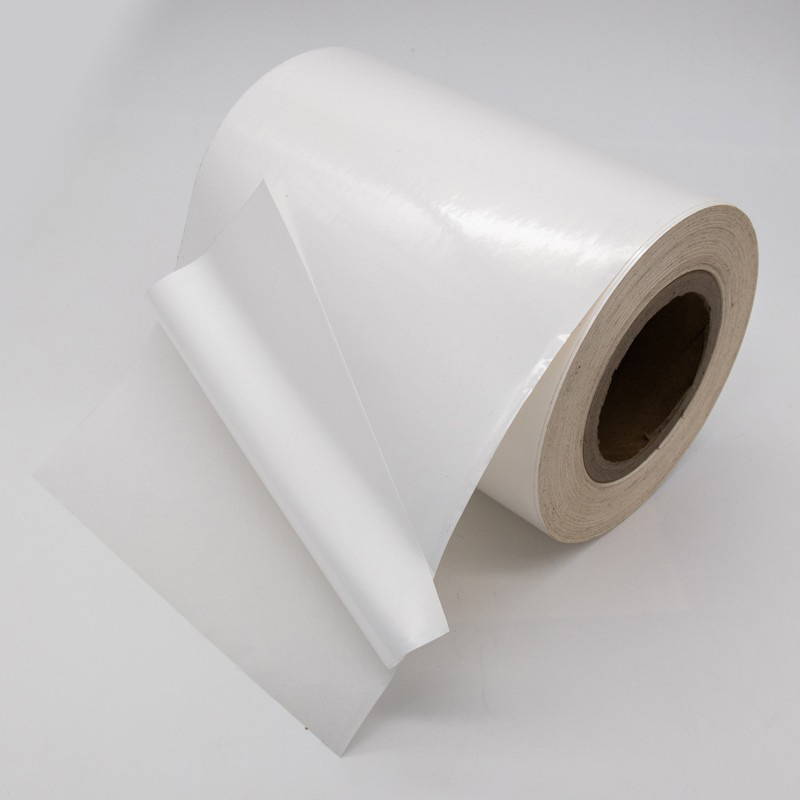
A properly formulated Frozen Food Labelstock uses adhesive chemistry designed to remain tacky well below freezing, so initial adhesion isn't lost the moment the product enters cold storage. This is the single most common point of failure in cold-chain labeling, and it's rarely visible until labels start curling or dropping off pallets in the warehouse.
Managing Condensation and Moisture During the Freeze-Thaw Cycle
Frozen packaging rarely stays at one temperature from production to retail shelf. Every transfer between a blast freezer, a refrigerated truck, and ambient store air creates condensation on the package surface, and that moisture is what most often lifts label edges over time. Adhesives with poor wet-out resistance simply can't re-bond once condensation forms underneath the facestock.
This is why freeze-thaw cycling is treated as a baseline test rather than an edge case when developing Freezer Label Stock. A facestock and adhesive combination that only performs in constant cold, but fails during a single thaw event, isn't suitable for real supply chain conditions where temperature swings are the norm, not the exception.
Facestock and Print Considerations for Sub-Zero Legibility
Adhesion is only half the requirement; the printed information also has to stay legible in cold, often humid storage conditions. Film facestocks generally outperform paper here, resisting the fiber swelling and ink feathering that occurs when paper absorbs moisture in a high-humidity freezer environment.
- Film facestocks resist moisture-related fiber swelling that paper labels are prone to
- Print method should be matched to expected humidity exposure during frozen storage
- Barcode contrast should be verified under frost conditions, not just at room temperature during initial testing
Running both hot melt and acrylic coating lines lets JOHNSON tune facestock and adhesive pairings specifically for cold-chain print legibility rather than relying on a single general-purpose construction.
Matching Label Stock to Frozen vs Cryogenic Temperature Ranges
Not all cold-chain applications sit in the same temperature band, and treating them as interchangeable leads to under-specified labels. Standard frozen food storage typically runs in the -18°C to -25°C range, while biological samples, certain pharmaceuticals, and specialty industrial materials require Cryogenic Label Stock rated for exposure down to liquid nitrogen temperatures near -196°C.
Sales teams working across food, beverage, cosmetics, pharmaceuticals, electronics, and logistics sectors, including ours at JOHNSON, generally recommend confirming the actual minimum temperature and cycling frequency a label will face before finalizing adhesive selection, since a specification built for standard freezer use will not necessarily hold up in a cryogenic storage tank.


 English
 русский
 Español