How Thermal Coating Chemistry Affects Print Durability and Fade Resistance
At JOHNSON, over 20 years of formulating self-adhesive label materials has taught us that not all thermal coatings behave the same once a label leaves the printer. The chemistry of the thermal top coat determines how quickly the printed image fades under heat, sunlight, or friction, which is why labels destined for outdoor delivery or extended warehouse dwell time need a coating rated for longer image life than a same-day retail price tag.
Print contrast and darkness are also coating-dependent. A well-formulated thermal layer activates cleanly at the print head's target temperature, producing sharp barcodes without the graying or ghosting that shows up when a coating is mismatched to the printer's heat settings. This is a common but avoidable cause of scan failures in high-volume shipping operations.
Matching Film Base (PET, PP, or BOPP) to the Application Environment
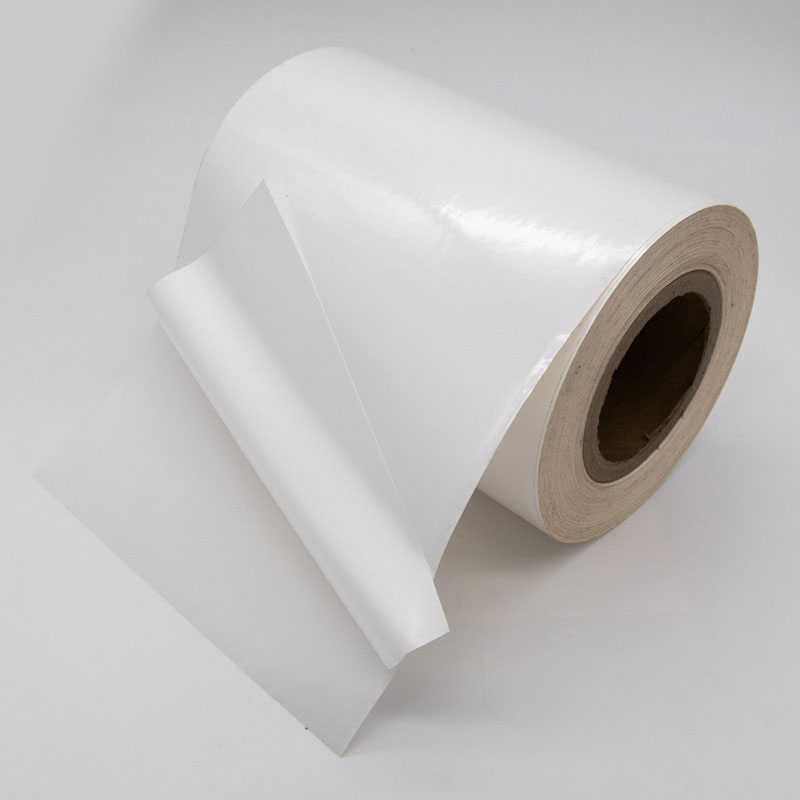
Direct thermal labels aren't limited to paper facestocks; PET, PP, and BOPP film bases each bring different strengths to the application. PET film versions hold up best against oils, moisture, and abrasion, making them a fit for cold-chain logistics and outdoor asset tracking. BOPP and PP options tend to offer a lower-cost balance of flexibility and moderate durability suited to indoor retail and general warehouse labeling.
| Film Base |
Moisture Resistance |
Typical Use |
| PET |
High |
Cold-chain, outdoor logistics |
| BOPP |
Moderate |
Retail shelf labeling |
| PP |
Moderate |
General warehouse, indoor shipping |
Relative performance of common direct thermal film base materials by application.
Selecting Self adhesive Direct thermal film with the correct base material upfront avoids the common mistake of specifying a standard paper-grade product for an environment where moisture or handling stress will shorten its usable life, an assessment our team at JOHNSON routinely helps buyers work through before committing to a spec.
Print Head Compatibility and Production Efficiency
Because direct thermal printing skips ink and toner entirely, print head wear becomes the main consumable cost to manage. A thermal facestock formulated with the correct release characteristics and consistent coating thickness reduces build-up on the print head, which extends printer service intervals and keeps unplanned downtime lower on high-throughput lines.
- Consistent coating weight reduces print head cleaning frequency
- No ribbon or ink means faster changeovers on automated labeling lines
- Sensitivity level should be matched to printer speed to avoid underexposed or overexposed prints
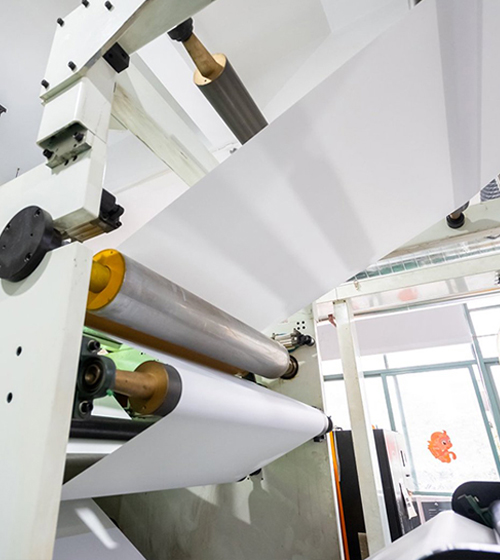
With monthly coating capacity reaching 20 million square meters, JOHNSON is able to keep coating parameters tightly controlled across large production runs, which matters most to buyers running continuous, high-speed thermal print operations.
Where Direct Thermal Film Fits Best in Logistics and Retail Workflows
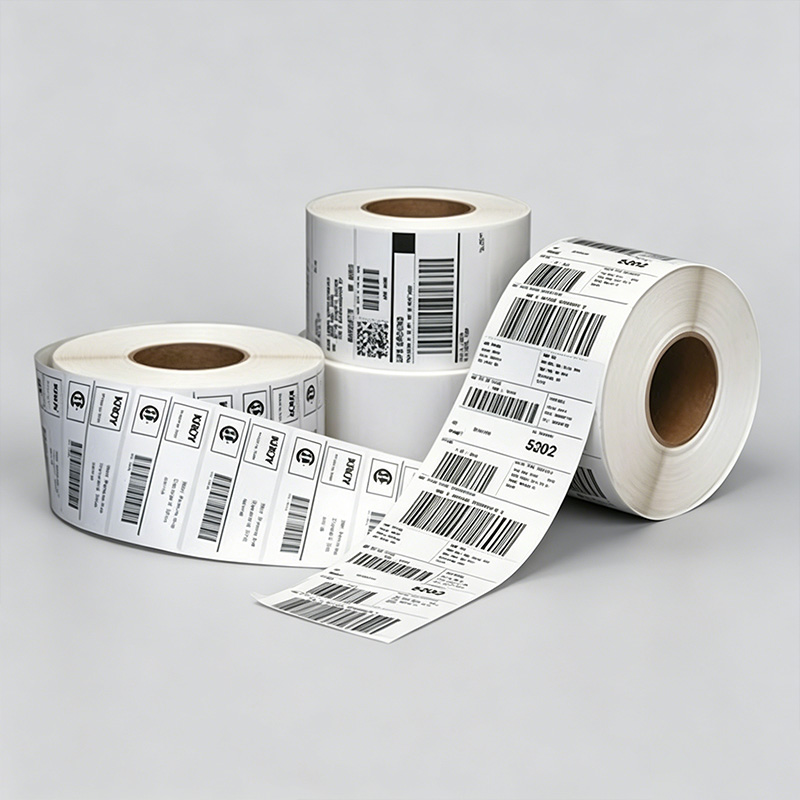
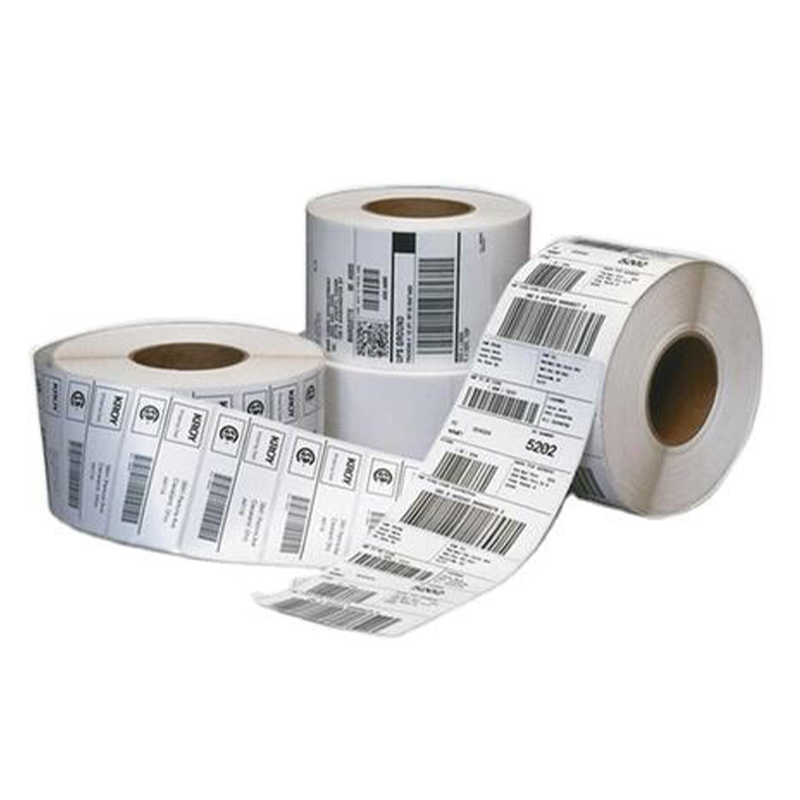
Shipping labels, cold-chain tracking tags, and point-of-sale price labels each place different demands on a thermal facestock, and understanding those demands ahead of purchasing prevents mismatched specifications later. Logistics labels typically need moisture and abrasion resistance to survive transit, while retail price tags prioritize print clarity and low cost over long-term durability.
Serving food, beverage, cosmetics, pharmaceuticals, electronics, and logistics customers across two decades, JOHNSON has found that the fastest way to avoid reprint costs is specifying the film base, adhesive, and coating sensitivity together at the outset rather than treating them as separate decisions.







 English
 русский
 Español