What are the core advantages of Adhesive Film Labelstock?
Against the backdrop of continuous upgrading in the packaging industry, labels have long since evolved from simple information identifiers into crucial components of brand visual expression and product functionality. Especially driven by the demands of high-end manufacturing and refined markets, Adhesive Film Labelstock is rapidly replacing traditional paper materials, becoming a key choice in many industries. So, what exactly makes this type of material so widely accepted?
From Basic Identification to Functional Material: A Shift in Role
The development path of label materials reflects the upgrading logic of the entire consumer market. Early labels primarily served to convey basic information, such as product names, specifications, and barcodes. However, with intensifying brand competition and the increasing complexity of the end-user environment, labels must increasingly meet multiple requirements, including visual appeal, environmental adaptability, and long-term durability.
Paper labels perform well in normal environments but are prone to deformation, detachment, or blurring when exposed to moisture, grease, or low-temperature cold chain environments. In contrast, Adhesive Film Labelstock uses film-like materials as its face stock, giving the labels greater structural stability and environmental adaptability, thus gaining wider application in the food, beverage, daily chemical, electronics, and logistics industries.
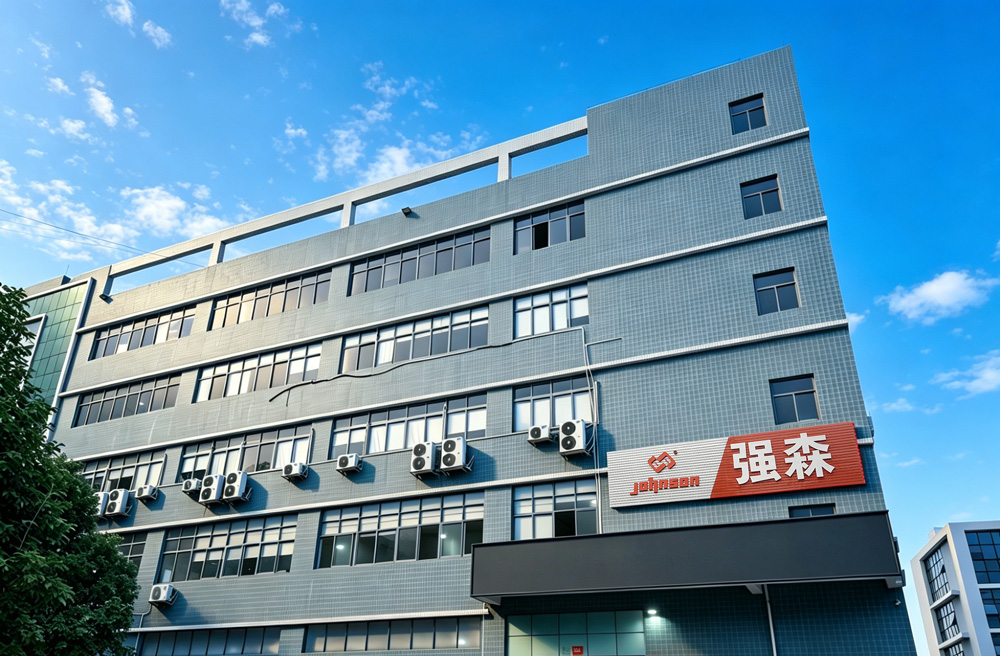
During this transformation, Shenzhen Johnson New Materials Co., Ltd., with twenty years of experience in PSA self-adhesive materials, has continuously driven material system upgrades, constantly improving the performance and adaptability of film label materials to better meet real market demands.
Multi-layered Structure Determines the Upper Limit of Material Performance
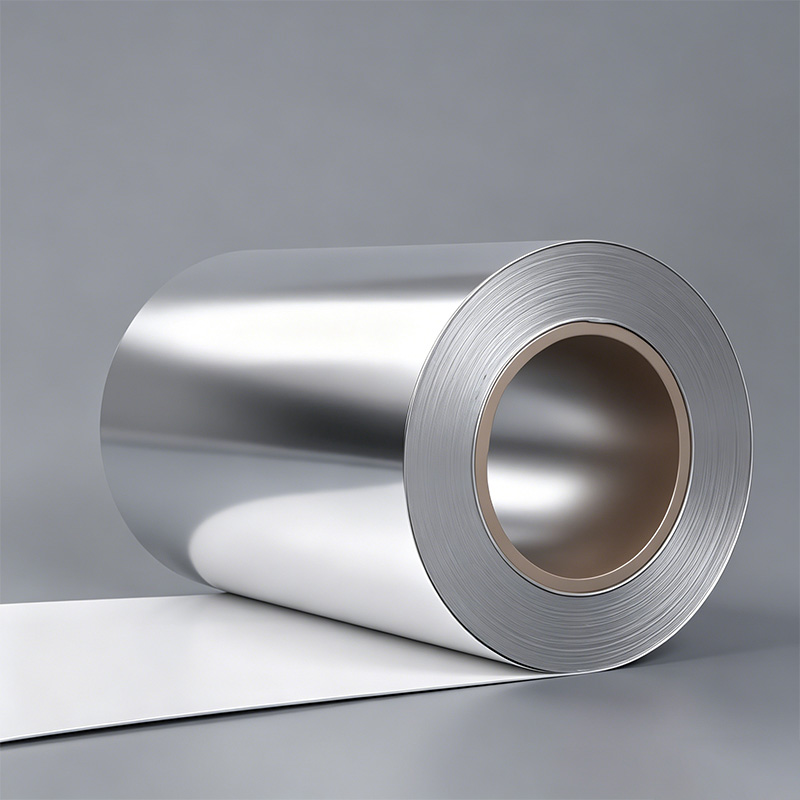
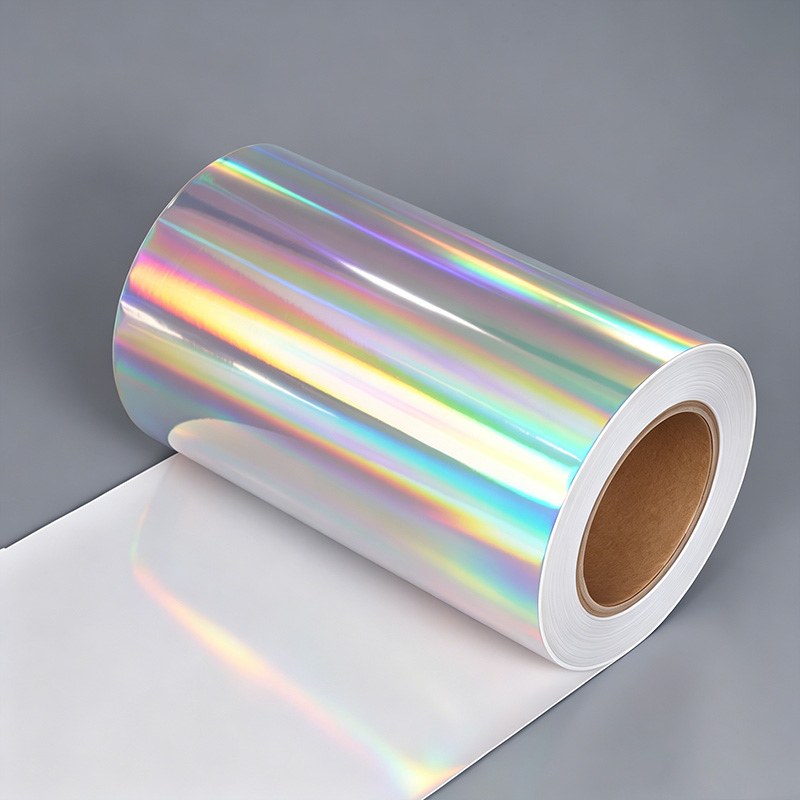
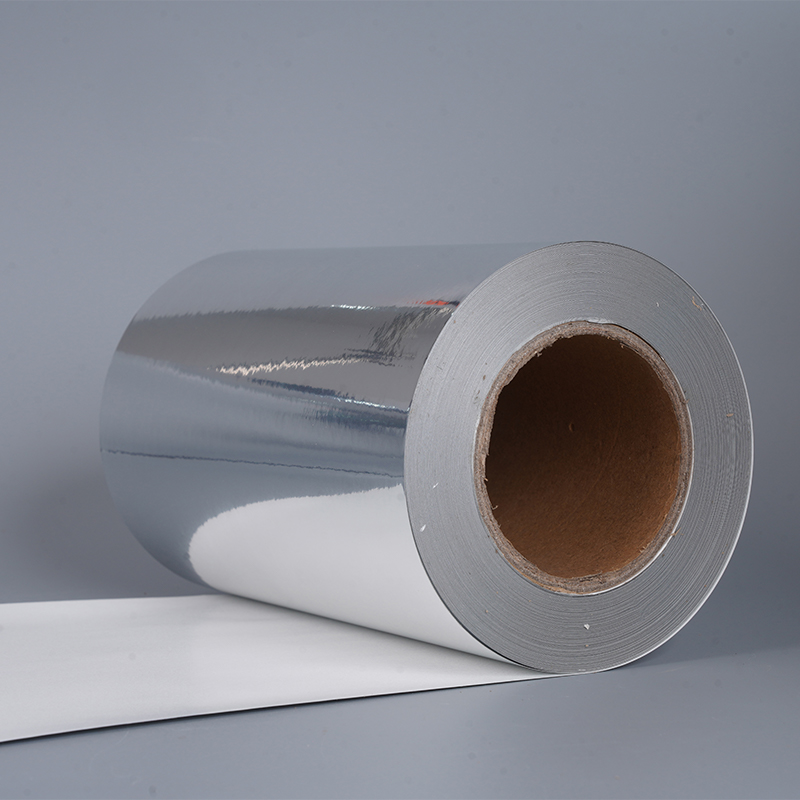
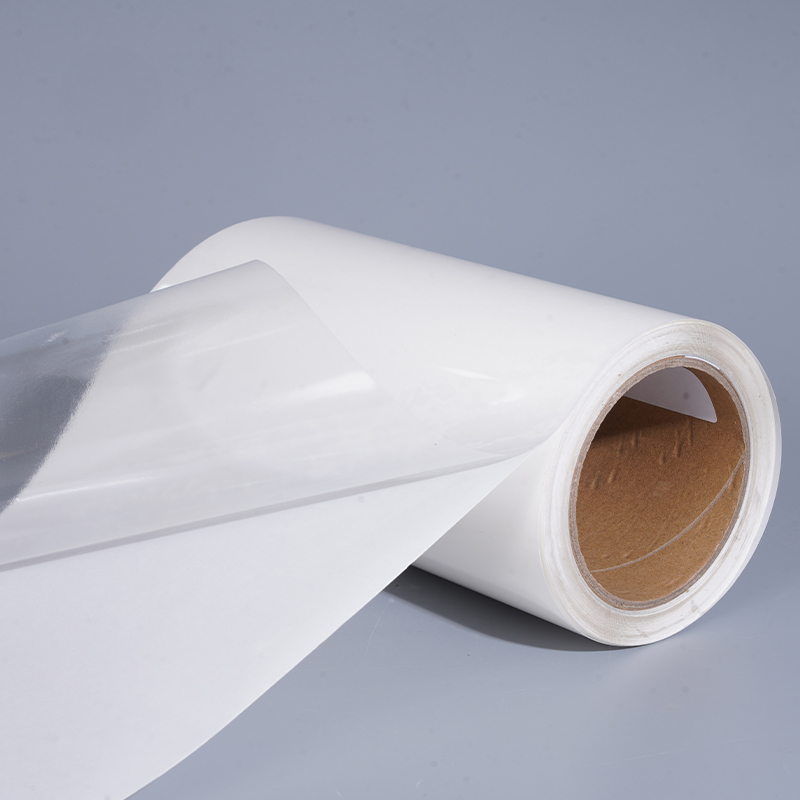
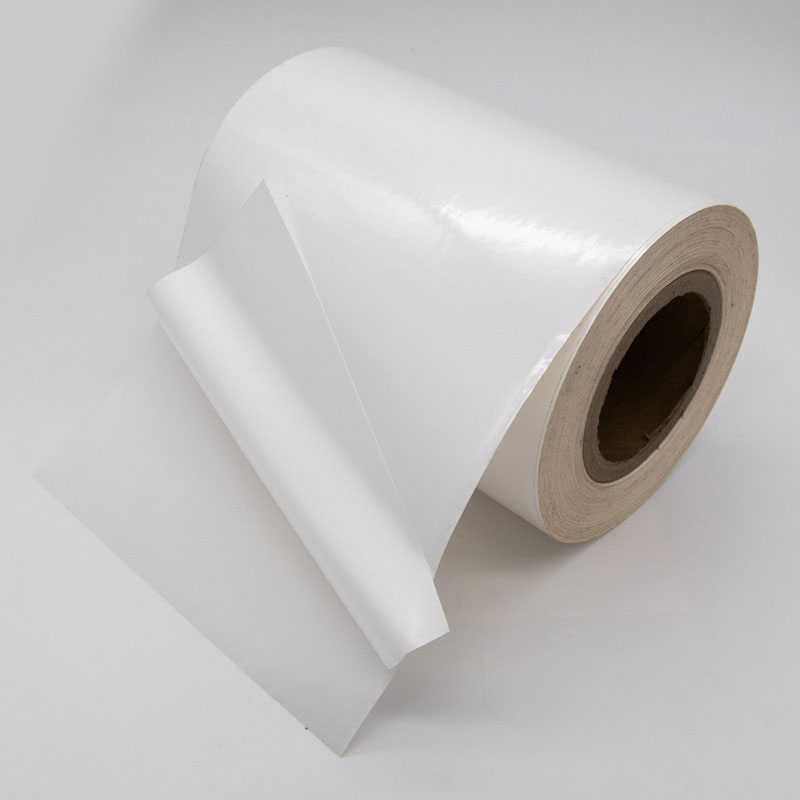
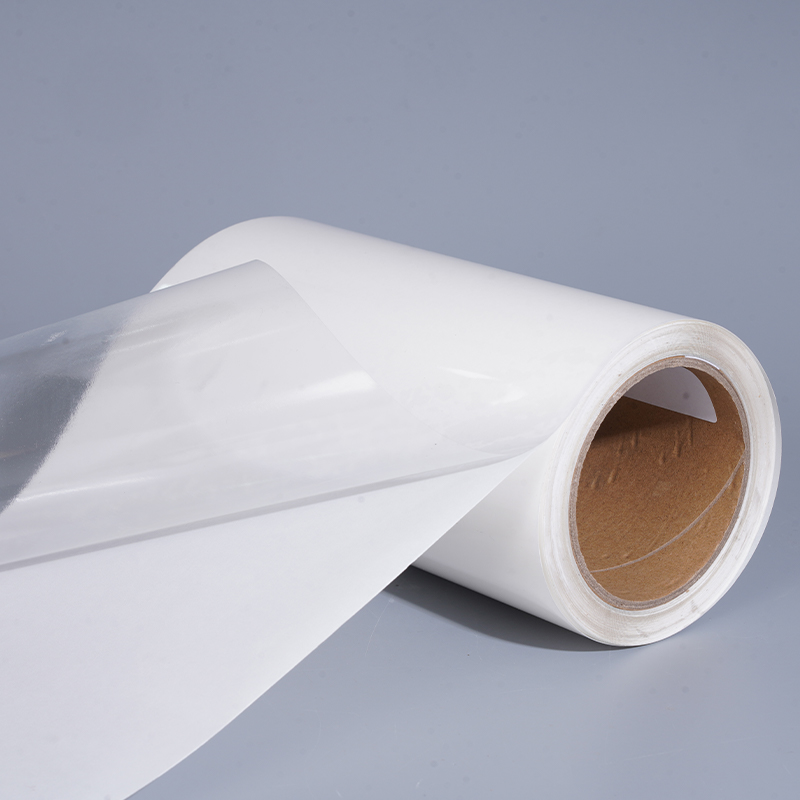
Adhesive Film Labelstock typically consists of a face stock, an adhesive layer, and a backing paper, each layer directly affecting the final performance.
Face Stock
The face stock determines the overall visual appearance and physical strength; for example, BOPP and PET materials are often used in scenarios requiring transparency or high strength and durability.
Adhesive Layer
The adhesive layer determines the stability of adhesion performance and requires formulation adjustments based on different substrate surfaces.
Backing Paper
The backing paper affects processing efficiency and die-cutting accuracy, making it an indispensable component in the production process.
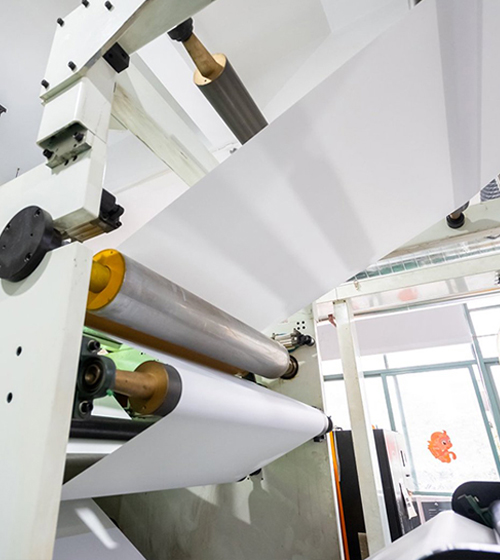
In industrial production, the stability of the coating process is particularly critical. Shenzhen Johnson New Materials Co., Ltd. is equipped with advanced high-speed coating production lines, enabling stable production control of hot melt adhesives and acrylic adhesives, ensuring high consistency across batches.
Core Advantage: Compatibility with Multiple Printing Methods
Modern label materials not only require excellent physical properties but also must be compatible with diverse printing processes. As brands increasingly demand higher visual presentation, label materials need to be compatible with multiple methods, including flexographic printing, offset printing, screen printing, UV rotary printing, and digital inkjet printing.
Different printing processes have different requirements for material surface properties. For example, UV printing emphasizes UV curing resistance, digital printing focuses on ink adhesion and color reproduction, while traditional offset printing requires stable surface tension and good ink compatibility.
Johnson has long served multiple industries, including food, beverage, cosmetics, pharmaceuticals, electronics, and logistics, continuously optimizing material surface treatment and coating systems to adapt products to various printing environments.
Application Scenarios Drive Continuous Material Evolution
Different application scenarios place differentiated demands on label materials, driving Adhesive Film Labelstock to continuously iterate its technology.
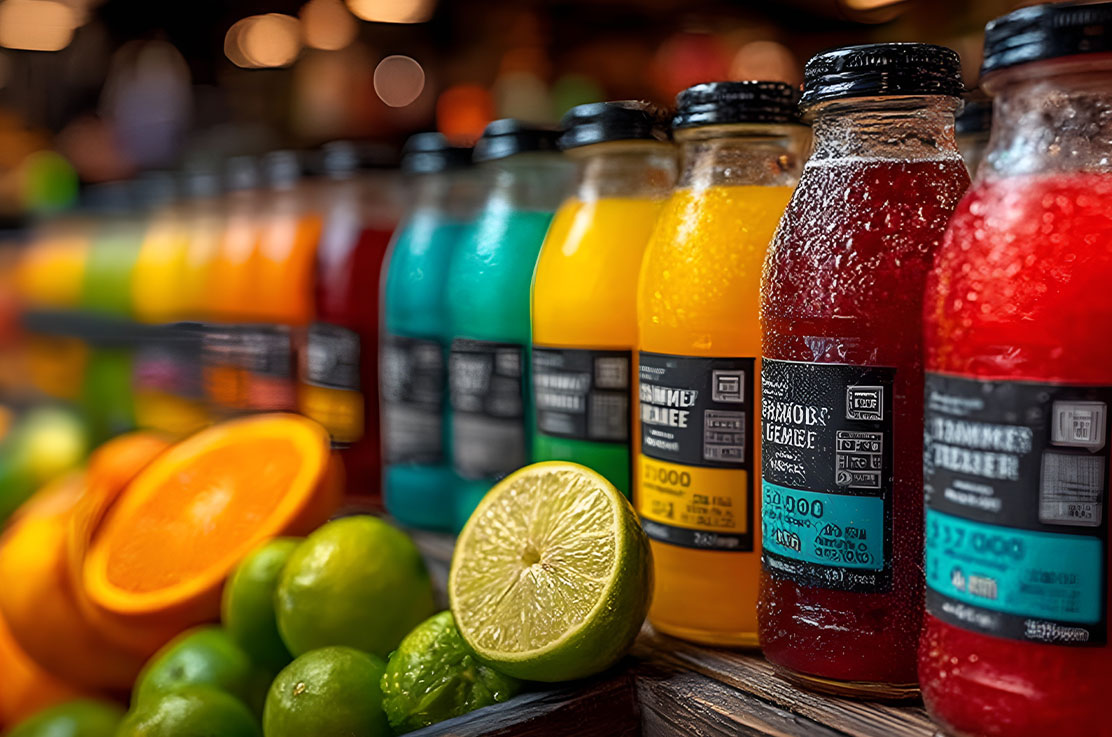
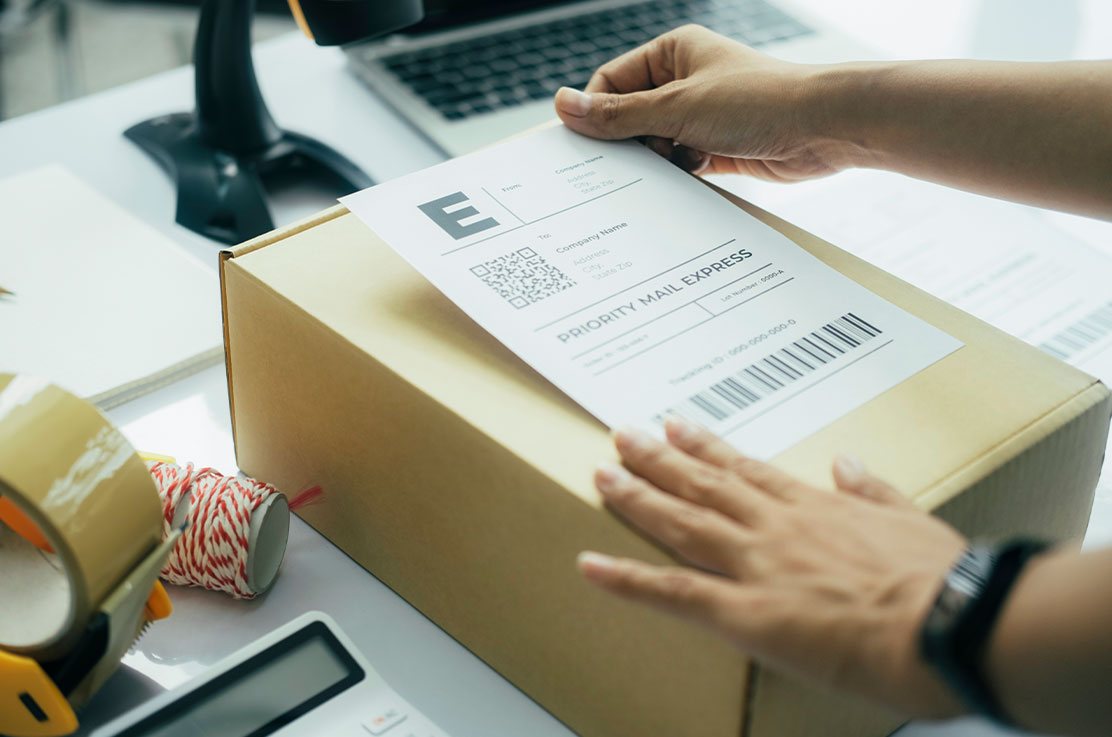
In the food industry, materials need to withstand refrigeration, freezing, and humid environments while maintaining label integrity. In the cosmetics industry, labels emphasize visual quality and scratch resistance. In the electronics sector, higher dimensional stability and temperature resistance are required. In the logistics industry, labels must remain clearly identifiable during long-distance transportation and frequent friction.
Johnson integrates application scenario feedback directly into the material development process through in-depth communication with customers, making product designs more closely aligned with actual usage conditions.
Combining Large-Scale Manufacturing with Customization Capabilities
In the modern materials industry, technological advantages alone are insufficient for long-term competitiveness; large-scale production capabilities are equally crucial. Adhesive Film Labelstock's stable supply relies on a mature production system and rigorous quality control.
Shenzhen Johnson New Materials Co., Ltd. boasts a production capacity of approximately 20 million square meters per month, supporting continuous delivery of large-volume orders. High-speed coating equipment and standardized production processes ensure consistent performance across different batches.
The company can also provide customized solutions based on customer needs, including different faceplate combinations, adhesive system adjustments, and optimized backing paper structures, enabling materials to more precisely match end-application requirements.
The Industry is Moving Towards Greater Integration
From an overall perspective, the label material industry is developing towards greater integration. Future Adhesive Film Labelstock will not only need basic adhesive and printing performance but will also gradually integrate environmental friendliness, recyclability, and intelligent identification functions.
The widespread adoption of digital printing technology will further drive upgrades in material surface treatment processes, achieving a higher balance between visual appeal and functionality in labels.
Johnson has continuously strengthened its technological accumulation and market understanding throughout its long-term development, enabling its products to better adapt to industry changes.
FAQ
Q1: Which major industries is Adhesive Film Labelstock suitable for?
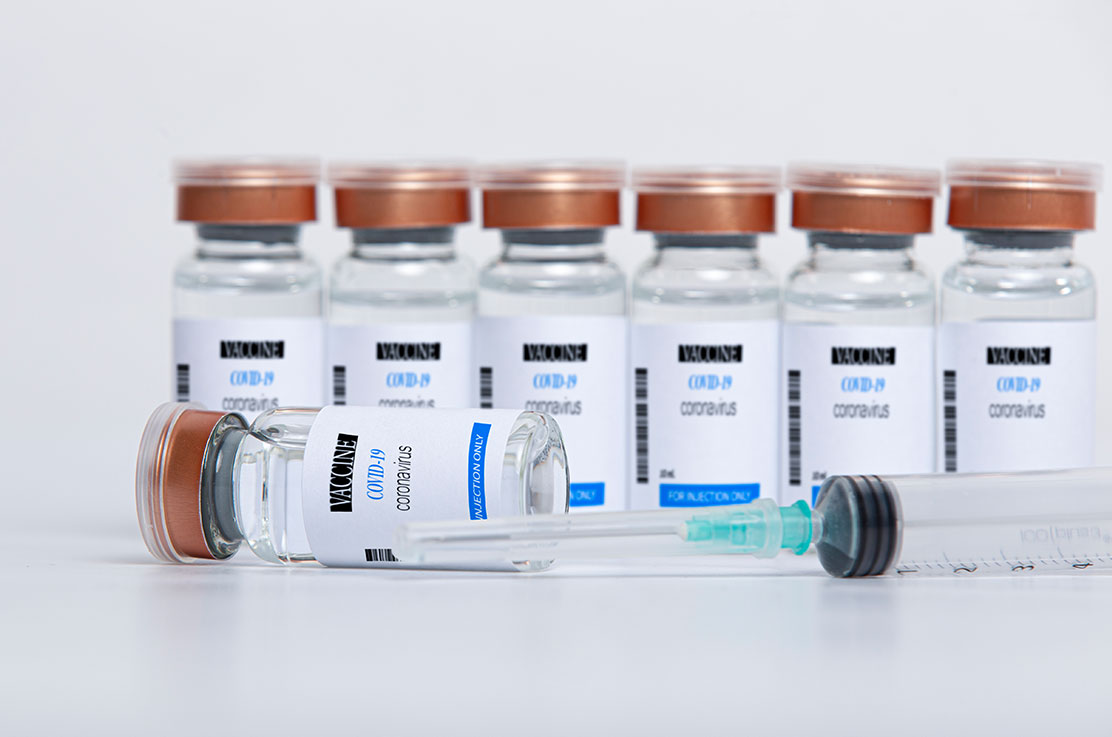
Widely used in the food, beverage, cosmetics, pharmaceutical, electronics, and logistics industries, suitable for various complex usage environments.
Q2: Is this material stable at low temperatures?
Through reasonable adhesive layer design and face stock selection, it can maintain stable adhesion and integrity in refrigerated and frozen environments.
Q3: Does it support multiple printing methods?
It is compatible with multiple printing technologies such as flexographic printing, offset printing, screen printing, UV rotary printing, and digital inkjet printing.
Q4: How do you ensure consistency in mass production?
Through high-speed coating production lines and a strict quality control system, consistent performance is achieved between different batches.
Q5: Can it be customized to meet specific needs?
Yes, the face stock, adhesive layer, and backing paper structure can be tailored to the application scenario to meet different customer needs.



 English
 русский
 Español