How to Choose the Right Self Adhesive Direct Thermal Paper?
Choosing the right self adhesive direct thermal paper can significantly improve printing efficiency, label durability, and operational accuracy. Whether you are producing shipping labels, barcode labels, retail price tags, or logistics stickers, selecting the appropriate material requires understanding its coating, adhesive, face stock, application environment, and printing requirements.
What Is Self Adhesive Direct Thermal Paper?
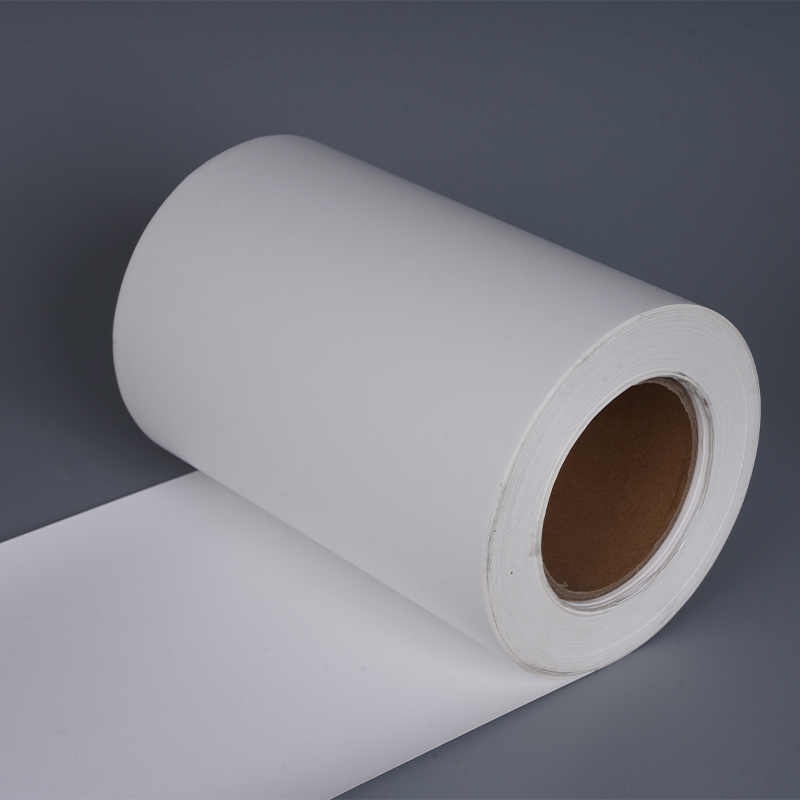
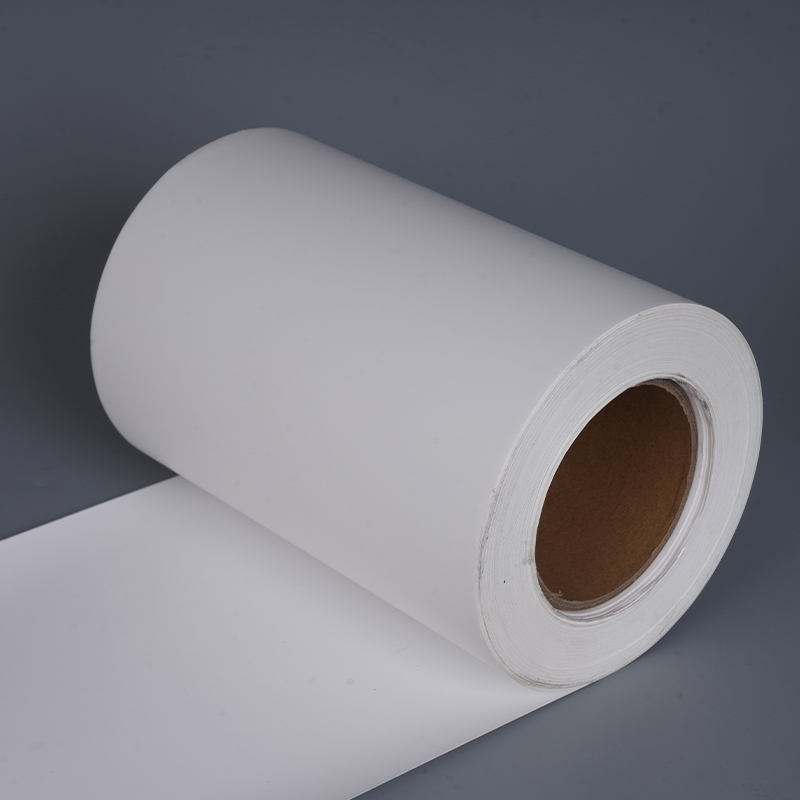
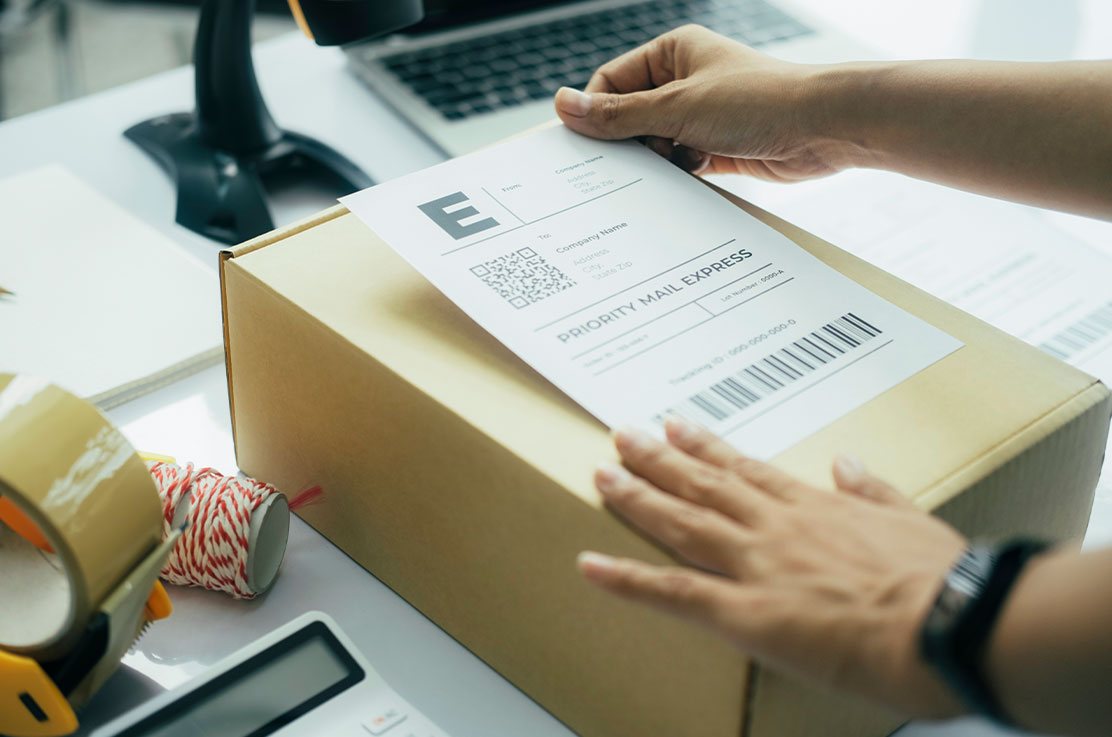
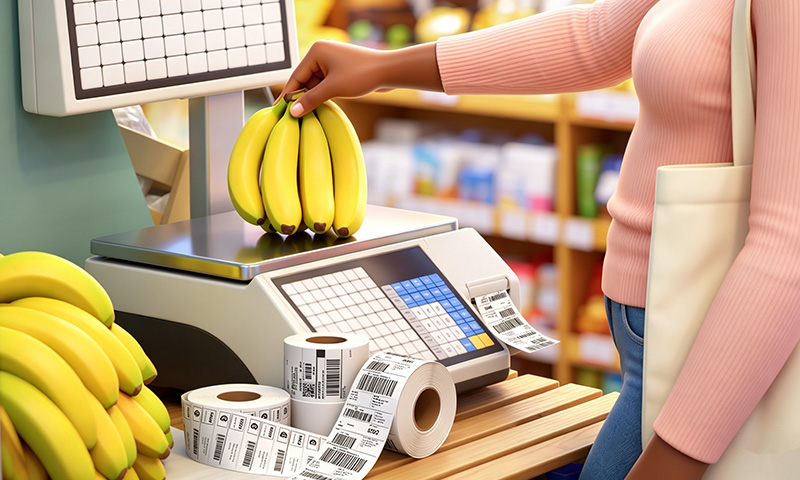
Self adhesive direct thermal paper is a pressure-sensitive labeling material that produces images through heat instead of ink, toner, or ribbons. The thermal coating reacts instantly when exposed to the print head, making it an efficient solution for high-volume labeling applications.
Compared with conventional printing materials, direct thermal labels simplify the printing process, reduce consumable costs, and improve production efficiency. They are widely used for:
- Shipping labels
- Logistics labels
- Warehouse barcode labels
- Retail shelf labels
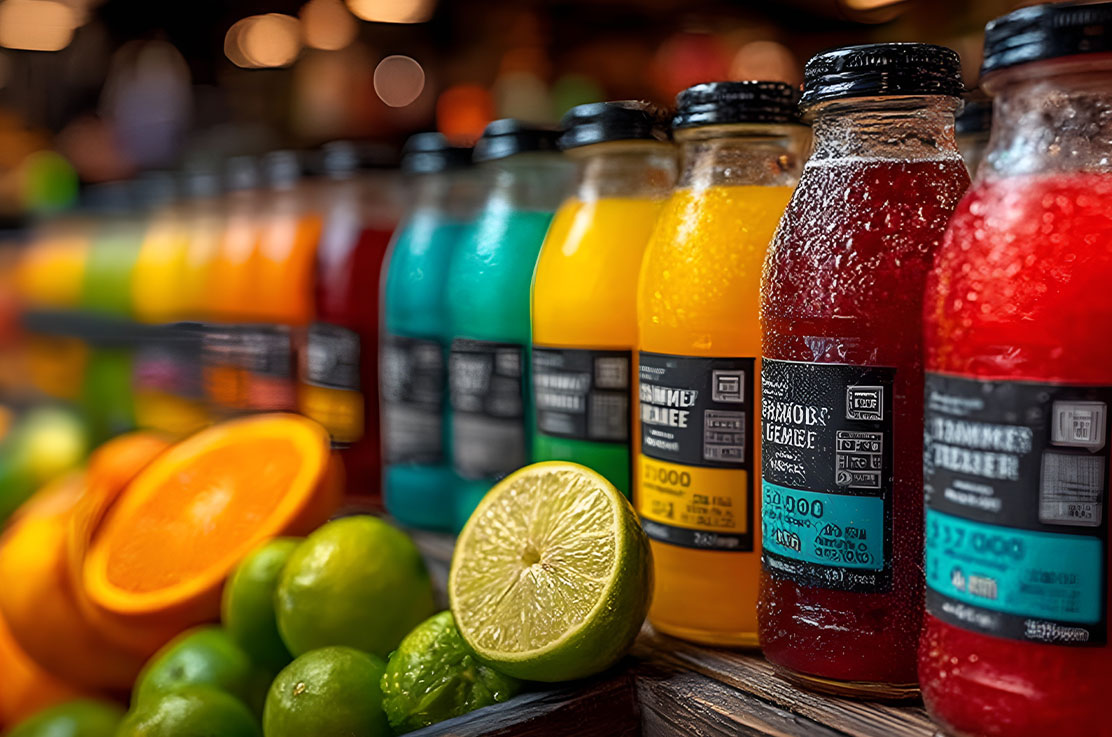
- Food packaging labels
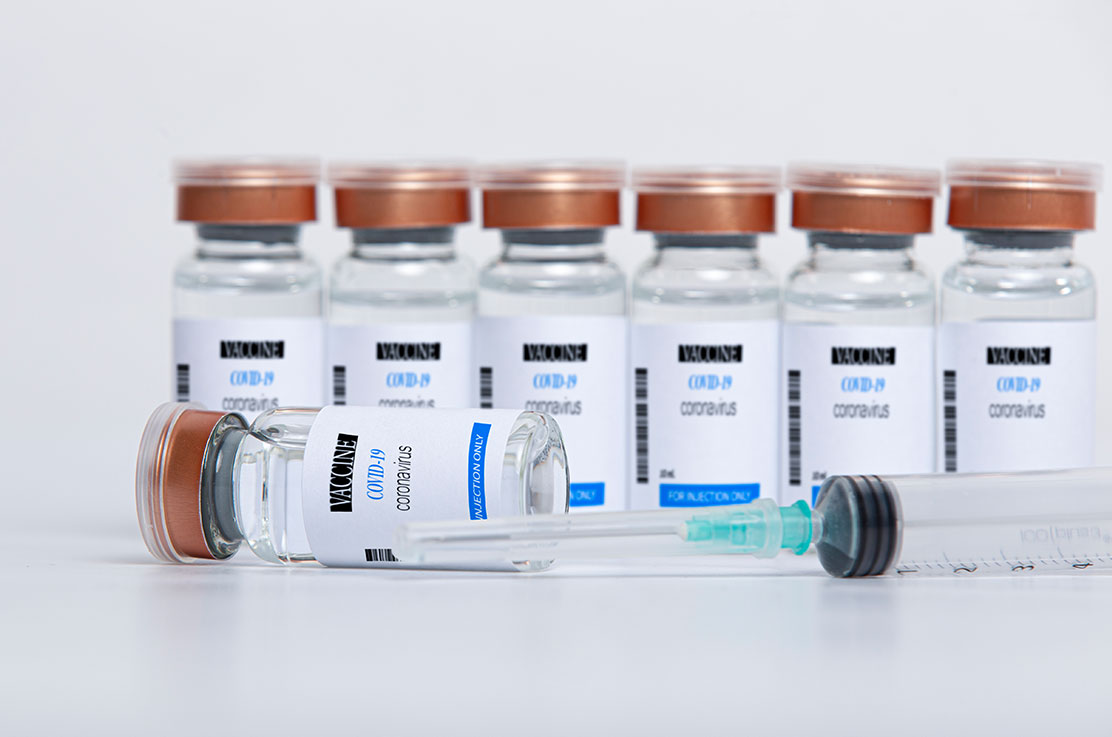
- Pharmaceutical identification labels
- Inventory management labels
The combination of thermal sensitivity and self-adhesive backing makes this material ideal for industries requiring fast, accurate, and cost-effective labeling.
Why Is Material Selection Important?
Not every thermal label performs equally in different environments. Factors such as temperature, humidity, storage time, surface material, and application conditions all influence label performance.
Selecting the appropriate direct thermal label paper helps:
- Improve barcode readability
- Reduce printing failures
- Increase adhesive reliability
- Prevent label curling or peeling
- Extend label service life
- Enhance production efficiency
A carefully selected material also minimizes replacement frequency and improves overall operational consistency.
Key Factors When Choosing Self Adhesive Direct Thermal Paper
Evaluate the Printing Environment
Different operating environments require different thermal paper characteristics.
| Selection Factor |
Recommendation |
Benefit |
| Indoor warehouse |
Standard thermal coating |
Excellent print clarity |
| Cold storage |
Low-temperature adhesive |
Strong adhesion after refrigeration |
| Humid environment |
Moisture-resistant coating |
Better image stability |
| High-speed printing |
Premium thermal coating |
Smooth printing performance |
Matching the label material to the working environment helps maintain consistent print quality throughout the product lifecycle.
Select the Appropriate Adhesive
The adhesive determines how well the label remains attached throughout transportation, storage, and handling.
| Adhesive Type |
Suitable Applications |
Characteristics |
| Permanent Acrylic |
Cartons, plastic, metal |
Long-lasting adhesion |
| Hot Melt Adhesive |
Logistics, express delivery |
High initial tack |
| Removable Adhesive |
Retail pricing |
Easy removal with minimal residue |
The correct adhesive should be selected according to substrate type, temperature conditions, and expected service duration.
Consider Surface Material Quality
The face stock directly affects print clarity and scanning performance.
High-quality self adhesive direct thermal paper typically offers:
- Uniform thermal coating
- Smooth printing surface
- High image density
- Excellent barcode contrast
- Stable paper thickness
- Reduced print head wear
A premium surface ensures accurate barcode recognition even during high-speed printing.
Match the Label to the Application
Different industries have unique labeling requirements.
| Industry |
Typical Label Application |
| Logistics |
Shipping labels, parcel labels |
| Retail |
Price labels, shelf labels |
| Food & Beverage |
Packaging identification |
| Pharmaceutical |
Product tracking labels |
| Electronics |
Inventory labels |
| Warehousing |
Barcode management |
Understanding the application helps determine the optimal combination of adhesive, coating, and paper weight.
Additional Performance Features to Consider
When comparing thermal label paper, several additional characteristics deserve attention:
- Excellent print sensitivity
- Sharp barcode definition
- Strong adhesive performance
- Consistent release liner quality
- Good dimensional stability
- Smooth die-cutting compatibility
- Reliable automatic labeling performance
These features contribute to improved production efficiency while reducing machine downtime.
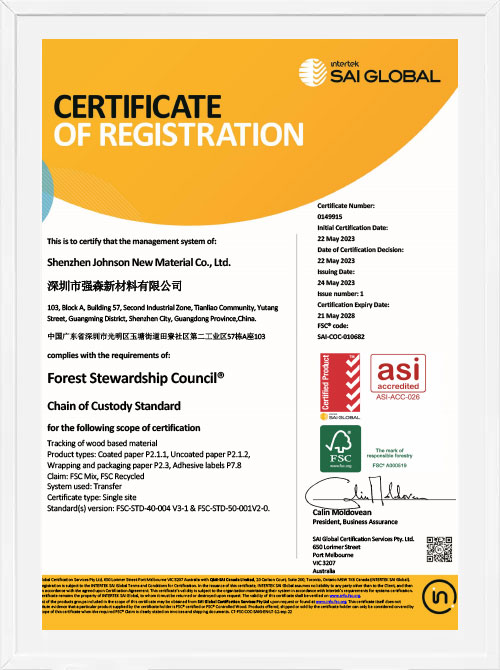
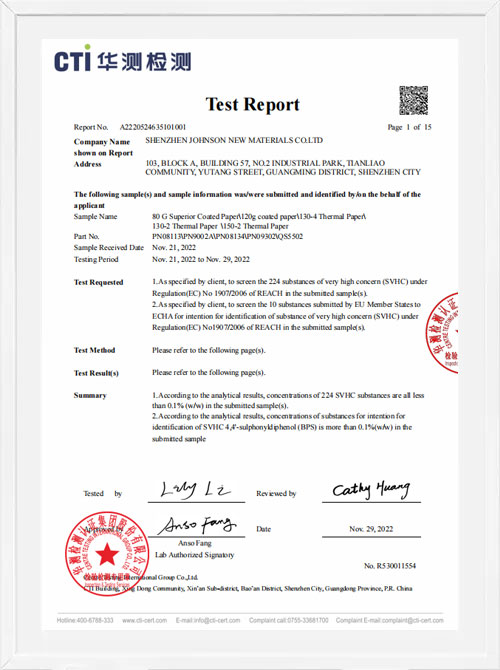
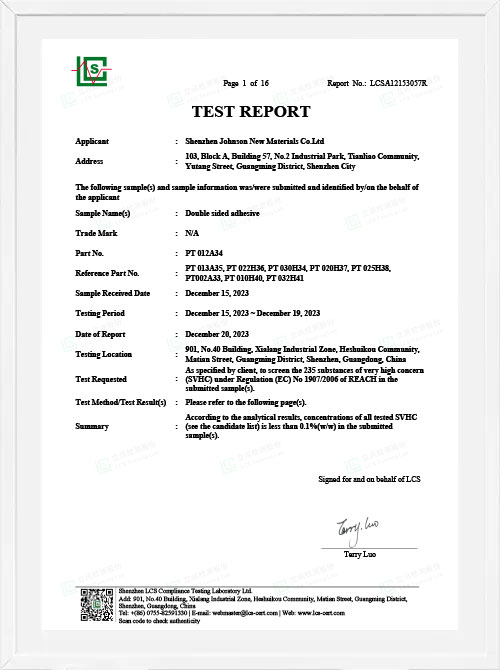
Choosing a Reliable Manufacturing Partner
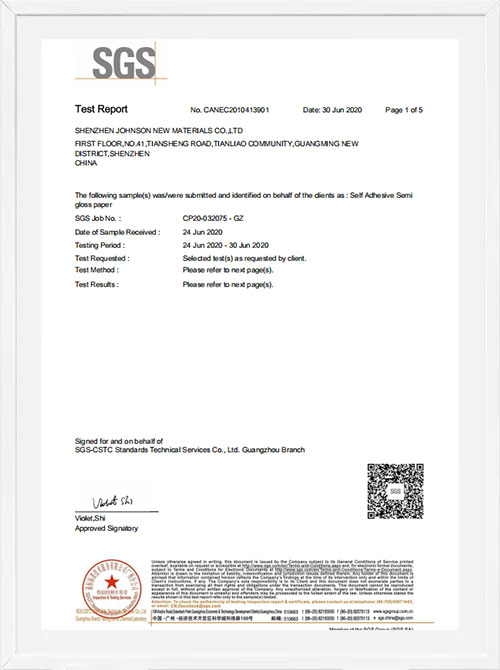
Material quality depends not only on specifications but also on manufacturing capability and quality control.
Shenzhen Johnson New Materials Co., Ltd. specializes in developing and producing label materials suitable for multiple printing technologies, including flexography, offset, screen printing, silk-screen printing, UV rotary printing, digital printing, and inkjet printing. Its products are widely applied across food, beverage, cosmetics, pharmaceuticals, electronics, and logistics industries.
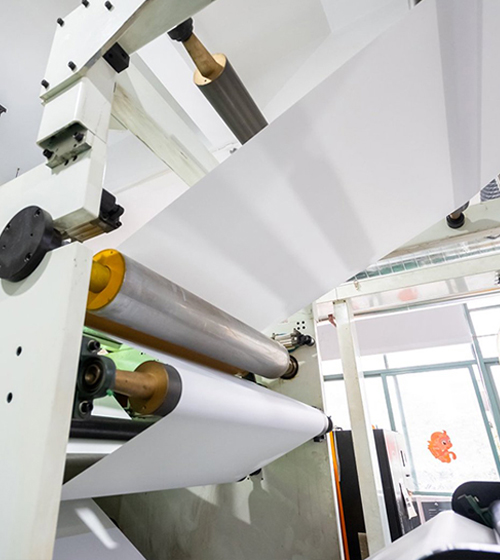
To ensure stable product quality and efficient supply, Shenzhen Johnson New Materials Co., Ltd. operates advanced high-speed adhesive coating lines with a monthly production capacity of 20 million square meters. The production system supports both hot melt and acrylic adhesive technologies, enabling flexible customization for different application requirements.
Beyond manufacturing, Shenzhen Johnson New Materials Co., Ltd. works closely with customers to understand labeling environments, printing methods, and performance expectations. This collaborative approach helps deliver tailored self adhesive direct thermal paper solutions that improve printing efficiency, label consistency, and application reliability.
Common Mistakes to Avoid
Many buyers focus only on price while overlooking material compatibility. Common selection mistakes include:
- Choosing the wrong adhesive for the application surface
- Ignoring storage temperature requirements
- Selecting paper with insufficient thermal sensitivity
- Overlooking printer compatibility
- Using labels beyond their intended service conditions
Evaluating the complete application scenario before purchasing can significantly improve labeling performance and reduce operating costs.
Conclusion
Selecting the right self adhesive direct thermal paper requires balancing print quality, adhesive performance, environmental resistance, and application requirements. By considering printing conditions, substrate compatibility, thermal coating quality, and adhesive technology, businesses can achieve reliable labeling performance while improving productivity and reducing maintenance costs.
Working with an experienced manufacturer that offers stable production capabilities and customized material solutions further ensures consistent product quality and long-term operational efficiency.
FAQ
1. What is self adhesive direct thermal paper used for?
It is widely used for shipping labels, barcode labels, logistics labels, warehouse management, retail pricing, food packaging, and pharmaceutical identification where fast, ribbon-free printing is required.
2. How is self adhesive direct thermal paper different from thermal transfer labels?
Direct thermal paper prints through heat-sensitive coatings without ribbons, while thermal transfer labels require a ribbon to transfer ink, making them better suited for long-term durability.
3. Which adhesive is best for logistics labels?
Hot melt adhesives are commonly preferred because they provide strong initial adhesion and perform well on corrugated cartons and various packaging materials.
4. Can direct thermal labels be used in cold storage?
Yes. When equipped with low-temperature adhesive formulations, self adhesive direct thermal paper can maintain reliable adhesion in refrigerated and frozen environments.
5. What should I consider before purchasing self adhesive direct thermal paper?
Key considerations include print compatibility, adhesive type, thermal coating quality, application environment, surface material, storage conditions, and the manufacturer’s production capability and quality control.





 English
 русский
 Español