What Should You Know Before Purchasing PET Release Film?
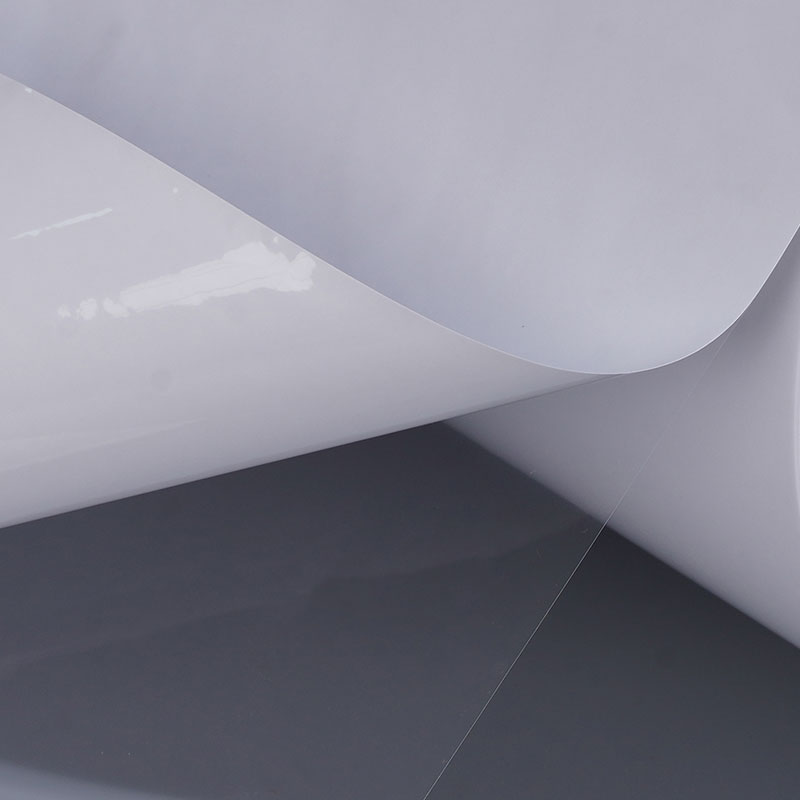
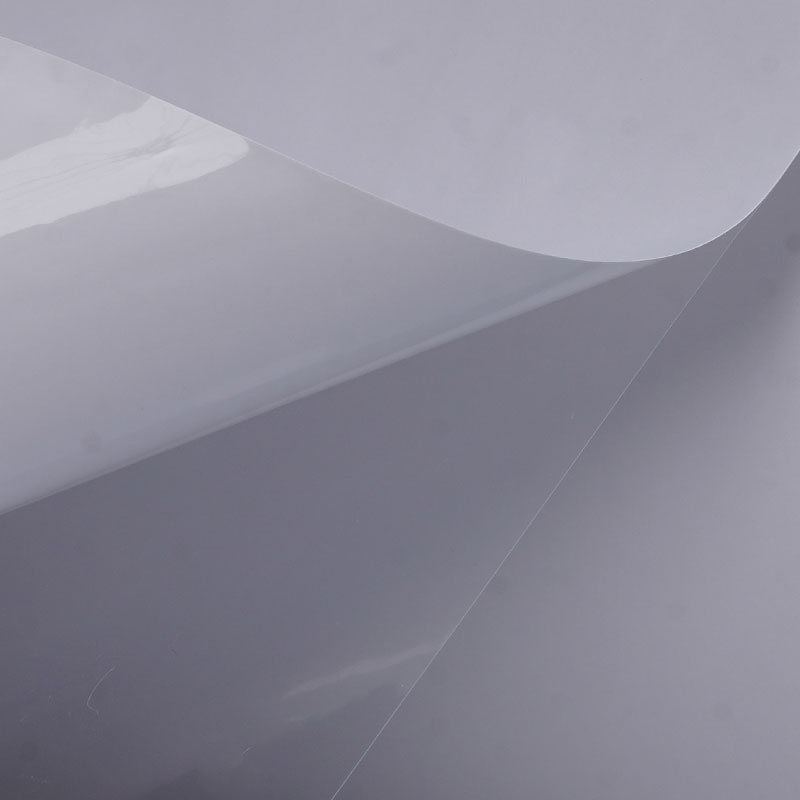
PET release film is a polyester film coated with a controlled release layer, typically silicone, that allows adhesives, resins, and other pressure-sensitive materials to separate cleanly during processing or application. Because polyester offers excellent dimensional stability, mechanical strength, and heat resistance, PET-based release liners are widely used in precision manufacturing.
Among various options, silicone coated release film remains one of the most popular choices due to its consistent release force, chemical stability, and compatibility with numerous adhesive systems.
Typical applications include:
- Pressure-sensitive labels
- Graphic films
- Protective films
- Medical adhesive products
- Electronic components
- Composite materials
- Die-cutting processes
- Industrial tapes
Choosing the correct release film requires more than selecting a film thickness. Every application demands a combination of suitable substrate, coating technology, release level, and environmental performance.
Key Factors to Consider Before Purchasing PET Release Film
Identify Your Application Requirements
The first step is defining how the release film will be used.
Different manufacturing processes require different release characteristics. A release liner designed for high-speed label converting may not perform well in electronic lamination or medical adhesive production.
Consider questions such as:
- What adhesive system will be used?
- Is the release liner intended for single or multiple releases?
- Will the material encounter high temperatures?
- Is optical clarity important?
- Does the application require die-cutting precision?
A clear understanding of the end-use environment helps prevent compatibility issues later in production.
Evaluate the Silicone Coating Performance
The performance of a silicone coated release film largely depends on coating quality rather than simply the PET substrate itself.
Important coating characteristics include:
| Feature |
Importance |
| Uniform silicone coating |
Ensures stable release force |
| Controlled release level |
Matches adhesive requirements |
| High curing quality |
Prevents silicone transfer |
| Excellent coating adhesion |
Improves durability during converting |
| Chemical resistance |
Maintains performance under processing conditions |
Poor coating uniformity may lead to inconsistent peeling, adhesive contamination, or production instability.
Select the Appropriate Release Force
Release force is one of the most important purchasing considerations.
Generally, release levels include:
| Release Level |
Typical Applications |
| Easy Release |
Labels, stickers, protective films |
| Medium Release |
Industrial tapes, transfer materials |
| Tight Release |
High-performance adhesives, specialty laminates |
Selecting an excessively low release force may result in premature separation, while an overly high release force can damage adhesive layers or reduce production efficiency.
Manufacturers should evaluate release values according to their adhesive formulations rather than relying solely on standard specifications.
Consider Film Thickness
PET release films are available in multiple thicknesses to satisfy different converting requirements.
Common selection factors include:
- Mechanical strength
- Dimensional stability
- Die-cutting performance
- Handling during automated production
- Cost efficiency
Thicker films generally provide greater rigidity and stability, while thinner films help reduce material consumption and transportation costs.
The optimal choice depends on balancing process requirements with economic considerations.
Material Characteristics That Influence Performance
PET has become one of the preferred release liner materials because it combines several important advantages.
| Property |
Benefit |
| High tensile strength |
Resists tearing during converting |
| Excellent dimensional stability |
Maintains registration accuracy |
| Heat resistance |
Suitable for high-temperature processing |
| Smooth surface |
Supports uniform silicone coating |
| Chemical resistance |
Compatible with various adhesives |
| Low shrinkage |
Improves precision manufacturing |
These properties make PET release film suitable for demanding industrial environments where consistent quality is essential.
Compatibility with Adhesive Systems
Not every release film works equally well with every adhesive.
Compatibility should be evaluated with:
- Acrylic adhesives
- Hot melt adhesives
- Rubber-based adhesives
- Silicone adhesives
- UV-curable adhesives
Testing before large-scale production helps verify release consistency, adhesion performance, and processing stability.
A well-matched release liner minimizes production interruptions and improves final product quality.
Surface Quality Matters
Even small surface imperfections can affect converting performance.
Quality inspection should include:
- Surface cleanliness
- Coating uniformity
- Flatness
- Scratch resistance
- Optical appearance
- Thickness consistency
High-quality release liners reduce waste during die-cutting, laminating, and slitting operations.
Environmental and Sustainability Considerations
Environmental compliance has become an important purchasing criterion for global manufacturers.
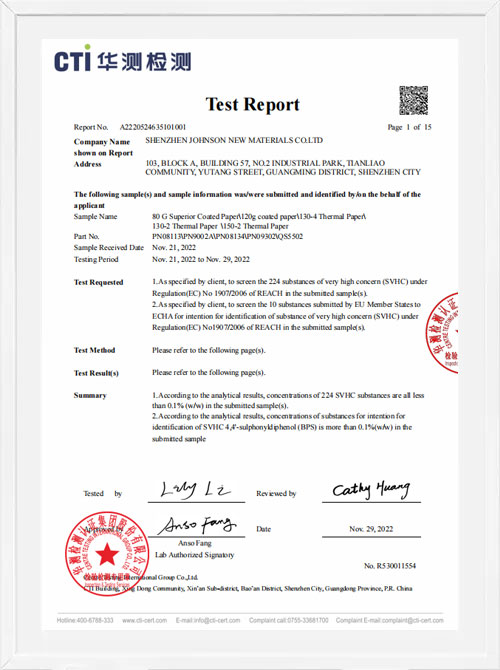
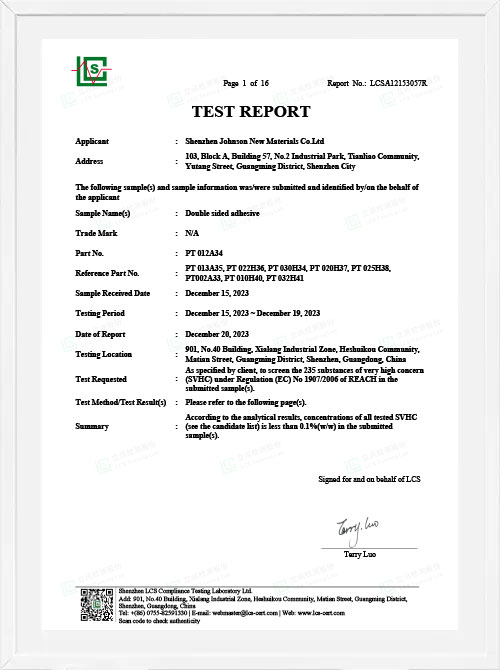
Many industries now prioritize release materials produced using environmentally responsible manufacturing processes and certified raw materials.
When evaluating suppliers, consider whether their products comply with recognized environmental standards and whether sustainable sourcing practices are integrated into production.
This not only supports regulatory compliance but also strengthens supply chain sustainability.
Manufacturing Capability Is Equally Important
A reliable supplier provides more than just products—it offers consistent manufacturing quality, technical support, and stable supply capacity.
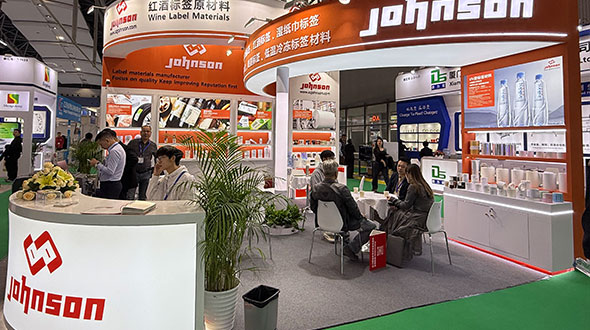
Shenzhen Johnson New Materials Co., Ltd. specializes in developing and manufacturing label materials compatible with multiple printing technologies, including flexography, offset printing, screen printing, silk-screen printing, UV rotary printing, digital printing, and inkjet printing.
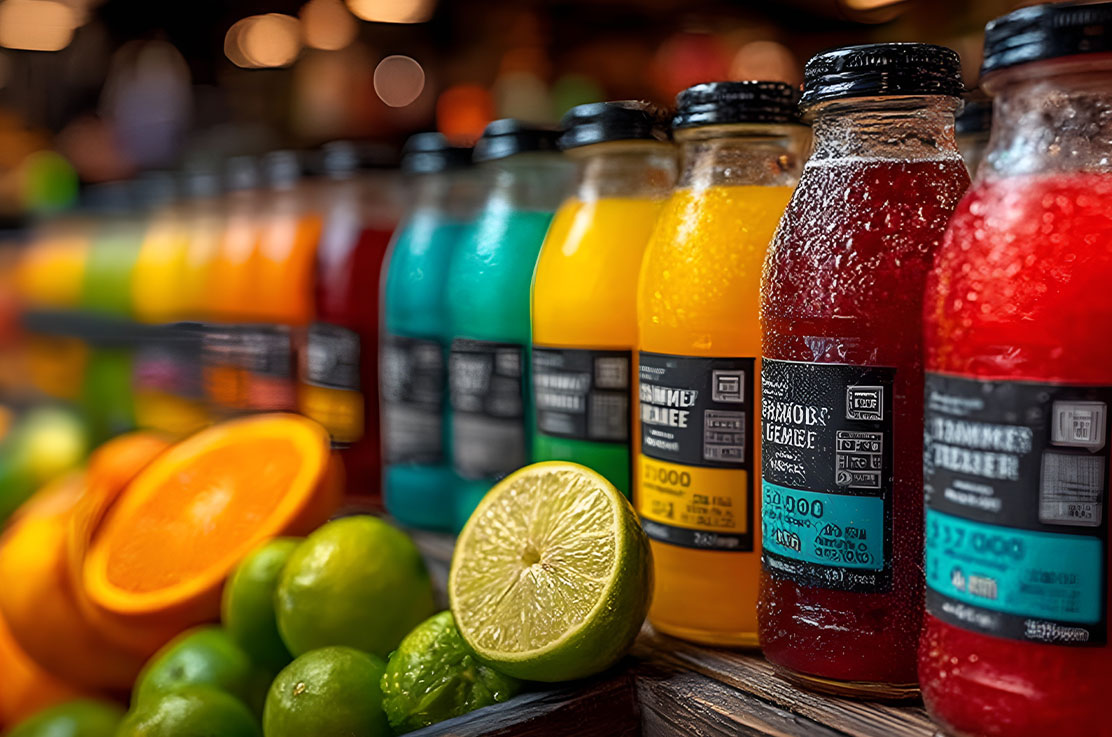
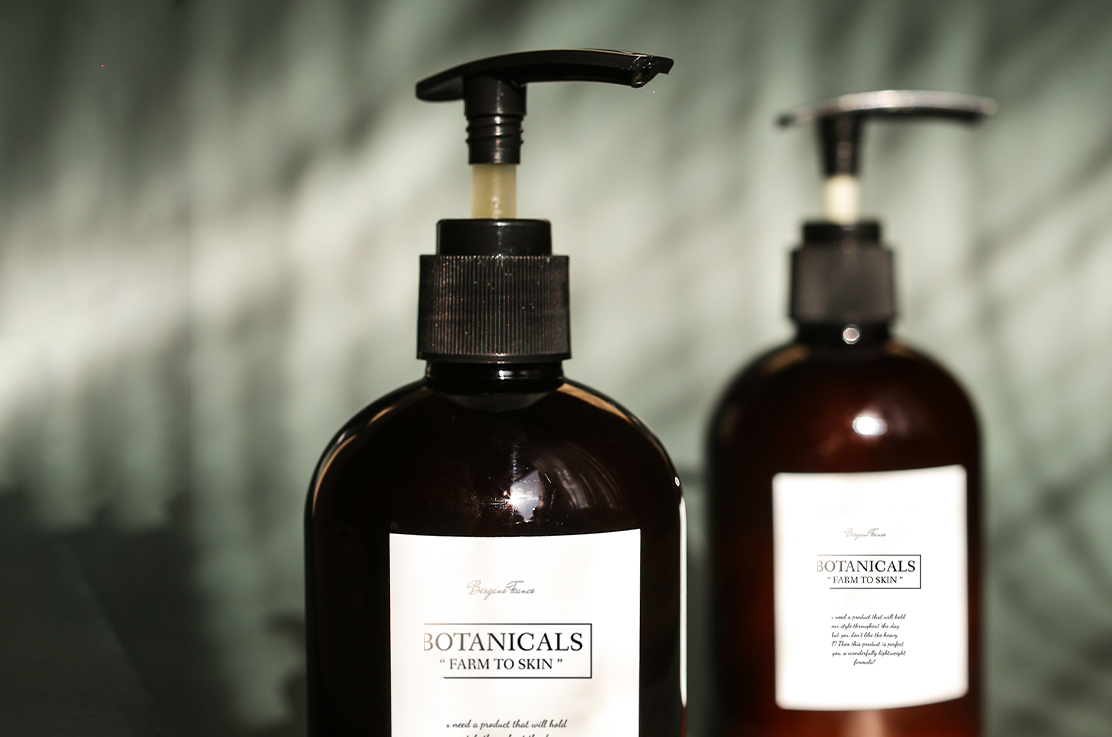
Its products are widely applied across industries such as food, beverage, cosmetics, pharmaceuticals, electronics, and logistics, supporting diverse labeling requirements.
To ensure consistent product quality and efficient delivery, the company operates advanced high-speed adhesive coating lines with a monthly production capacity of approximately 20 million square meters. These production systems support both hot melt and acrylic adhesive technologies, enabling flexible manufacturing while maintaining stable quality standards. The company’s technical sales team also works closely with customers to understand application requirements and recommend suitable material solutions.
Why Sustainability Should Influence Purchasing Decisions
Sustainable manufacturing is becoming an increasingly important consideration for companies operating in international markets.
Shenzhen Johnson New Materials Co., Ltd. emphasizes environmentally responsible production by incorporating eco-friendly raw materials into its non-adhesive label material manufacturing processes. Rather than focusing solely on production efficiency, the company integrates sustainability into product development.
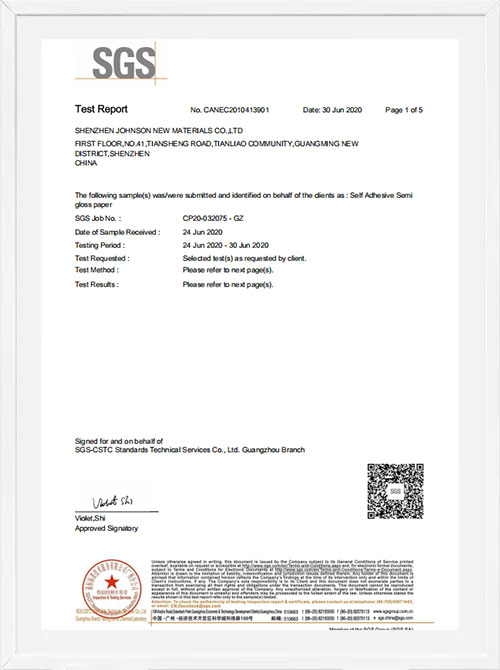
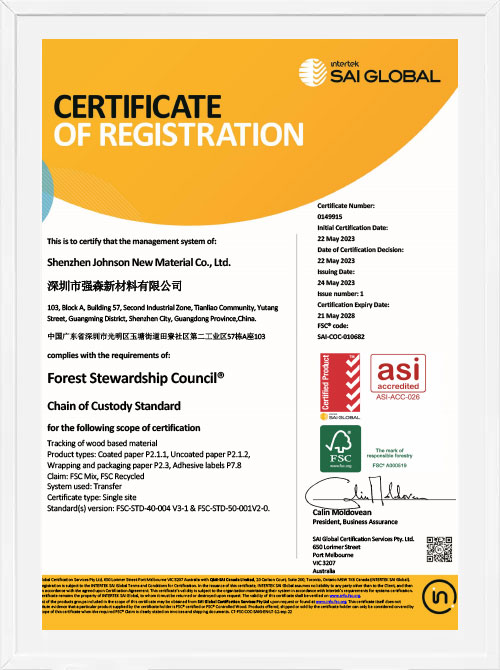
Its products comply with the EU RoHS Directive and have obtained SGS and FSC certifications, helping customers meet environmental requirements across Europe, North America, and Asia while supporting responsible sourcing initiatives.
For companies exporting globally, selecting environmentally compliant PET release film can simplify regulatory approval and improve market acceptance.
Conclusion
Purchasing PET release film involves much more than comparing prices or film thickness. Factors such as release force, silicone coating quality, adhesive compatibility, dimensional stability, processing performance, environmental compliance, and supplier manufacturing capability all contribute to long-term production efficiency and product reliability.
By carefully evaluating these technical considerations and choosing a dependable silicone coated release film supplier with strong manufacturing expertise and sustainability practices, manufacturers can improve product consistency, reduce operational risks, and optimize overall production performance.
FAQ
1. What is the difference between PET release film and silicone coated release film?
PET release film refers to the polyester film substrate, while silicone coated release film describes PET film that has been coated with a silicone release layer to provide controlled release performance.
2. How do I choose the correct release force?
The appropriate release force depends on the adhesive type, converting process, and application requirements. Compatibility testing is recommended before full-scale production.
3. Why is PET preferred over other release liner materials?
PET offers excellent dimensional stability, high tensile strength, heat resistance, chemical resistance, and smooth surface quality, making it suitable for precision industrial applications.
4. What industries commonly use PET release film?
PET release film is widely used in label manufacturing, electronics, medical products, industrial tapes, protective films, composite materials, and various pressure-sensitive adhesive applications.
5. Why are environmental certifications important when purchasing PET release film?
Certifications such as EU RoHS, SGS, and FSC demonstrate compliance with environmental and sustainability standards, helping manufacturers satisfy global regulatory requirements and support responsible sourcing.



 English
 русский
 Español