Why Is Self-Adhesive Paper Essential for Modern Label Printing?
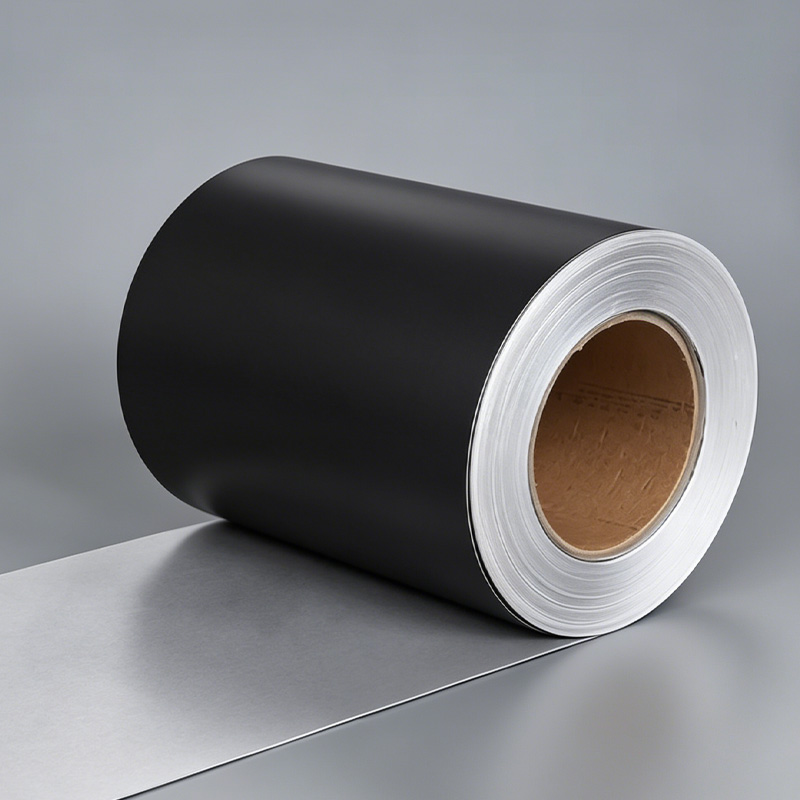
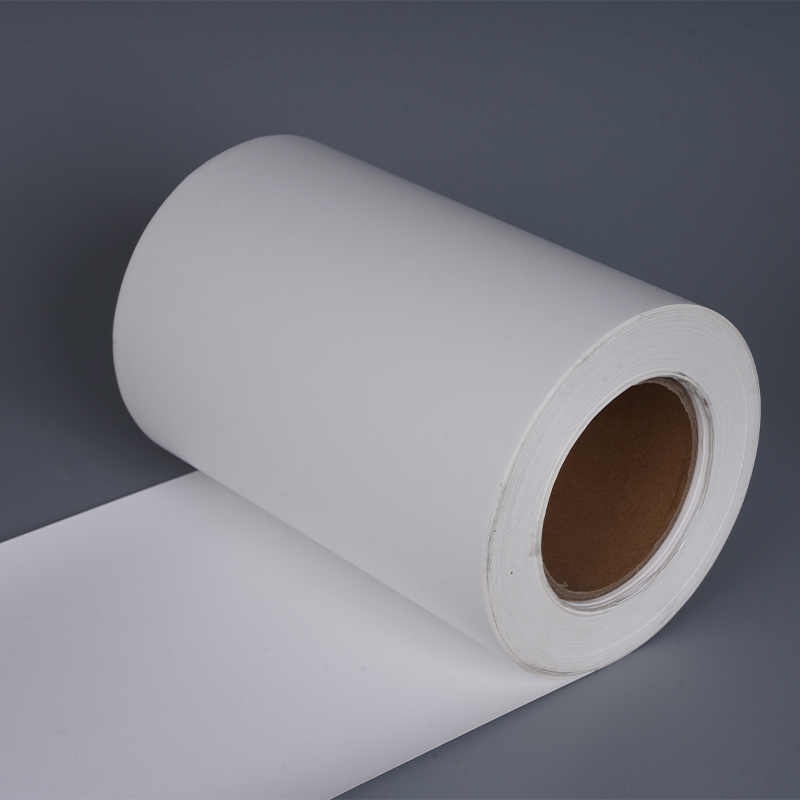
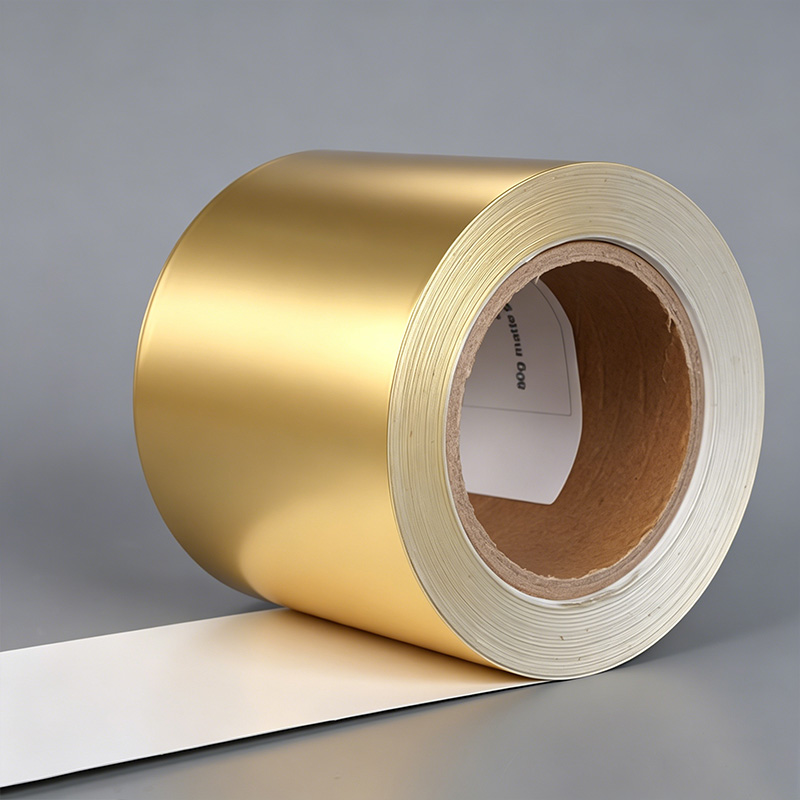
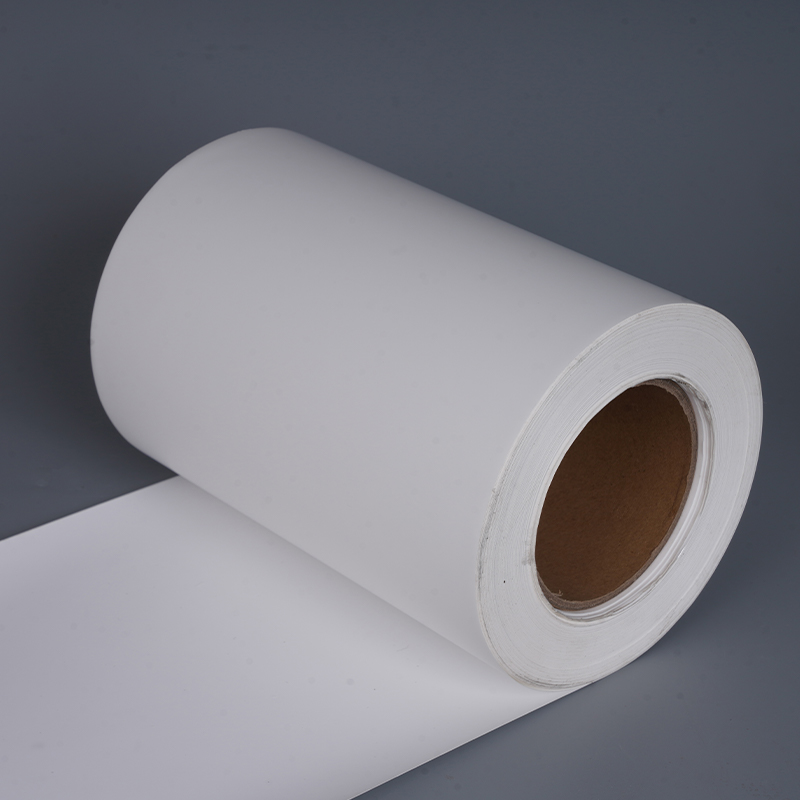
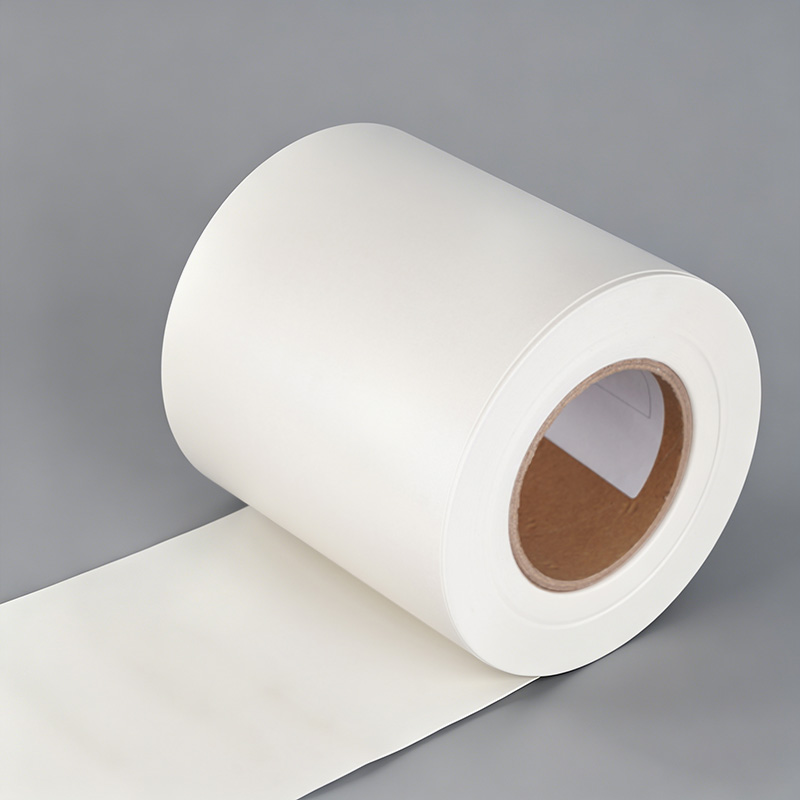
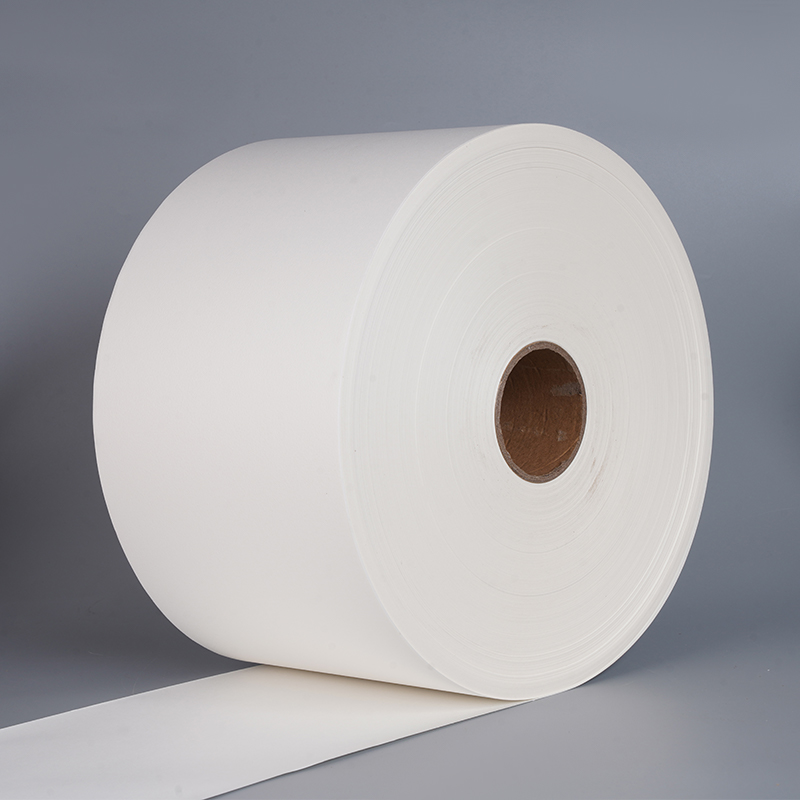
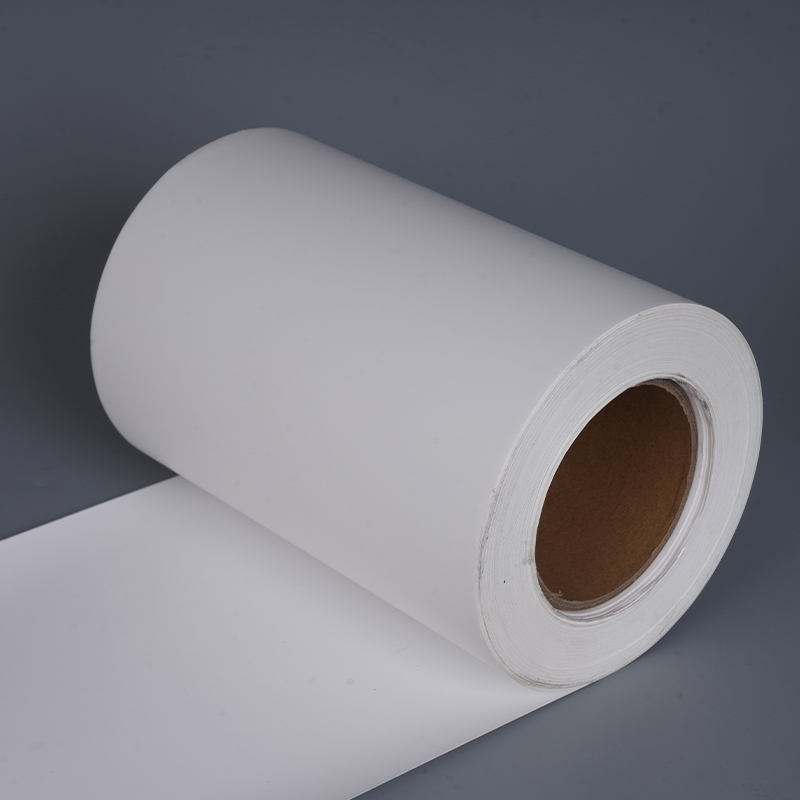
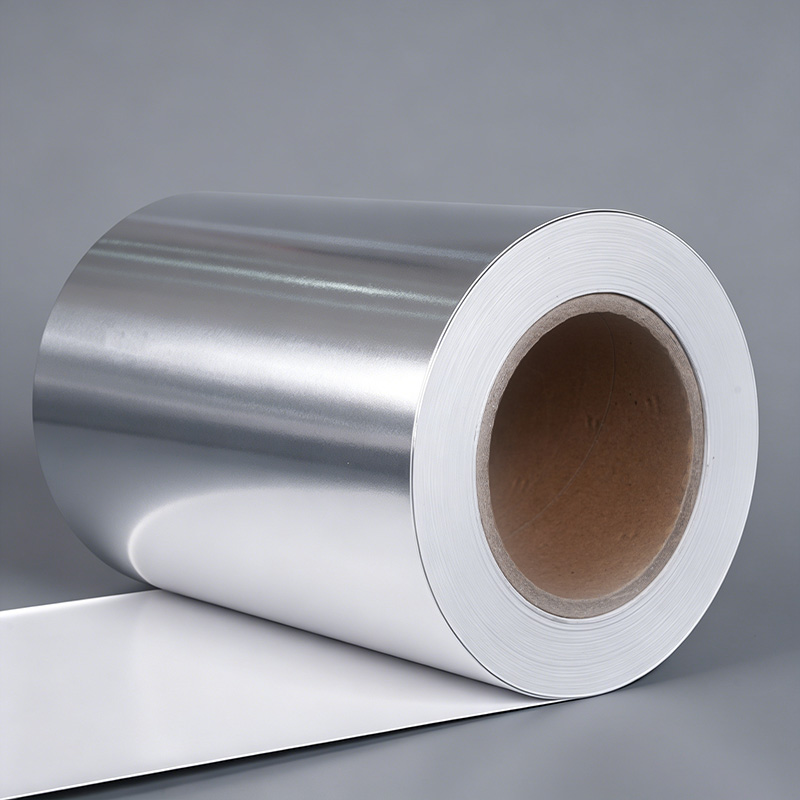
In modern packaging, logistics, retail, and industrial manufacturing, Self-Adhesive Paper has become an indispensable material. From product labels to shipping labels, from food packaging to electronic product identification, almost every product relies on a stable self-adhesive label. As brands increasingly demand higher standards for product image, production efficiency, and information management, self-adhesive paper not only serves an identification function but has also become a crucial medium for companies to enhance product value and operational efficiency.
Why Can Self-Adhesive Paper Replace Traditional Labeling Methods?
Traditional labels typically require additional adhesive or other fixing methods for application, which is not only inefficient but also prone to contamination and waste. In contrast, Self-Adhesive Paper uses a pre-coated pressure-sensitive adhesive (PSA) structure, allowing for direct application simply by peeling off the release liner, significantly improving production efficiency.
A complete self-adhesive paper sheet typically consists of three parts: the face stock, the pressure-sensitive adhesive layer, and the release liner. These three components work together to ensure excellent printing quality, reliable adhesion, and outstanding converting performance.
This structural design enables self-adhesive paper to be widely used in automated labeling equipment, supporting high-speed continuous labeling while reducing labor costs and minimizing production errors.
With the development of intelligent manufacturing, high-efficiency and high-stability labeling solutions have become the preferred choice for many companies, making Self-Adhesive Paper an essential part of modern production.
What Are the Different Requirements for Self-Adhesive Paper Across Industries?
Although all products belong to the category of self-adhesive paper, different industries require different material properties.
Food Industry
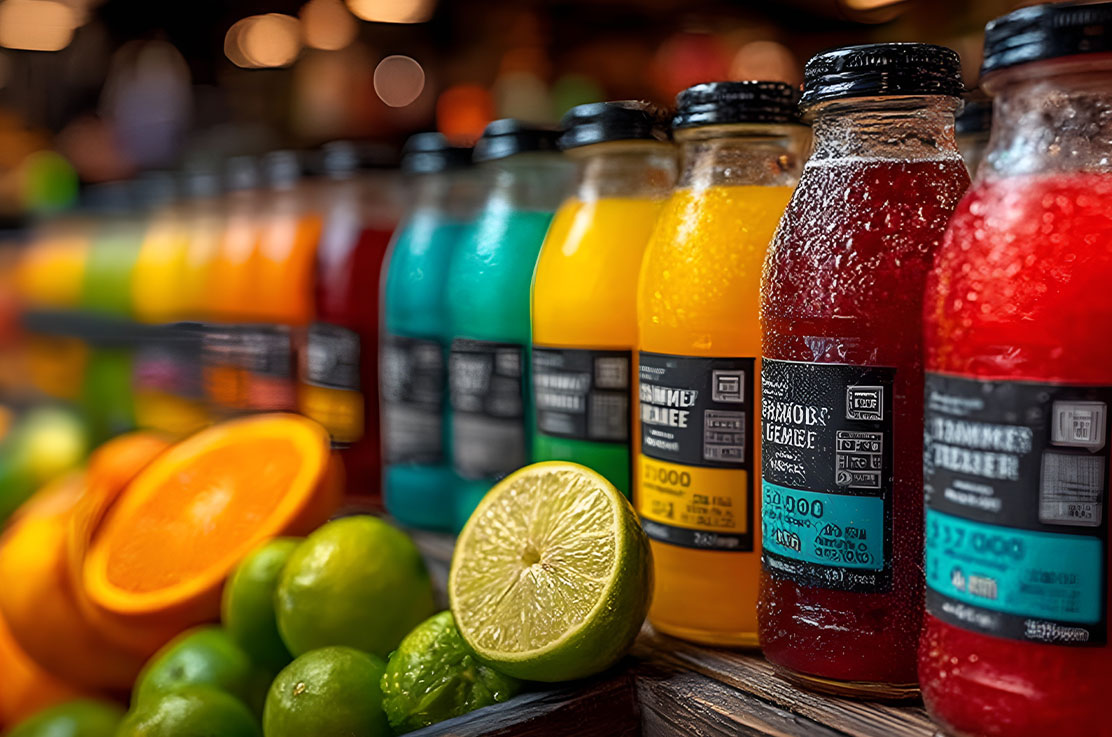
The food industry pays close attention to environmental performance, moisture resistance, and stable adhesion under refrigerated conditions. Labels must remain clear while withstanding low temperatures, condensation, and changing transportation environments.
Cosmetics Industry
Cosmetic labels require excellent appearance. High gloss, high whiteness, and superior printability help brands create premium packaging while ensuring the adhesive does not contaminate containers or affect the consumer experience.
Logistics Industry
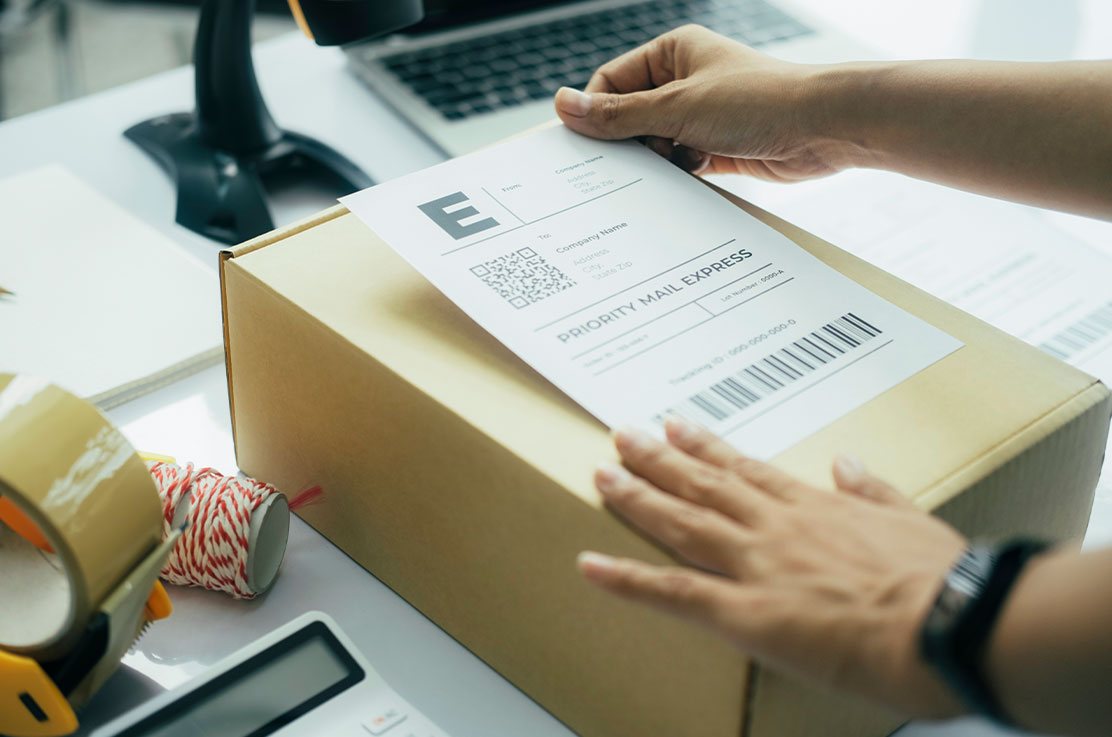
Logistics labels require compatibility with high-speed printing systems and reliable adhesion. Shipping labels must remain intact throughout transportation, handling, and warehousing without curling, peeling, or fading.
Electronics Industry
The electronics sector demands materials with dimensional stability, resistance to extreme temperatures, and excellent chemical resistance to perform reliably in complex manufacturing environments.
As application scenarios continue to diversify, market expectations for Self-Adhesive Paper continue to increase, making material innovation and R&D increasingly important.
What Properties Should High-Quality Self-Adhesive Paper Have?
While price is often a purchasing consideration, overall material performance has a much greater impact on label quality.
Excellent Printability
High-quality self-adhesive paper should support multiple printing technologies, including flexographic printing, offset printing, screen printing, UV rotary printing, digital printing, and inkjet printing.
Reliable Adhesive Performance
Different substrates such as glass, PET, PE, PP, cardboard, and metal require different levels of initial tack, holding power, and final adhesion. Therefore, the stability of the pressure-sensitive adhesive system directly affects labeling performance.
Outstanding Die-Cutting Performance
Premium materials provide clean die-cutting edges and smooth matrix removal during high-speed production, helping manufacturers reduce downtime and improve production efficiency.
Strong Weather Resistance
Whether exposed to high temperatures, freezing conditions, UV radiation, or humid environments, quality self-adhesive paper should maintain stable performance and ensure labels remain readable over time.
These performance characteristics directly influence product quality, manufacturing efficiency, and customer satisfaction.
Why Are More Companies Choosing Professional Self-Adhesive Paper Suppliers?
As market competition continues to intensify, supplying only a single label material is no longer enough. More companies prefer manufacturers with strong research, manufacturing, and delivery capabilities.
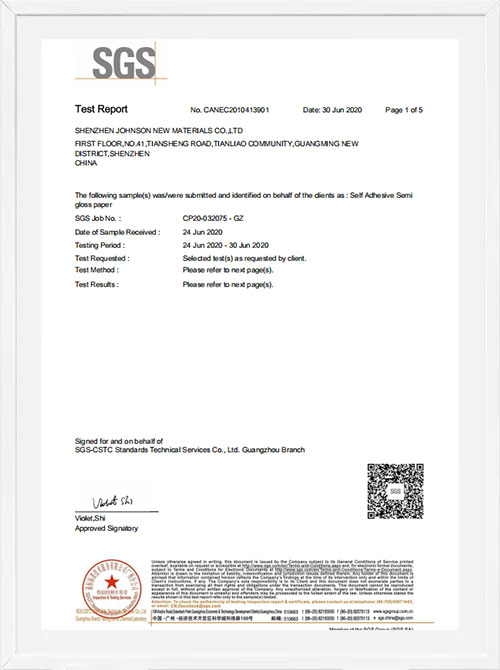
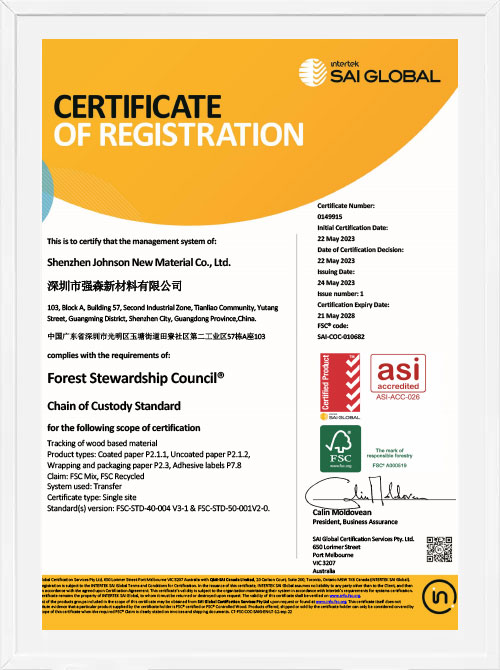
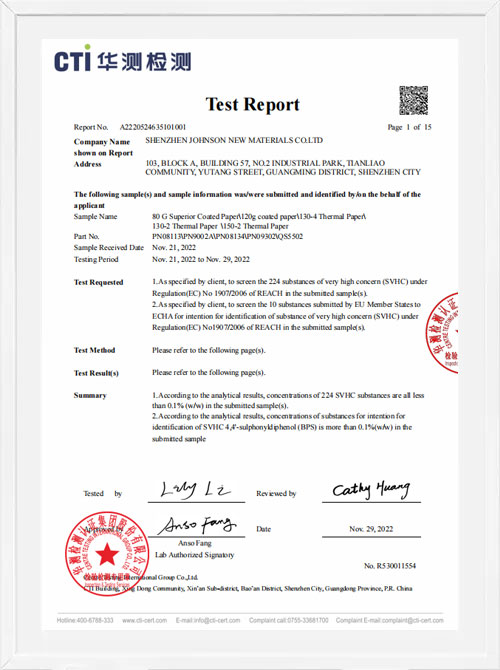
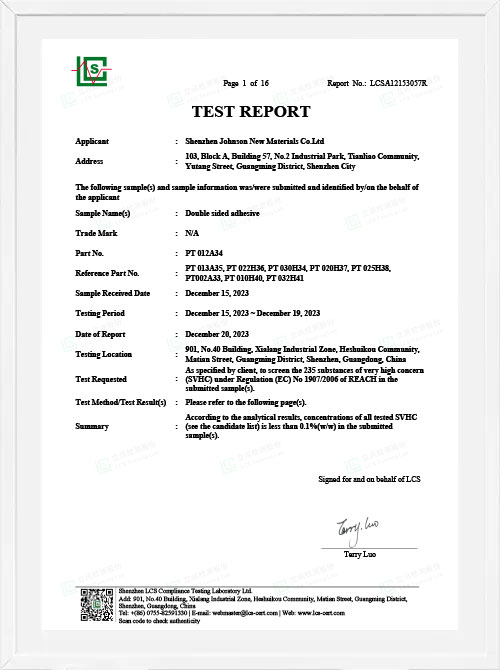
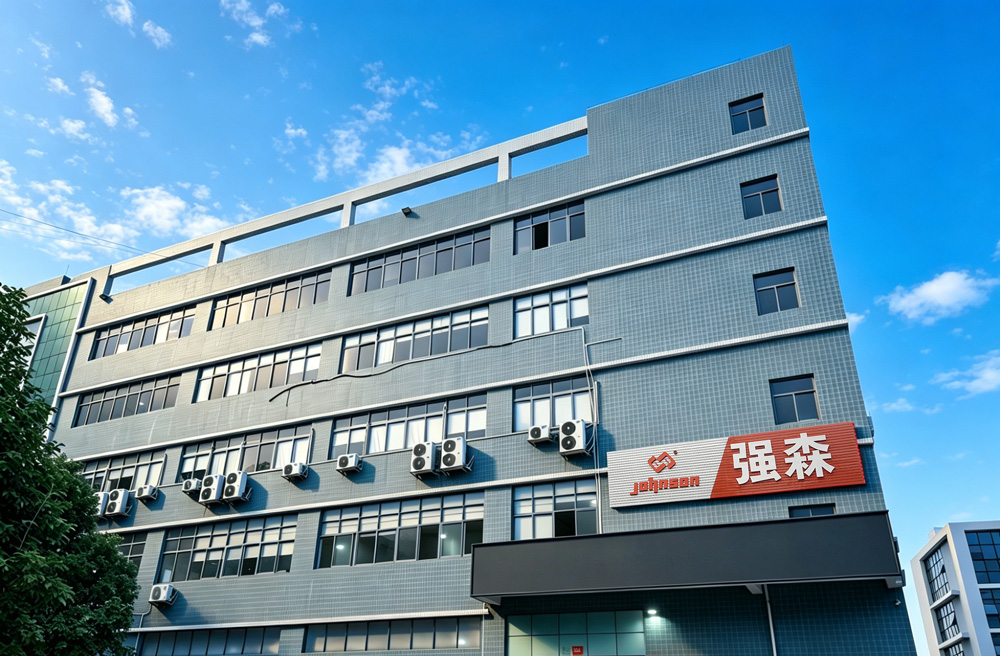
Shenzhen Johnson New Materials Co., Ltd. has accumulated over 20 years of experience in the pressure-sensitive adhesive label materials industry and specializes in the research, development, and production of Self-Adhesive Paper and related label materials.
With extensive industry expertise, the company develops label materials compatible with flexographic, offset, screen, UV rotary, digital, and inkjet printing technologies, helping customers improve printing quality and production efficiency.
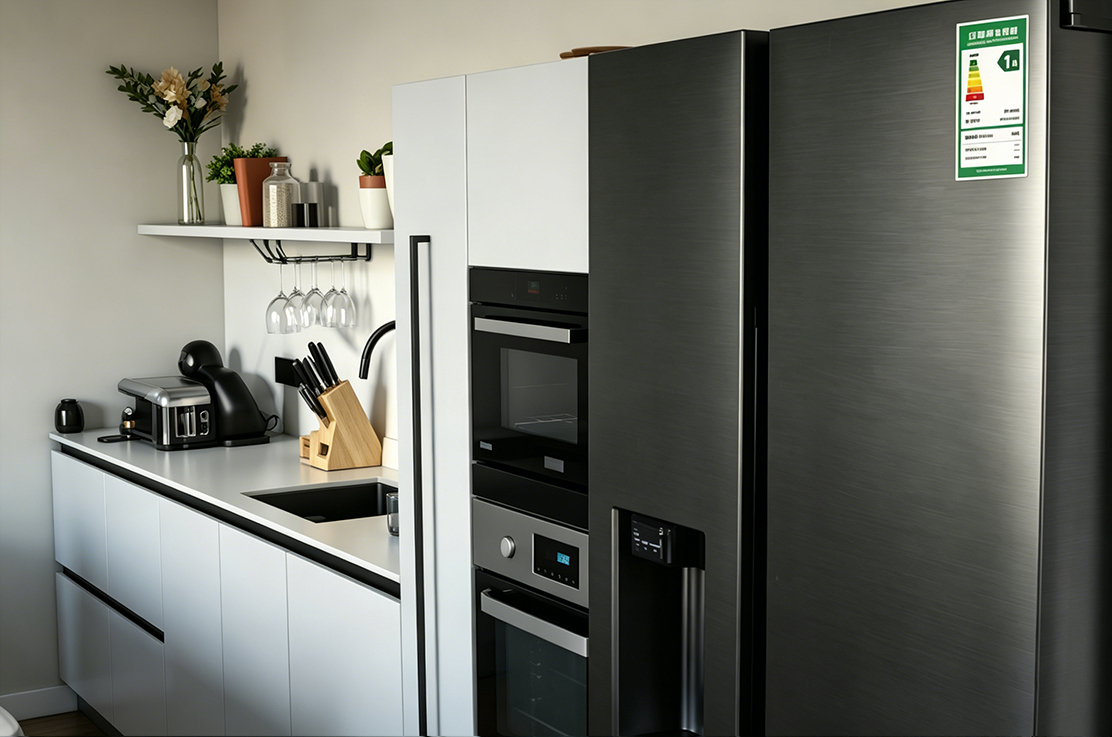
Its products are widely used in food, beverage, cosmetics, pharmaceuticals, electronics, logistics, and many other industries, providing reliable labeling solutions for customers worldwide.
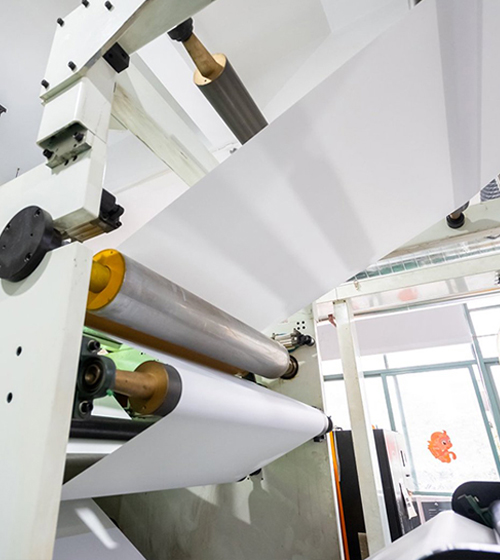
The company is equipped with advanced high-speed adhesive coating production lines with a monthly production capacity of 20 million square meters. Both hot melt adhesive and acrylic adhesive systems are available, ensuring stable product quality, fast delivery, and flexible production capabilities.
In addition, the professional sales team works closely with customers to understand specific application requirements and provide suitable material recommendations and technical support, helping customers select the most appropriate labeling solutions.
How to Choose the Right Self-Adhesive Paper for Your Product?
Selecting self-adhesive paper based solely on price may lead to unexpected performance issues. Choosing the right material requires evaluating multiple factors.
Select the Appropriate Face Material
Coated paper is suitable for general product labels, PET is ideal for industrial applications requiring durability, while synthetic paper offers excellent waterproof and abrasion-resistant properties.
Choose the Right Adhesive
Products intended for refrigerated environments should use low-temperature adhesives, while outdoor applications require adhesives with enhanced weather resistance.
Consider the Entire Production Process
Printing methods, automatic labeling speed, die-cutting requirements, storage conditions, and transportation environments should all be considered to ensure consistent production performance.
For brand owners, working with a Self-Adhesive Paper manufacturer that offers strong R&D capabilities, advanced production equipment, and comprehensive after-sales support helps reduce procurement risks while ensuring long-term product quality.
FAQ
Which Industries Can Self-Adhesive Paper Be Used In?
Self-Adhesive Paper is widely used in food, beverage, cosmetics, pharmaceuticals, electronics, logistics, daily chemicals, retail, warehousing, and many other industries. Different applications require different face materials and adhesive systems.
What Printing Methods Does Self-Adhesive Paper Support?
Mainstream self-adhesive paper products are compatible with flexographic printing, offset printing, screen printing, UV rotary printing, digital printing, and inkjet printing.
What Is the Difference Between Hot Melt Adhesive and Acrylic Adhesive?
Hot melt adhesive offers high initial tack and is suitable for high-speed labeling applications. Acrylic adhesive provides superior weather resistance, aging resistance, and long-term durability, making it suitable for demanding environments.
How Can You Ensure Consistent Quality of Self-Adhesive Paper?
Choosing an experienced manufacturer with advanced production equipment and strict quality control is essential. Shenzhen Johnson New Materials Co., Ltd., with over 20 years of industry experience, advanced coating lines, and a monthly production capacity of 20 million square meters, provides reliable product consistency, fast delivery, and professional technical support for customers worldwide.



 English
 русский
 Español