Why PET Film Withstands Conditions That Break Down Other Facestocks
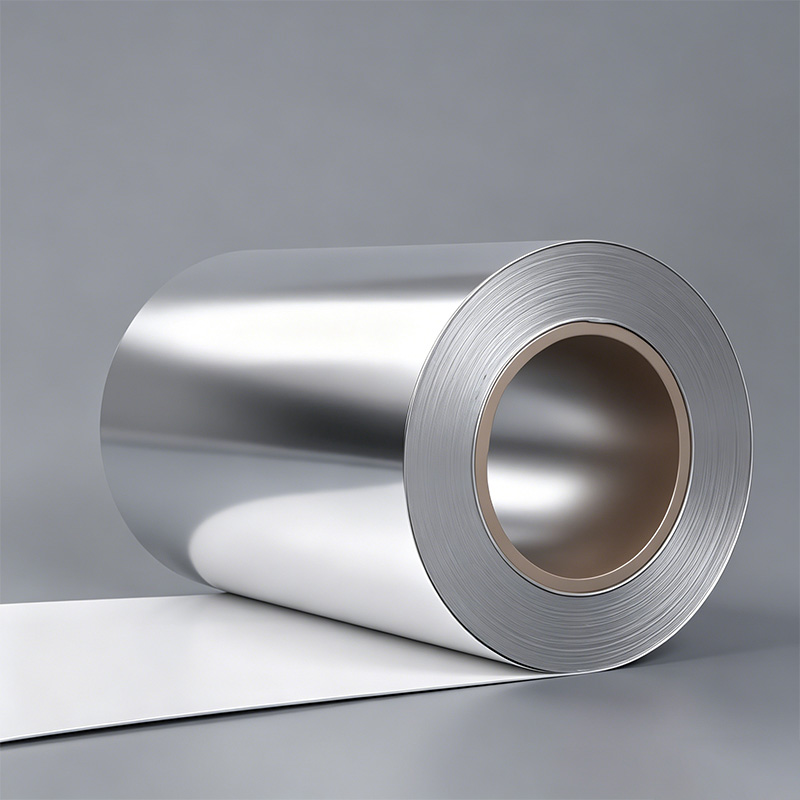
With over 20 years in the self-adhesive label materials industry, we've seen how quickly the wrong facestock choice turns into a field failure. Polyester (PET) film resists heat distortion at temperatures that soften or curl polypropylene and paper facestocks, which is why it remains the default choice for labels applied near engines, drums, or processing equipment where surface temperatures fluctuate widely during use and storage.
The chemical resistance of PET film is equally important in industrial settings. Solvents, mild acids, oils, and cleaning agents that would dissolve the print or delaminate a paper label typically leave a properly formulated PET facestock intact. This matters most in drum labeling, chemical packaging, and any application where the label surface is likely to contact the very substances it identifies.
| Facestock |
Typical Heat Resistance |
Chemical Resistance |
Dimensional Stability |
| PET Film |
High |
High |
Excellent |
| PP Film |
Moderate |
Moderate |
Good |
| Paper |
Low |
Low |
Fair |
General performance comparison of common label facestock materials under industrial conditions.
Barrier Properties That Protect Sensitive Contents
Beyond surviving harsh handling, a label's facestock also acts as a barrier layer that shields printed information and, in some constructions, the packaged product itself. PET film offers low permeability to moisture and gases compared with porous facestocks, which slows ink degradation and helps preserve barcode readability over long storage or shipping periods.
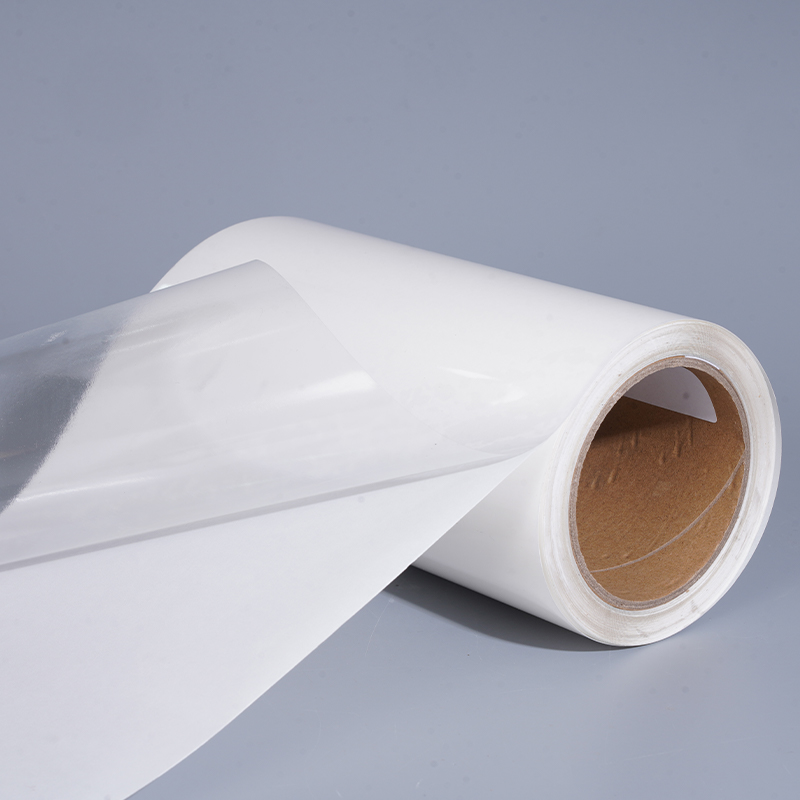
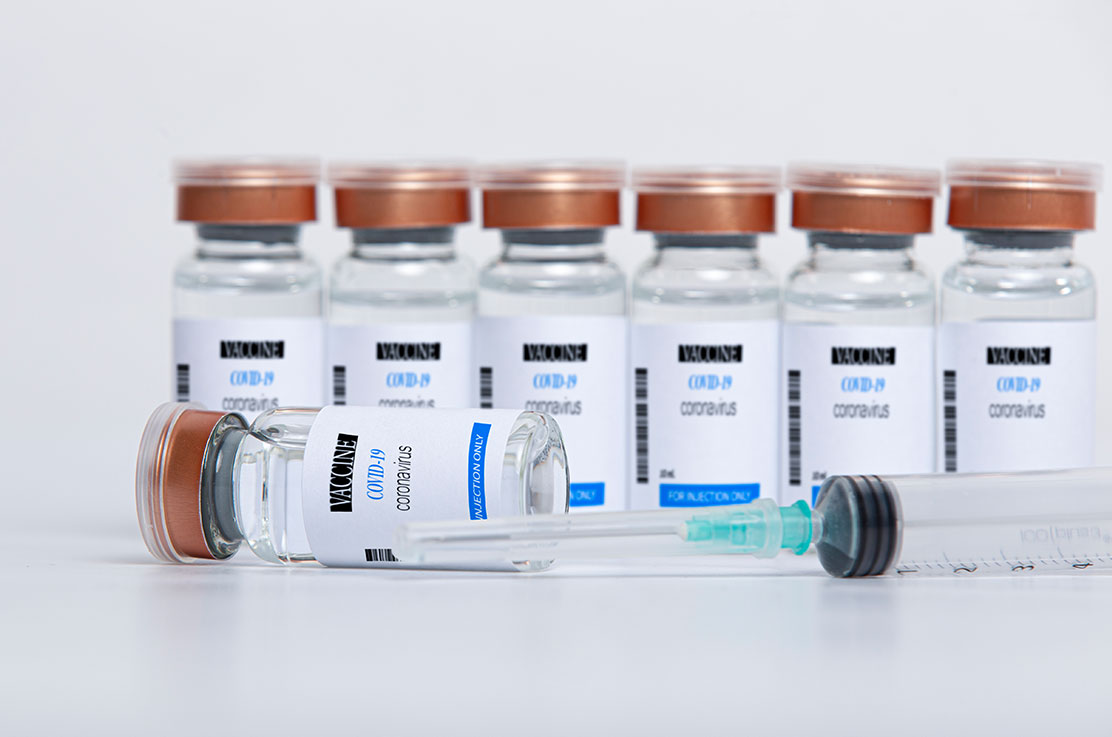
This barrier characteristic is one reason electronics and pharmaceutical packaging specifiers frequently request Self adhesive PET Film for components and cartons that pass through humid warehouses or temperature-controlled logistics chains. A facestock that resists moisture ingress reduces the risk of label lift, smudged variable data, or scanner rejection further down the supply chain.
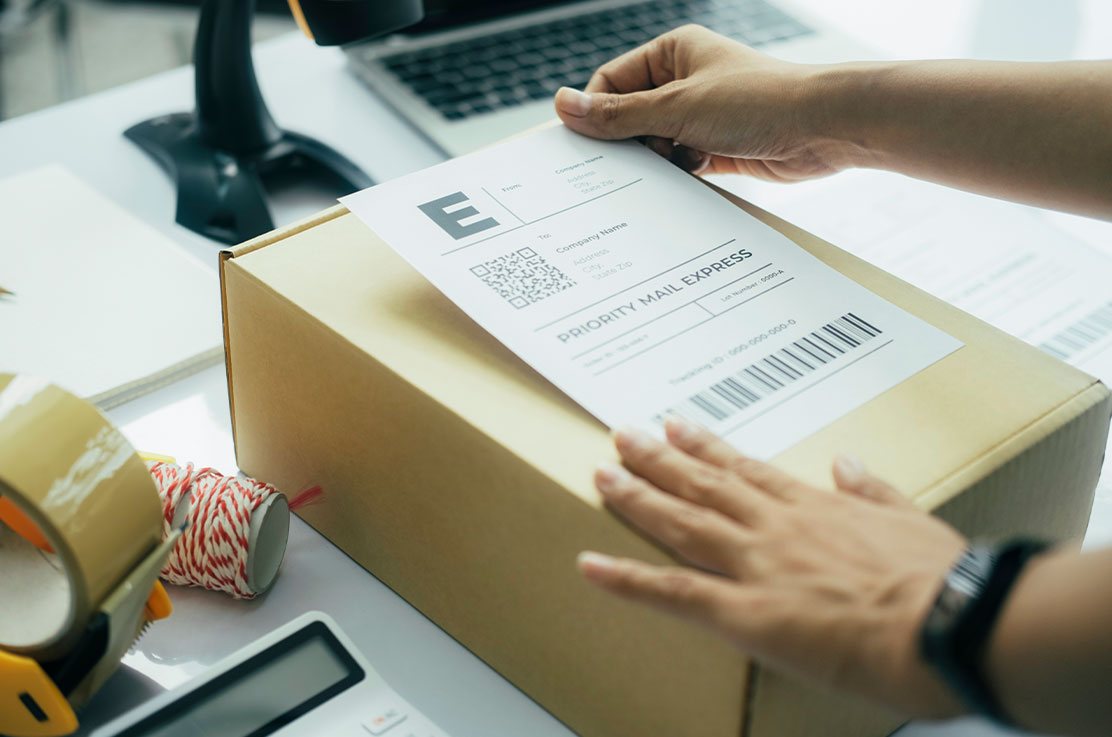
Surface gloss and clarity also play a functional role here. High-transparency PET film allows for clean print reproduction of fine barcodes and small-format text, which is increasingly relevant as traceability requirements tighten across electronics and logistics sectors.
Choosing the Right Adhesive System for PET Film Labels
The facestock is only half the performance equation; adhesive chemistry determines whether a PET label actually stays put on the substrates it's applied to. Acrylic adhesives generally offer better UV stability and long-term aging resistance, making them suitable for outdoor equipment tags and long-life asset labels. Hot melt adhesives tend to bond faster and perform well on low-surface-energy plastics, which suits high-speed converting and cold-chain logistics labeling.
- Acrylic systems: stronger UV and plasticizer resistance, better for extended outdoor or high-temperature exposure
- Hot melt systems: faster initial tack, cost-efficient for high-volume production runs
- Substrate surface energy should always be checked before final adhesive selection, particularly on textured or coated containers
Running both hot melt and acrylic coating lines lets a manufacturer like JOHNSON match the adhesive system to the actual end-use environment rather than defaulting to a single formulation, which is a distinction worth asking about when sourcing PET film labels for demanding applications.
Matching PET Film to Specialty and High-End Product Packaging
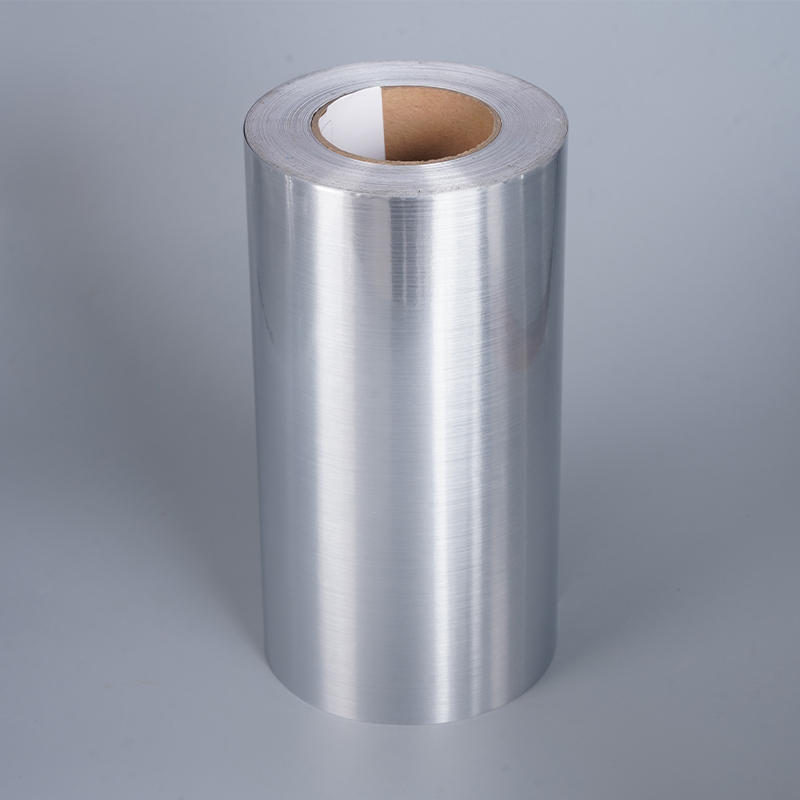
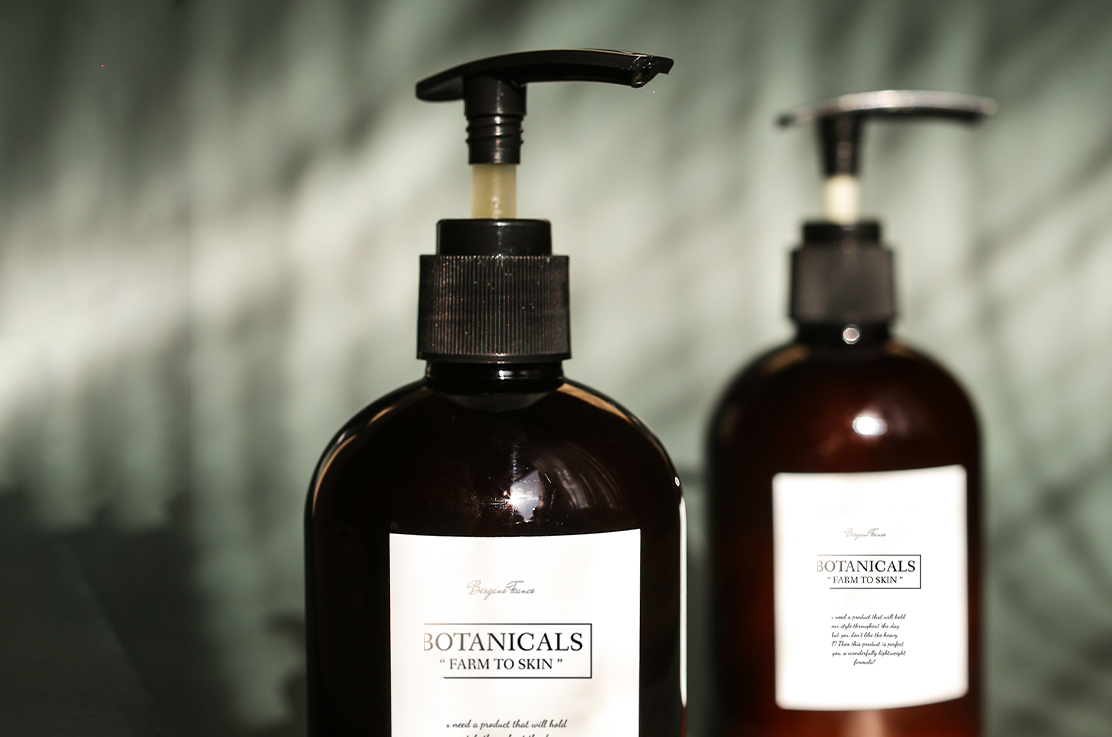
Specialty and high-end packaging segments tend to demand more from a label than surface durability alone. Cosmetics and premium electronics packaging often require PET film for its glossy or metallic finish options, which support brand presentation while retaining the same chemical and moisture resistance needed for functional labeling.
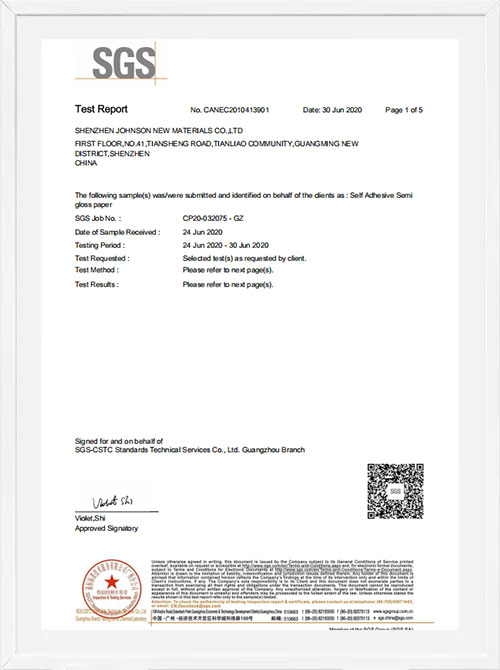
Industrial equipment and specialty chemical containers present a different priority: label survivability through the full product lifecycle, including transport, storage, and sometimes direct exposure to the packaged contents. In these cases, sourcing Self adhesive PET Film that has been tested against the relevant chemical or thermal exposure profile avoids costly relabeling or compliance issues later in the supply chain.
Working across food, beverage, cosmetics, pharmaceuticals, electronics, and logistics sectors for two decades has shown us that the right PET film specification is rarely one-size-fits-all; matching facestock finish, adhesive chemistry, and print method to the actual packaging environment is what determines whether a label performs reliably from production line to end use.



 English
 русский
 Español