
-
About Us
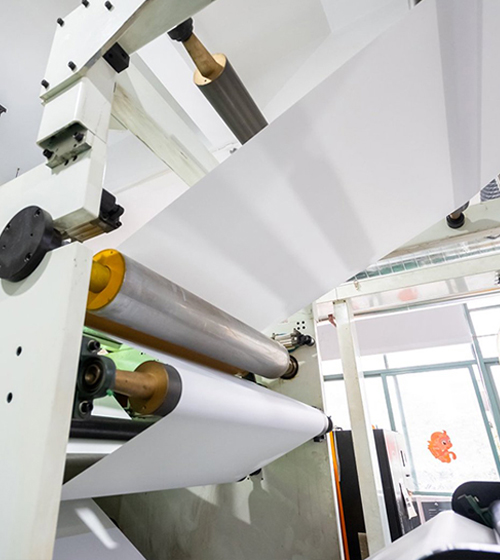
Why Choose Us?We are equipped with advanced high-speed adhesive coating lines, boasting a monthly production capacity of 20 million square meters. These machines support both hot melt and acrylic adhesive applications, enabling us to ensure fast delivery and consistent quality while meeting the diverse needs of the market. Our sales team works closely with you to fully understand your specific requirements.
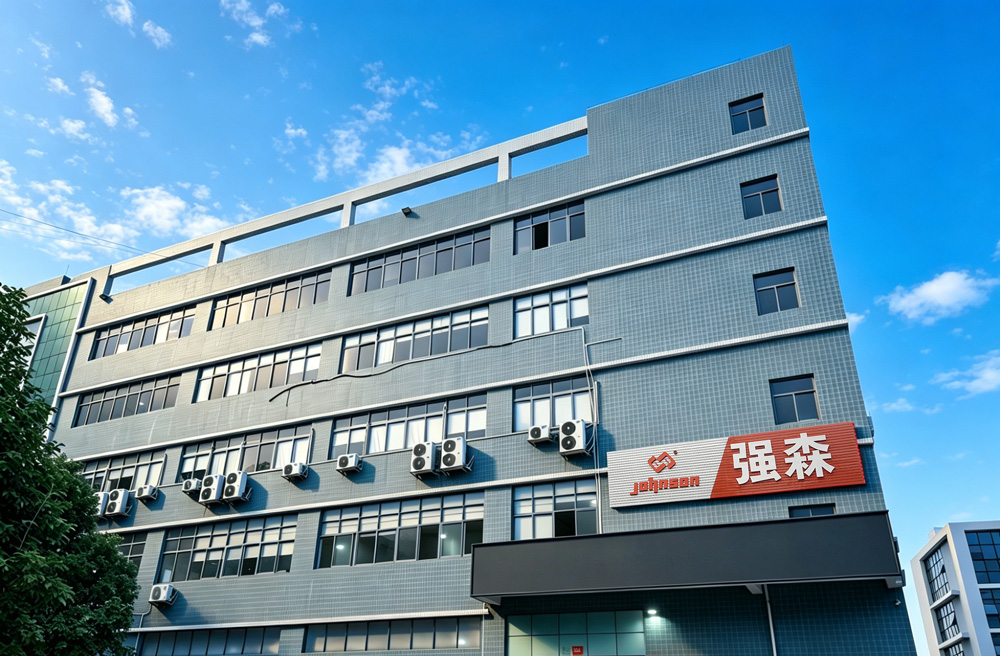 Coming From China, Marketing To The World.
 -
Solutions
Professional Label Material SolutionsAt Johnson, we understand that every industry faces unique labeling challenges. With 20 years of specialized expertise and strong R&D capabilities, we provide more than just materials — we deliver customized solutions that ensure “process compatibility, scenario suitability, and rapid delivery.



 Eco-Friendly Labels, Zero Compromise on Quality
 -
Products
SustainabilityIn the field of non-dry adhesive label materials, we don’t just "produce well"—we go further with environmental protection as our technical and ethical responsibility, turning every label into a "sustainable" carrier.
 Eco-Friendly Labels, Zero Compromise on Quality
 -
News
 Wine Labelstock Invites You to Labelexpo Asia 2025
From December 2 to 5, 2025, Labelexpo Asia 2025, one of the most significant events in the global label and packaging printing industry, will take place at the Shanghai New International Expo Center. ...
 English
 русский
 Español
Tagboard Material: Complete Guide for Tags and Labels
Content
Packaging Materials / Paper & Board
Tagboard Material
A complete guide to heavyweight paperboard for tags, labels, and retail displays.
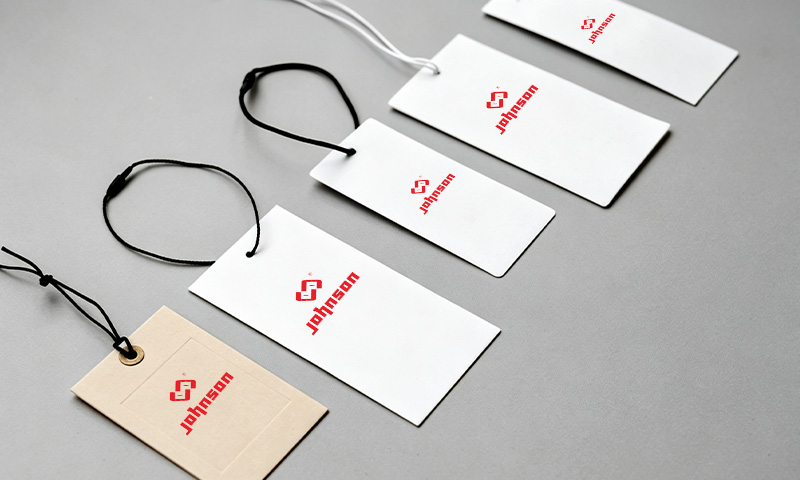
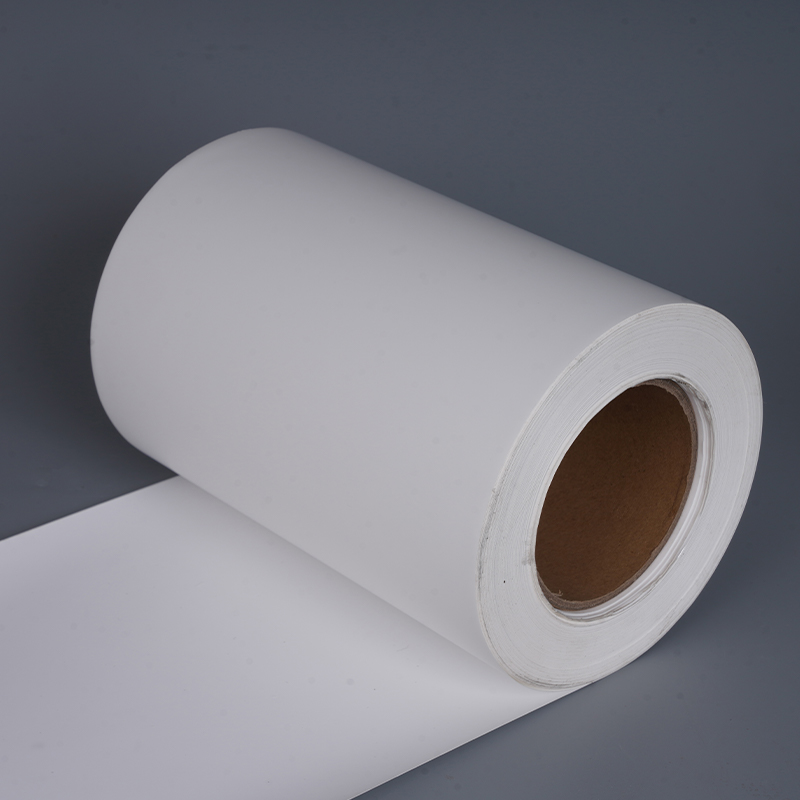
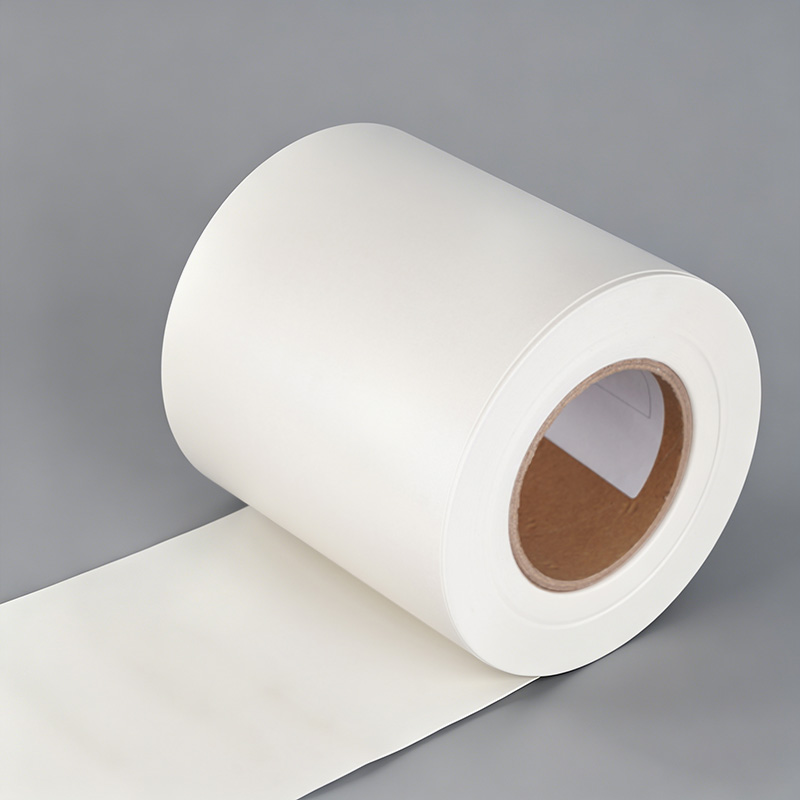
Tagboard material is a heavyweight, durable paperboard specifically engineered for manufacturing product tags, labels, and retail displays. Unlike standard paper or lightweight cardstock, tagboard is designed to withstand handling, printing, and environmental exposure while maintaining structural integrity and a professional appearance.
From retail price tags and garment labels to industrial identification tags and packaging inserts, tagboard is a versatile material that combines strength, printability, and cost-effectiveness. Its unique balance of thickness, rigidity, and surface finish makes it the preferred choice for applications where durability and presentation are essential.
Tagboard is the invisible workhorse of retail and industrial labeling — strong enough to perform, smooth enough to impress.
What Is Tagboard Material
Tagboard material is a heavyweight paperboard grade produced from a blend of virgin or recycled pulp fibers. It is characterized by its high basis weight, excellent surface smoothness, and consistent caliper (thickness). These properties make it ideal for applications requiring a rigid, printable substrate that can withstand handling and environmental conditions.
Tagboard is available in a range of calipers, typically from 0.012 inches (0.3 mm) to 0.040 inches (1.0 mm), and basis weights from 100 lb to 200 lb. The material is available in various finishes, including uncoated, coated, and colored options, to meet different printing and aesthetic requirements.
Key Properties
Tagboard material is defined by several key properties that determine its performance in different applications:
Tagboard's thickness provides the stiffness needed for tags and labels to stand upright, feed through printers, and maintain their shape during handling.
A smooth, uniform surface is essential for high-quality printing. Tagboard is calendered to achieve a smooth finish that accepts inks and toners cleanly.
The material must be strong enough to resist tearing during handling and use. Tagboard's fiber composition gives it high tensile strength.
Some tagboard grades are treated with sizing or coatings to improve moisture resistance, making them suitable for applications where tags may be exposed to humidity.
Tagboard is compatible with offset lithography, flexography, digital printing, and screen printing, allowing brands to produce tags with complex designs.
Types of Tagboard
Natural, uncoated surface ideal for absorbent inks and traditional printing methods. Cost-effective and suitable for industrial tagging and shipping labels.
Clay-coated surface offers superior print quality with sharp images and vibrant colors. Ideal for retail tags, premium labels, and high-end displays.
Available in a range of colors for applications requiring visual differentiation. Common colors include white, kraft, red, blue, and green.
Applications
Tagboard material is used across a wide range of industries and applications:
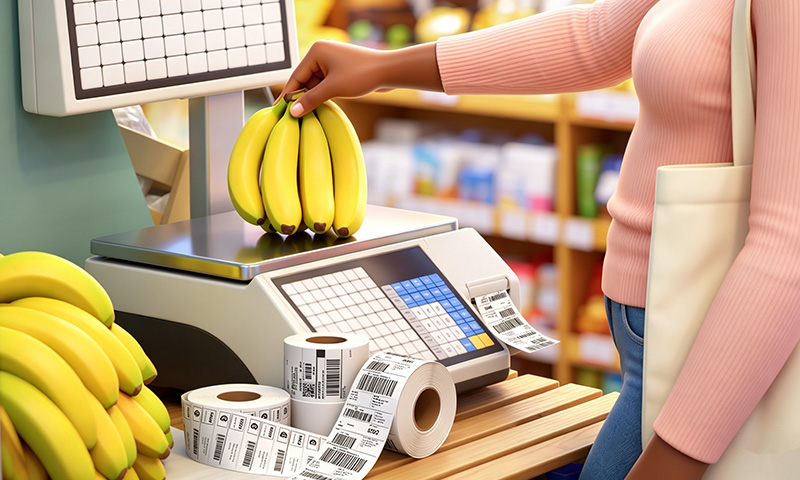
Product pricing, promotional messaging, and inventory management tags used in retail environments.
Fashion apparel tags, care labels, and branding tags used in clothing and accessories.
Equipment identification tags, safety warning labels, and asset tracking tags used in manufacturing.
Informational inserts, promotional cards, and product documentation included in packaging.
Durable tags used for baggage identification and handling in travel and hospitality applications.
Shelf talkers, danglers, and point-of-purchase displays that require a rigid, printable substrate.
Comparison of Tagboard Grades
Selection Guide
Consider how the tag will be used — will it be handled frequently, exposed to moisture, or require a premium appearance?
Choose the caliper and basis weight based on the required rigidity and durability. Thicker materials provide greater stiffness.
Select coated for premium print quality or uncoated for cost-effective, absorbent applications. Consider the printing technology.
Choose white for standard, kraft for a natural look, or colored for visual differentiation and promotional impact.
If tags will be exposed to humidity or moisture, consider tagboard with sizing or coatings for improved moisture resistance.
Ensure the selected tagboard is compatible with your printing technology and finishing processes.
Frequently Asked Questions
Your email address will not be published. Required fields are marked *
Contact Details
TEL: +86-15626470581
E-mail: sales@szjohnson.com
Location
Address: Building 1, Room 201, Zhijianeng High-tech Park, No. 65 Hongyin Road, Lihu Community, Xinhu Street, Guangming District, Shenzhen 518107, Guangdong Province, China
Get In Touch
Copyright © Shenzhen Johnson New Materials Co., Ltd. All Rights Reserved.
Wholesale Self Adhesive Paper Manufacturers Adhesive Label Roll Factory