
-
About Us
Why Choose Us?We are equipped with advanced high-speed adhesive coating lines, boasting a monthly production capacity of 20 million square meters. These machines support both hot melt and acrylic adhesive applications, enabling us to ensure fast delivery and consistent quality while meeting the diverse needs of the market. Our sales team works closely with you to fully understand your specific requirements.
 Coming From China, Marketing To The World.
 -
Solutions
Professional Label Material SolutionsAt Johnson, we understand that every industry faces unique labeling challenges. With 20 years of specialized expertise and strong R&D capabilities, we provide more than just materials — we deliver customized solutions that ensure “process compatibility, scenario suitability, and rapid delivery.
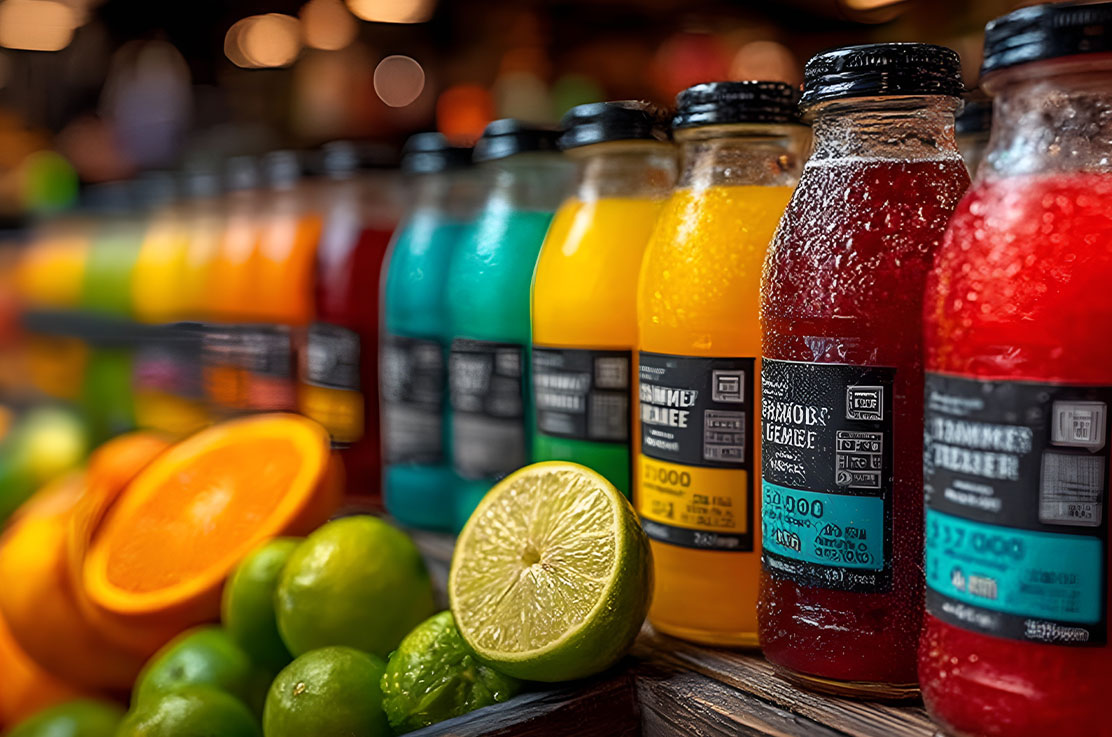
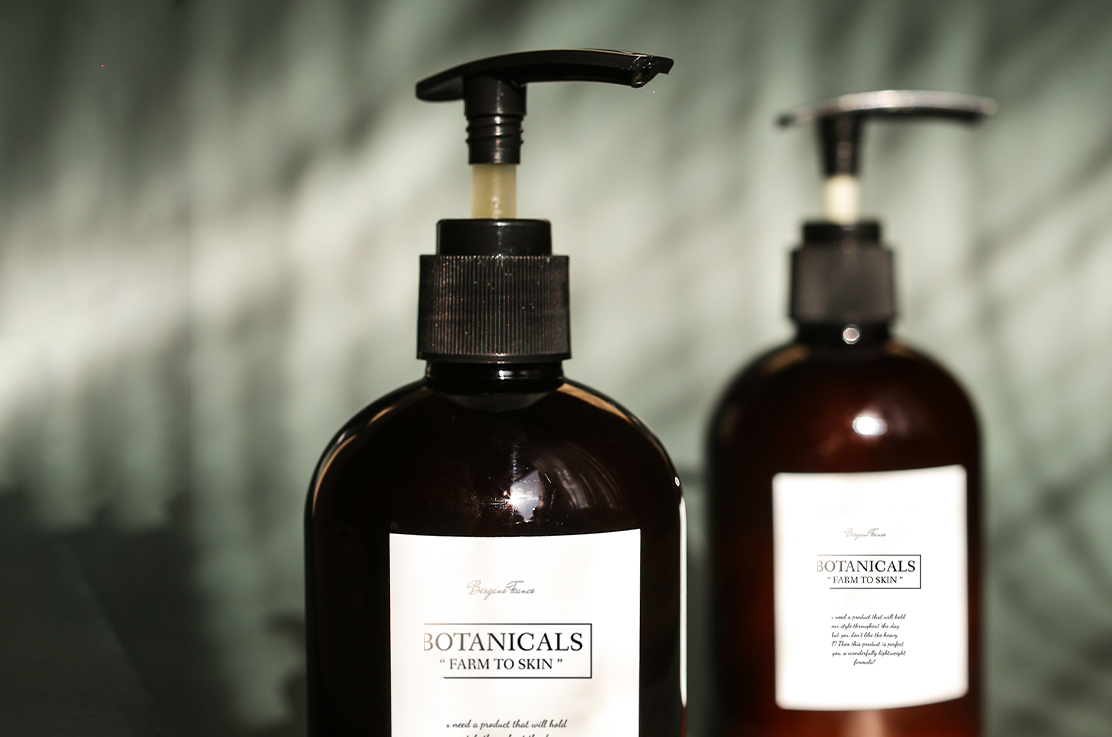
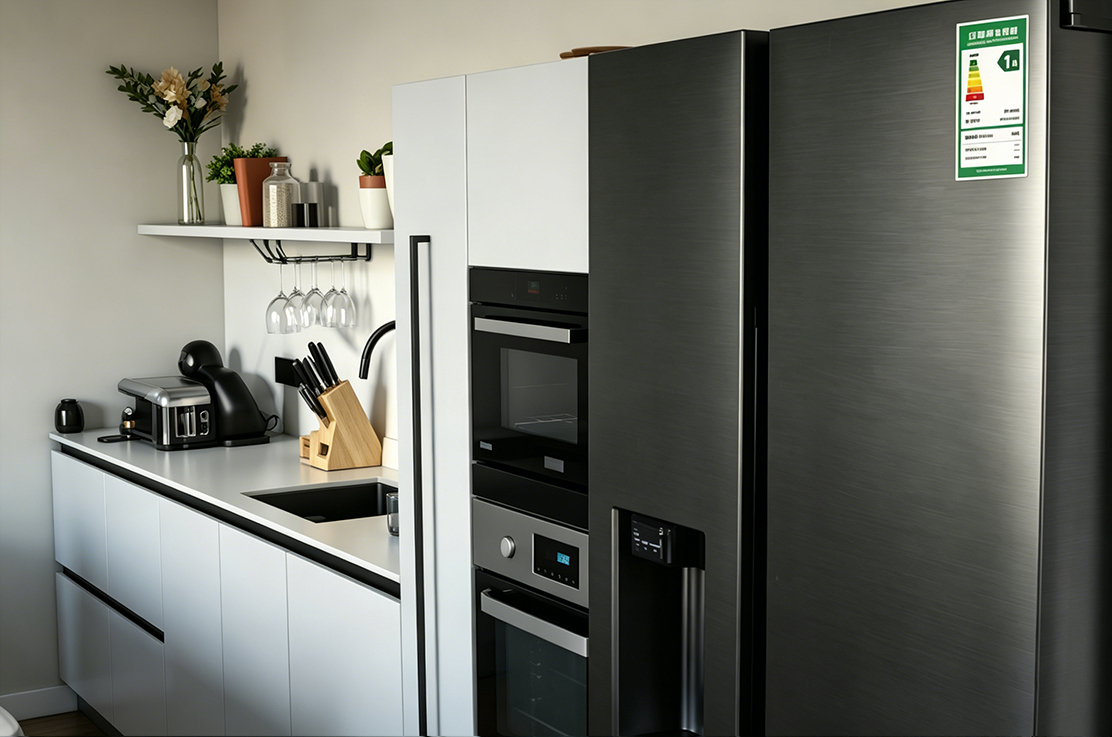
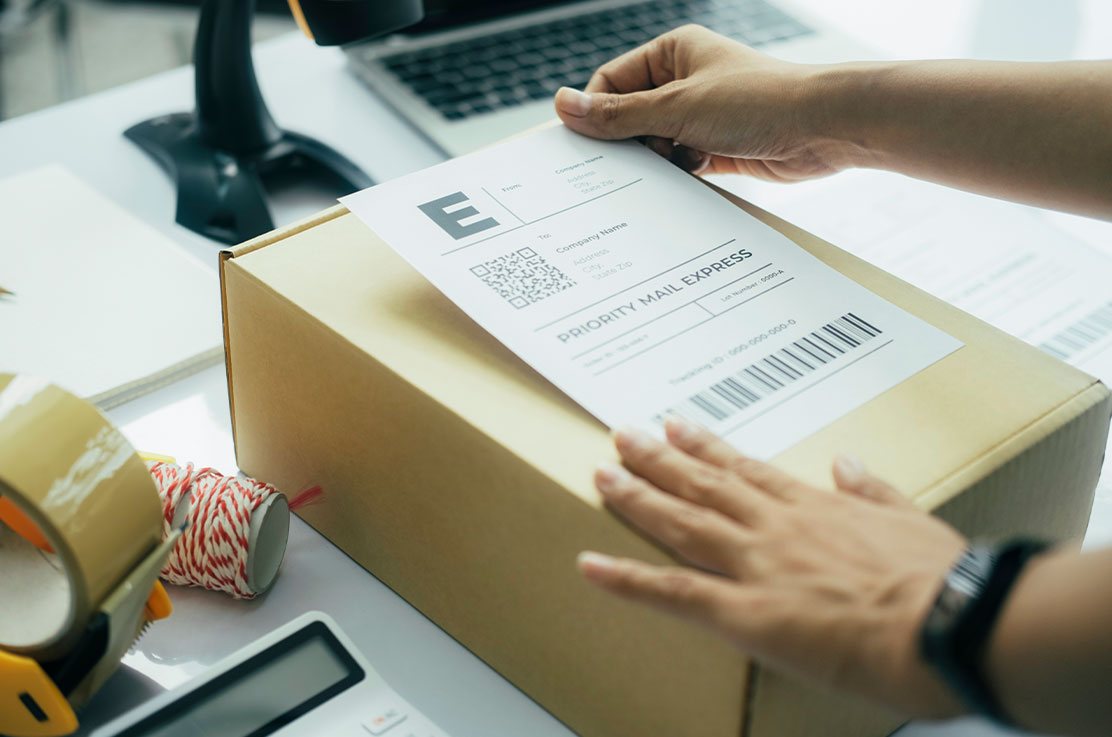
 Eco-Friendly Labels, Zero Compromise on Quality
 -
Products
SustainabilityIn the field of non-dry adhesive label materials, we don’t just "produce well"—we go further with environmental protection as our technical and ethical responsibility, turning every label into a "sustainable" carrier.
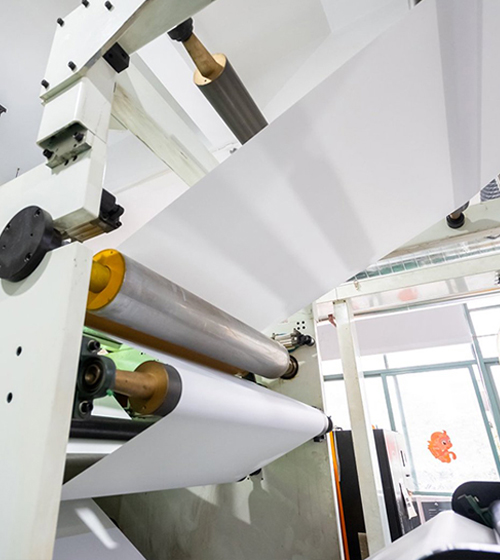 Eco-Friendly Labels, Zero Compromise on Quality
 -
News
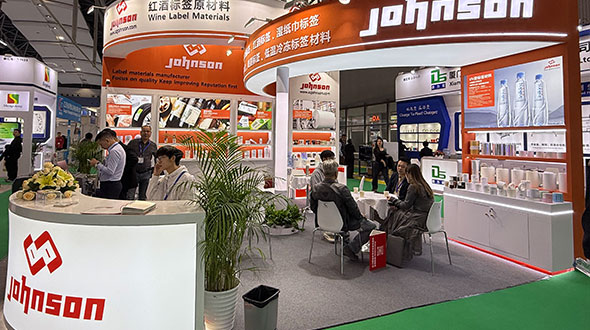 Wine Labelstock Invites You to Labelexpo Asia 2025
From December 2 to 5, 2025, Labelexpo Asia 2025, one of the most significant events in the global label and packaging printing industry, will take place at the Shanghai New International Expo Center. ...
 English
 русский
 Español
Estate Paper for Wine Bottle Labels: Specs, Adhesives, and Sourcing Guide
Content
What Estate Paper Actually Means for Wine Labels
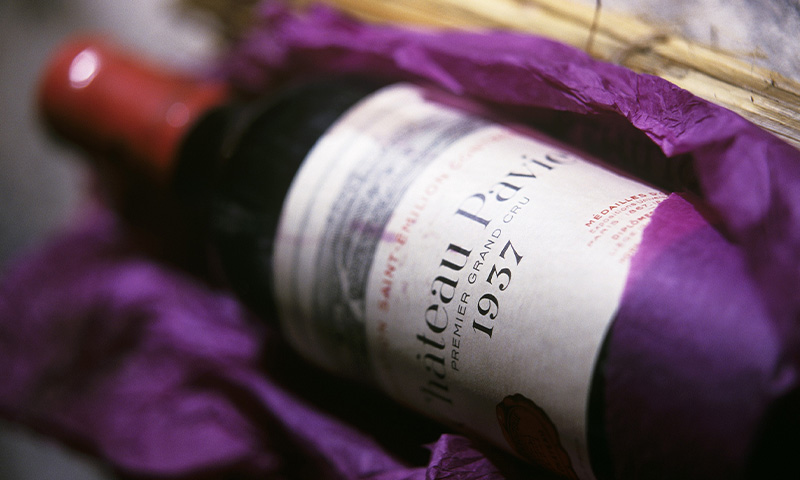
Estate paper is a category of premium self-adhesive label stock built for estate-bottled wines. It is not a single substrate but a family of face stocks: textured, pearlescent, matte, or cotton-based, all engineered to work with glass bottles and hot-melt adhesives.
The term estate in wine labeling signals a wine produced from a single estate's own vineyards. The paper carries that signal visually. It has to look premium under a warm retailer light and read clean when the bottle is chilled.
Most estate paper stocks sit in the 80 to 120gsm range. This gives enough substance to feel expensive without creating stiffness that fights the curvature of a wine bottle.
Estate Paper Face Stock Options and Their Differences
The dominant face stock options for premium estate paper are martele pattern paper, pearl slim paper, matte black paper, and ice bucketproof cotton paper. Each has a different visual personality and a different tolerance for wet conditions.
Martele pattern paper (100gsm) has a fine embossed pattern that adds texture without hiding typography. It is the most versatile option for estate red wine labels because it accepts foil stamping well and still reads clearly in low light.
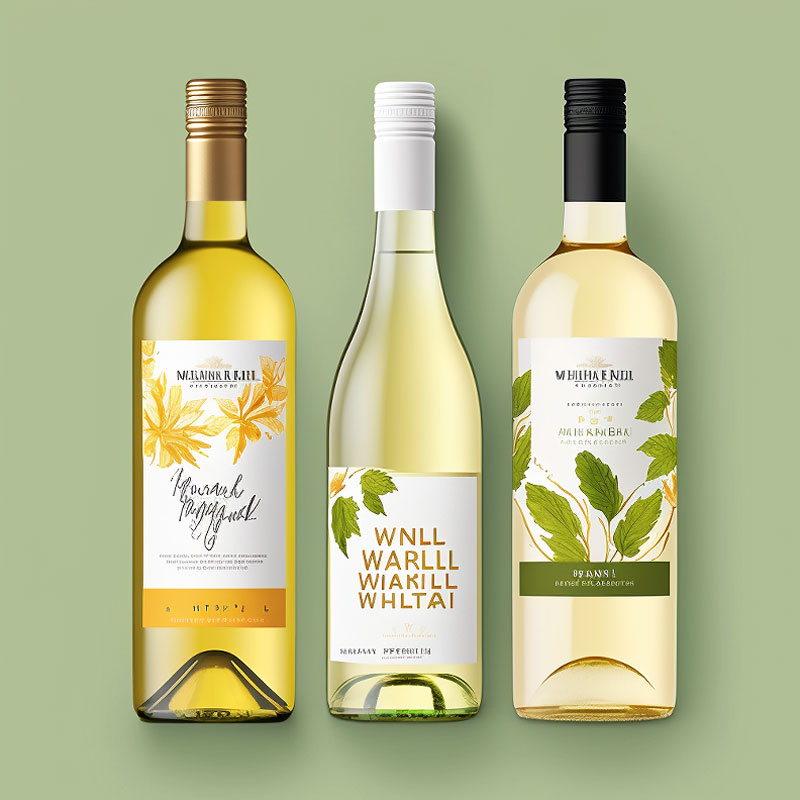 Martele Pattern Paper with Hot Melt Adhesive for Wine LabelsThis 100gsm textured paper suits estate red wine labels, accepting foil stamping well and remaining legible in low light. Its hot melt adhesive applies at 10°C and performs from -20°C to 50°C.View Product →
Pearl slim paper (100gsm) carries a soft pearlescent sheen that catches light. It suits white wines and sparkling bottles where a delicate, luminous look is expected.
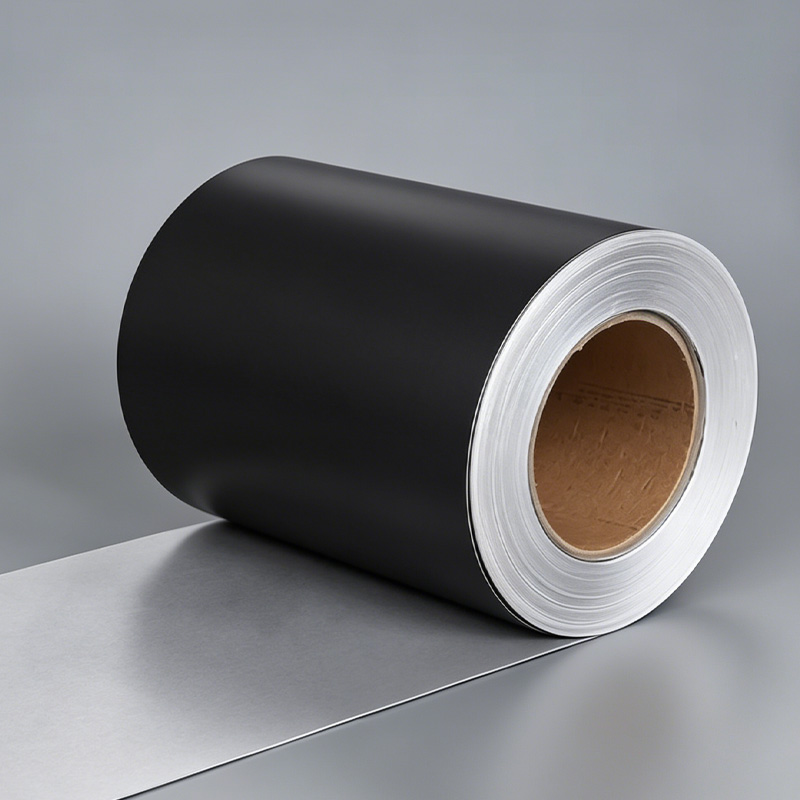
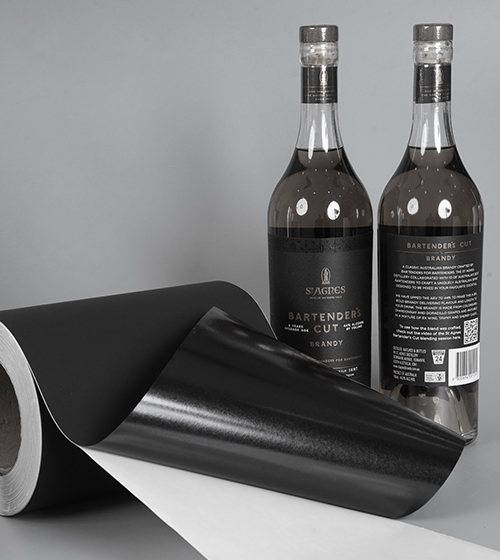
Matte black paper (120gsm) creates strong contrast for gold foil or white text. It is the heaviest of the four options, which means it works best on large format bottles rather than highly curved necks.
Ice bucketproof cotton paper (100gsm) has the highest wet strength in the group. It is engineered for bottles that spend time in ice buckets or chilled displays, where moisture can make ordinary stock curl or blister.
| Face stock | Grammage | Visual effect | Best suited for |
| Martele pattern | 100gsm | Embossed texture | Estate red wines |
| Pearl slim | 100gsm | Pearlescent sheen | White and sparkling wines |
| Matte black | 120gsm | Flat dark matte | Limited editions |
| Ice bucket cotton | 100gsm | Natural cotton fiber | Ice bucket service |
Adhesive Systems and Release Liners That Matter
Hot-melt adhesive is the industry standard for wine label estate paper because it provides fast initial tack on glass and is more forgiving in cold-apply conditions than acrylic.
When you spec a wine label stock, the adhesive is often overlooked. Hot-melt is a rubber-based adhesive that sets quickly and holds well on smooth glass. Acrylic offers better aging and water resistance but has less immediate tack. Most wine bottlers specify hot-melt because the label needs to stay put from the moment of application.
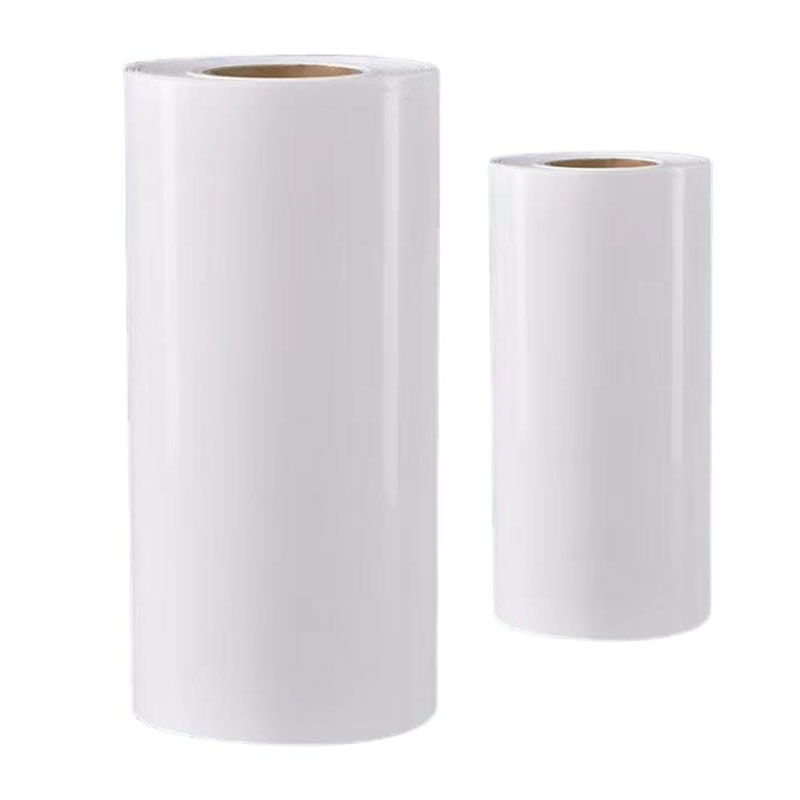
The release liner is typically glassine paper, 60 to 90gsm, silicone coated. A 90gsm glassine liner is stiffer, which helps with larger labels. A 60gsm liner is lighter and cheaper, but harder to control in automated application.
Application temperature also matters. Most hot-melt adhesives for wine labels have a minimum application temperature around 0 to 5 degrees C. If your bottling line runs in a cold room, the adhesive must be selected for that condition.
A Step-by-Step Selection Process for Wine Labels
The decision process is four steps: define the bottle geometry, map the storage environment, validate application parameters, and run a small trial. Each step eliminates a failure mode before it becomes a production problem.
- Define the bottle geometry. Measure the neck and body curvature, label width, and contact area. Standard wine label dimensions for a 750ml bottle differ from larger formats, so reference a verified size guide like this wine label dimensions guide before selecting a stock width.
- Map the storage environment. Cellar temperatures sit around 12 to 14 degrees C, while ice bucket service runs at 0 to 4 degrees C. Tell the supplier about the harshest condition the label will face.
- Validate the application method. High-speed labelers need hot-melt with balanced tack and shear. Manual application may tolerate softer adhesive systems with lower tack.
- Run a batch trial. Apply 20 to 50 labels to actual bottles, store them for two weeks at the intended temperature, then inspect for edge lift, wrinkle, and moisture absorption.
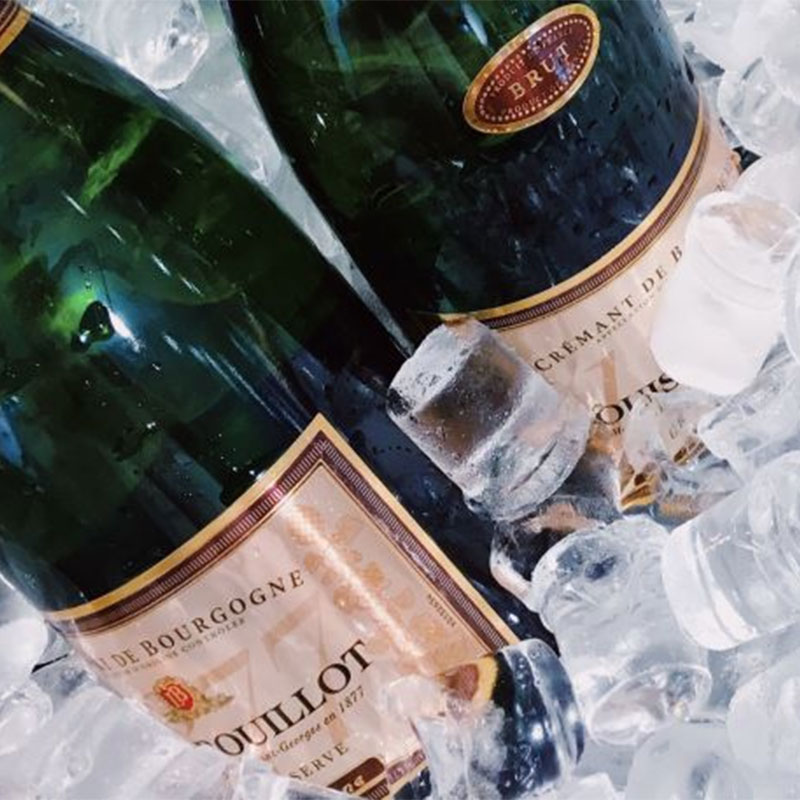 Ice Bucket-Proof Cotton Paper for Wine LabelstockA wet-strength cotton paper that maintains label integrity in humid, cold, and ice-bucket conditions. Reliable adhesion from 10°C, service range -20°C to 50°C, reducing wrinkles and bubbles.View Product →
Sourcing Estate Paper for a Premium Winery
When sourcing estate paper, the supplier's coating capability and minimum order quantity decide whether the material you need is available at the scale you require.
Suppliers with in-house coating lines can offer custom face stocks, custom adhesives, and custom roll widths. Shenzhen Johnson New Materials Co., Ltd., a Chinese label materials manufacturer with 20 years of experience, operates coating lines with a monthly production capacity of 20 million square meters, supporting both trial runs and large bottling campaigns across the food and beverage application sector.
Ask about the minimum order quantity. Standard paper stocks are usually available from 1000 square meters. Custom grammage or custom release liner weight often starts at 3000 to 5000 square meters.
Check lead time. Standard stock is usually 7 to 14 days. Custom estate paper can take 25 to 40 days including coating, cutting, and shipping.
A good supplier will provide a technical datasheet with adhesive shear, tack, and application temperature range. Request a sample roll before committing to the full order, especially if your bottling line is automated.
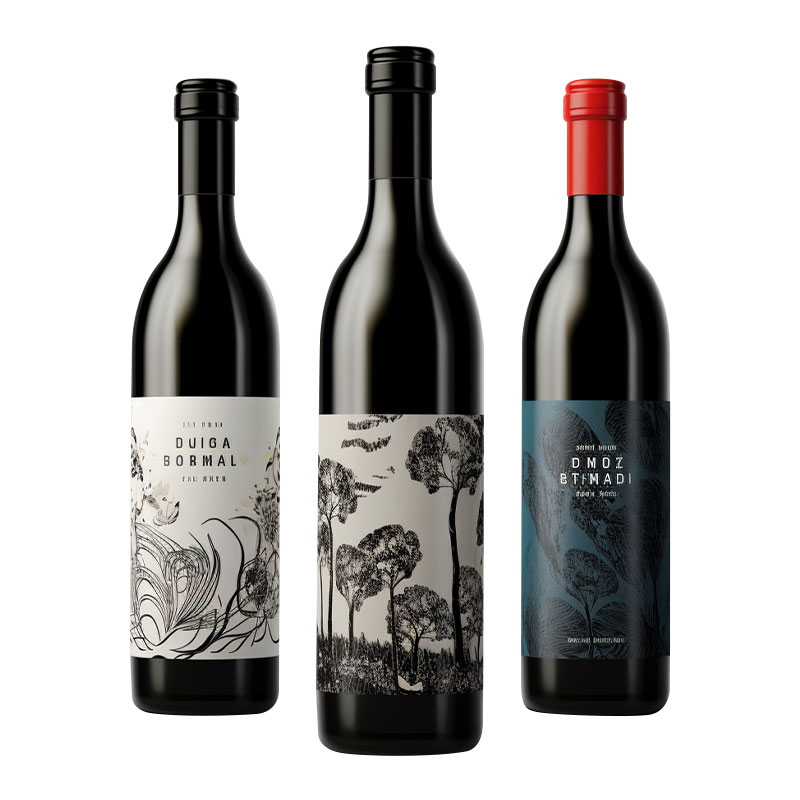 Pearl Slim Pattern Paper for Wine and Sparkling LabelsThis 100gsm paper features a fine pearlescent sheen and delicate grid pattern, ideal for white wines and sparkling bottles. Supports offset, letterpress, silk-screen, and hot stamping.View Product →
Frequently Asked Questions
What grammage of estate paper is best for wine labels?
Most premium wine labels use 100gsm face stock. For a stiffer, heavier feel, 120gsm matte black is a common choice. Lighter 80gsm stocks exist but need careful adhesive tuning on curved bottles in automated lines.
Hot melt or acrylic adhesive for wine labels?
Hot melt is the standard for wine labels because of its fast tack on glass. Acrylic is the better choice if the label must survive very cold storage for long periods, but it remains less common in wine bottling.
Can estate paper be used for sparkling wine bottles?
Yes. Sparkling wine bottles have thicker glass and often require a larger label. Pearl slim paper or ice bucketproof cotton paper work well because they handle chilling and humidity better than standard uncoated stocks.
What is the typical minimum order quantity for custom estate paper?
Standard products from a large supplier can be available from 1000 square meters. Custom face stock or custom adhesive combinations usually start at 3000 to 5000 square meters. Confirm with the supplier for your specific specification.
Your email address will not be published. Required fields are marked *
Contact Details
TEL: +86-15626470581
E-mail: sales@szjohnson.com
Location
Address: Building 1, Room 201, Zhijianeng High-tech Park, No. 65 Hongyin Road, Lihu Community, Xinhu Street, Guangming District, Shenzhen 518107, Guangdong Province, China
Get In Touch
Copyright © Shenzhen Johnson New Materials Co., Ltd. All Rights Reserved.
Wholesale Self Adhesive Paper Manufacturers Adhesive Label Roll Factory