
-
About Us
Why Choose Us?We are equipped with advanced high-speed adhesive coating lines, boasting a monthly production capacity of 20 million square meters. These machines support both hot melt and acrylic adhesive applications, enabling us to ensure fast delivery and consistent quality while meeting the diverse needs of the market. Our sales team works closely with you to fully understand your specific requirements.
 Coming From China, Marketing To The World.
 -
Solutions
Professional Label Material SolutionsAt Johnson, we understand that every industry faces unique labeling challenges. With 20 years of specialized expertise and strong R&D capabilities, we provide more than just materials — we deliver customized solutions that ensure “process compatibility, scenario suitability, and rapid delivery.
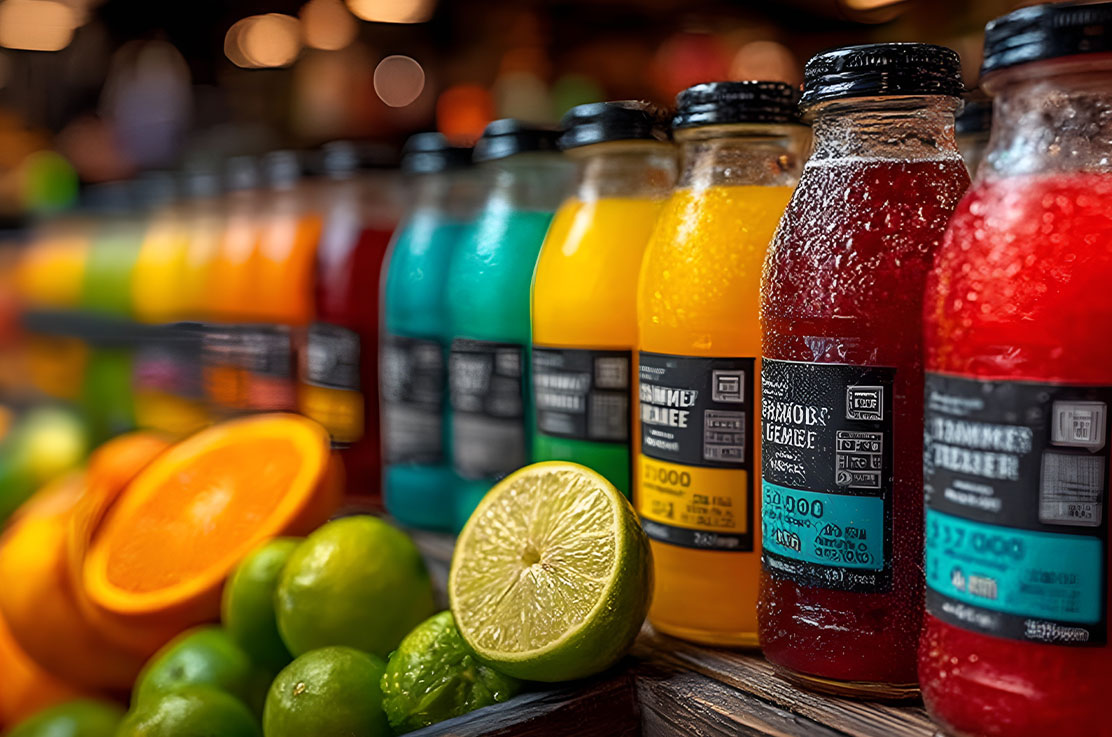
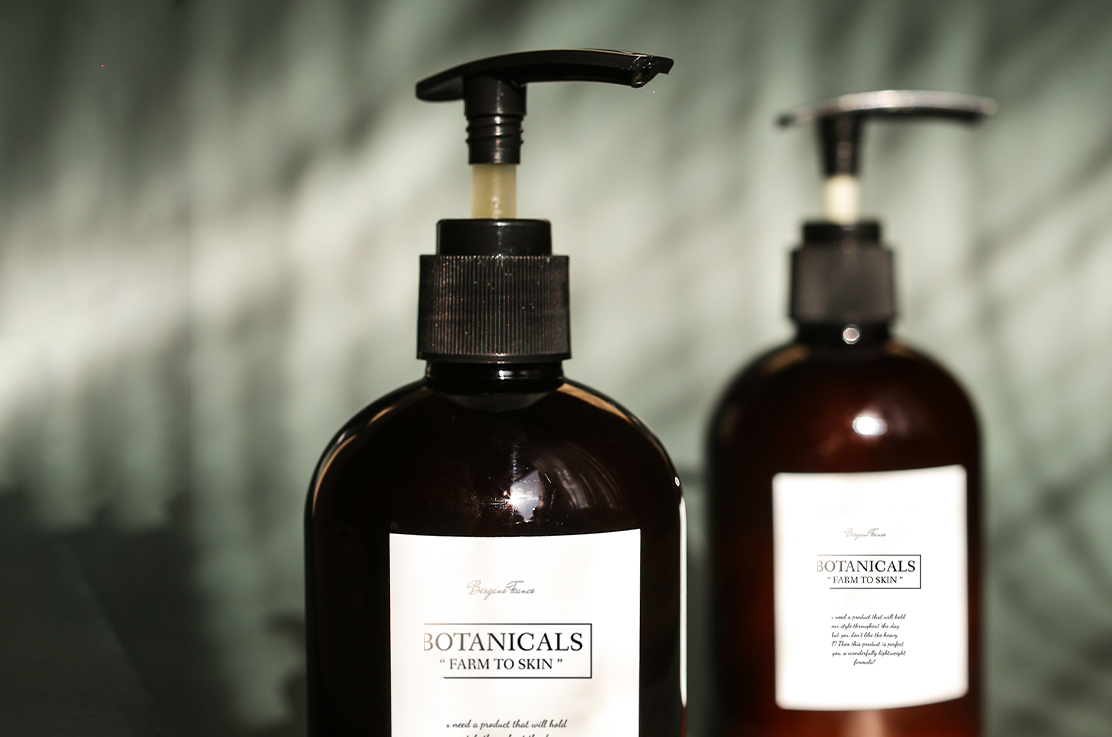
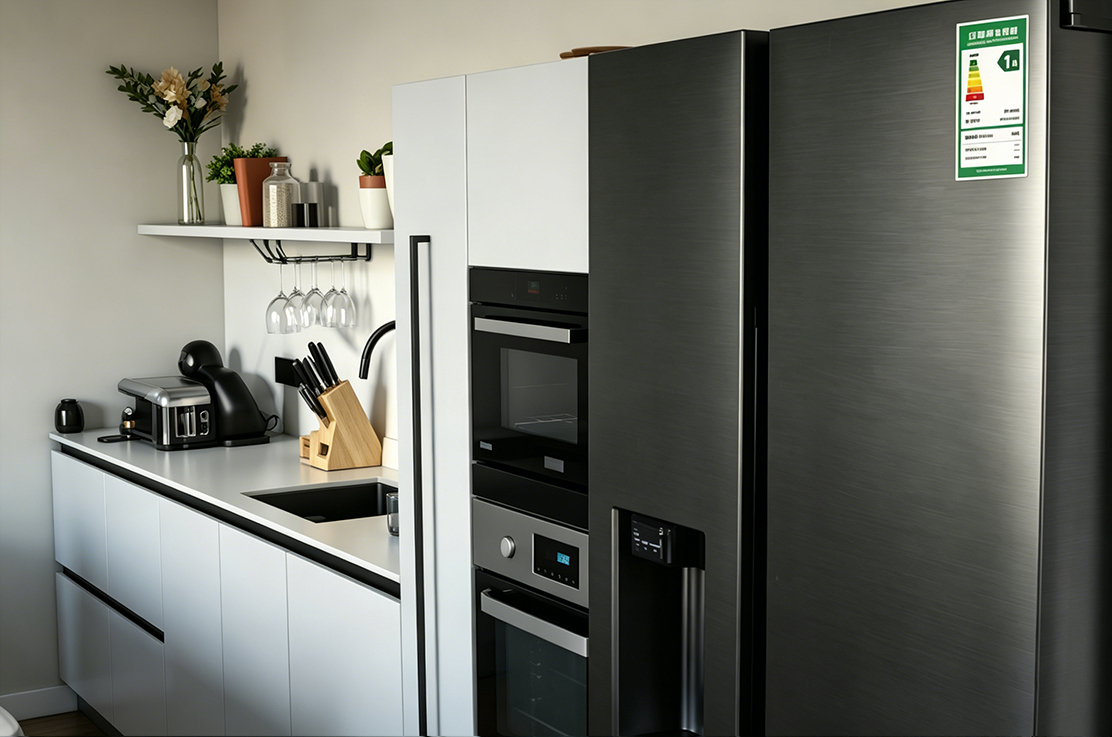
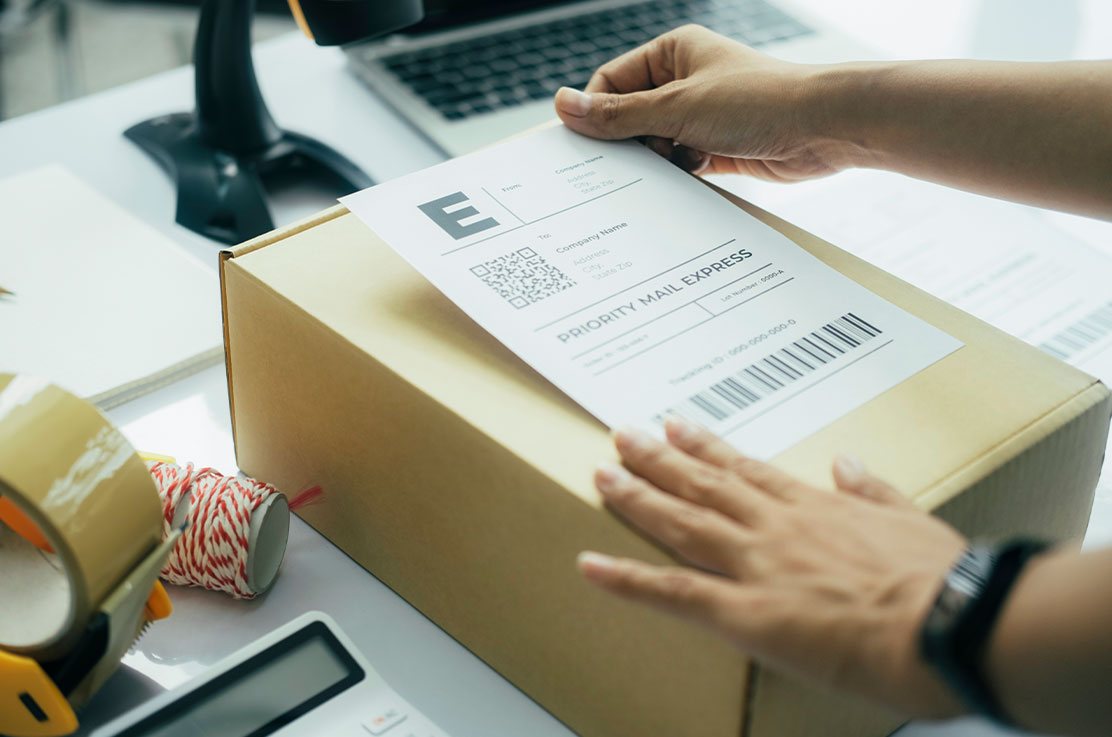
 Eco-Friendly Labels, Zero Compromise on Quality
 -
Products
SustainabilityIn the field of non-dry adhesive label materials, we don’t just "produce well"—we go further with environmental protection as our technical and ethical responsibility, turning every label into a "sustainable" carrier.
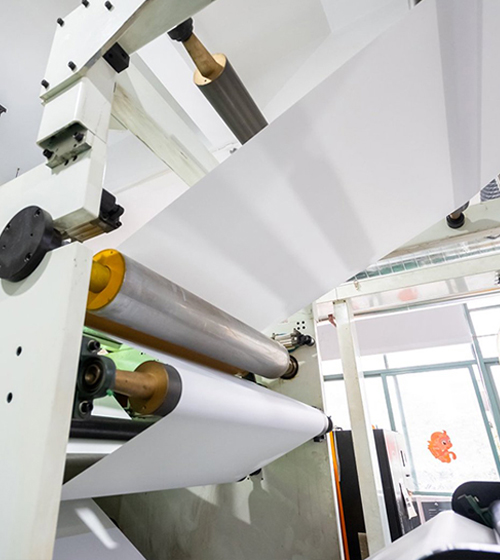 Eco-Friendly Labels, Zero Compromise on Quality
 -
News
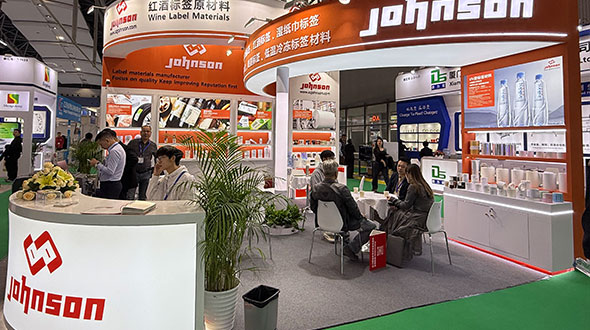 Wine Labelstock Invites You to Labelexpo Asia 2025
From December 2 to 5, 2025, Labelexpo Asia 2025, one of the most significant events in the global label and packaging printing industry, will take place at the Shanghai New International Expo Center. ...
 English
 русский
 Español
Bronze Metallic Paper Labels: Complete Guide to Specs, Benefits & Applications
Content
- 1 What Bronze Metallic Paper Actually Is - and How It Is Constructed
- 2 The Specifications That Determine Whether It Works
- 3 Bronze Metallic Paper vs. Silver and Gold Metallized Paper
- 4 Where Bronze Metallic Paper Delivers the Strongest Return
- 5 Printing and Converting Considerations
- 6 How to Source Bronze Metallic Paper Without Getting Burned
- 7 Frequently Asked Questions About Bronze Metallic Paper
Halfway through a limited-edition run, the converter calls: the bronze metallic paper stock you cleared for a premium wine label is shifting color between batches. The printer blames the stock. The stock supplier blames the press. Until you pull the construction sheet, nobody has an answer.
Bronze metallic paper reads like a surface product, but it behaves like an engineered laminate. The layer you cannot see - the aluminum deposition, the topcoat chemistry, the adhesive - decides whether the roll runs clean, cuts clean, and looks identical on the shelf for 36 months. This guide covers the construction data that matters, the specifications to verify, and the sourcing questions that prevent expensive surprises. We will look at the exact numbers that define how bronze metallic paper behaves, from base paper weight to adhesive chemistry.
What Bronze Metallic Paper Actually Is - and How It Is Constructed
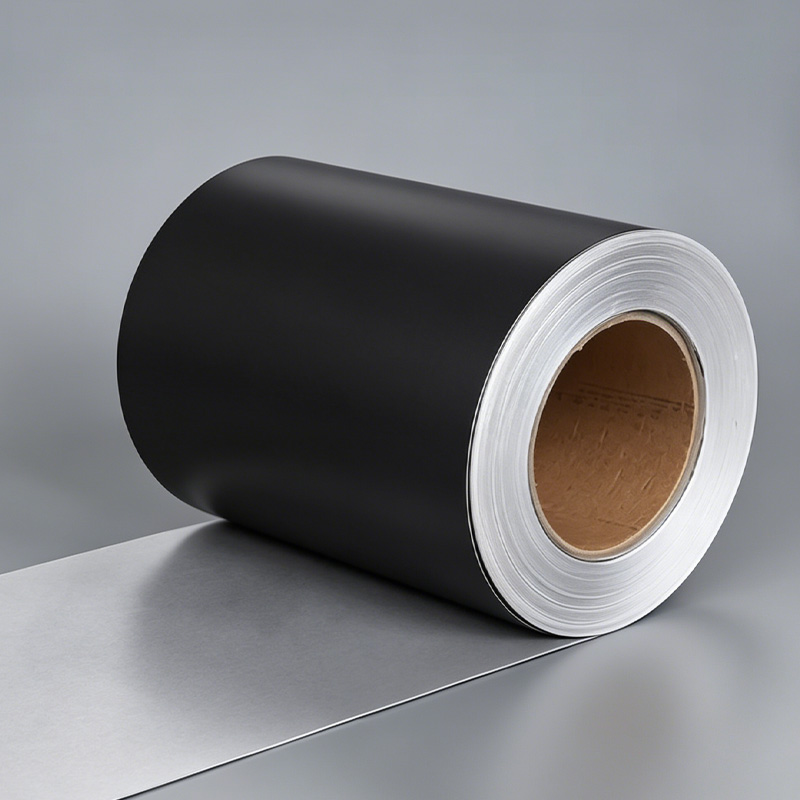
Bronze metallic paper is a metallized label stock built from five functional layers: a base paper, a vacuum-deposited aluminum layer, a bronze-toned protective topcoat, an adhesive, and a release liner. Each layer contributes to the final behavior of the material.
The base paper is typically a 70-100gsm kraft or semi-gloss sheet that provides rigidity and opacity. On top of that, a thin aluminum layer - usually between 300 and 500 angstroms - is applied through vacuum metallization, which gives the material its reflective metallic character. A topcoat lacquer is then formulated to deliver the bronze tone, the matte or gloss effect, and the print-receptive surface. For self-adhesive label formats, a hot melt or acrylic adhesive and a glassine release liner complete the construction.
For converters that need a pre-coated warm metallic stock, the most direct match in the Shenzhen Johnson New Materials Co., Ltd. product range is the 80gsm matte gold metallized paper, which uses the same vacuum-metallized paper platform with a warm matte lacquer.
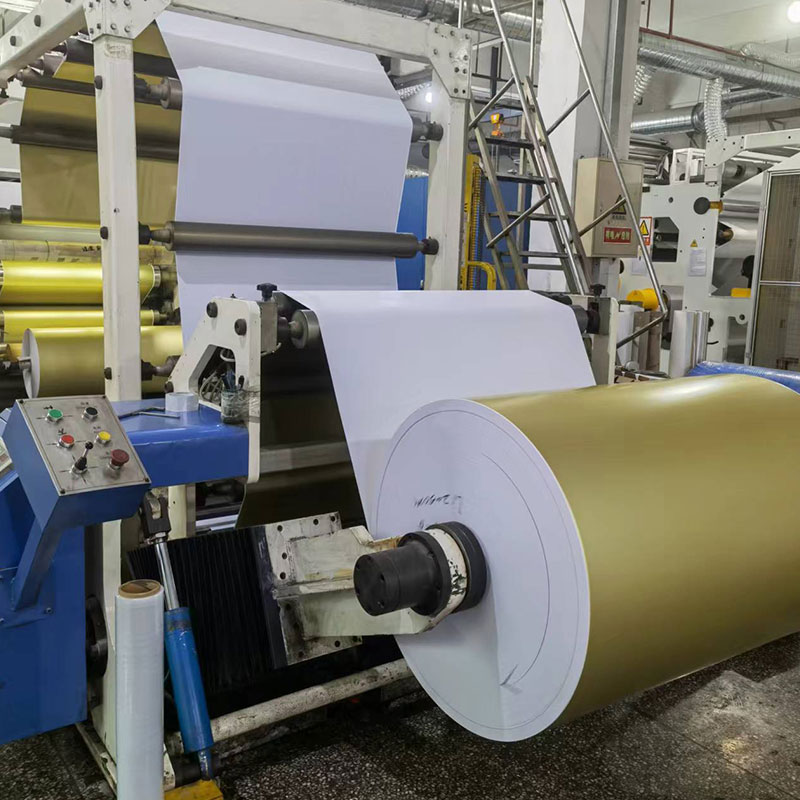 80gsm Matte Gold Metallized Paper with Hot Melt Adhesive and Glassine LinerThis self-adhesive metallized paper offers a warm matte gold finish suitable for premium labels. Its stable printability and reliable adhesive performance make it a practical choice for converters needing a pre-coated metallic stock for beverage or cosmetic packaging.View Product →
The Specifications That Determine Whether It Works
Four specifications determine how bronze metallic paper performs on press and on shelf: basis weight, topcoat finish, adhesive chemistry, and release liner. Every converter should have these numbers before quoting a job.
| Parameter | Typical values | What it affects |
| Basis weight | 70-100 gsm | Rigidity, opacity, die-cutting |
| Topcoat finish | Matte, gloss, satin | Light reflection, ink adhesion |
| Adhesive chemistry | Hot melt or acrylic | Application temperature, removability |
| Release liner | 60-90 gsm glassine | Converting speed, matrix stripping |
An 80gsm construction gives converters the best balance of stiffness and printability for most packaging labels. Dropping to 70gsm improves flexibility but increases the risk of puckering on curved container faces.
Converters also need to know whether they are buying a permanent adhesion or a removable construction. Bronze metallic paper with removable adhesive is a frequent request for retail price tags and set-up labels that need to peel away without residue.
Bronze Metallic Paper vs. Silver and Gold Metallized Paper
Bronze reads warmer and more earthy than silver. Gold reads more formal and luxurious. Bronze sits between the two, which is why craft food, natural cosmetics, and heritage wine brands keep coming back to it.
Metallic Finish Specification Frequency
Illustrative distribution of metallized paper finishes specified in premium label projects.
| Attribute | Bronze metallic | Silver metallic | Gold metallic |
| Color temperature | Warm, earthy | Cool, neutral | Warm, formal |
| Brand signal | Craft, organic, heritage | Technical, modern, clean | Luxury, premium, formal |
| Best-fit categories | Wine, spirits, artisan food | Electronics, logistics, industrial | High-end beauty, jewelry |
Silver reads technical. Gold reads formal. Bronze reads human. On a shelf full of glossy labels, the warm bronze tone catches the eye without shouting.
Where Bronze Metallic Paper Delivers the Strongest Return
The strongest return on bronze metallic paper comes from wine, spirits, and artisanal food categories - where the label carries a significant share of the quality perception and the shelf price justifies a more expensive stock.
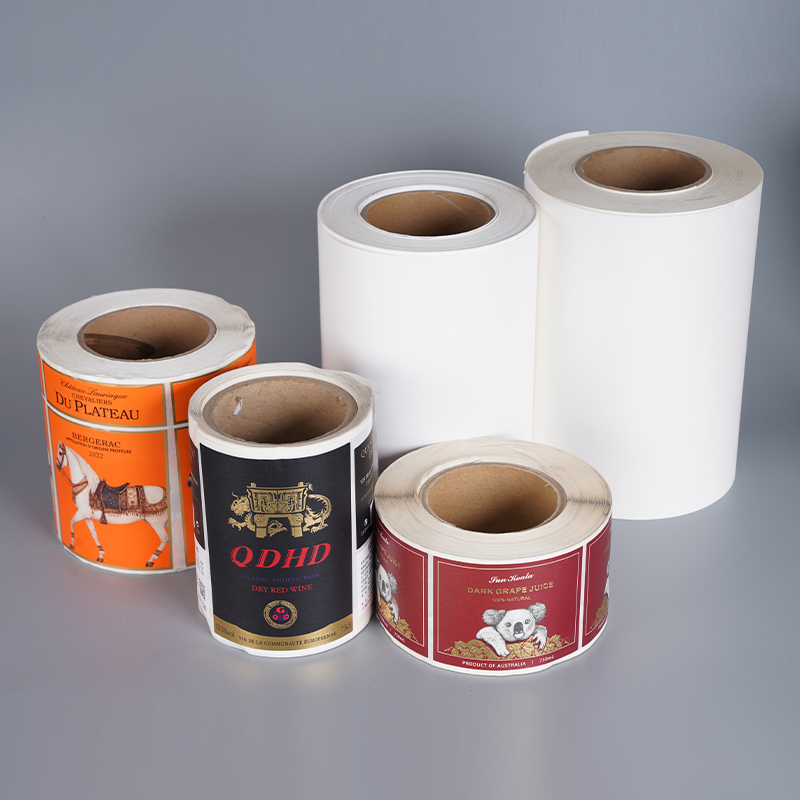
- Wine: red Bordeaux blends, natural wines, and limited releases benefit from a warm metallic finish. Standard 750ml wine labels typically run around 90mm by 50mm for the front label, which is compact enough for a metallized stock. Check the standard wine label dimensions before you order.
- Cosmetics: natural skincare and organic beauty brands choose bronze for a grounded, botanical feel. Cosmetics label stock specifiers often order the same bronze metallic paper in matte and gloss variants to cover different product lines.
- Spirits: craft whiskey, rum, and gin brands use bronze metallic paper to support heritage and small-batch storytelling on the shelf.
- Artisanal food: olive oil, honey, and preserves benefit from the earthy warmth of bronze on a label.
The fastest way to test whether bronze metallic paper fits your packaging: order a 100-200m pilot reel before you commit to a full container. The pilot run answers color, adhesion, and press-behavior questions for less than the cost of a single rejected batch.
Printing and Converting Considerations
Printing on bronze metallic paper requires ink systems designed for a metallized surface. Flexo works best with UV-curable inks, while offset needs high-tack acrylic inks. The bronze topcoat typically measures 38-40 dynes surface energy, which is high enough for most UV flexo inks but may require corona treatment or a primer for solvent-based systems.
- Flexo: use UV-curable inks with an anilox roll between 600 and 800 lpi for solids and vignettes. Solvent-based inks need a surface energy check before the run.
- Offset: use high-tack acrylic inks and run a controlled fountain solution. Too much water causes the ink to emulsify on the metallized surface.
- Die-cutting: 80gsm bronze metallic paper removes cleanly from the matrix. You can hold tighter tolerances on die-cut outlines with the stiffer stock.
- Lamination and UV coating: inline UV coating after printing locks the bronze tone and improves scratch resistance, which matters for wine bottles that sit in ice buckets.
Store the stock in a consistent 23 degrees Celsius and 50 percent relative humidity environment. Metallized paper absorbs less moisture than plain paper, but the sheet can still curl if the warehouse conditions swing.
How to Source Bronze Metallic Paper Without Getting Burned
The safest way to buy bronze metallic paper is to ask for the construction sheet, request a pilot reel, and verify batch-to-batch color before committing to a full order. A supplier that cannot produce those documents is a supply risk, not a supply chain.
- Ask for the full construction spec: base paper weight, topcoat chemistry, adhesive family, release liner.
- Request a pilot run of 100-200m for a print test and a bond check on your actual container or bottle surface.
- Compare batch L*a*b* values. Bronze is a sensitive color, and a Delta E above 2.5 is visible to the trained eye.
- Check the supplier monthly coating capacity. A serious coated-label producer should be able to say how many million square meters per month they run. Shenzhen Johnson New Materials, for example, states a monthly capacity of 20 million square meters, supported by 20 years of adhesive coating experience.
- Confirm whether the adhesive is designed for your face stock - glass, PE, HDPE, or coated paper each behave differently with hot melt and acrylic formulations.
A reliable supplier should be able to state the exact gsm of the base paper, the chemistry of the topcoat, the adhesive family, and the release liner weight - from memory, not from a brochure.
Frequently Asked Questions About Bronze Metallic Paper
What is bronze metallic paper made of?
Bronze metallic paper is a paper-based label stock that combines a base paper, a vacuum-deposited aluminum layer, and a bronze-toned protective topcoat. In self-adhesive format, it also carries a hot melt or acrylic adhesive and a glassine release liner.
Can I print on bronze metallic paper with a standard laser printer?
Most bronze metallic papers are designed for flexographic, offset, or screen printing. Standard office laser printers are not recommended because the metallized surface reflects heat and the toner may not fuse properly. Run a sample test before committing to a project.
How does bronze metallic paper differ from foil paper?
Foil paper uses a metallic foil laminated to paper, which creates a thicker and less flexible laminate. Bronze metallic paper uses vacuum metallization, keeping the metallic layer thin and flexible, so it die-cuts more cleanly and holds print registration better.
Is bronze metallic paper suitable for wine bottle labels?
Yes. Converters routinely use 80-100gsm metallized paper for wine labels, and bronze is a strong choice for red wines and heritage-style branding. The key is to use a hot melt adhesive that bonds to glass and to verify moisture resistance for chilled wine.
If you remember one thing about bronze metallic paper: verify the construction sheet before you buy, not after the batch fails.
Your email address will not be published. Required fields are marked *
Contact Details
TEL: +86-15626470581
E-mail: sales@szjohnson.com
Location
Address: Building 1, Room 201, Zhijianeng High-tech Park, No. 65 Hongyin Road, Lihu Community, Xinhu Street, Guangming District, Shenzhen 518107, Guangdong Province, China
Get In Touch
Copyright © Shenzhen Johnson New Materials Co., Ltd. All Rights Reserved.
Wholesale Self Adhesive Paper Manufacturers Adhesive Label Roll Factory