
-
About Us
Why Choose Us?We are equipped with advanced high-speed adhesive coating lines, boasting a monthly production capacity of 20 million square meters. These machines support both hot melt and acrylic adhesive applications, enabling us to ensure fast delivery and consistent quality while meeting the diverse needs of the market. Our sales team works closely with you to fully understand your specific requirements.
 Coming From China, Marketing To The World.
-
Solutions
Professional Label Material SolutionsAt Johnson, we understand that every industry faces unique labeling challenges. With 20 years of specialized expertise and strong R&D capabilities, we provide more than just materials — we deliver customized solutions that ensure “process compatibility, scenario suitability, and rapid delivery.
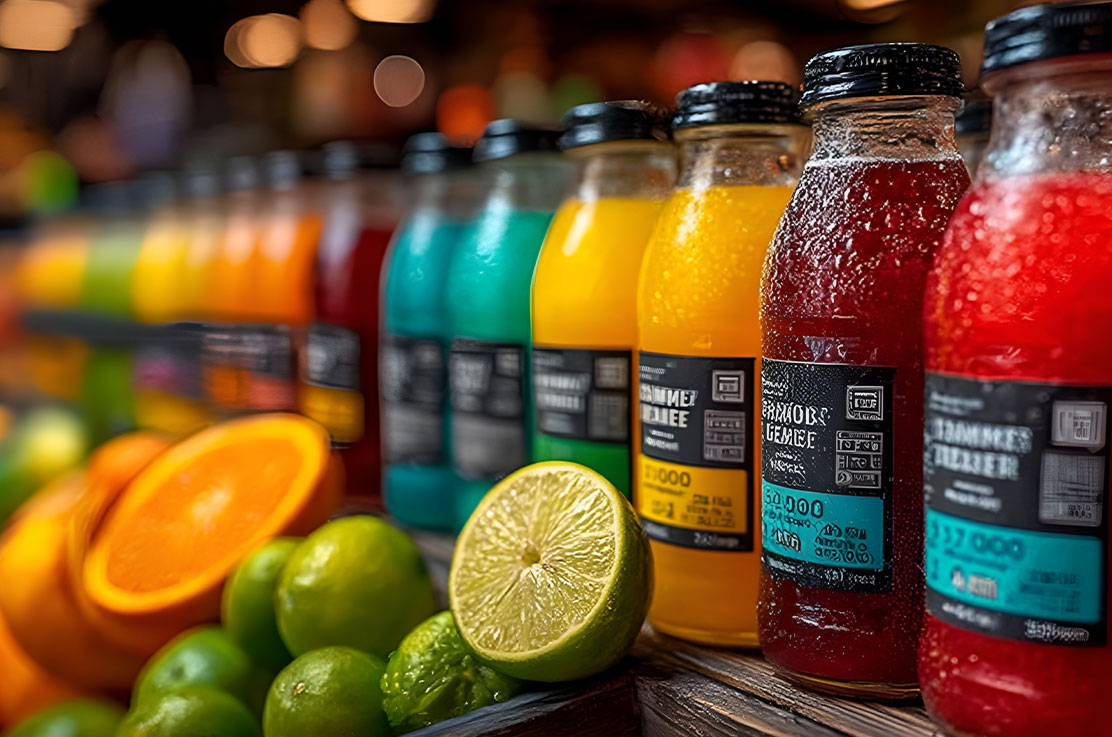
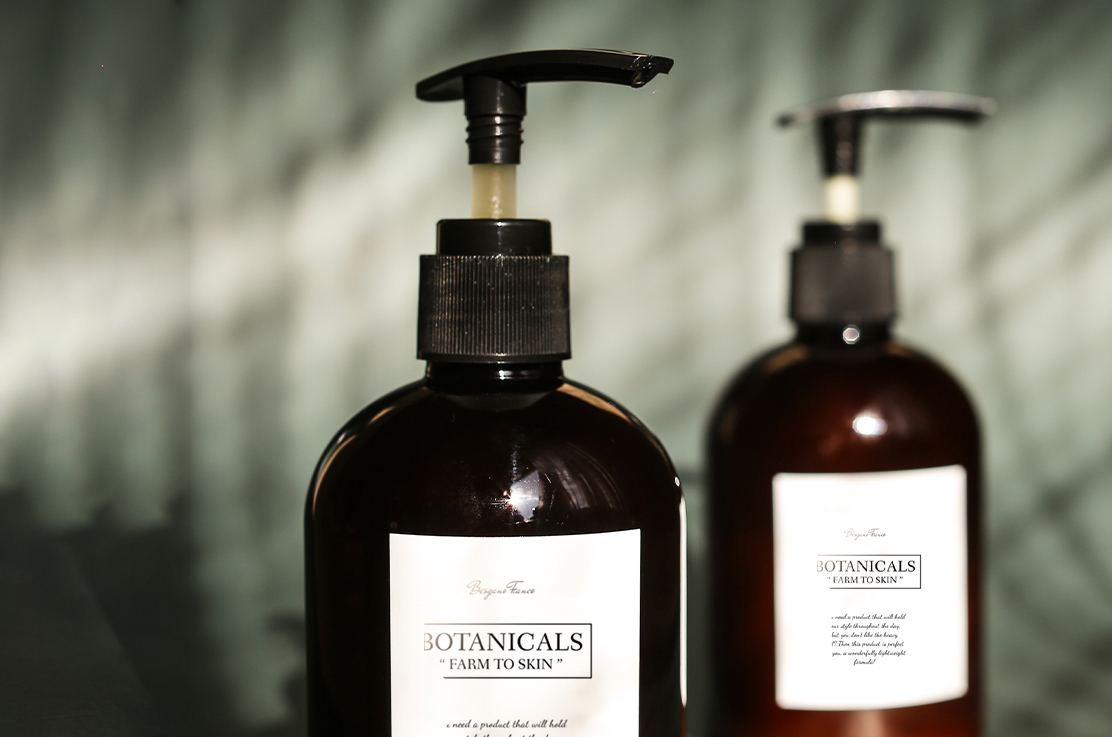
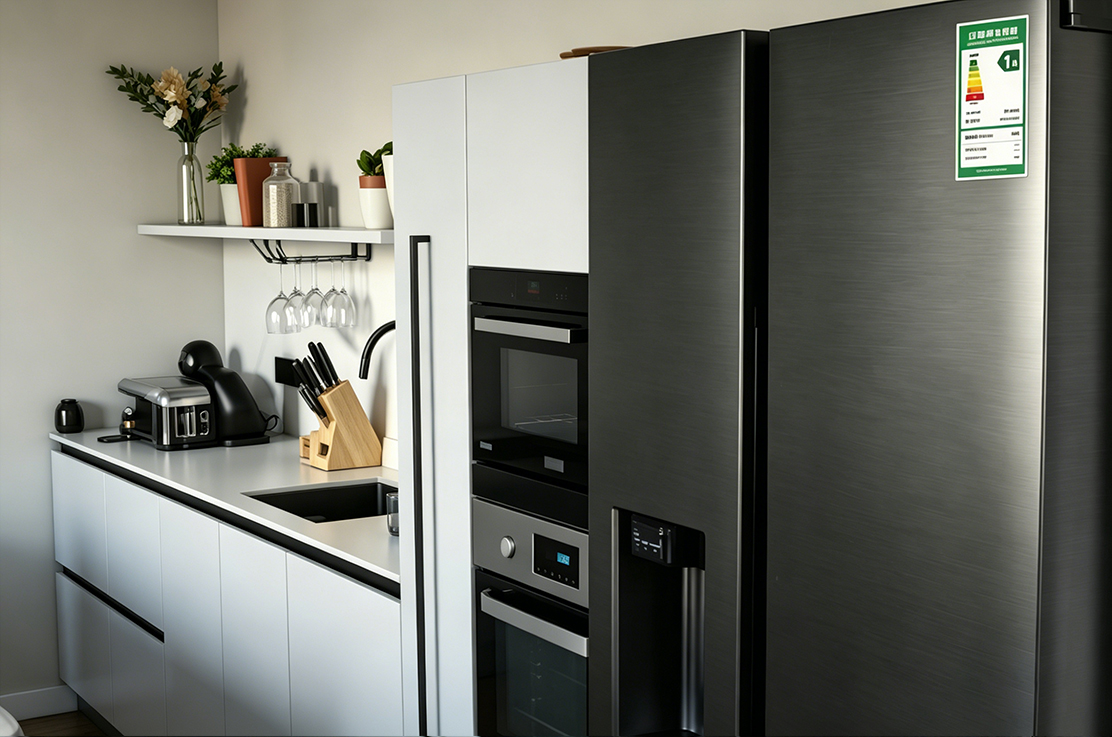
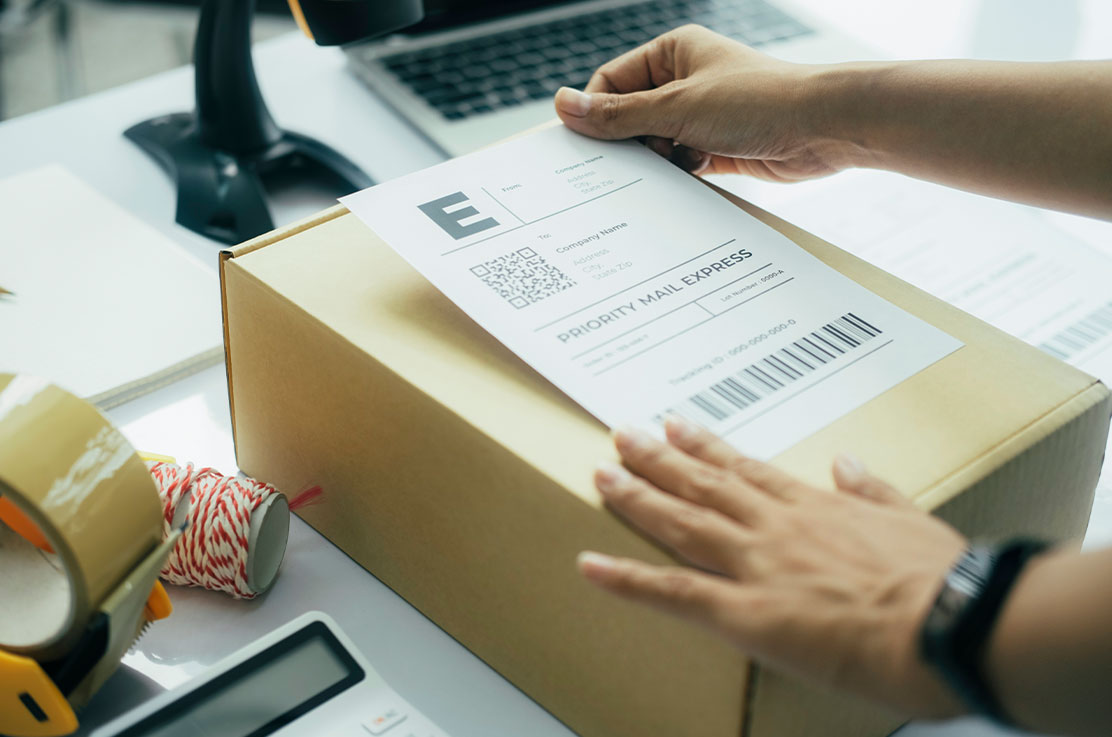
 Eco-Friendly Labels, Zero Compromise on Quality
-
Products
SustainabilityIn the field of non-dry adhesive label materials, we don’t just "produce well"—we go further with environmental protection as our technical and ethical responsibility, turning every label into a "sustainable" carrier.
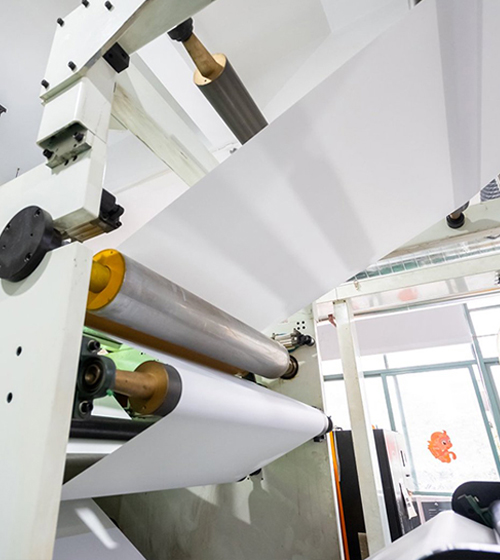 Eco-Friendly Labels, Zero Compromise on Quality
-
News
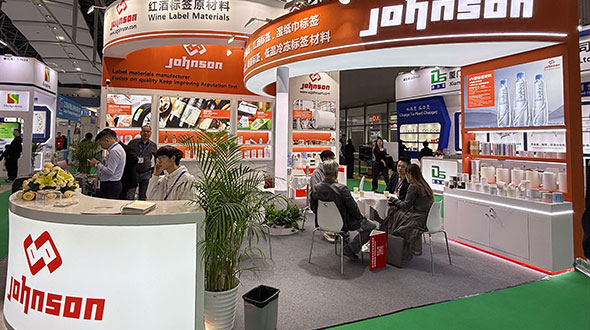 Wine Labelstock Invites You to Labelexpo Asia 2025
From December 2 to 5, 2025, Labelexpo Asia 2025, one of the most significant events in the global label and packaging printing industry, will take place at the Shanghai New International Expo Center. ...
 English
 русский
 Español
Metallic Paper for Printing OEM: Spec Numbers That Decide Print Quality
Content
- 1 What Metallic Paper for Printing OEM Actually Means for a Converter
- 2 Five Numbers That Decide Whether Your Metallic Paper Spec Prints Cleanly
- 3 Where Metallic Label Defects Actually Come From
- 4 Matte Gold, Bright Silver or Holographic: Matching the Finish to the Ink System
- 5 How Adhesive and Liner Choices Change Press Performance
- 6 Qualifying a Metallic Paper for Printing OEM Supplier Without a Six-Week Trial
- 7 Frequently Asked Questions About Metallic Paper for Printing OEM
What Metallic Paper for Printing OEM Actually Means for a Converter
Metallic paper for printing OEM is a semi-finished laminate supplied on rolls: a vacuum-metallized face paper, an adhesive layer and a silicone-coated liner, which you then print, die-cut and apply under your own brand. You are buying material, not finished labels.
Definition: OEM metallized label stock is fixed by four parameters that must be agreed in writing before the first purchase order. Those are face basis weight and finish, adhesive chemistry and coat weight, liner type and caliper, and roll format.
The aluminium layer itself is only 0.02 to 0.05 micron thick and is deposited onto a coated base paper. That means the base paper grade, not the metal, decides how the sheet prints. An 80 gsm metallized face delivers roughly 85 to 90 percent opacity, which is enough to hide the bottle or carton underneath without a second pass.
- Face: 80 gsm metallized paper in matte gold, bright silver or plain holographic. The top surface is a lacquer, and its surface energy decides whether your ink keys at all.
- Adhesive: hot melt at 20 to 22 gsm for high-speed rotary die-cutting, or acrylic at 22 to 25 gsm where UV exposure, plasticisers or sub-zero storage matter more.
- Liner: 60 gsm white glassine for standard rotary dies, 90 gsm glassine or a 30 to 50 micron PET release film where the web runs fast and reels have to stay flat.
If you are still weighing finishes rather than suppliers, this breakdown of metallic paper label specifications and benefits compares bronze, gold and silver faces and shows where each one pays off.
Five Numbers That Decide Whether Your Metallic Paper Spec Prints Cleanly
Five numbers decide whether a metallized job runs or scraps: face basis weight, adhesive coat weight, liner caliper, die-cut tolerance and minimum application temperature. Everything else on a specification sheet is a consequence of those five.
| Parameter | Typical window | Where it fails | How to verify |
| Face basis weight | 80 gsm, plus or minus 4 percent | Opacity drifts across the roll | Gravimetric check per batch |
| Face gloss | 20 to 30 GU matte gold, 70 to 85 GU bright silver | Varnish crawling and patchy ink lay | 60 degree glossmeter |
| Adhesive coat weight | 20 to 22 gsm hot melt | Ooze at the die, weak peel on cold glass | Coat weight sample per lot |
| Liner caliper | 60 gsm glassine, plus or minus 3 percent | Die cuts through the liner, or not deep enough | Micrometer, five points across the web |
| Die-cut registration | Plus or minus 0.2 mm | Edge lift and matrix break | Trial run at production speed |
Where Metallic Label Defects Actually Come From
Ink and varnish adhesion failure is the largest single source of metallic label scrap, at roughly a third of rejected metres, and die-cutting faults come second. Neither is normally a press operator error.
Die-cutting faults follow the same logic. A 60 gsm glassine liner with a plus or minus 3 percent caliper window forces the converter to set die depth against the thinnest point of the roll. A supplier who can hold a tighter window removes most edge lift before the job ever starts.
Matte Gold, Bright Silver or Holographic: Matching the Finish to the Ink System
Matte gold is the safest face for UV flexo and offset, bright silver gives the highest contrast where a logo or barcode must read instantly, and holographic finishes are worth specifying only when brand protection justifies an extra primer step.
20 to 30 GU gloss. Hides fingerprints and press marks, accepts matte varnish and overlamination, and holds the most consistent surface energy of the three finishes.
70 to 85 GU gloss. Maximum reflectivity and contrast. Needs a primer or a heavily filled ink to anchor, and shows every scratch, so varnish choice matters.
Diffractive rainbow pattern that looks expensive with no print at all. Requires primer before UV inks, and the varnish must be matched or the diffraction dulls.
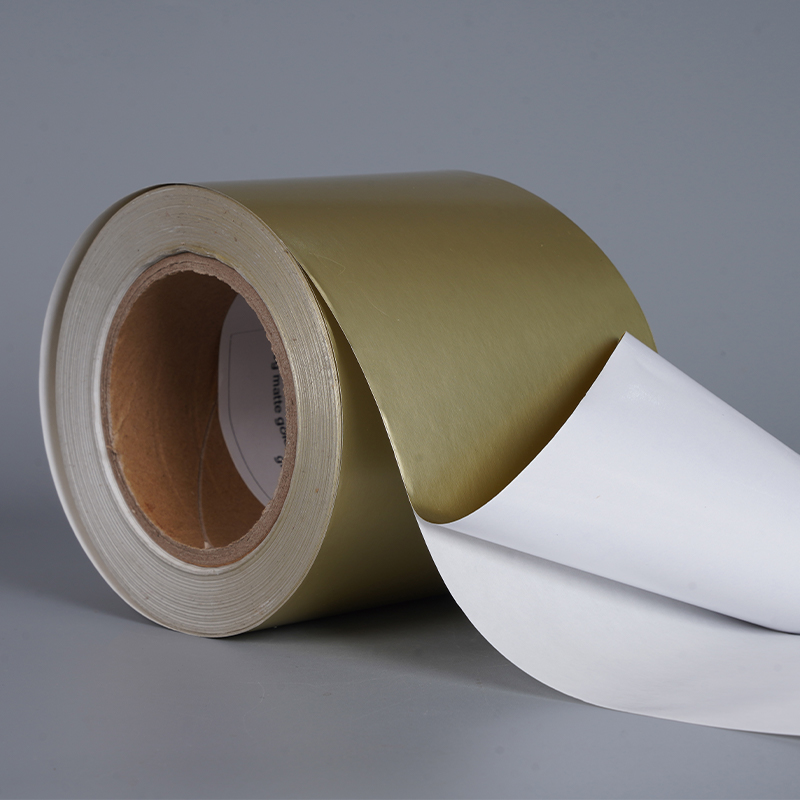
For a first production run, an 80 gsm matte gold metallized paper on hot melt adhesive is the most predictable combination available. It prints with standard UV flexo inks, die-cuts on a 60 gsm glassine liner, and tolerates the matte varnish that most spirits and beverage label applications call for.
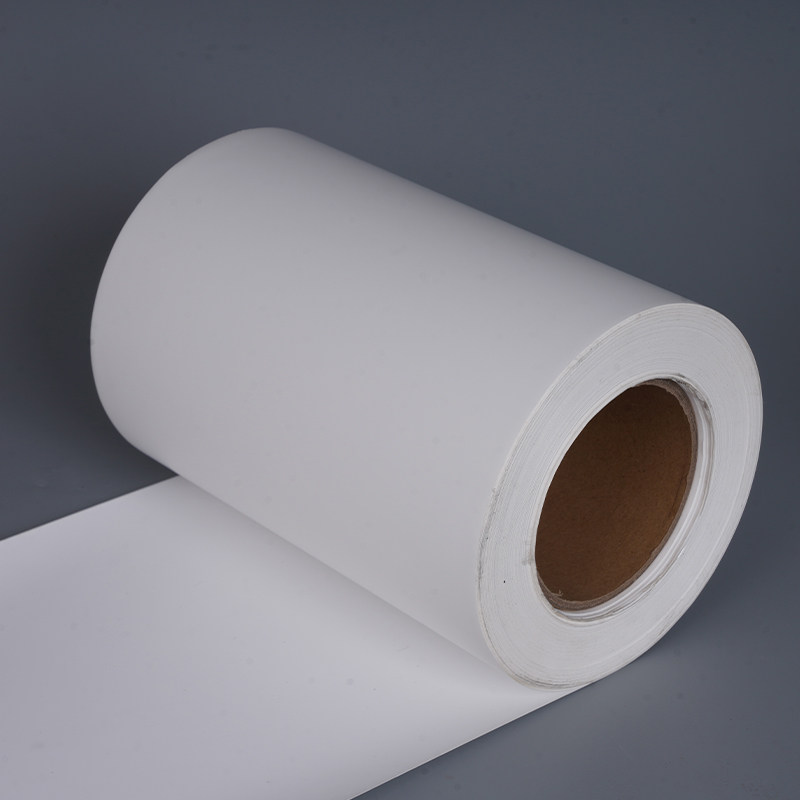
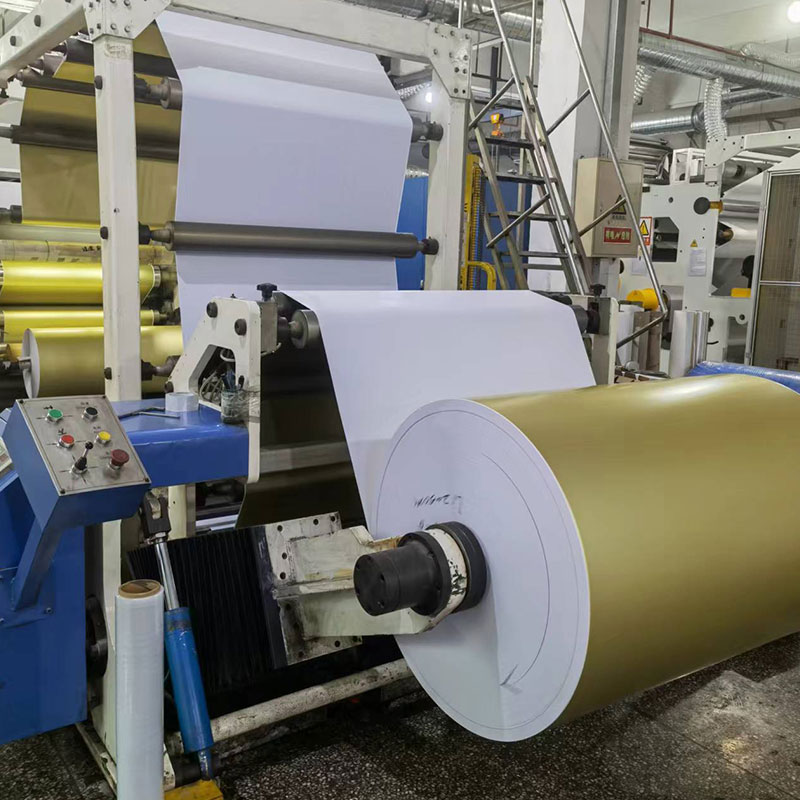 80gsm Matte Gold Metallized Paper with Hot Melt AdhesiveMatte gold metallized label stock with hot melt adhesive and 60gsm white glassine liner; a predictable choice for first beverage-label runs needing matte varnish.View Product →
How Adhesive and Liner Choices Change Press Performance
Hot melt adhesive runs faster and die-cuts cleaner, while acrylic adhesive survives UV light, plasticisers and cold storage better. The liner then decides which of the two you can actually run at full speed.
- 20 to 22 gsm coat weight
- Minimum application temperature around 5 degrees C
- Cleanest die-cutting on 60 gsm glassine
- Lower cost per square metre
- Weaker against plasticised PVC and long UV exposure
- 22 to 25 gsm coat weight
- Minimum application temperature around 0 degrees C
- Better UV and ageing resistance
- Preferred for cosmetics and electronics faces
- Slightly slower on high-speed rotary dies
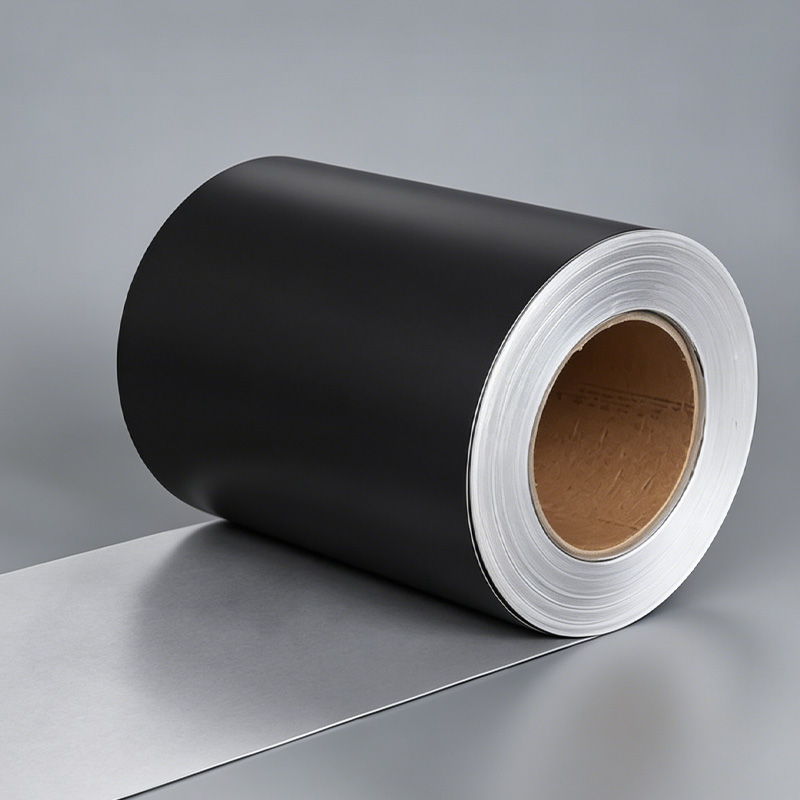
A bright silver face on hot melt is the standard pairing for high-speed rotary die-cutting, because the metallized surface and the softer adhesive cut together instead of fighting each other. Where the label later sits on a shelf under display lighting for months, move the same face onto acrylic and accept the slower die speed.
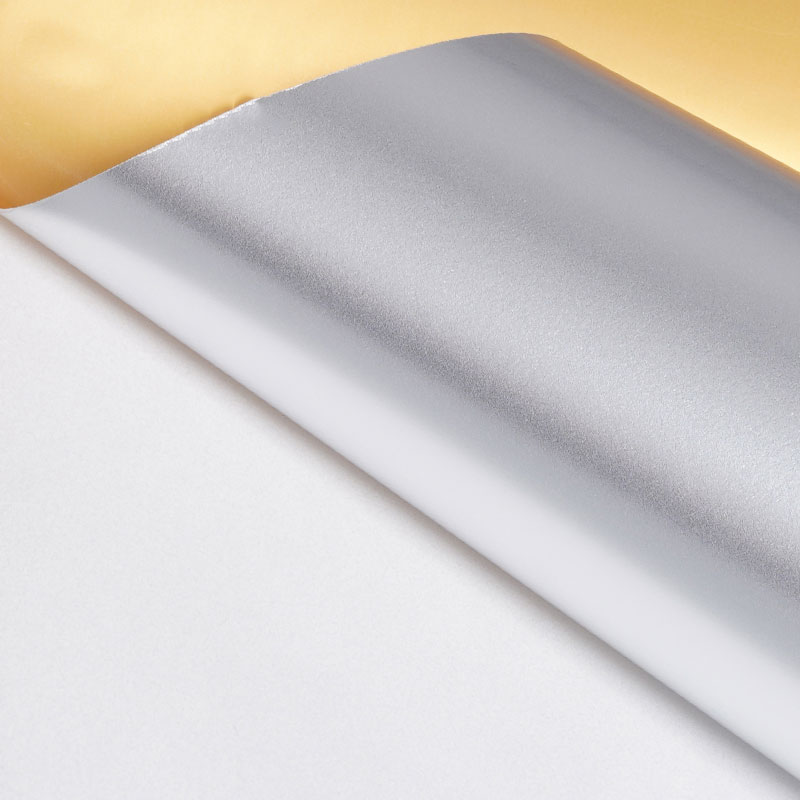
 80gsm Bright Silver Metallized Paper with Hot Melt AdhesiveBright silver metallized label stock with hot melt adhesive and 60gsm white glassine liner; suited to high-speed rotary die-cutting and sample checks before full orders.View Product →
Qualifying a Metallic Paper for Printing OEM Supplier Without a Six-Week Trial
Run a four-step sample protocol: production-width samples, a 500 square metre press trial, surface energy and cold tests, then batch-level coat weight data. That sequence catches most problems before the first full order.
- Order samples at production width on the production liner. Lab sheets hide web tension behaviour and die-cutting response.
- Print 500 square metres with your actual ink, varnish and die. Anything under 200 square metres will not reveal register drift.
- Measure surface energy before printing. Anything below 36 dyn/cm goes back to the supplier.
- Require coat weight and liner caliper per batch, not per grade. A supplier who can only quote a grade range is quoting a brochure.
Shenzhen Johnson New Materials Co., Ltd., a Shenzhen-based label material manufacturer with 20 years in the pressure-sensitive sector, coats both hot melt and acrylic adhesives on its own lines and quotes a monthly capacity of 20 million square metres. Capacity at that level matters less for volume than for sampling, because a coater running its own lines can supply a trial roll in the exact face, adhesive and liner combination you intend to buy instead of substituting the nearest stocked grade.
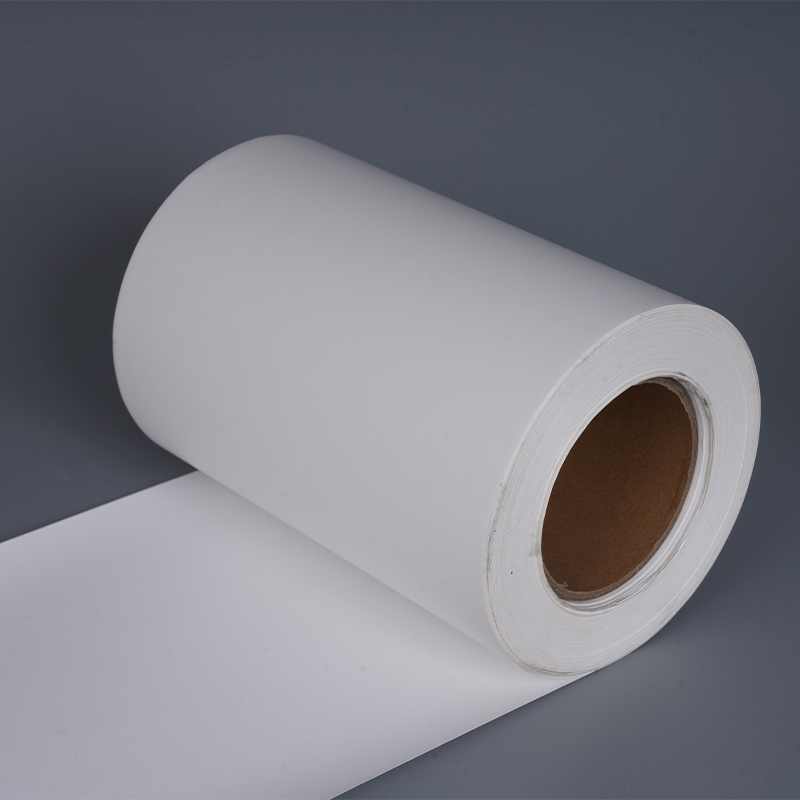
Ask for a plain holographic 80 gsm sample in the same shipment as your matte gold trial, so you can compare how each face accepts primer before you commit a finish to a brand owner.
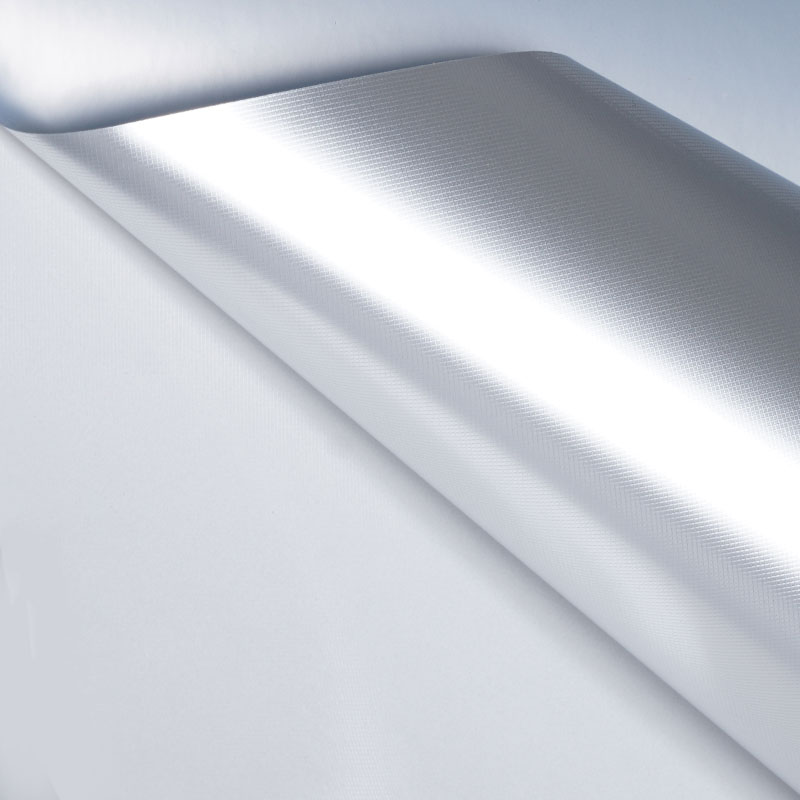
 80gsm Plain Holographic Metallized Paper with Hot Melt AdhesivePlain holographic metallized label material with hot melt adhesive and 60gsm white glassine liner; useful for comparing primer acceptance before committing a holographic finish.View Product →
Frequently Asked Questions About Metallic Paper for Printing OEM
What is the difference between metallized paper and foil paper?
Metallized paper carries a vacuum-deposited aluminium layer of roughly 0.02 to 0.05 micron, while foil paper laminates a solid aluminium foil of 6 to 9 micron. Metallized faces cost less, print more consistently and die-cut cleanly. Foil is reserved for hot stamping and heavy embossing.
Can metallic paper be printed on a direct thermal printer?
No. Direct thermal printing needs a heat-sensitive coating that a metallized face does not have. Use thermal transfer with a compatible ribbon, or specify direct thermal paper for that label position if the printer is already fixed in the line.
Which basis weight should I order for a spirits or wine bottle?
80 gsm is the working standard for metallized faces on 750 ml bottles. Move to 90 gsm only when the label exceeds roughly 100 mm in height or the bottle spends long periods in an ice bucket, where stiffness and moisture resistance start to matter more than print quality.
Will a metallic face break barcode scanning?
It can. Bright silver faces reflect scanner light straight back at the lens and reduce first-read rates. Specify matte gold, or print the barcode over a matte varnish patch to bring the reflectance down.
Your email address will not be published. Required fields are marked *
Contact Details
TEL: +86-15626470581
E-mail: sales@szjohnson.com
Location
Address: Building 1, Room 201, Zhijianeng High-tech Park, No. 65 Hongyin Road, Lihu Community, Xinhu Street, Guangming District, Shenzhen 518107, Guangdong Province, China
Get In Touch
Copyright © Shenzhen Johnson New Materials Co., Ltd. All Rights Reserved.
Wholesale Self Adhesive Paper Manufacturers Adhesive Label Roll Factory