
-
About Us
Why Choose Us?We are equipped with advanced high-speed adhesive coating lines, boasting a monthly production capacity of 20 million square meters. These machines support both hot melt and acrylic adhesive applications, enabling us to ensure fast delivery and consistent quality while meeting the diverse needs of the market. Our sales team works closely with you to fully understand your specific requirements.
 Coming From China, Marketing To The World.
 -
Solutions
Professional Label Material SolutionsAt Johnson, we understand that every industry faces unique labeling challenges. With 20 years of specialized expertise and strong R&D capabilities, we provide more than just materials — we deliver customized solutions that ensure “process compatibility, scenario suitability, and rapid delivery.
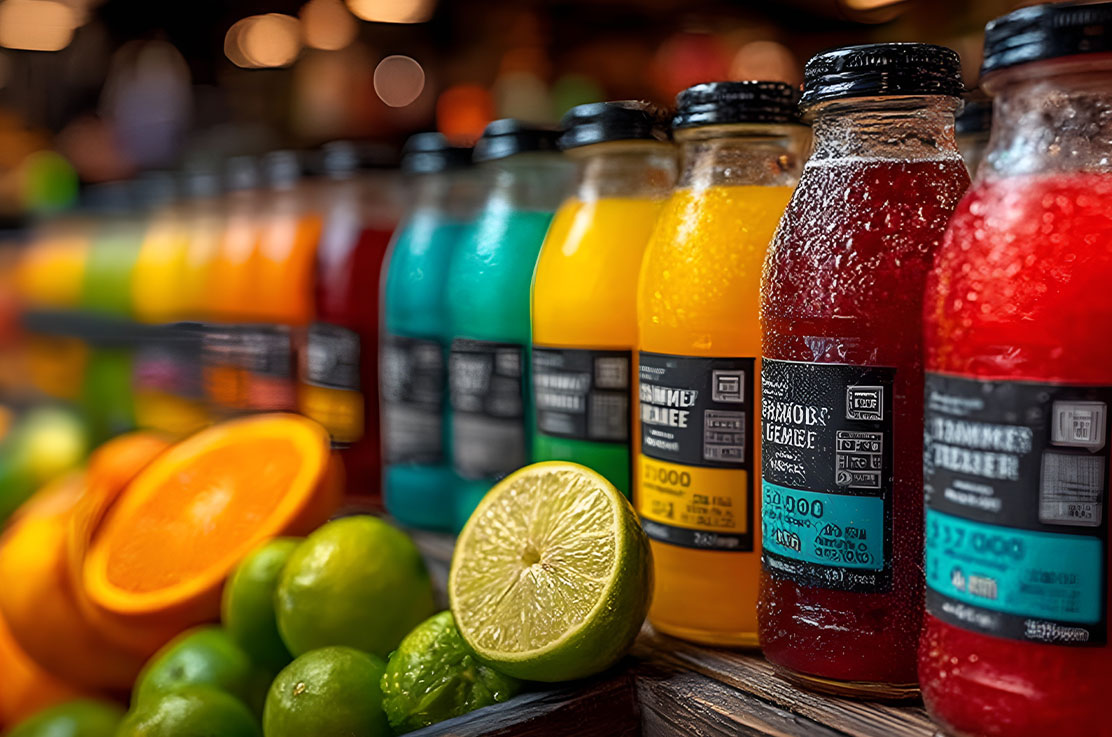
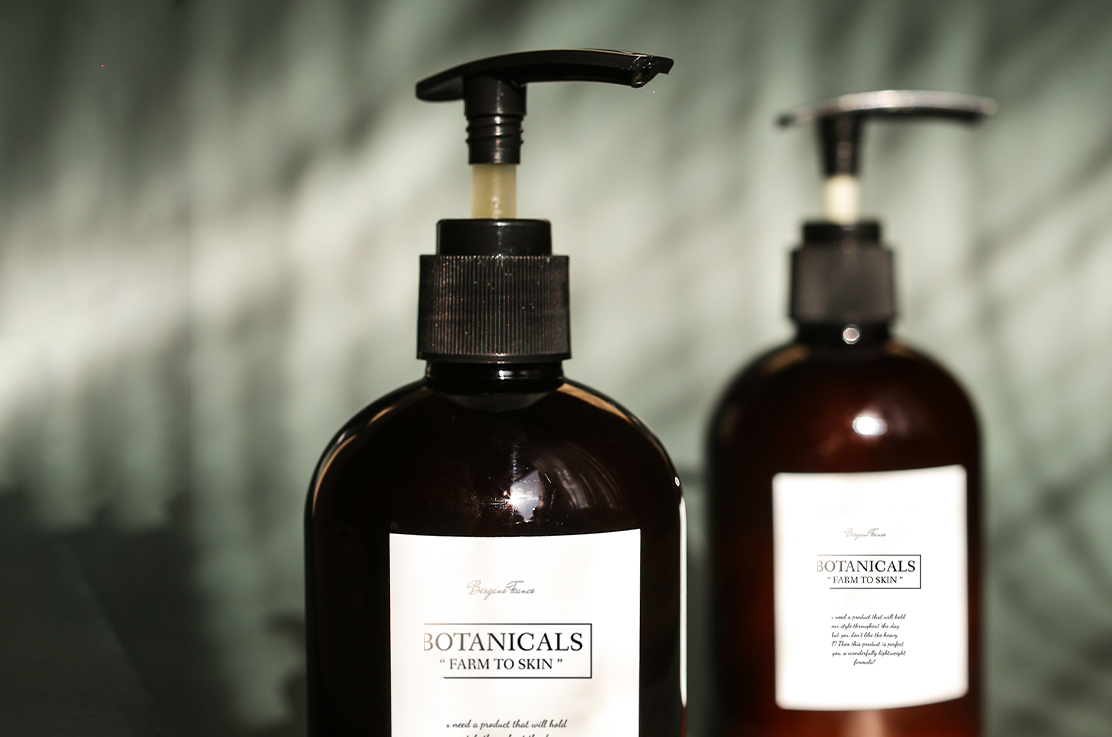
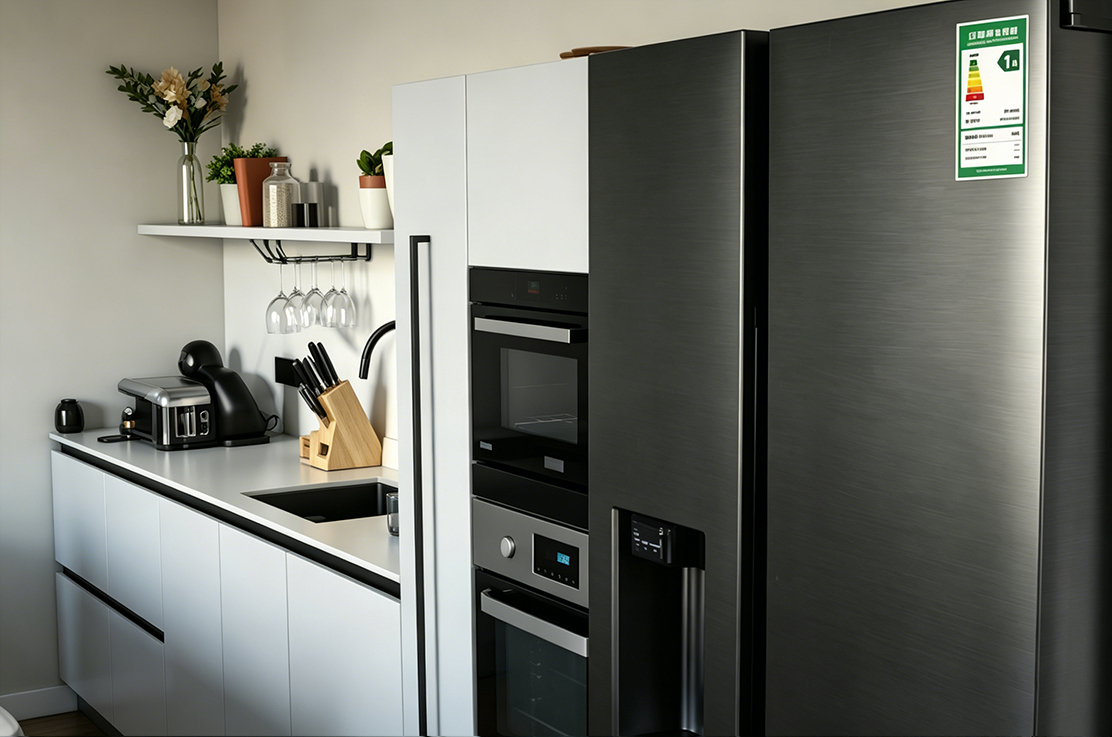
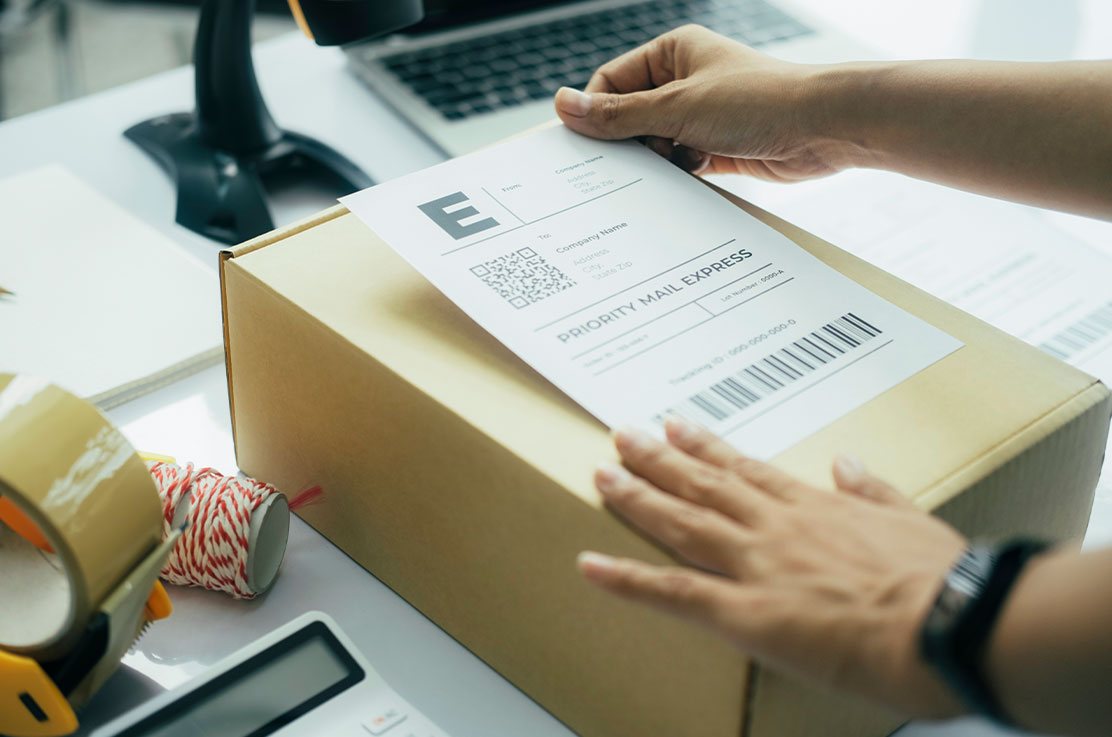
 Eco-Friendly Labels, Zero Compromise on Quality
 -
Products
SustainabilityIn the field of non-dry adhesive label materials, we don’t just "produce well"—we go further with environmental protection as our technical and ethical responsibility, turning every label into a "sustainable" carrier.
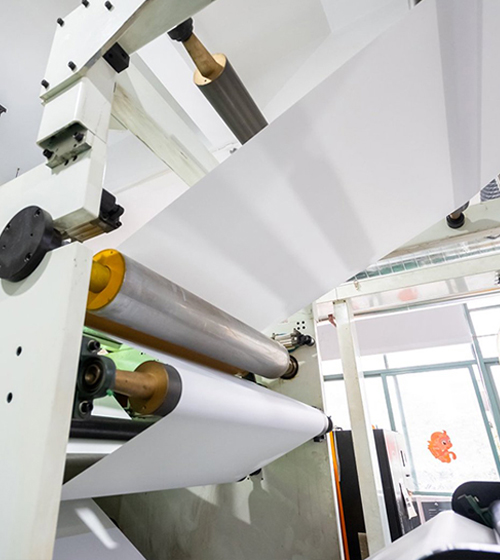 Eco-Friendly Labels, Zero Compromise on Quality
 -
News
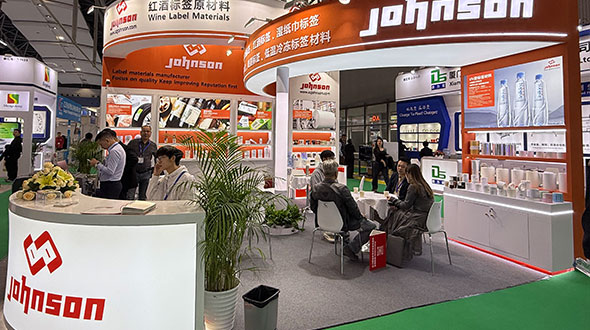 Wine Labelstock Invites You to Labelexpo Asia 2025
From December 2 to 5, 2025, Labelexpo Asia 2025, one of the most significant events in the global label and packaging printing industry, will take place at the Shanghai New International Expo Center. ...
 English
 русский
 Español
Glassine Paper Suppliers: How to Choose a Release Liner That Holds Up on Press
Content
- 1 What Glassine Paper Is and How It Differs From Parchment and Wax Paper
- 2 How to Compare Glassine Paper Suppliers: Three Measurable Checks
- 3 Reading a Glassine Datasheet: Grammage, Caliper and Release Force
- 4 Glassine vs PET vs Kraft Liners: Matching the Liner to the Application
- 5 Lead Times, MOQ and Price Realities When Buying Glassine Liners
- 6 Frequently Asked Questions About Glassine Paper Suppliers
Glassine paper is a commodity line item until the first die-cutting fault, and by then 40,000 labels have already run through the press. Buyers comparing glassine paper suppliers on price per square metre alone tend to learn the rest of the lesson on the factory floor, because it is caliper consistency, silicone coat weight and release-force stability that decide whether a pressure-sensitive label lifts cleanly at 150 metres per minute or drags the matrix along with it. The specifications, checks and questions below are the ones that separate a liner supplier you can build a production schedule around from one you cannot.
What Glassine Paper Is and How It Differs From Parchment and Wax Paper
Glassine is a release liner first and a paper second, which is why it is bought by caliper, silicone holdout and release force rather than by appearance.
Glassine paper is a supercalendered sheet made from bleached chemical wood pulp, pressed between steel rolls under high pressure until the fibres flatten and the surface closes. That closed surface is the entire point: a typical 60 to 90 gsm glassine runs at a density near 1.1 g/cm3 with almost no air permeability, so a silicone coating sits on the surface instead of soaking into the sheet.
The practical consequence is release stability. A clay-coated kraft liner of the same nominal thickness absorbs part of the silicone and returns a release force that drifts with dwell time. Supercalendered glassine holds a far more consistent release profile from the first metre of the reel to the last, which is what a converter actually needs when the die station is set once per shift.
- Basis weight of 60 to 90 gsm covers the large majority of prime label work; lighter sheets exist for specialty tapes.
- Nominal caliper of 54 to 80 microns, tight enough to keep die-cutting penetration predictable across a full reel.
- Near-zero air permeability, which keeps silicone coat weight uniform and prevents adhesive soak-in on the liner side.
| Paper | Pulp and treatment | Grease resistance | Realistic liner use |
| Glassine | Bleached chemical pulp, heavily supercalendered | High, with a closed non-porous surface | Standard silicone release liner for labels and tape |
| Vegetable parchment | Chemical pulp passed through a sulphuric acid bath | High, but bulky and non-transparent | Food baking and wrapping; rarely slit as a liner |
| Wax paper | Sulphite pulp coated with paraffin or microcrystalline wax | Low to moderate | Interleaving and food wrap; wax migrates into adhesive |
| Coated kraft | Kraft base with a clay or kaolin coat | Moderate | Liner only when coat weight is heavy and release is forgiving |
Wax paper and parchment are routinely offered as cheap substitutes and neither belongs on a pressure-sensitive line. Wax migrates into the adhesive and destroys tack within days, while parchment is too bulky and too costly to slit reliably at label widths.
How to Compare Glassine Paper Suppliers: Three Measurable Checks
Compare glassine paper suppliers on three measurable capabilities: silicone coat-weight control, caliper consistency from reel to reel, and documented release-force curves at more than one peel speed.
Shenzhen Johnson New Materials Co., Ltd., a Shenzhen-based label material manufacturer with roughly two decades in pressure-sensitive labelstock, publishes a monthly coating capacity of 20 million square metres across hot-melt and acrylic lines, with silicone release paper and release film alongside its self-adhesive range. Capacity of that scale is a delivery argument rather than a quality argument, but it does tell a buyer whether the supplier coats its own liner or resells someone else's material under a new label.
- Ask for a release-force curve, not a single value. Request peel force at 180 degrees and at 90 degrees, measured at 300 mm per minute and at 10 metres per minute. A supplier who can supply two curves has a laboratory; one who sends a single number has a brochure.
- Audit caliper across reels, not just inside one. A ten-reel caliper log exposes the variation that forces die-cutting pressure changes mid-run and shows up later as unremoved matrix on the customer's floor.
- Confirm the silicone system and its cure method. Solventless platinum-cured silicone gives the tightest release control on paper liners, while UV-cure systems suit heat-sensitive film liners, so a supplier should be able to explain which one fits the adhesive you run.
- Ask who slits and rewinds the reels. Slitting tolerance inside half a millimetre and a standard 76 mm core decide whether the reel runs without telescoping at speed.
Reading a Glassine Datasheet: Grammage, Caliper and Release Force
Four values on a glassine datasheet decide whether the liner will run: basis weight, caliper, silicone coat weight and release force.
| Liner | Basis weight | Nominal caliper | Moisture stability | Best-fit application |
| White glassine release paper | 60 gsm | 54 microns | Excellent | High-speed die-cutting and small-diameter rolls |
| White glassine release paper | 90 gsm | 80 microns | Excellent | Thicker facestock and older converting lines |
| White silicone kraft | 90 g | 105 microns | Good | Industrial labels with rough handling |
| PET silicone release film | 30 micron film | 33 microns | Outstanding | Thin, precision and optically clear labels |
Release force is a property of the silicone system as much as of the paper, so a datasheet that prints one figure without peel speed, peel angle and dwell time is describing nothing you can use. Ask for the test conditions first, then the range.
Two grades cover the bulk of label demand, and both are normally stocked in white and slit to order.
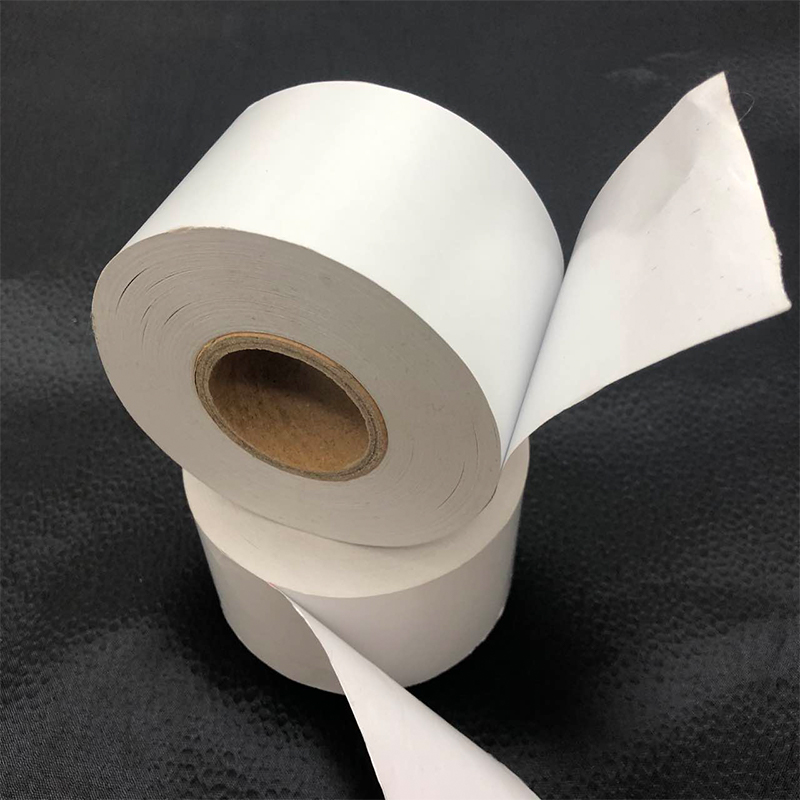
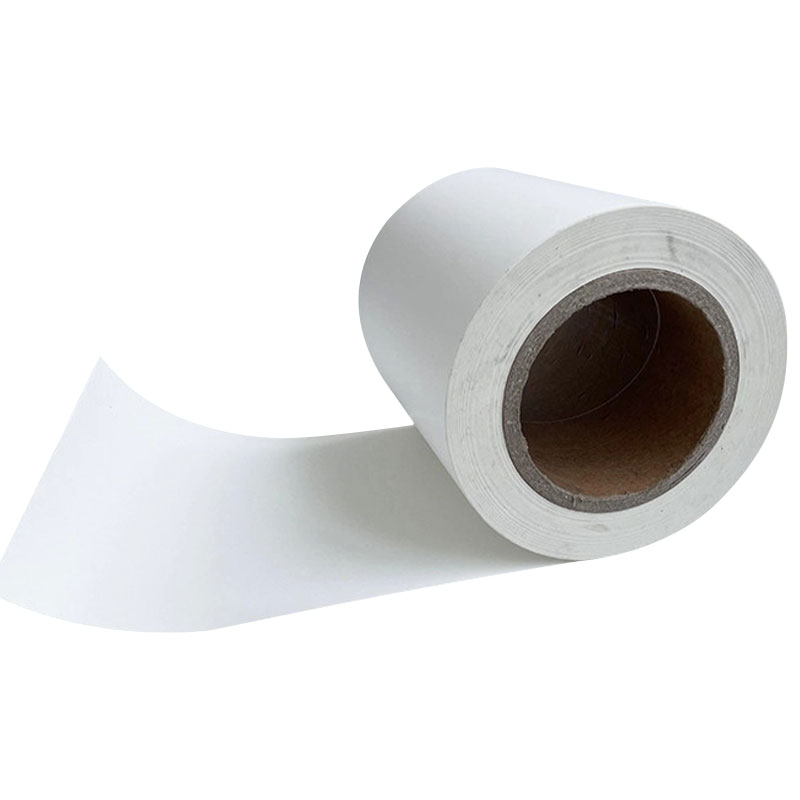
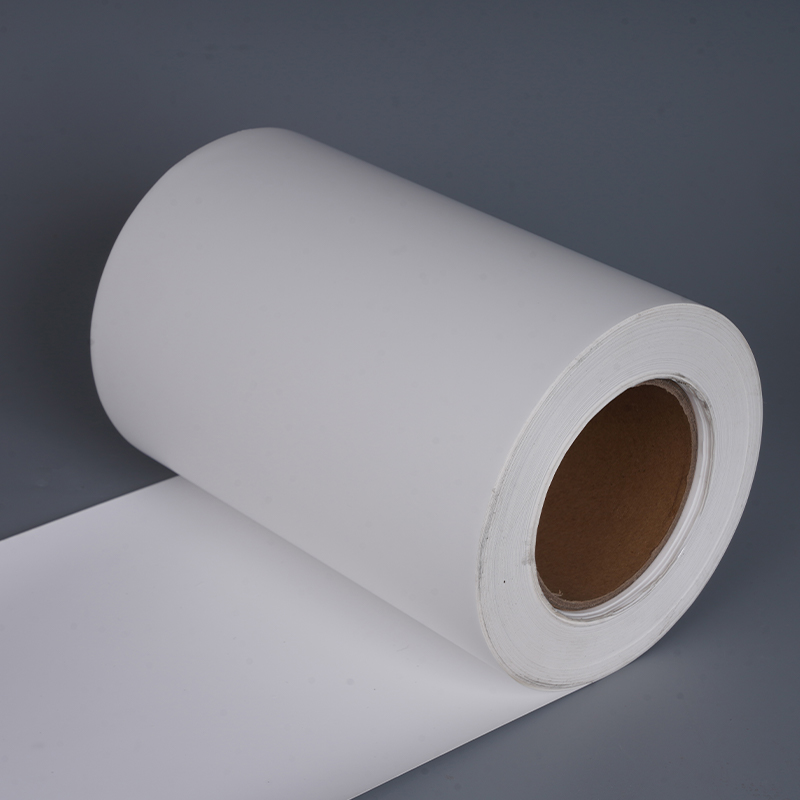
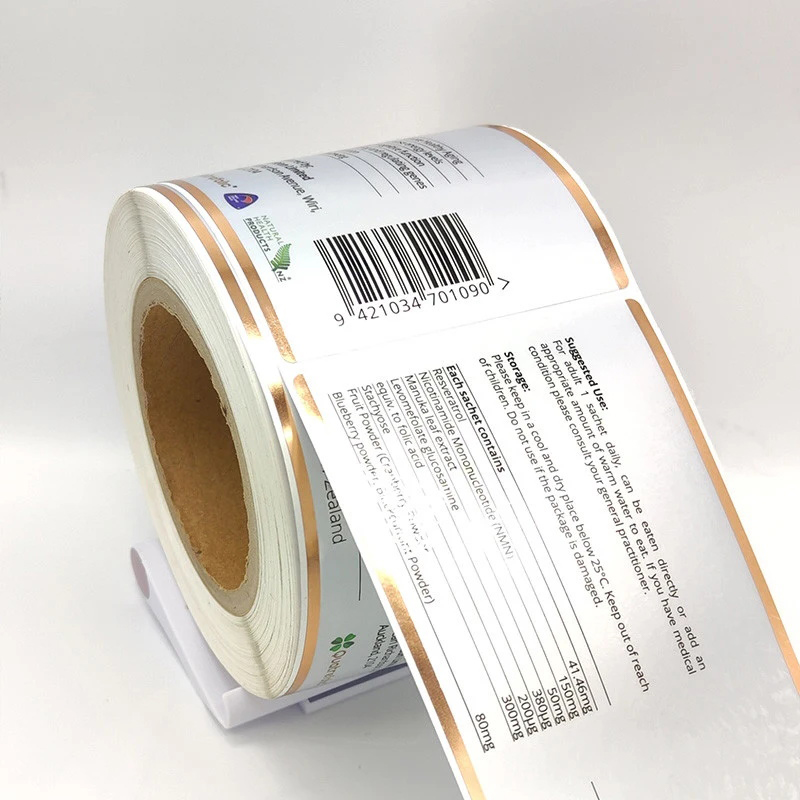 60gsm White Glassine Release Paper for Self-Adhesive Labels60gsm white glassine release liner offers smooth release, light transmittance and reliable die-cutting for high-speed label printing and sensor positioning.View Product →
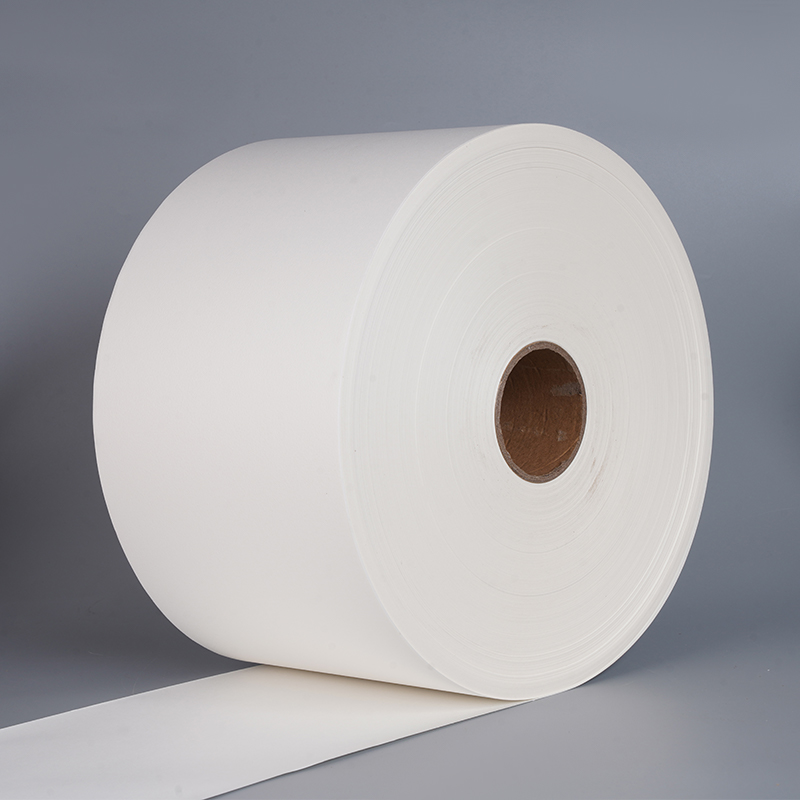
 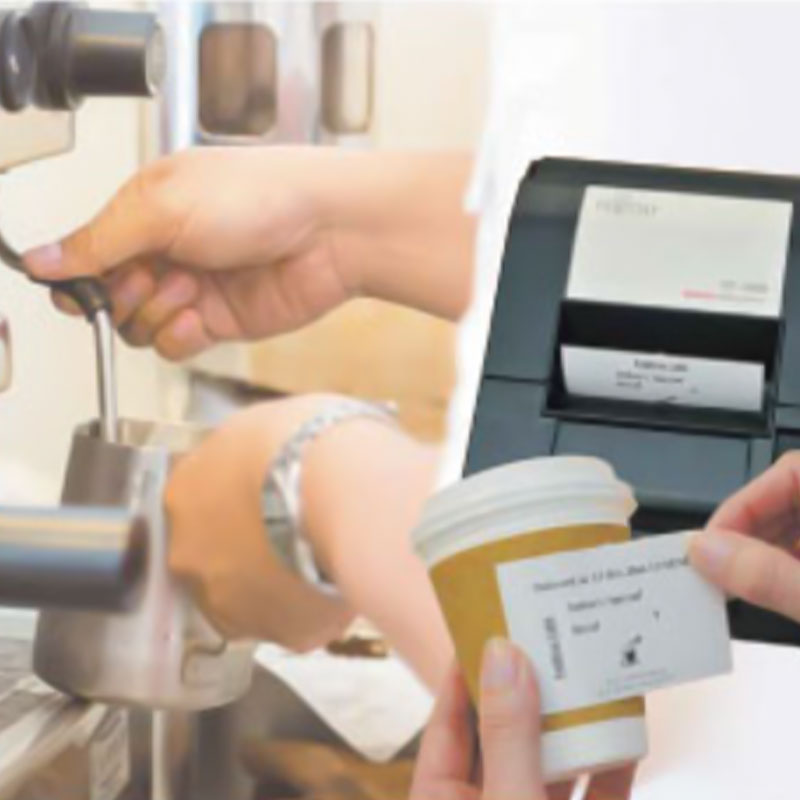 90gsm White Glassine Release Paper for High-Speed Label Production90gsm white glassine release liner provides 8–12g release force, smooth surface and transparency for precision die-cutting, automated labeling and high-speed printing.View Product →
Glassine vs PET vs Kraft Liners: Matching the Liner to the Application
Glassine wins on cost per square metre and die-cutting behaviour; PET film wins on dimensional stability and thinness; kraft wins only when the label is large and the application is forgiving.
Choose glassine liner when
- The label runs on high-speed rotary die-cutting equipment and the liner needs to stay under 90 microns.
- Reel diameter is small and the label must dispense without curling at the applicator.
- Cost per square metre is decisive at volumes above 50,000 square metres a month.
- The facestock is paper and moisture is not a critical factor.
Choose PET release film when
- The label meets moisture, steam or repeated handling, so dimensional change is unacceptable.
- Facestock is under 60 microns and the finished label has to stay thin.
- Optical clarity matters, for example on transparent cosmetic or beverage packaging.
- The liner must resist tearing during high-speed dispensing.
A 30 micron PET silicone release film is the standard answer when the facestock is thin, the label has to survive moisture, or optical clarity outranks price.
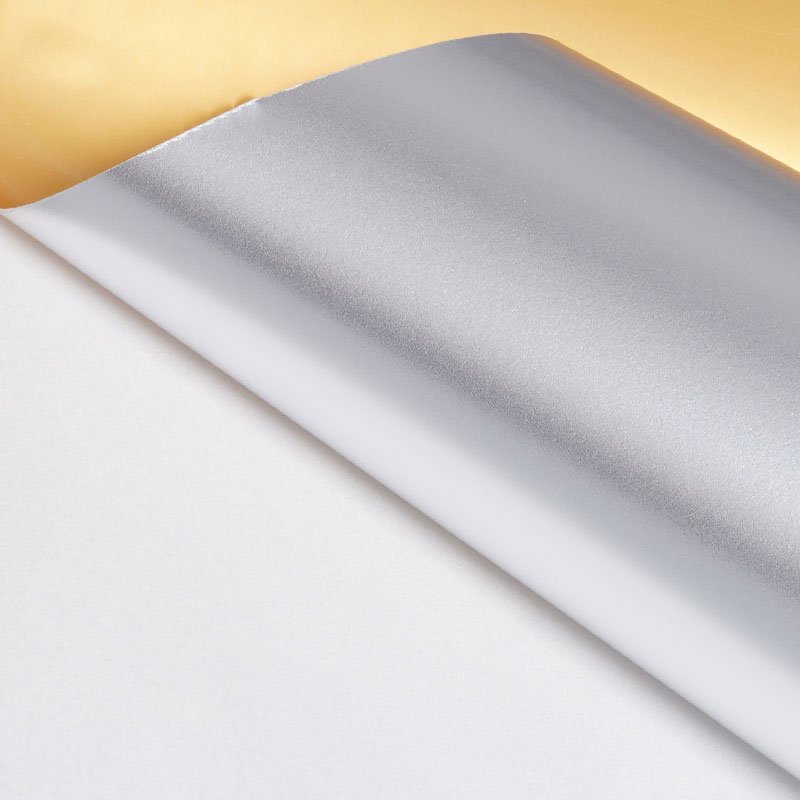
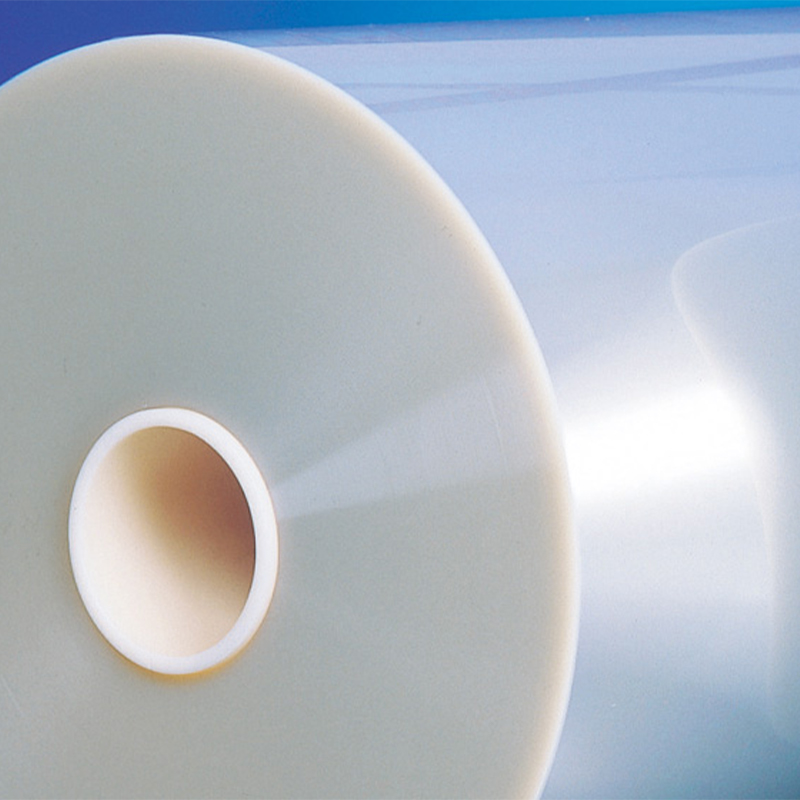 Custom 30μm PET Silicone Release Film for Labels and Electronics30μm PET silicone release film delivers smooth, consistent peel for label printing, electronics and electrical uses; suited to thin facestock or moisture-exposed labels.View Product →
If you want the coating mechanics behind these numbers rather than the commercial summary, this explanation of how silicone release paper works covers coat weight, cure and release-force testing in detail.
Lead Times, MOQ and Price Realities When Buying Glassine Liners
Plan on two to three weeks of production plus 30 to 38 days of ocean transit from a Chinese glassine supplier, or pay a 15 to 30 percent premium for locally held stock.
Price gaps between suppliers rarely come from the paper itself. They come from slit widths, core sizes, minimum order quantities and how much stock a supplier is prepared to hold on your behalf.
- Minimum order quantity: expect 500 to 1,000 square metres per width for standard grades, and 3,000 square metres or more for a custom silicone system.
- Slitting: jumbo widths of 1,000 mm, 1,070 mm and 1,530 mm can be slit to order, usually adding three to five working days.
- Cores: 76 mm cores are the press standard, while 152 mm cores cost more to ship and suit wide-web converters.
- Stock versus make-to-order: suppliers holding 60 gsm and 90 gsm glassine ship in days, while coated-to-order material adds two to three weeks.
Frequently Asked Questions About Glassine Paper Suppliers
What is the difference between glassine paper and glassine release paper?
Glassine paper is the base sheet; glassine release paper is that sheet coated on one or both sides with silicone. Suppliers quote them separately because coat weight, cure method and which side is coated are selected for the adhesive being protected, not for the paper.
How do I verify the quality claims of a glassine paper supplier?
Ask for three documents: a ten-reel caliper log, a release-force curve measured at two peel speeds, and a silicone coat-weight record for the production batch. A supplier that coats its own paper can produce all three within a day, while a trader usually cannot.
Which grammage of glassine liner should I specify?
Use 60 gsm for high-speed die-cutting and small-diameter rolls where a thinner liner improves dispensing, and 90 gsm where the facestock is thicker, reels are large, or the label runs on older converting equipment. Both grades share the same release chemistry; only caliper and stiffness change.
Is glassine liner suitable for food-contact labels?
Yes, provided the supplier can document both the silicone system and the base paper against the relevant food-contact rules, such as FDA 21 CFR 175.105 for adhesives and EU 10/2011 for plastics-adjacent materials. Request the declaration before the first trial order, not after it.
Your email address will not be published. Required fields are marked *
Contact Details
TEL: +86-15626470581
E-mail: sales@szjohnson.com
Location
Address: Building 1, Room 201, Zhijianeng High-tech Park, No. 65 Hongyin Road, Lihu Community, Xinhu Street, Guangming District, Shenzhen 518107, Guangdong Province, China
Get In Touch
Copyright © Shenzhen Johnson New Materials Co., Ltd. All Rights Reserved.
Wholesale Self Adhesive Paper Manufacturers Adhesive Label Roll Factory