
-
About Us
Why Choose Us?We are equipped with advanced high-speed adhesive coating lines, boasting a monthly production capacity of 20 million square meters. These machines support both hot melt and acrylic adhesive applications, enabling us to ensure fast delivery and consistent quality while meeting the diverse needs of the market. Our sales team works closely with you to fully understand your specific requirements.
 Coming From China, Marketing To The World.
 -
Solutions
Professional Label Material SolutionsAt Johnson, we understand that every industry faces unique labeling challenges. With 20 years of specialized expertise and strong R&D capabilities, we provide more than just materials — we deliver customized solutions that ensure “process compatibility, scenario suitability, and rapid delivery.
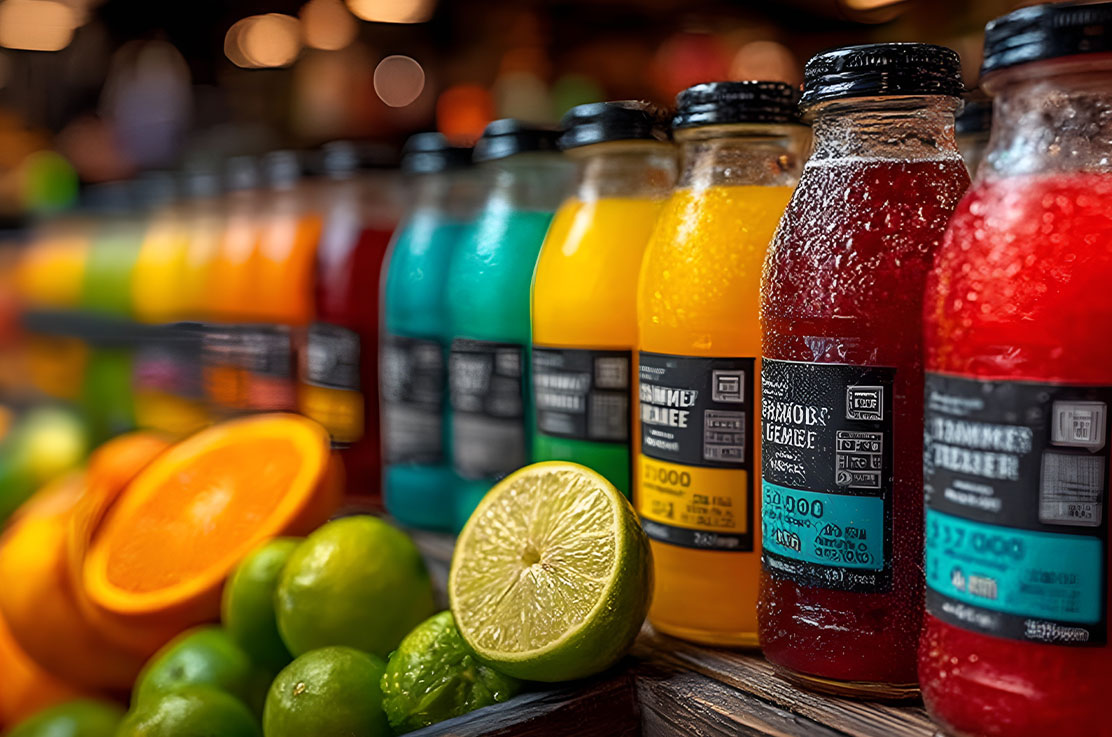
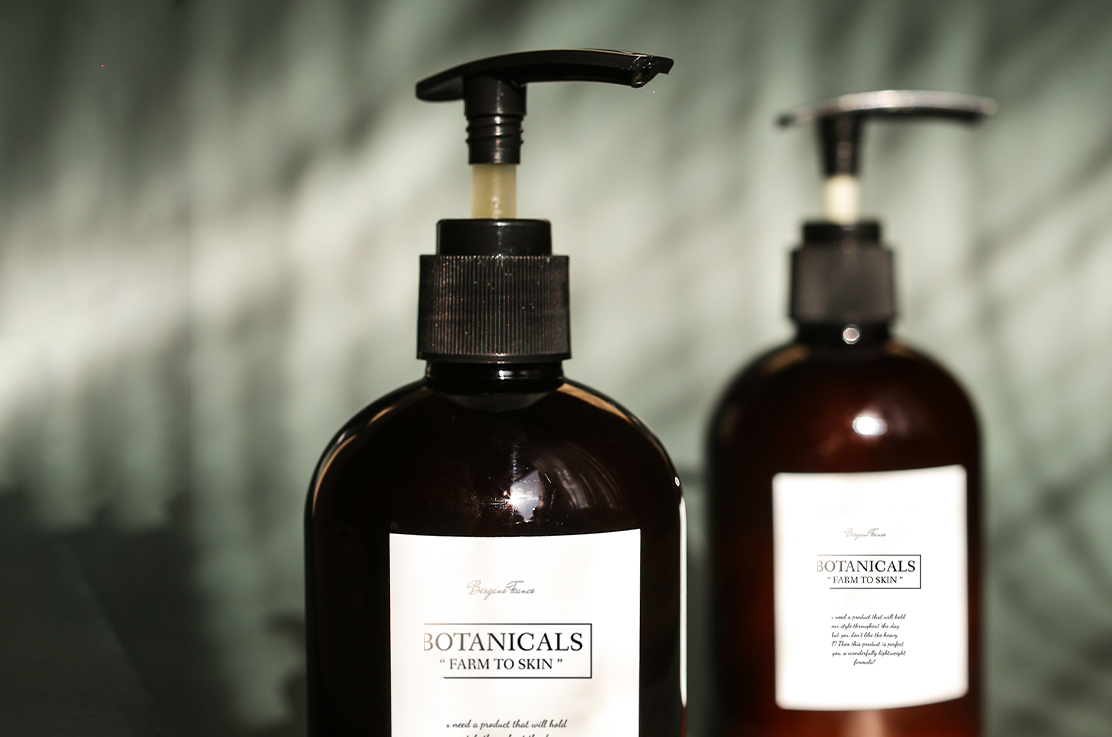
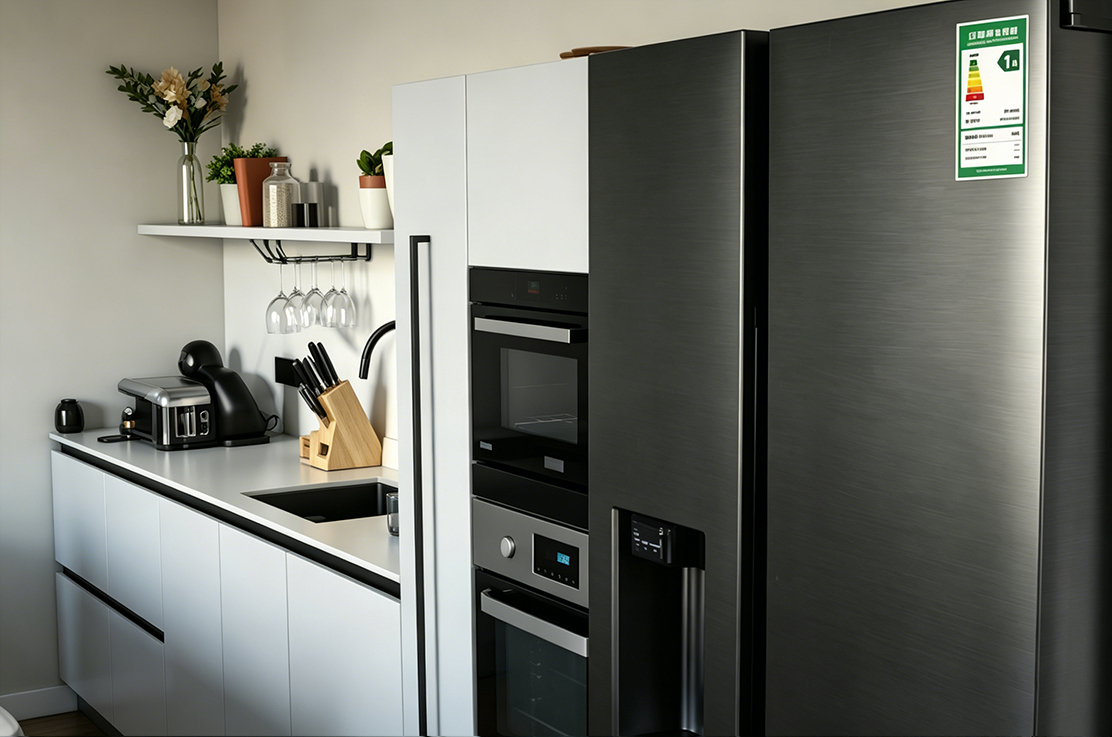
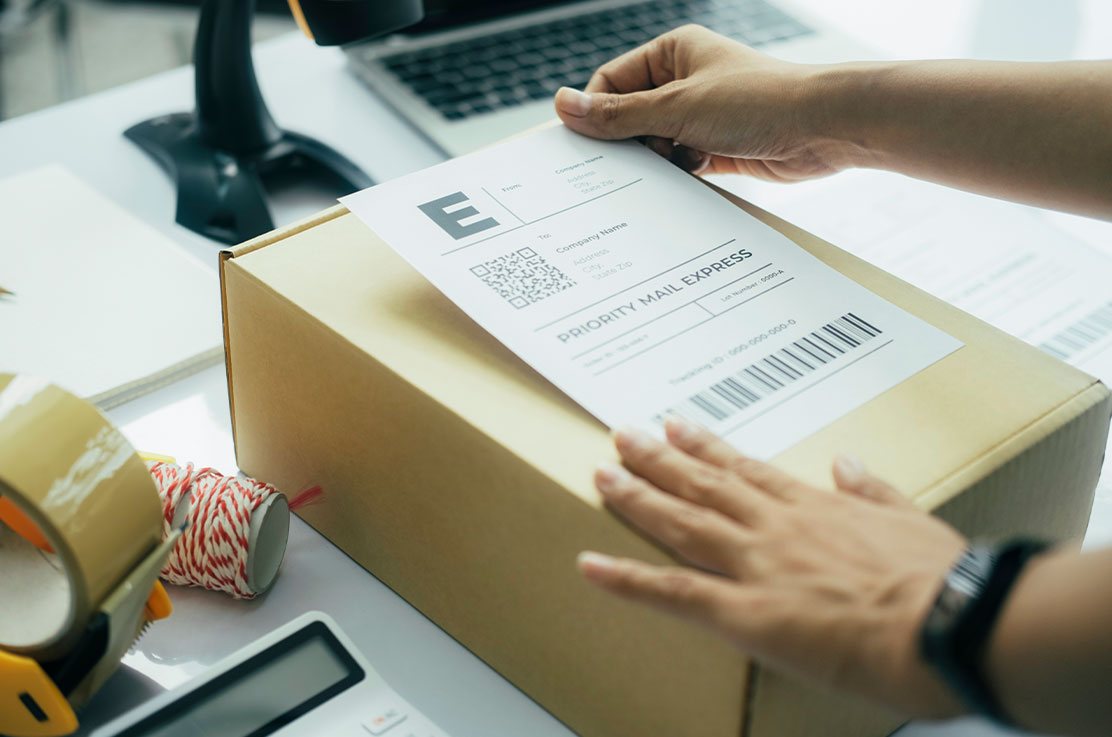
 Eco-Friendly Labels, Zero Compromise on Quality
 -
Products
SustainabilityIn the field of non-dry adhesive label materials, we don’t just "produce well"—we go further with environmental protection as our technical and ethical responsibility, turning every label into a "sustainable" carrier.
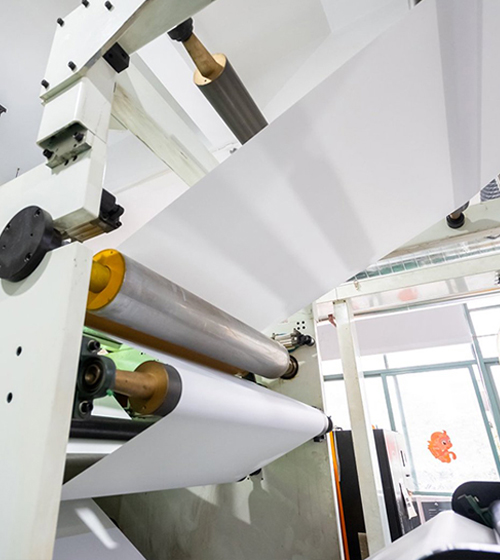 Eco-Friendly Labels, Zero Compromise on Quality
 -
News
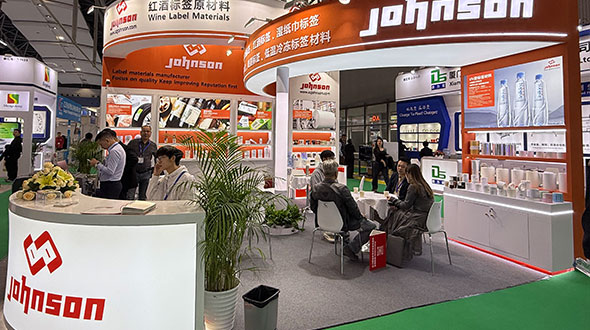 Wine Labelstock Invites You to Labelexpo Asia 2025
From December 2 to 5, 2025, Labelexpo Asia 2025, one of the most significant events in the global label and packaging printing industry, will take place at the Shanghai New International Expo Center. ...
 English
 русский
 Español
Silicone Release Paper: How It Works & Why It's Used
Content
- 1 What Silicone Release Paper Actually Is
- 2 How the Release Effect Actually Works
- 3 Key Specifications and What They Mean in Practice
- 4 What Influences How a Release Paper Performs on the Line
- 5 Comparing Release Force Across Common Coating Levels
- 6 Silicone Release Paper Compared to Silicone Release Film
- 7 Where Silicone Release Paper Shows Up in Everyday Life
- 8 How Release Paper Is Actually Manufactured
- 9 Common Misconceptions, Answered Directly
- 10 A Brief History of Silicone Release Coatings
- 11 The Bottom Line
- 12 Frequently Asked Questions
- 12.1 What makes silicone release paper non-stick?
- 12.2 Can silicone release paper be reused?
- 12.3 Why do some release papers peel more easily than others?
- 12.4 Is silicone release paper the same as wax paper?
- 12.5 Does humidity affect silicone release paper?
- 12.6 What happens if too much silicone is applied during coating?
- 12.7 Why is silicone used instead of other non-stick coatings?
- 12.8 Can release paper be recycled after use?
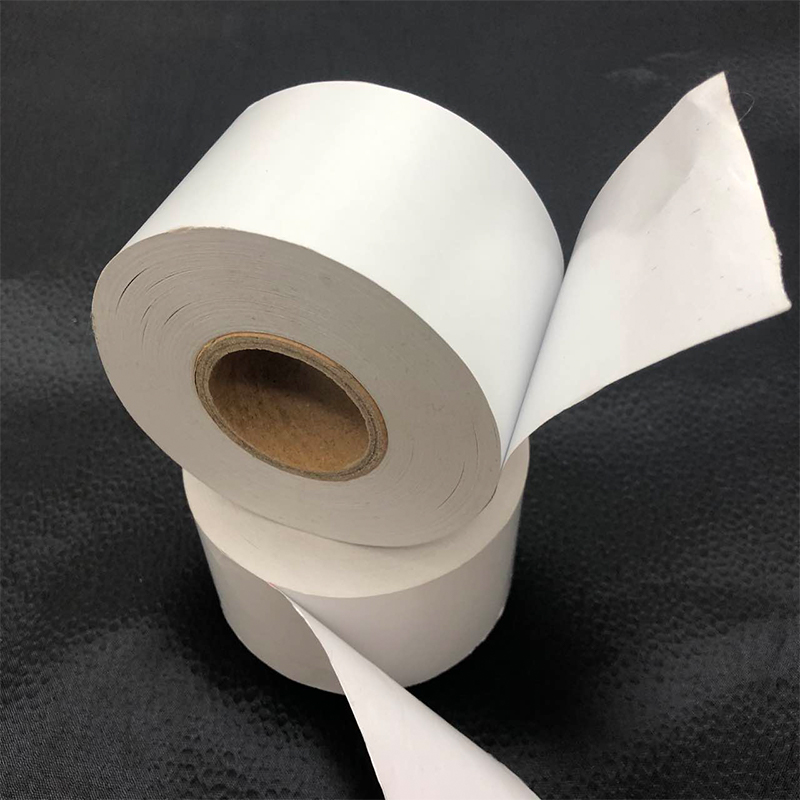
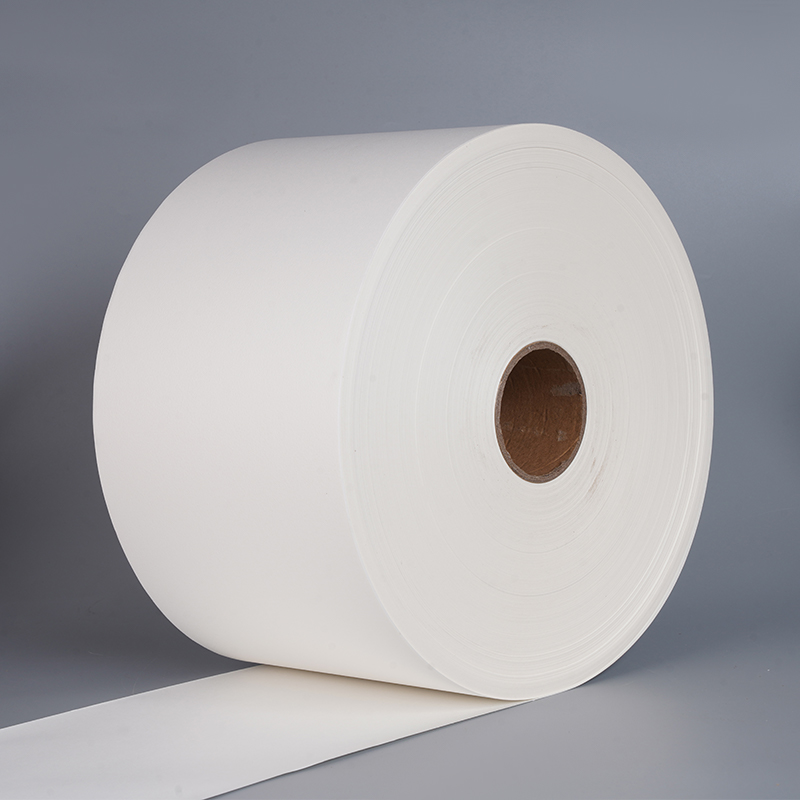
Silicone release paper is a specially coated paper that lets sticky materials, most often adhesives, sit against it without actually sticking to it, and then peel away cleanly whenever it is needed, no matter how long that adhesive has been resting in place beforehand. It shows up almost everywhere adhesive products are made or used, yet it rarely gets a second glance, because its entire job is to be removed and thrown away the moment it has done its work. Understanding what makes this paper behave so differently from ordinary paper reveals a surprisingly precise piece of material science hiding behind something that looks completely unremarkable.
What Silicone Release Paper Actually Is
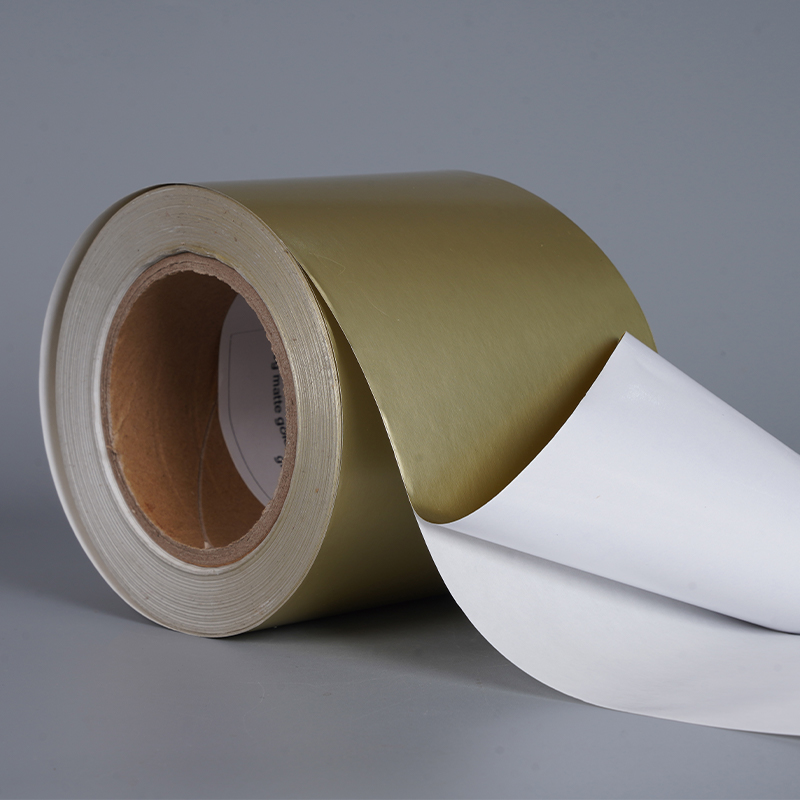
At its core, silicone release paper is a base paper, usually a tightly calendered or specially treated sheet, coated on one or both sides with a thin layer of silicone. Silicone, in this context, is not the flexible rubber material people often picture when they hear the word; it is a coating chemistry built from silicon, oxygen, and organic groups arranged in a way that creates an extremely low-friction, non-stick surface once it is cured onto the paper. That distinction matters, because the everyday meaning of "silicone" as a soft, stretchy rubber has almost nothing in common with the thin, hard, glass-like film that actually forms the working surface of a release liner.
The paper underneath the coating still matters a great deal. It needs to be smooth enough that the silicone layer forms an even, defect-free surface, strong enough to be run through high-speed converting equipment without tearing, and dimensionally stable enough that it does not stretch, shrink, or wrinkle as it passes through the coating and drying process, since even small dimensional shifts can throw off alignment on equipment designed around precise, consistent sheet dimensions. In most cases, this base paper is treated with a separate layer called a base coat before the silicone is applied, which prevents the silicone from soaking into the paper fibers and losing its non-stick performance.
Put simply, the finished product is a sandwich of three functional layers: the base paper for strength and stability, a base coat that seals the paper surface, and a silicone top layer that provides the actual release performance. Everything about how this material behaves, from how cleanly it peels to how long it can sit in storage, comes down to how well those three layers are matched to each other.
It helps to think about why each layer exists rather than treating the whole sheet as one uniform material. The base paper alone, without any coating, would absorb liquids unevenly and allow silicone to soak unpredictably into its fibers, producing patchy, inconsistent release performance across the sheet. The base coat solves that problem by creating a sealed, uniform surface for the silicone to sit on top of, rather than sinking into. Only once that foundation is in place can the silicone layer do its job consistently from one end of a production roll to the other. This layered approach is part of why release paper, despite looking like a simple commodity material, actually depends on a fairly precise manufacturing sequence to perform reliably.
Silicone release paper is not designed to stick to anything; it is designed to let something else stick to a surface temporarily, and then let go of it cleanly on command.
How the Release Effect Actually Works
The non-stick behavior of this paper is not an accident of smoothness; it comes from a specific molecular property of cured silicone coatings called low surface energy, and understanding that property makes the rest of the process much easier to follow.
A liquid silicone formulation is spread evenly across the treated paper surface using precision coating equipment, applied in a layer measured in microns, meaning thousandths of a millimeter.
The coated paper passes through a heated drying section, which triggers a chemical reaction that transforms the liquid silicone into a solid, cross-linked film bonded firmly to the paper surface.
Once cured, the silicone surface has very little attraction to other materials at a molecular level, meaning adhesives placed against it have almost nothing to grip onto, which is what produces the non-stick effect.
An adhesive layer, such as the sticky underside of a label, can sit directly against the silicone surface for extended periods without forming a permanent bond, since the silicone gives it nothing to chemically or physically latch onto.
When the paper is peeled away, the adhesive stays fully intact on its intended surface, while the release paper separates cleanly, having done nothing more than act as a temporary, non-reactive carrier.
Key Specifications and What They Mean in Practice
Specification sheets for release paper describe a handful of measurable properties, each of which affects how the material behaves once it is running through real production equipment, and understanding what each figure actually represents makes it far easier to judge whether a given release paper is well suited to a particular job.
| Property | What It Describes |
| Base paper weight | How heavy the underlying paper is per unit area, which affects overall strength and stiffness |
| Silicone coating weight | How much silicone has been applied, usually measured in grams per square meter, directly affecting release performance |
| Release force | How much force is needed to peel an adhesive away from the paper, measured in grams per unit width |
| Caliper (thickness) | The overall thickness of the finished sheet, which affects how it feeds through automated equipment |
| Smoothness | How even the paper surface is, which influences how uniform the silicone coating layer turns out |
| Moisture resistance | How well the paper resists absorbing humidity, which can affect dimensional stability during storage |
Release force deserves special attention, since it is the specification most directly tied to how the paper performs in actual use. A lower release force means the paper separates from the adhesive with very little resistance, which is desirable for fast automated dispensing, while a somewhat higher release force can be intentional in applications where the paper needs to stay firmly in place until it is deliberately removed by hand.
What Influences How a Release Paper Performs on the Line
Beyond the specification sheet, several practical factors determine how a given release paper actually behaves once it is running through real production or converting equipment.
Coating uniformity. Even a correctly chosen coating weight will underperform if it is not applied evenly across the sheet, since thin or thick spots create inconsistent release force that can cause jams or misfeeds during high-speed dispensing.
Storage conditions. Because the base material is paper, prolonged exposure to high humidity or significant temperature swings can affect dimensional stability and, over time, the consistency of the release surface itself.
Adhesive compatibility. Different adhesive chemistries interact differently with a given silicone formulation, meaning a release paper well matched to one adhesive type may not perform identically with another.
Line speed and tension. Faster converting lines place more mechanical stress on the release liner as it peels away, which is why release force targets are often set with the intended production speed in mind rather than chosen arbitrarily, since a value that works comfortably at a slow speed can behave quite differently once line speed increases significantly.
Comparing Release Force Across Common Coating Levels
Release force is not a fixed number across every product; manufacturers adjust the silicone formulation and coating weight to produce paper that releases more easily or more firmly, depending on the intended application.
A simplified illustration of how relative release force increases from light to tight coating formulations.
Silicone Release Paper Compared to Silicone Release Film
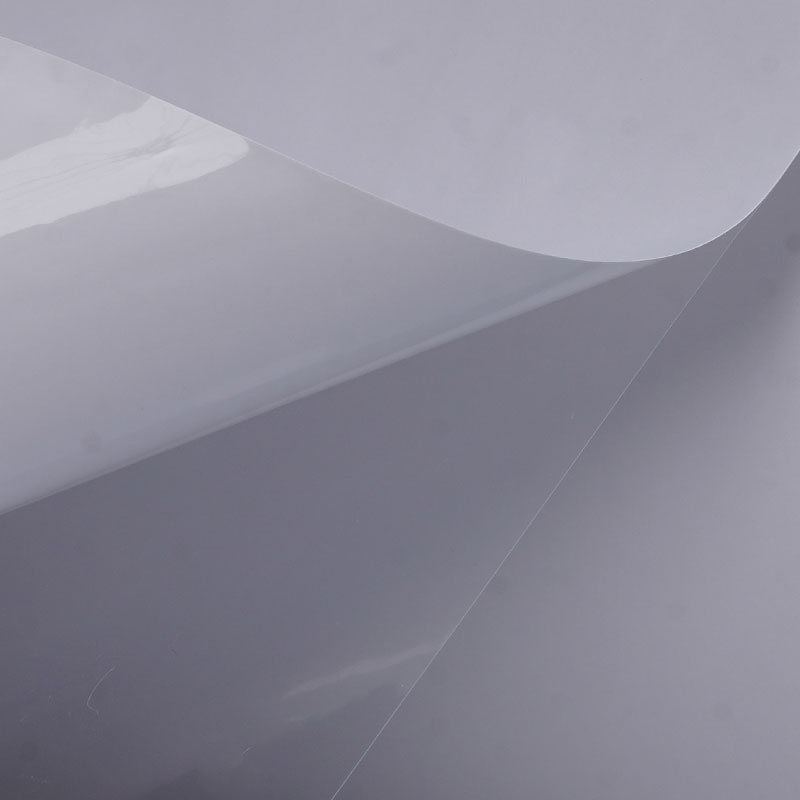
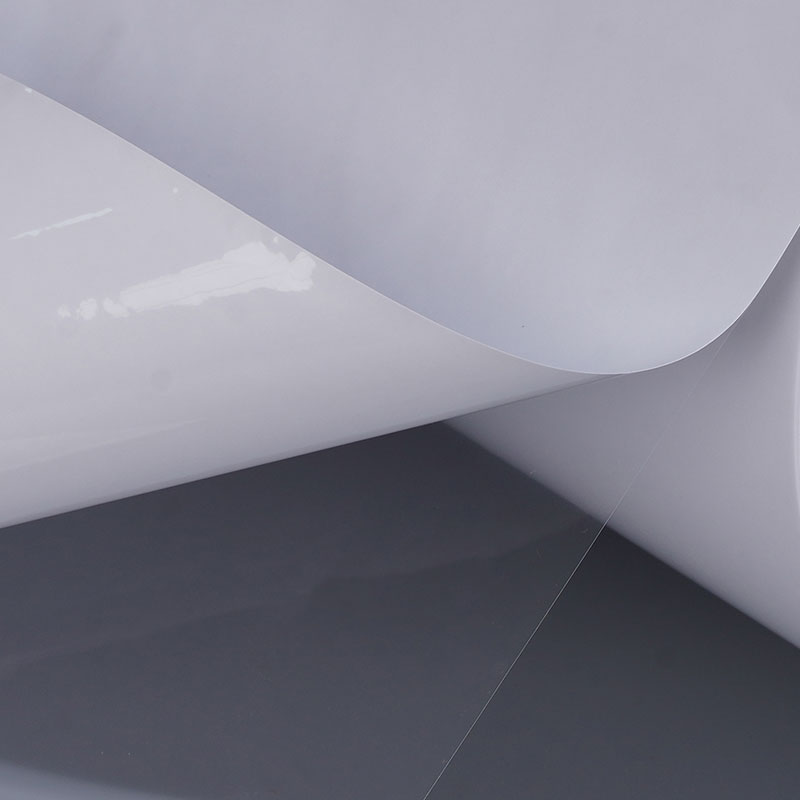
Release paper is often confused with release film, another common non-stick liner material, but the two are built from fundamentally different base materials with different strengths.
| Attribute | Silicone Release Paper | Silicone Release Film |
| Base material | Paper, typically wood-fiber based | Plastic, most often polyester |
| Typical cost | Generally lower | Generally higher |
| Moisture sensitivity | More sensitive to humidity | Much less sensitive to humidity |
| Dimensional stability | Good, but can shift slightly with moisture | Excellent, remains very stable |
| Common use case | Labels, general adhesive products, hygiene items | Precision, high-value, or high-humidity applications |
Neither material is a universal replacement for the other. Paper-based release liners tend to be the more practical, cost-conscious choice for high-volume applications like labels, while film-based liners earn their higher cost in situations demanding tighter dimensional consistency or resistance to challenging environmental conditions. The right choice generally comes down to weighing the added cost of a film liner against how much the specific application actually benefits from its extra stability.
Where Silicone Release Paper Shows Up in Everyday Life
Once the underlying function is clear, it becomes much easier to spot this material in ordinary situations.
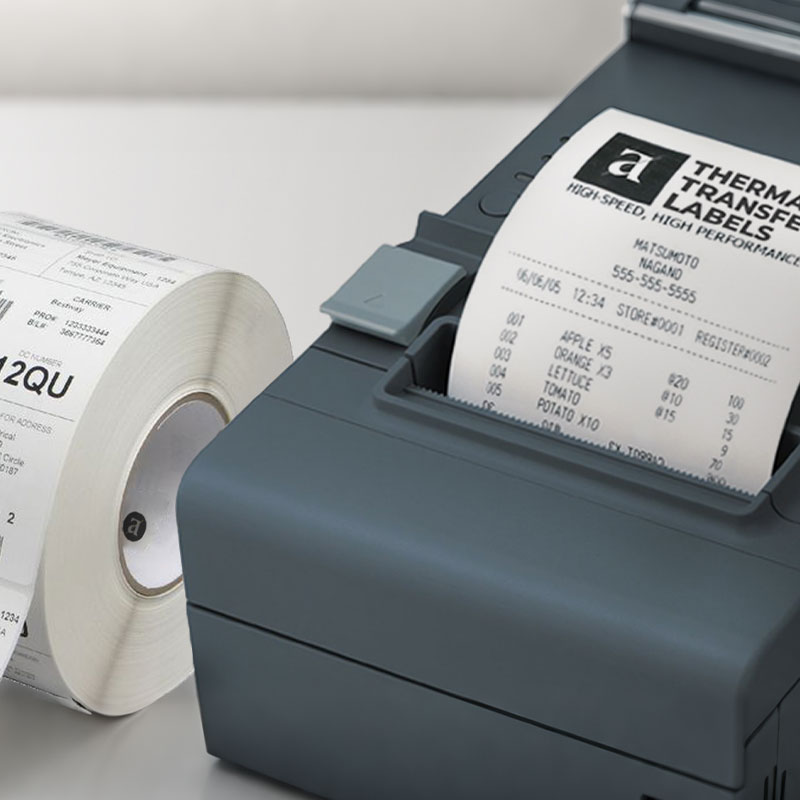
Almost every peel-and-stick label, from shipping labels to product packaging labels, is backed by silicone release paper that holds the label flat and protected until it is peeled away and applied.
Double-sided tapes and many single-sided industrial tapes use a release liner to keep the adhesive protected and rolled cleanly until the moment it is needed.
In processes that involve laying up resin and fiber materials, release liners help separate layers during curing so the finished part can be removed cleanly from tooling surfaces.
Adhesive bandages, medical patches, and skin-contact dressings commonly use a release liner to protect the adhesive surface until immediately before application.
Diapers, sanitary products, and similar goods often rely on release liners during high-speed manufacturing to control adhesive placement precisely before final assembly.
Printed decals, decorative films, and transfer graphics often use a release liner to keep the adhesive surface protected until the design is positioned and applied to its final surface.
How Release Paper Is Actually Manufactured
Producing silicone release paper at commercial scale involves a sequence of tightly controlled steps, each of which affects the consistency of the finished sheet, and skipping or rushing any one of them tends to show up later as a real performance problem rather than a purely cosmetic flaw. The process begins with selecting or producing a base paper suited to the intended application, typically a smooth, calendered sheet chosen for its strength and surface uniformity.
That base paper then passes through a base coating stage, where a sealing layer is applied and dried before the sheet ever reaches the silicone coating equipment. This step matters more than it might seem, because any inconsistency here carries forward into every later stage of the process, potentially producing uneven release performance no matter how carefully the silicone itself is applied afterward.
The silicone coating stage follows, using precision equipment capable of applying an extremely thin, even layer across the full width of the paper at high speed. Coating weight is monitored continuously during this stage, since even small deviations can shift release force outside the intended range. The coated sheet then passes through a curing section, typically involving controlled heat, which triggers the chemical reaction that hardens the liquid silicone into its final, stable, non-stick form.
Quality control checks throughout this process typically include measuring coating weight, testing release force on sample sections, and inspecting the sheet for visual defects such as coating gaps or streaks. Because release paper is often used in fully automated converting equipment downstream, even minor defects that would go unnoticed on ordinary paper can cause real production problems, jams, misfeeds, or inconsistent label placement among them, which is why testing tends to be far more rigorous than the material's simple, unremarkable appearance might otherwise suggest to someone unfamiliar with how it is made.
Common Misconceptions, Answered Directly
"Release paper is just ordinary paper with a slippery coating." The base paper itself is engineered for strength, smoothness, and stability, and the silicone coating is a precisely controlled chemical layer, not a simple surface treatment applied casually.
"More silicone always means better release performance." Coating weight is tuned deliberately; too much silicone can actually cause uneven release or transfer issues, while too little can leave the adhesive partially bonded to the liner.
"Release paper and release film serve identical purposes." The two share a similar function but differ meaningfully in cost, moisture sensitivity, and dimensional behavior, making them suited to different applications rather than interchangeable in every case.
"Once the silicone is applied, the base paper no longer matters." The base paper's smoothness and stability directly affect how evenly the silicone coating cures and performs, so a poor base paper undermines even a well-formulated silicone layer.
"All release papers can be used interchangeably across products." Because release force, coating weight, and base paper characteristics are all tuned for specific applications, a liner well suited to one adhesive product may perform poorly, or even fail entirely, when substituted into a different manufacturing process without adjustment.
A Brief History of Silicone Release Coatings
Silicone chemistry itself was developed in the early twentieth century, but its use as a release coating for paper did not become commercially practical until the 1940s, as manufacturers began exploring silicone's unusual combination of heat resistance and extremely low surface energy. Early adhesive products had relied on wax coatings or simple treated papers to prevent sticking, but these materials were inconsistent and often left residue behind on the adhesive itself.
As silicone coating chemistry matured through the mid-twentieth century, it became possible to apply extremely thin, consistent, and durable non-stick layers to paper at industrial speeds. This shift coincided with the rapid growth of the self-adhesive label industry, which needed a release liner reliable enough to run continuously through high-speed printing and converting equipment without failures.
By the latter half of the twentieth century, silicone-coated release paper had become the standard liner material across most adhesive product categories, a position it continues to hold today, even as new coating chemistries and film-based alternatives have periodically emerged. Its combination of relatively low cost, dependable release performance, and compatibility with recycling and paper-based waste streams has kept it the default choice across the majority of everyday adhesive product applications.
What is easy to overlook is how much quiet refinement has happened since those early decades of adoption. Coating technology has advanced considerably, allowing manufacturers to apply thinner, more precisely controlled silicone layers than was possible in the mid-twentieth century, which reduces material use while maintaining consistent release performance. Improvements in base paper treatment have similarly made it possible to run release paper at production speeds that would have been unreliable with earlier generations of the material. The result is a product that looks essentially unchanged to the naked eye but performs considerably more consistently than its mid-century predecessor.
The Bottom Line
Silicone release paper does a small, unglamorous job extremely precisely: hold an adhesive in place without bonding to it, then let go cleanly the moment it is needed. That balance, achieved through a carefully engineered base paper, base coat, and silicone layer working together, is what allows silicone release paper to function reliably across labels, tapes, medical products, and countless other adhesive applications that people encounter every single day without ever thinking about the liner peeling away in their hands.
Recognizing what actually happens at the surface of this material, a molecular mismatch between silicone and adhesive rather than any kind of coating trick, makes it much easier to understand why release paper behaves the way it does, and why such a simple-looking material required decades of coating chemistry development to get right.
The next time a label peels away from its backing sheet without any resistance, or a bandage lifts cleanly off its liner right before it is applied, that smooth, almost invisible moment is the direct result of a precisely engineered surface doing exactly the job it was designed to do. Ordinary as it looks, silicone release paper is a genuine example of applied material science quietly at work behind countless everyday products.
Frequently Asked Questions
What makes silicone release paper non-stick?
The cured silicone coating has very low surface energy, meaning adhesives placed against it have almost nothing to bond to at a molecular level, which produces the clean release effect.
Can silicone release paper be reused?
It is generally designed for a single use cycle, since it is intended to be peeled away and discarded once the adhesive product it protected has been applied.
Why do some release papers peel more easily than others?
Release force is adjusted through the silicone formulation and coating weight, allowing manufacturers to produce lighter or tighter release performance depending on the intended application.
Is silicone release paper the same as wax paper?
No. Wax coatings and silicone coatings work through different mechanisms and offer different levels of consistency, and silicone coatings generally provide more reliable, cleaner release performance at industrial scale.
Does humidity affect silicone release paper?
Yes. Because the base material is paper, it can be more sensitive to moisture than film-based alternatives, which is why storage conditions matter for maintaining consistent performance.
What happens if too much silicone is applied during coating?
Excess silicone can lead to uneven curing or, in some cases, silicone transferring onto the adhesive surface itself, which can interfere with how well that adhesive performs once applied.
Why is silicone used instead of other non-stick coatings?
Silicone offers an unusual combination of heat resistance, chemical stability, and consistently low surface energy that has made it more dependable at industrial coating speeds than earlier alternatives like wax.
Can release paper be recycled after use?
Because it is paper-based, it is generally more compatible with paper recycling and waste streams than plastic film liners, though local recycling capabilities and the specific coating used can affect how it is actually processed.
Your email address will not be published. Required fields are marked *
Contact Details
TEL: +86-15626470581
E-mail: sales@szjohnson.com
Location
Address: Building 1, Room 201, Zhijianeng High-tech Park, No. 65 Hongyin Road, Lihu Community, Xinhu Street, Guangming District, Shenzhen 518107, Guangdong Province, China
Get In Touch
Copyright © Shenzhen Johnson New Materials Co., Ltd. All Rights Reserved.
Wholesale Self Adhesive Paper Manufacturers Adhesive Label Roll Factory