
-
About Us
Why Choose Us?We are equipped with advanced high-speed adhesive coating lines, boasting a monthly production capacity of 20 million square meters. These machines support both hot melt and acrylic adhesive applications, enabling us to ensure fast delivery and consistent quality while meeting the diverse needs of the market. Our sales team works closely with you to fully understand your specific requirements.
 Coming From China, Marketing To The World.
 -
Solutions
Professional Label Material SolutionsAt Johnson, we understand that every industry faces unique labeling challenges. With 20 years of specialized expertise and strong R&D capabilities, we provide more than just materials — we deliver customized solutions that ensure “process compatibility, scenario suitability, and rapid delivery.
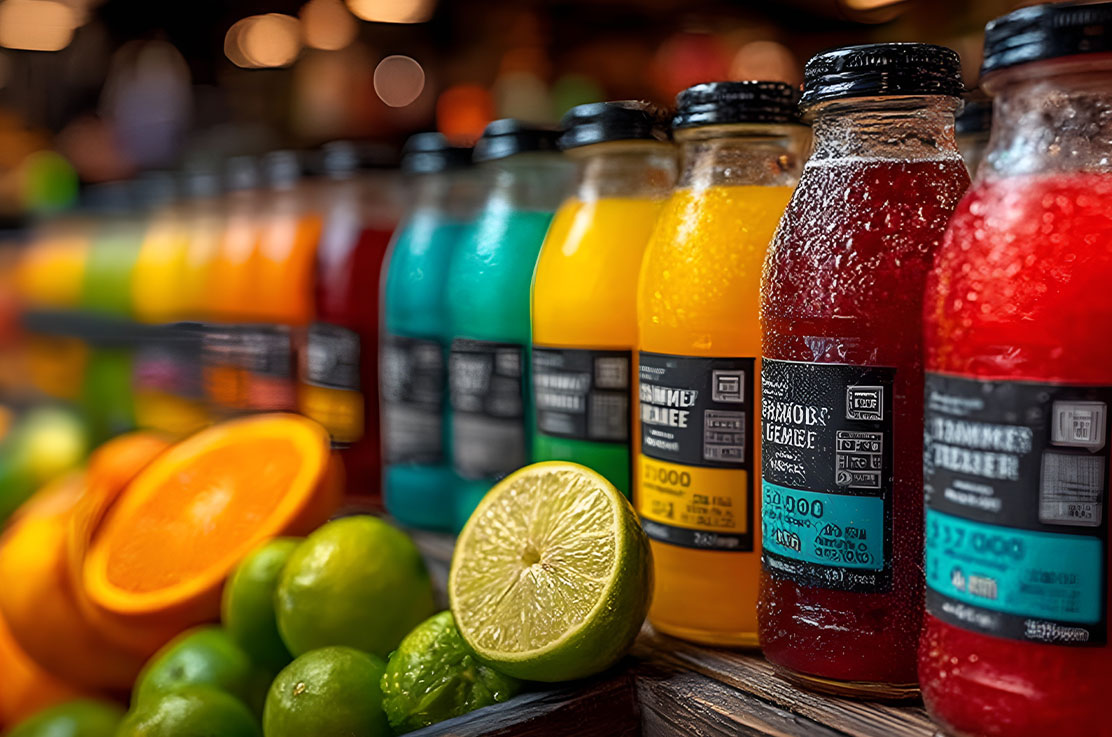



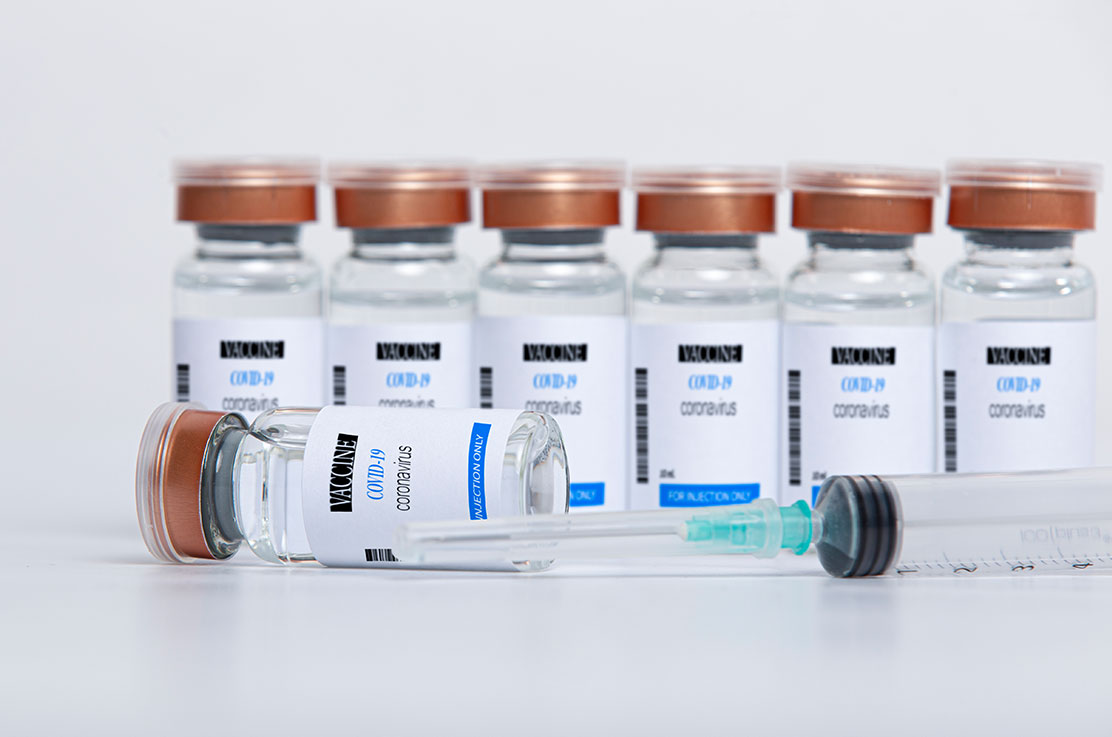 Eco-Friendly Labels, Zero Compromise on Quality
 -
Products
SustainabilityIn the field of non-dry adhesive label materials, we don’t just "produce well"—we go further with environmental protection as our technical and ethical responsibility, turning every label into a "sustainable" carrier.
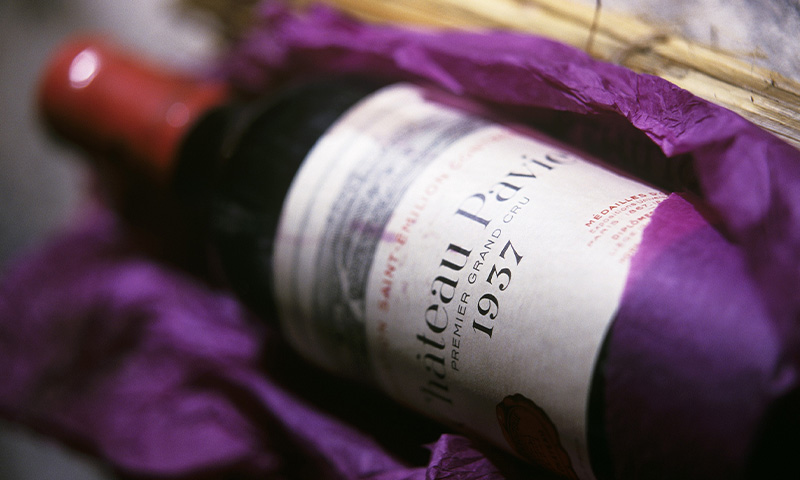
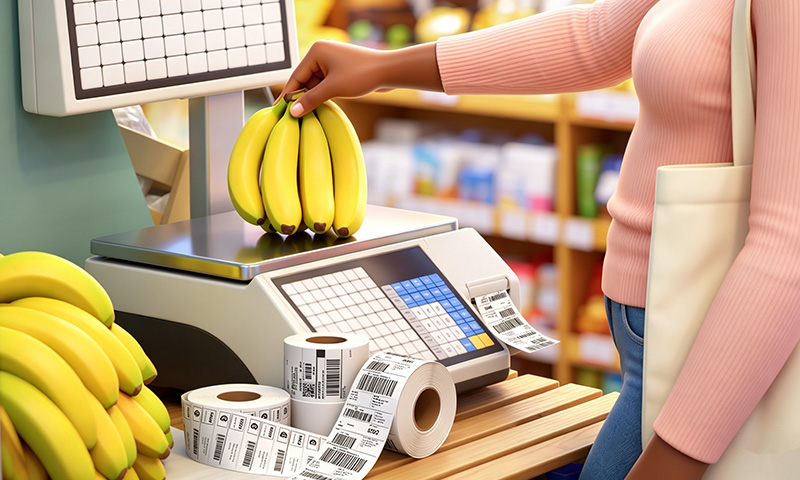
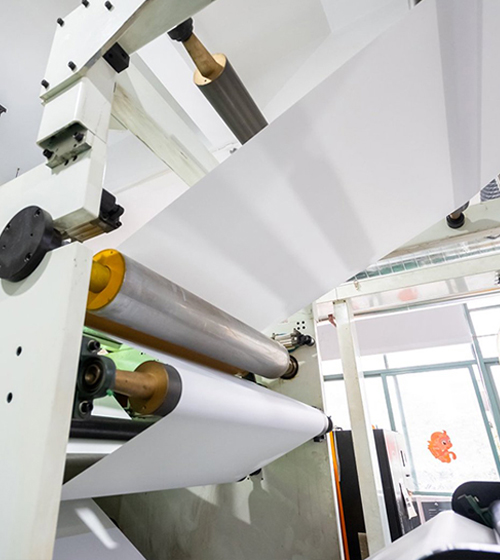 Eco-Friendly Labels, Zero Compromise on Quality
 -
News
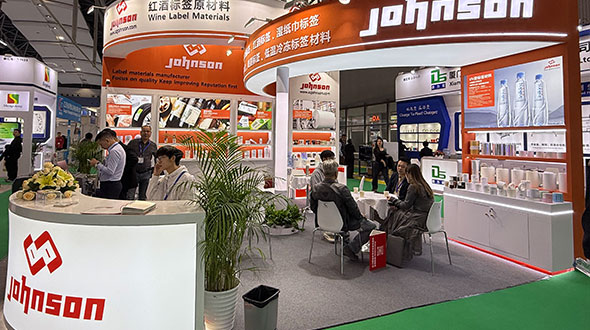 Wine Labelstock Invites You to Labelexpo Asia 2025
From December 2 to 5, 2025, Labelexpo Asia 2025, one of the most significant events in the global label and packaging printing industry, will take place at the Shanghai New International Expo Center. ...
 English
 русский
 Español
What Is Self Adhesive Direct Thermal Paper and How Does It Work?
Content
- 1 What Is Self Adhesive Direct Thermal Paper?
- 2 How Direct Thermal Technology Works
- 3 Structure of Self Adhesive Direct Thermal Paper
- 4 Key Features That Differentiate Self Adhesive Direct Thermal Paper
- 5 Why Businesses Continue to Adopt Direct Thermal Labeling
- 6 Why Self Adhesive Direct Thermal Paper Is Becoming More Popular
- 7 Types of Self Adhesive Direct Thermal Paper
- 8 Choosing the Right Type for Your Business
- 9 Conclusion
As businesses increasingly rely on efficient labeling systems, self adhesive direct thermal paper has become a popular solution for retail, logistics, warehousing, healthcare, and manufacturing. It offers fast, cost-effective printing without the need for ink, toner, or thermal transfer ribbons.
Using a heat-sensitive coating, direct thermal paper produces clear text, barcodes, QR codes, and graphics when printed with a compatible thermal printer. Its pressure-sensitive adhesive backing allows labels to be applied quickly to cartons, packages, shelves, envelopes, and other surfaces, making operations more efficient.
With the rapid growth of e-commerce and automated supply chains, demand for self adhesive direct thermal paper rolls, custom labels, and wholesale solutions continues to increase. Businesses are looking for reliable labeling materials that deliver consistent print quality and easy application.
What Is Self Adhesive Direct Thermal Paper?
Self adhesive direct thermal paper is a pressure-sensitive labeling material designed specifically for direct thermal printing technology. The material combines a heat-sensitive printable surface with an adhesive backing, allowing printed labels to be attached directly to products or packaging without requiring separate adhesive application.
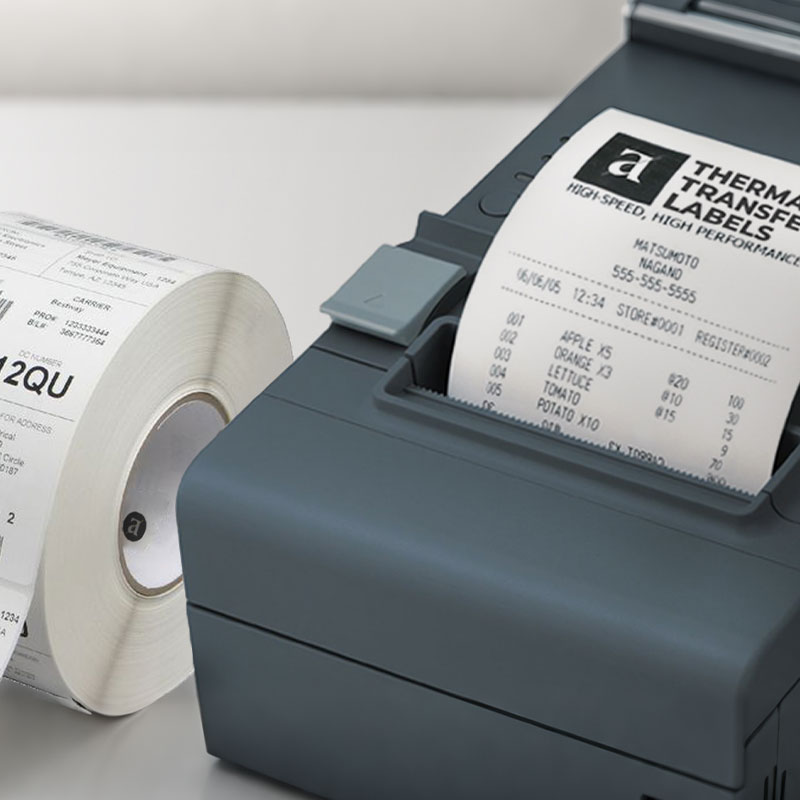
Unlike traditional printing methods, direct thermal printing produces images through heat rather than ink. A thermal print head selectively heats specific areas of the label surface, activating the chemical coating and creating permanent dark markings. Because no ribbon or ink is consumed during the printing process, direct thermal technology simplifies printer maintenance while improving operational efficiency.
This labeling material is widely recognized for its excellent print quality, rapid printing speed, and compatibility with high-volume labeling environments. It is commonly used for shipping labels, barcode labels, retail price tags, warehouse identification labels, medical records, food packaging labels, and logistics tracking systems.
How Direct Thermal Technology Works
Direct thermal printing is based on a straightforward yet highly efficient process. The printable surface of direct thermal paper contains a specialized thermal coating formulated with heat-sensitive chemicals. During printing, the printer's thermal head applies controlled heat to selected areas of the paper. The activated coating undergoes a chemical reaction, producing black images without requiring additional consumables.
Because there is no ink transfer involved, direct thermal printers contain fewer moving parts compared with many conventional printing systems. This design contributes to lower maintenance requirements, fewer equipment failures, and reduced operational costs.
The complete printing process generally includes the following steps:
- Digital information is transmitted to the printer.
- The thermal print head generates localized heat.
- The heat-sensitive coating reacts immediately.
- Images, text, barcodes, or QR codes appear on the label.
- The finished label is dispensed and ready for application.
This streamlined workflow makes direct thermal printing particularly suitable for environments requiring high-speed, on-demand label production.
Structure of Self Adhesive Direct Thermal Paper
Although the material appears simple, self adhesive direct thermal paper is composed of several carefully engineered layers, each serving a distinct purpose.
Thermal Coating
The outermost layer contains heat-sensitive chemicals responsible for image formation. The quality of this coating directly influences print clarity, barcode readability, image density, and overall durability.
Face Stock
The face stock provides the physical foundation of the label. It supports the thermal coating while offering sufficient strength for printing, handling, and application. Different grades of face stock are available depending on the intended environment, including standard paper, coated paper, and specialty materials with enhanced resistance to moisture or abrasion.
Adhesive Layer
The adhesive layer enables the label to bond securely to various surfaces. Depending on the application, manufacturers may offer permanent, removable, freezer-grade, or specialty adhesives designed for specific environmental conditions. The adhesive must maintain reliable performance on paper, plastic, corrugated cartons, metal, glass, or other packaging materials while resisting lifting or edge curling.
Release Liner
The release liner protects the adhesive until the label is applied. Silicone-treated liners allow labels to separate smoothly during printing and dispensing while maintaining dimensional stability throughout production.
| Component | Primary Function | Contribution to Performance |
|---|---|---|
| Thermal Coating | Produces images when heated | Sharp printing and barcode accuracy |
| Face Stock | Supports the printable surface | Strength and dimensional stability |
| Pressure-Sensitive Adhesive | Bonds labels to products | Reliable application on various surfaces |
| Release Liner | Protects adhesive before use | Smooth dispensing and easy handling |
Main components of self adhesive direct thermal paper and their functions.
Key Features That Differentiate Self Adhesive Direct Thermal Paper
Several characteristics distinguish self adhesive direct thermal paper from other labeling materials.
Ink-Free Printing
Perhaps the most significant advantage is that printing requires no ink, toner, or ribbon. Businesses save both material costs and maintenance time while simplifying printer operation.
High Printing Speed
Direct thermal printers are capable of producing labels continuously at high speed, making them ideal for fulfillment centers, distribution hubs, and manufacturing facilities where thousands of labels may be printed each day.
Excellent Barcode Readability
Modern thermal coatings generate high-contrast images that enable accurate scanning by barcode readers and automated warehouse systems. Reliable barcode performance reduces operational errors and improves inventory accuracy.
Simple Equipment Maintenance
With fewer consumable components, direct thermal printers typically require less maintenance than alternative printing technologies. This contributes to reduced downtime and improved productivity.
Flexible Customization
Many suppliers now offer custom self adhesive direct thermal paper in various widths, lengths, adhesive formulations, core sizes, and preprinted designs. Customized products help businesses optimize production efficiency while supporting branding requirements.
Cost Efficiency
Since there are no ribbons or ink cartridges to replace, the overall cost of ownership remains relatively low. This makes direct thermal labels especially attractive for high-volume printing applications.
Why Businesses Continue to Adopt Direct Thermal Labeling
Across industries, organizations are seeking labeling solutions that balance speed, reliability, operational simplicity, and cost control. Self adhesive direct thermal paper successfully addresses each of these priorities.
- Warehouse operators benefit from rapid inventory labeling.
- Retail businesses appreciate the ability to print price labels instantly.
- Healthcare facilities depend on accurate patient identification.
- Food manufacturers require efficient packaging labels.
- Courier companies rely on durable shipping labels that integrate seamlessly with automated logistics systems.
At the same time, advances in coating technology, adhesive chemistry, and manufacturing processes continue to improve print quality, environmental adaptability, and product consistency. These developments have strengthened the position of self adhesive direct thermal paper as one of the most widely used labeling materials in today's industrial and commercial markets.
Why Self Adhesive Direct Thermal Paper Is Becoming More Popular
The rapid growth of e-commerce, smart manufacturing, warehouse automation, and global logistics has significantly increased the demand for efficient labeling solutions. Businesses today require labels that can be printed instantly, applied quickly, and scanned accurately throughout the supply chain. These changing market requirements have positioned self adhesive direct thermal paper as one of the fastest-growing labeling materials across multiple industries.
Compared with traditional labeling technologies, direct thermal solutions provide a simpler workflow while reducing operating expenses. Companies no longer need to purchase ribbons or ink cartridges, and printer maintenance becomes easier due to the reduced number of consumable components.
Another important factor is the increasing adoption of automated production systems. Modern warehouses and distribution centers depend heavily on barcode scanners, conveyor systems, robotic sorting equipment, and warehouse management software. High-quality direct thermal labels ensure that printed information remains clear and readable throughout handling, allowing automated systems to process products efficiently.
As sustainability becomes a greater priority, manufacturers are also investing in environmentally responsible materials. Many self adhesive direct thermal paper manufacturers now offer products with BPA-free coatings, recyclable liners, and eco-friendly adhesive systems, helping businesses meet environmental goals without sacrificing print quality.
Faster Printing Improves Productivity
Printing speed is one of the biggest advantages of direct thermal technology. Unlike conventional printing methods that involve multiple consumables, direct thermal printers begin printing immediately after receiving digital data. There is no need to install ribbons, wait for ink drying, or perform frequent calibration. For high-volume environments, every second saved during labeling contributes to overall operational efficiency.
Typical applications include:
- Shipping label production
- Warehouse inventory labeling
- Retail price labeling
- Distribution center operations
- Manufacturing identification labels
- Medical sample labeling
Because labels can be printed on demand, businesses avoid maintaining large inventories of preprinted labels, reducing storage costs and minimizing obsolete inventory.
Lower Operating Costs
Cost reduction remains one of the primary reasons businesses transition to self adhesive direct thermal paper. Several factors contribute to lower overall operating expenses:
- No ribbon replacement — thermal transfer printing requires continuous ribbon replacement, increasing material costs over time. Direct thermal printing eliminates this expense entirely.
- Reduced maintenance — fewer consumable components mean fewer equipment failures and shorter maintenance intervals, leading to lower maintenance costs, reduced downtime, and improved production efficiency.
- Simplified inventory management — businesses only need to stock label rolls instead of multiple consumables such as ribbons, toner, and ink cartridges, which simplifies procurement and reduces warehouse inventory complexity.
Improved Operational Efficiency
Modern supply chains depend on accurate identification throughout every production stage. Self adhesive direct thermal paper supports this objective by producing high-definition barcodes, QR codes, product identification numbers, variable data, shipping information, and batch numbers. The high print resolution improves scanner recognition, reducing manual intervention and minimizing operational errors, so warehouse management systems can process products faster while maintaining accurate inventory records.
Excellent Compatibility with Automated Equipment
Automation has become a defining feature of today's manufacturing and logistics industries. Self adhesive direct thermal paper integrates smoothly with desktop thermal printers, industrial thermal printers, mobile thermal printers, automatic labeling machines, print-and-apply systems, and packaging lines. This flexibility enables companies to expand production capacity without changing their existing labeling processes.
Wide Variety of Adhesive Options
One reason direct thermal labels serve such diverse industries is the availability of multiple adhesive formulations, including permanent, removable, freezer, high-tack, acrylic, and rubber-based adhesives. Selecting the appropriate adhesive ensures consistent label performance throughout transportation, storage, and product handling.
Growing Demand from E-commerce
Online shopping has dramatically increased the need for efficient shipping labels. Every parcel requires clear identification containing shipping addresses, tracking numbers, barcodes, QR codes, and product information. Because fulfillment centers process thousands of packages every day, printing speed and label reliability are essential. Many companies therefore purchase wholesale self adhesive direct thermal paper to reduce costs while maintaining uninterrupted production, gaining stable inventory, lower unit pricing, consistent quality, and faster procurement.
Environmental Improvements
Environmental responsibility has become increasingly important across global industries. Recent innovations have improved the sustainability of self adhesive direct thermal paper by introducing BPA-free coatings, phenol-free thermal chemistry, recyclable release liners, water-based adhesives, reduced material waste, and sustainable paper sourcing. These developments enable businesses to meet environmental objectives while maintaining high labeling performance.
Types of Self Adhesive Direct Thermal Paper
Although many people refer to direct thermal labels as a single product, there are actually multiple product categories designed for different operating environments. Understanding these differences helps buyers choose the most suitable material for their specific applications.
Standard Direct Thermal Paper
Standard direct thermal paper is the most widely used product in the market. It is designed primarily for short-term labeling applications where labels remain indoors and are not exposed to excessive moisture, sunlight, or abrasion. Typical applications include retail pricing, warehouse inventory, shipping cartons, office identification, and distribution labels. Advantages include economical pricing, fast printing, good barcode quality, and easy availability. However, prolonged exposure to sunlight or heat may gradually reduce image quality.
Top-Coated Direct Thermal Paper
Top-coated products include an additional protective layer above the thermal coating, improving resistance against moisture, oil, dirt, chemicals, scratching, and abrasion. As a result, printed information remains legible for a longer period under demanding conditions. Top-coated materials are commonly selected for logistics, warehousing, pharmaceutical packaging, manufacturing, and export shipping. Although slightly more expensive than standard grades, the improved durability often justifies the investment.
Eco Direct Thermal Paper
Eco direct thermal paper is designed to reduce production costs while supporting environmentally responsible manufacturing. This material typically omits the protective top coating while maintaining acceptable print quality for short-term applications. Common uses include supermarkets, retail stores, food labels, receipt labels, and temporary identification. Because eco grades prioritize cost efficiency, they are best suited for indoor environments with limited exposure to moisture or friction.
Water-Resistant Direct Thermal Paper
Certain industries require labels that remain readable in humid or refrigerated environments. Water-resistant direct thermal paper incorporates specialized coatings that improve resistance to water, condensation, refrigeration, cold chain transportation, and frozen storage. Typical applications include fresh food packaging, frozen products, beverage labeling, pharmaceutical logistics, and cold storage warehouses. This product helps maintain barcode readability even under challenging environmental conditions.
Oil-Resistant Direct Thermal Paper
Industrial environments often expose labels to lubricants, grease, and chemicals. Oil-resistant direct thermal paper is specifically engineered to withstand these contaminants while preserving print quality. Industries using this material include automotive manufacturing, mechanical equipment, chemical processing, industrial machinery, and maintenance operations.
High-Performance Industrial Direct Thermal Paper
Some manufacturers offer premium products specifically developed for harsh industrial environments. These materials combine multiple protective technologies to improve resistance against UV exposure, temperature fluctuations, abrasion, humidity, chemical contact, and frequent handling. Such products are commonly selected when labels must remain readable throughout extended logistics cycles.
| Product Type | Print Quality | Durability | Moisture Resistance | Typical Applications |
|---|---|---|---|---|
| Standard Direct Thermal | Excellent | Medium | Low | Retail, shipping, inventory |
| Top-Coated Direct Thermal | Excellent | High | Medium | Logistics, manufacturing, healthcare |
| Eco Direct Thermal | Good | Medium | Low | Retail, supermarkets, temporary labels |
| Water-Resistant Direct Thermal | Excellent | High | High | Cold chain, food packaging, refrigeration |
| Oil-Resistant Direct Thermal | Excellent | Very High | High | Industrial equipment, automotive, machinery |
| Industrial High-Performance Grade | Premium | Extremely High | Excellent | Heavy industry, export logistics, outdoor applications |
Comparison of self adhesive direct thermal paper types by print quality, durability, and moisture resistance.
Choosing the Right Type for Your Business
There is no universal solution suitable for every application. Instead, buyers should evaluate several factors before selecting a product:
- Printing frequency
- Storage conditions
- Transportation environment
- Surface material
- Required label lifespan
- Exposure to moisture
- Temperature variations
- Barcode scanning requirements
- Budget considerations
Businesses seeking customized specifications often work with a self adhesive direct thermal paper supplier capable of providing tailored products for unique operating environments. Many suppliers also offer custom self adhesive direct thermal paper in various roll widths, adhesive formulations, core sizes, and face stock materials, enabling customers to optimize both production efficiency and labeling performance.
Conclusion
Self adhesive direct thermal paper has become one of the most widely used labeling materials in modern global industries due to its simplicity, efficiency, and cost-effectiveness. By combining direct thermal printing technology with a pressure-sensitive adhesive structure, it enables businesses to produce and apply labels instantly without the need for ink, toner, or ribbons. This streamlined process significantly reduces operational complexity while improving labeling speed and consistency.
Across retail, logistics, warehousing, healthcare, food packaging, manufacturing, and e-commerce, this material plays a critical role in ensuring accurate product identification, barcode readability, and real-time information management. Its adaptability to different environments and compatibility with automated systems make it an essential component of today's supply chain infrastructure.
Different product types, including standard, top-coated, water-resistant, and industrial-grade solutions, allow businesses to select materials based on specific application requirements. Whether used for short-term retail pricing or more demanding cold chain and industrial environments, self adhesive direct thermal paper provides flexible performance options to meet diverse operational needs.
From a procurement perspective, choosing a reliable self adhesive direct thermal paper manufacturer or supplier is essential for maintaining consistent quality, stable supply, and customization capabilities. Options such as custom self adhesive direct thermal paper, self adhesive direct thermal paper roll specifications, and wholesale self adhesive direct thermal paper purchasing models further enhance efficiency for large-scale operations.
Your email address will not be published. Required fields are marked *

Contact Details
TEL: +86-15626470581
E-mail: sales@szjohnson.com
Location
Address: Building 1, Room 201, Zhijianeng High-tech Park, No. 65 Hongyin Road, Lihu Community, Xinhu Street, Guangming District, Shenzhen 518107, Guangdong Province, China
Get In Touch
Copyright © Shenzhen Johnson New Materials Co., Ltd. All Rights Reserved.
Wholesale Self Adhesive Paper Manufacturers Adhesive Label Roll Factory