
-
About Us
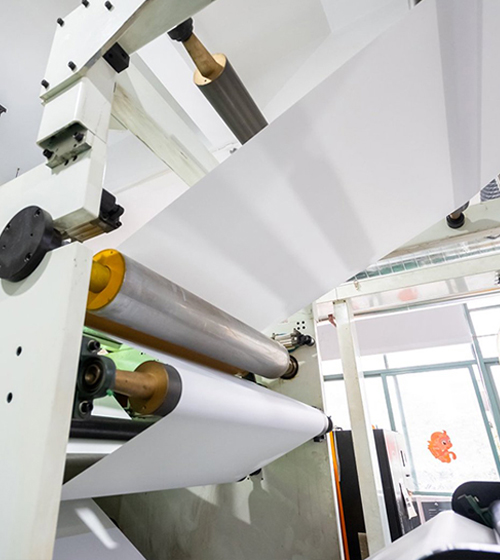
Why Choose Us?We are equipped with advanced high-speed adhesive coating lines, boasting a monthly production capacity of 20 million square meters. These machines support both hot melt and acrylic adhesive applications, enabling us to ensure fast delivery and consistent quality while meeting the diverse needs of the market. Our sales team works closely with you to fully understand your specific requirements.
 Coming From China, Marketing To The World.
 -
Solutions
Professional Label Material SolutionsAt Johnson, we understand that every industry faces unique labeling challenges. With 20 years of specialized expertise and strong R&D capabilities, we provide more than just materials — we deliver customized solutions that ensure “process compatibility, scenario suitability, and rapid delivery.
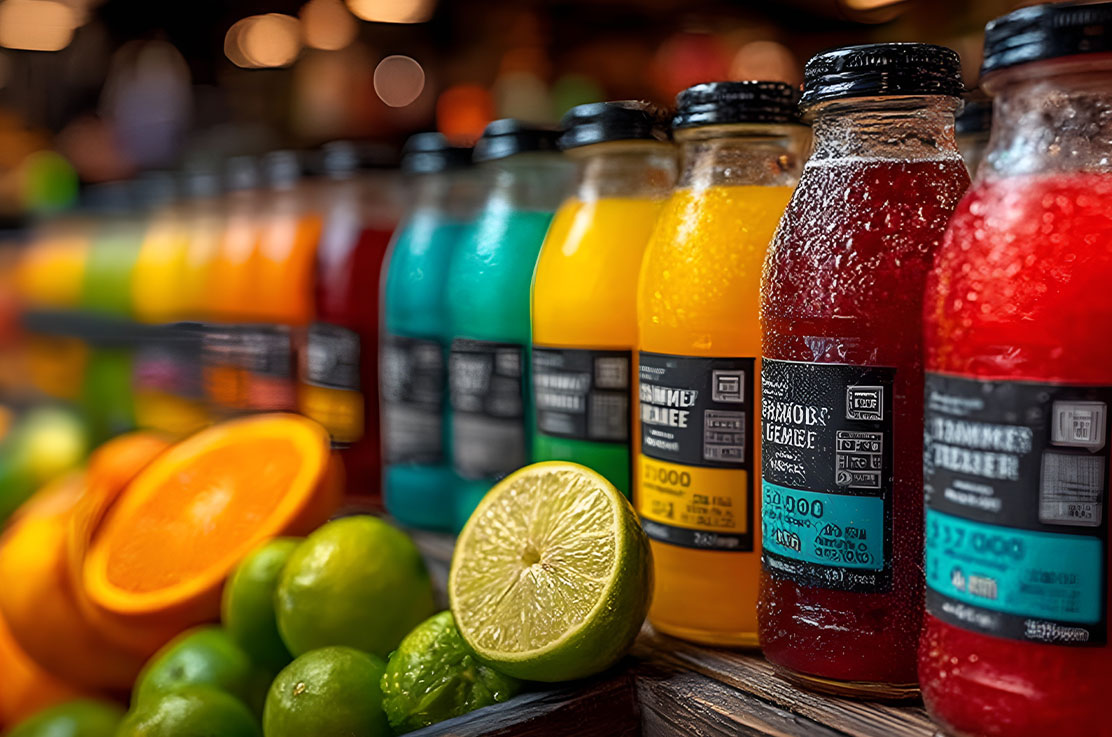


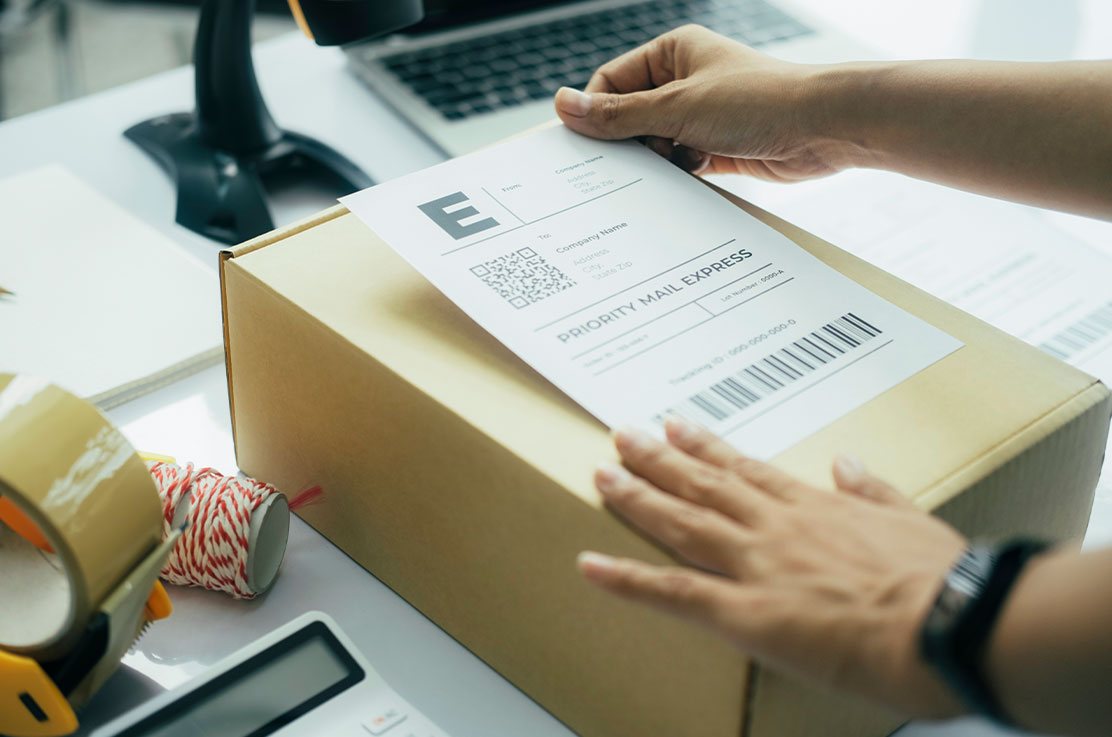
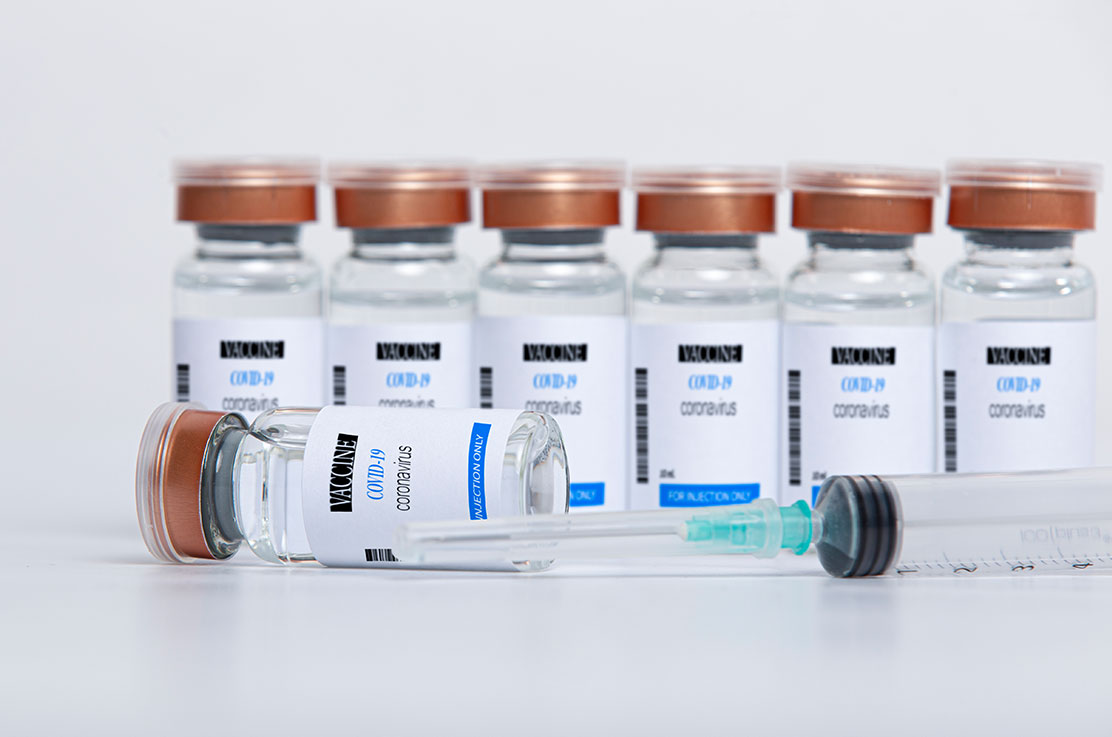 Eco-Friendly Labels, Zero Compromise on Quality
 -
Products
SustainabilityIn the field of non-dry adhesive label materials, we don’t just "produce well"—we go further with environmental protection as our technical and ethical responsibility, turning every label into a "sustainable" carrier.
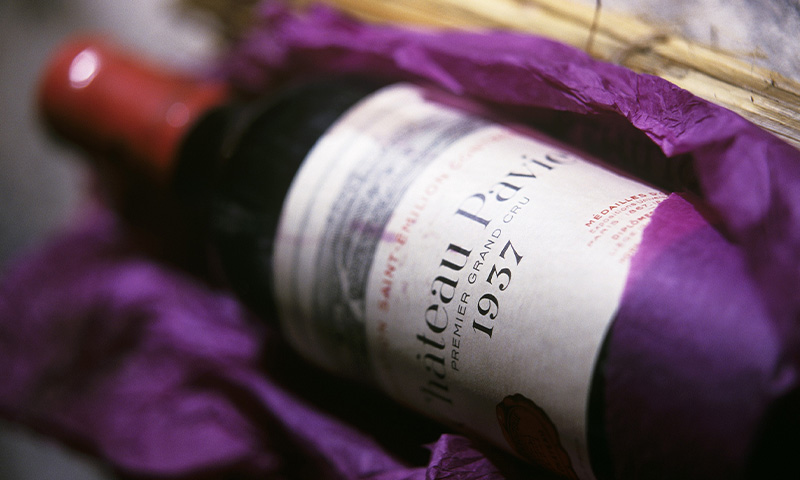
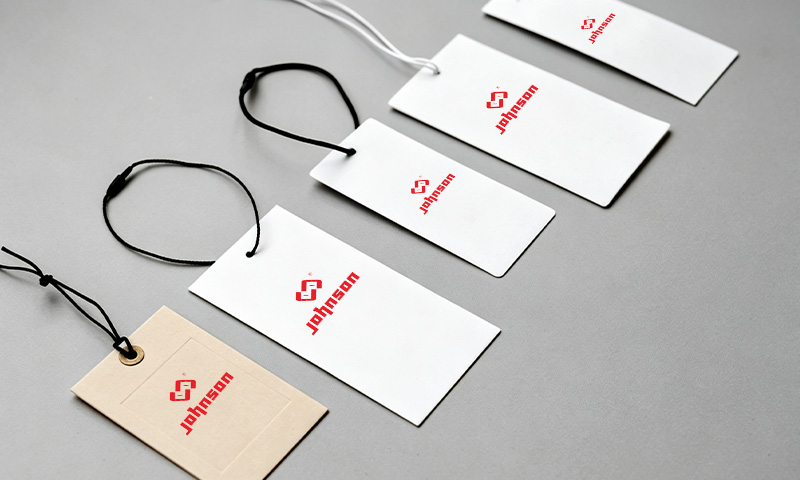
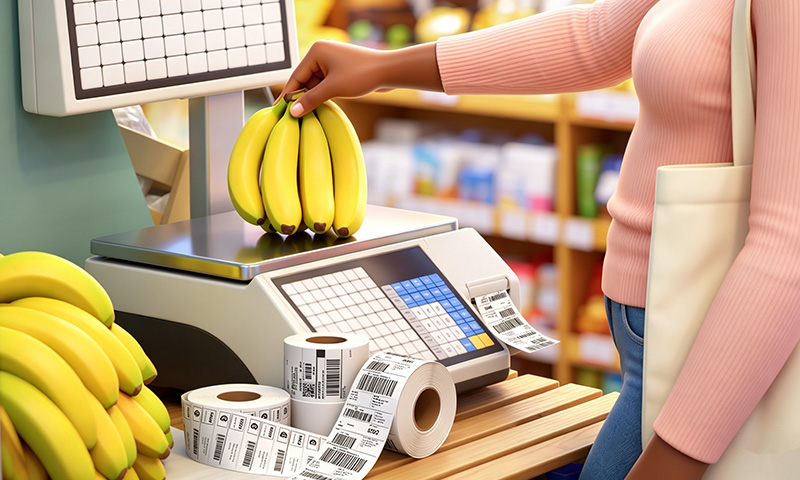
 Eco-Friendly Labels, Zero Compromise on Quality
 -
News
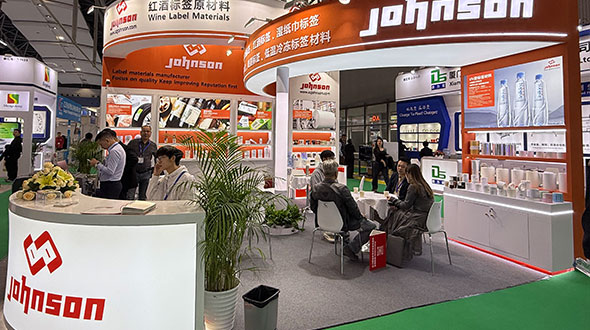 Wine Labelstock Invites You to Labelexpo Asia 2025
From December 2 to 5, 2025, Labelexpo Asia 2025, one of the most significant events in the global label and packaging printing industry, will take place at the Shanghai New International Expo Center. ...
 English
 русский
 Español
Self Adhesive Label: Complete Guide for Packaging and Branding
Content
A comprehensive guide to materials, adhesives, applications, and selection for packaging and branding professionals.
Self-adhesive labels have become the backbone of modern product identification, brand communication, and supply chain logistics. From the humble price tag on a retail shelf to the sophisticated multi-layer labels on pharmaceutical packaging, these pressure-sensitive materials are everywhere. But behind the simplicity of peel-and-stick lies a complex ecosystem of materials, adhesives, and performance characteristics that can make or break a product's market presentation.
The global self-adhesive label market continues to expand at a steady pace, driven by e-commerce growth, changing consumer preferences, and increasing demand for sustainable packaging solutions. Understanding the fundamentals of label construction, adhesive chemistry, and material selection is essential for packaging professionals, brand managers, and procurement specialists alike.
Understanding Self-Adhesive Label Construction
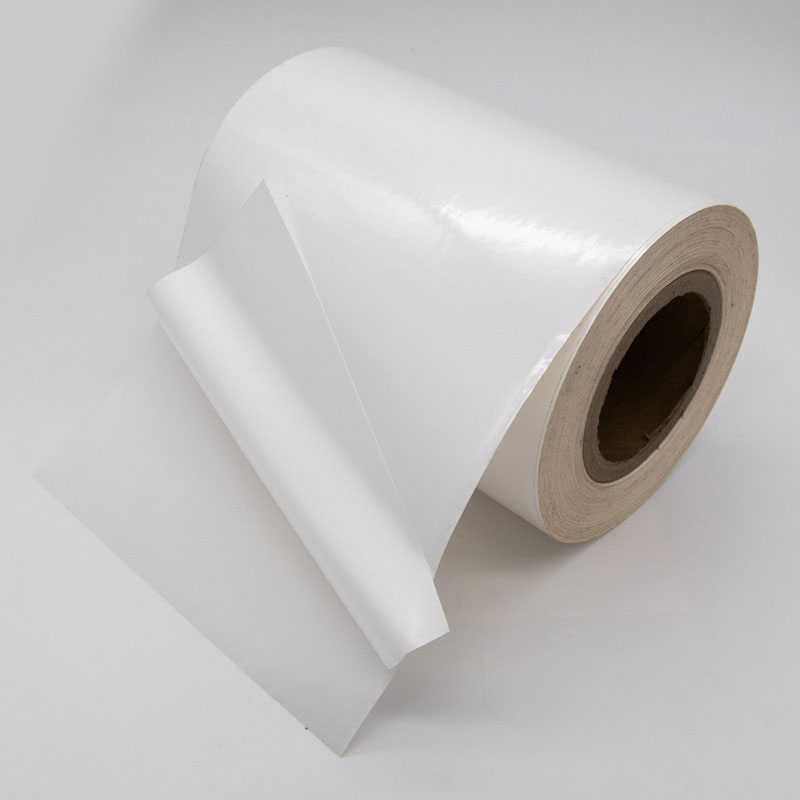
At its most fundamental level, a self-adhesive label is composed of three integrated layers that work together to deliver a functional and durable labeling solution. Each layer serves a distinct purpose, and the performance of the label depends on the compatibility and quality of all three components working in harmony.
The Face Material
The face material is the visible surface of the label that carries printed information, graphics, and brand elements. It is the layer that consumers see and touch, making it the primary vehicle for brand communication. Face materials are available in an extensive range of options, each with specific characteristics suited to different applications.
Paper remains the most widely used face material due to its cost-effectiveness, printability, and environmental profile. Coated papers offer smooth surfaces for high-quality color printing, while uncoated papers provide a more natural feel suitable for rustic or minimalist branding. Kraft paper has gained popularity for organic and sustainable product lines, offering a natural brown finish that conveys environmental responsibility.
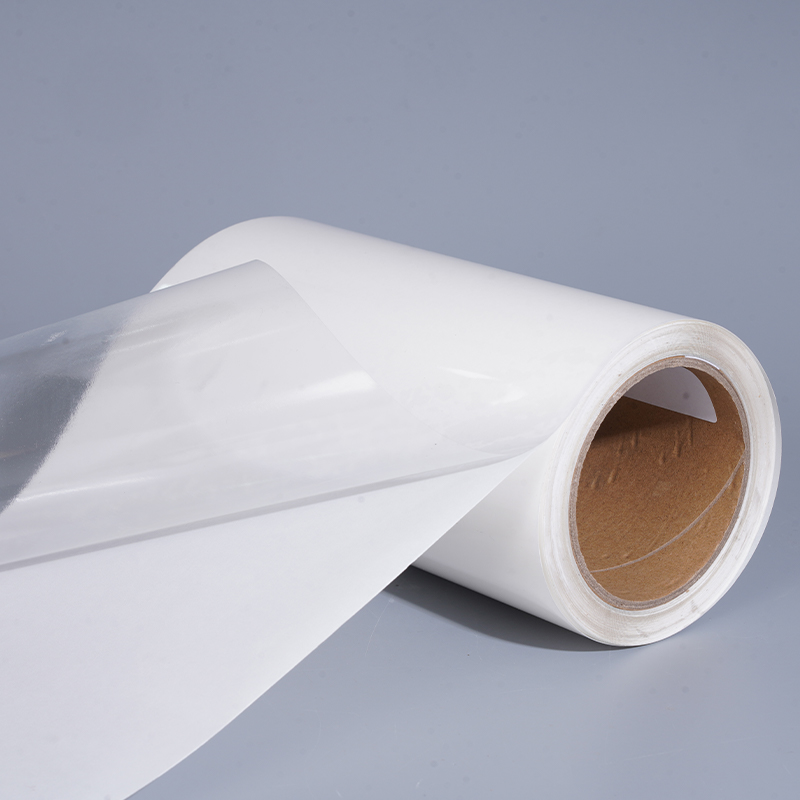
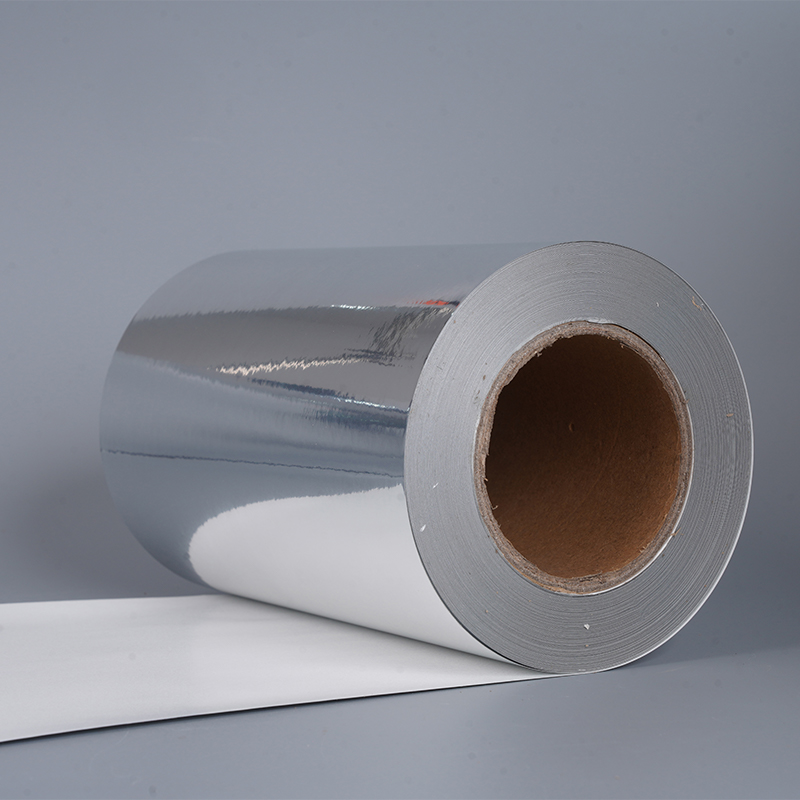
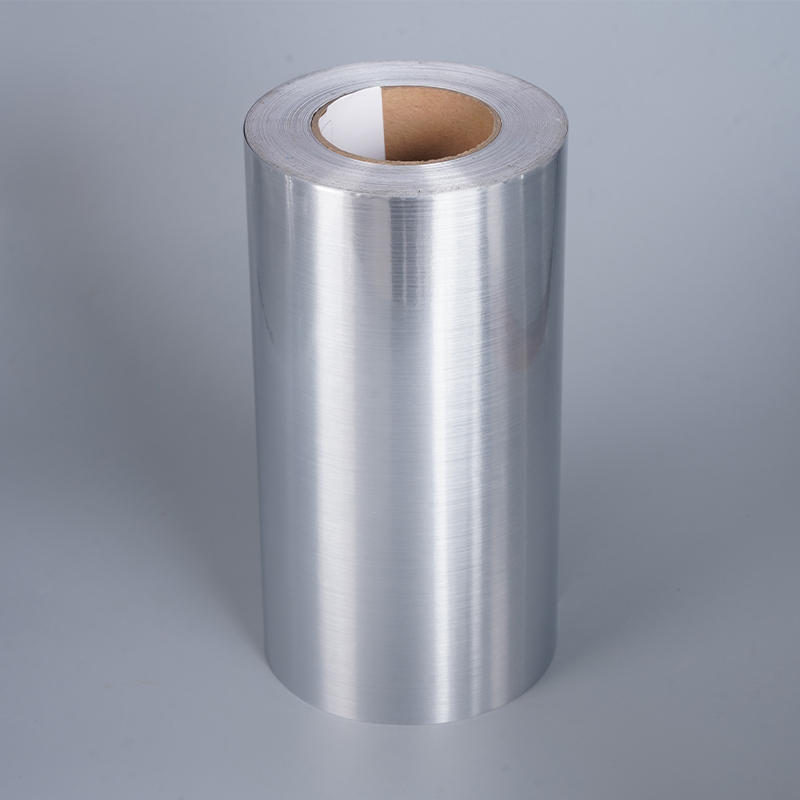
Film materials dominate applications where durability is paramount. Polyester films provide exceptional tear resistance, dimensional stability, and resistance to moisture, chemicals, and UV exposure. Polypropylene films offer similar protection with added flexibility, making them suitable for curved surfaces and squeezable containers. Specialty films include metallized materials that provide a premium metallic finish, transparent films that create a no-label appearance on clear containers, and textured films that add tactile dimension to packaging.
The Adhesive System
The adhesive is the functional heart of the label, determining how well the label bonds to the substrate and how long it stays in place. Adhesive chemistry has advanced significantly in recent years, with formulations tailored to specific surface types, environmental conditions, and application requirements.
Permanent adhesives are formulated for applications where the label is intended to remain in place for the life of the product. These adhesives offer high initial tack and develop strong final bond strength over time. They are commonly used in product identification, branding labels, and shipping labels where removal is not required.
Removable adhesives are designed for applications where clean removal is essential. They provide sufficient hold during the intended service life but allow the label to be peeled off without leaving adhesive residue on the surface. These adhesives are widely used for price tags, promotional labels, temporary signage, and reusable packaging applications.
Repositionable adhesives offer a middle ground between removable and permanent, allowing the label to be adjusted multiple times during application while still providing adequate final bond strength. These adhesives are commonly used for large format graphics, signage, and applications where precise placement is critical.
Specialty adhesives have been developed for demanding environments. Freezer-grade adhesives maintain their bond at low temperatures, making them essential for cold storage and frozen food packaging. High-tack adhesives provide aggressive initial adhesion for difficult surfaces such as rough textures, low-energy plastics, and contaminated substrates. Tamper-evident adhesives incorporate features that reveal evidence of tampering when the label is removed, providing security for pharmaceutical and high-value products.
The Release Liner
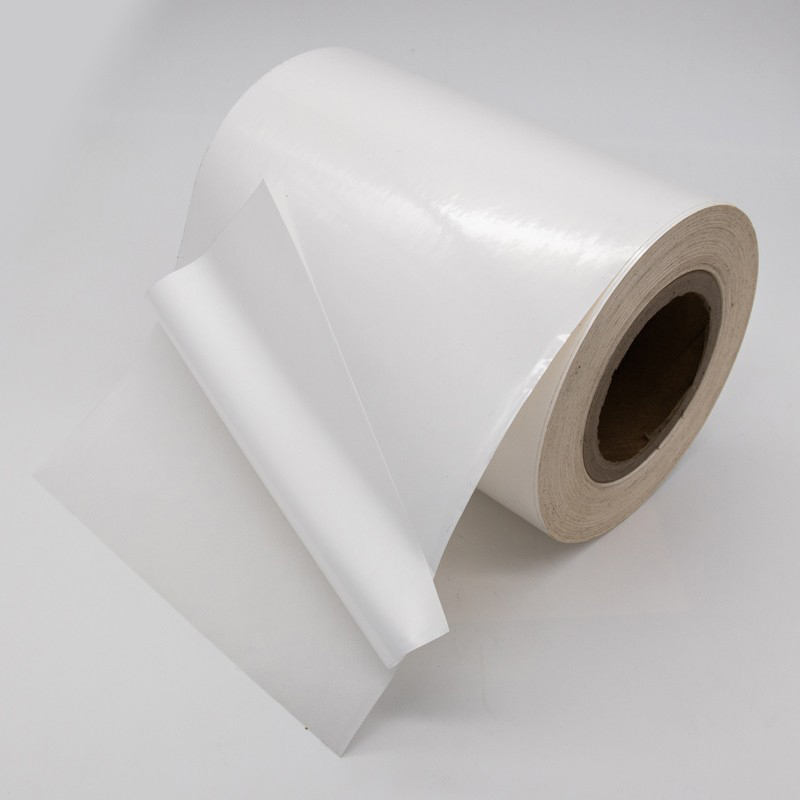
The release liner is the unsung hero of the self-adhesive label, protecting the adhesive until the moment of application. This silicone-coated backing paper or film allows the label to be stored, handled, and transported without premature adhesion. The liner is discarded after the label is applied, but its quality and consistency have a significant impact on label performance.
Release liners are available in various basis weights and colors, with the choice affecting dispensing characteristics, rigidity during printing and die-cutting, and compatibility with automatic application equipment. Super-calendered kraft remains the most common liner material, offering a good balance of cost and performance. Film liners provide superior dimensional stability and are preferred for high-speed automatic labeling and applications requiring precise registration.
Adhesive Performance Characteristics
The performance of a self-adhesive label is largely determined by the interaction between the adhesive and the substrate. Understanding key adhesive properties helps in selecting the right product for specific applications.
Initial tack and final bond strength. Initial tack refers to the immediate adhesion that occurs when the label is first applied to the surface. High initial tack is important for applications where the label needs to stay in place immediately after application, such as on automated packaging lines where labels are applied at high speed. Final bond strength develops over time as the adhesive flows into the surface micro-structure and establishes a more permanent connection.
Surface energy and substrate compatibility. The ability of an adhesive to wet and bond to a surface depends on the surface energy of the substrate. High surface energy materials such as glass, metals, and certain plastics provide excellent bonding surfaces. Low surface energy materials such as polyethylene, polypropylene, and coated papers require specially formulated adhesives to achieve adequate bond strength.
Temperature and environmental resistance. Adhesives are designed to perform within specific temperature ranges. Standard adhesives are suitable for room temperature applications and moderate environmental conditions. High-temperature adhesives maintain their bond at elevated temperatures, making them suitable for automotive and industrial applications. Low-temperature adhesives remain flexible and maintain adhesion in cold environments, essential for food and pharmaceutical cold chains.
Applications Across Industries
Self-adhesive labels serve critical functions across virtually every industry sector. In food and beverage packaging, they communicate ingredient information, nutritional data, and brand identity while meeting regulatory requirements for labeling. The logistics industry depends on self-adhesive labels for tracking shipments, managing inventory, and ensuring accurate delivery.
The retail sector uses self-adhesive labels for product identification, pricing, and promotional communication. Pharmaceutical applications demand labels that meet stringent regulatory requirements for patient information, dosage instructions, and tamper-evident features. Electronics manufacturers use self-adhesive labels for serial number identification, warning labels, and certification marks.
Automotive applications include component identification, warning labels, and branding for parts and accessories. The versatility of self-adhesive labels makes them indispensable in modern manufacturing, distribution, and retail operations.
Comparison of Labeling Technologies
| Feature | Self-Adhesive | Wet Glue | Heat Shrink |
|---|---|---|---|
| Application speed | High | Medium | Medium |
| Substrate compatibility | Broad | Limited | Limited |
| Durability | High | Medium | High |
| Print quality | Excellent | Good | Excellent |
| Cost per label | Medium | Low | Medium |
| Automation compatibility | Excellent | Good | Good |
Material Selection Guide
Selecting the right self-adhesive label material requires careful consideration of multiple factors that influence label performance and appearance. The following framework provides a structured approach to material selection.
Determine the surface material that the label will be applied to. Different substrates require different adhesive formulations for optimal bonding.
Consider temperature extremes, moisture exposure, UV radiation, and chemical contact that the label will experience during its service life.
Establish whether the label needs to last for the product life or be removable after a specified period. This determines adhesive type and face material selection.
Ensure the selected material is compatible with your printing process and die-cutting equipment. Different face materials have different printing characteristics.
For pharmaceutical, food, and certain industrial applications, labels must meet specific regulatory standards and compliance requirements.
Evaluate the total cost of the labeling solution including material, application, and potential failure costs to make an informed economic decision.
Frequently Asked Questions
Choosing the right self-adhesive label requires balancing material performance, adhesive chemistry, and application requirements.
Working with experienced label material suppliers can help navigate the complexity of label selection and ensure optimal results for your application.
Your email address will not be published. Required fields are marked *
Contact Details
TEL: +86-15626470581
E-mail: sales@szjohnson.com
Location
Address: Building 1, Room 201, Zhijianeng High-tech Park, No. 65 Hongyin Road, Lihu Community, Xinhu Street, Guangming District, Shenzhen 518107, Guangdong Province, China
Get In Touch
Copyright © Shenzhen Johnson New Materials Co., Ltd. All Rights Reserved.
Wholesale Self Adhesive Paper Manufacturers Adhesive Label Roll Factory