
-
About Us
Why Choose Us?We are equipped with advanced high-speed adhesive coating lines, boasting a monthly production capacity of 20 million square meters. These machines support both hot melt and acrylic adhesive applications, enabling us to ensure fast delivery and consistent quality while meeting the diverse needs of the market. Our sales team works closely with you to fully understand your specific requirements.
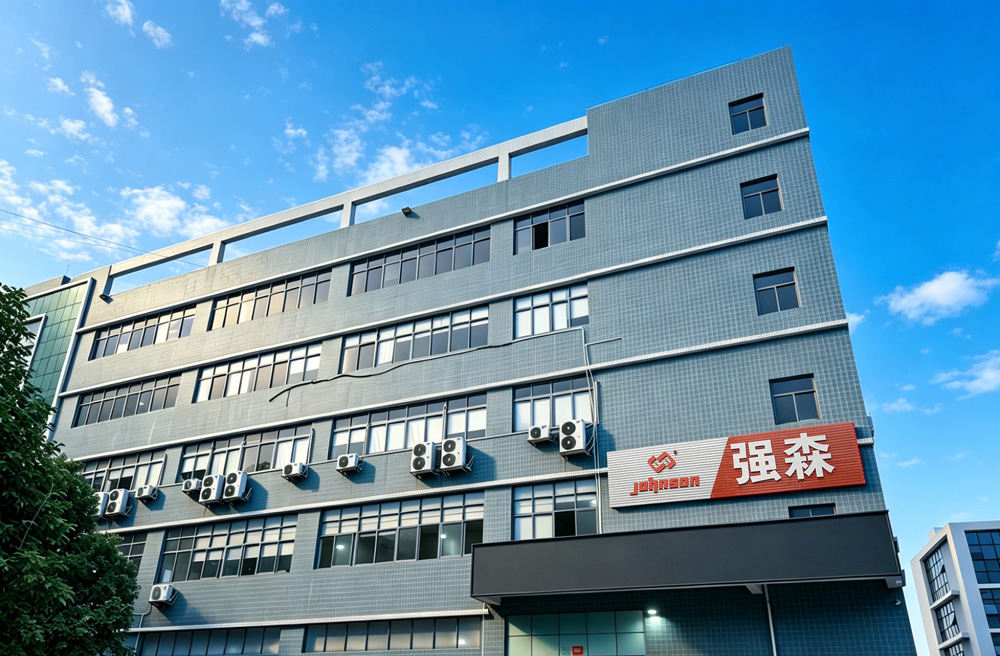 Coming From China, Marketing To The World.
-
Solutions
Professional Label Material SolutionsAt Johnson, we understand that every industry faces unique labeling challenges. With 20 years of specialized expertise and strong R&D capabilities, we provide more than just materials — we deliver customized solutions that ensure “process compatibility, scenario suitability, and rapid delivery.
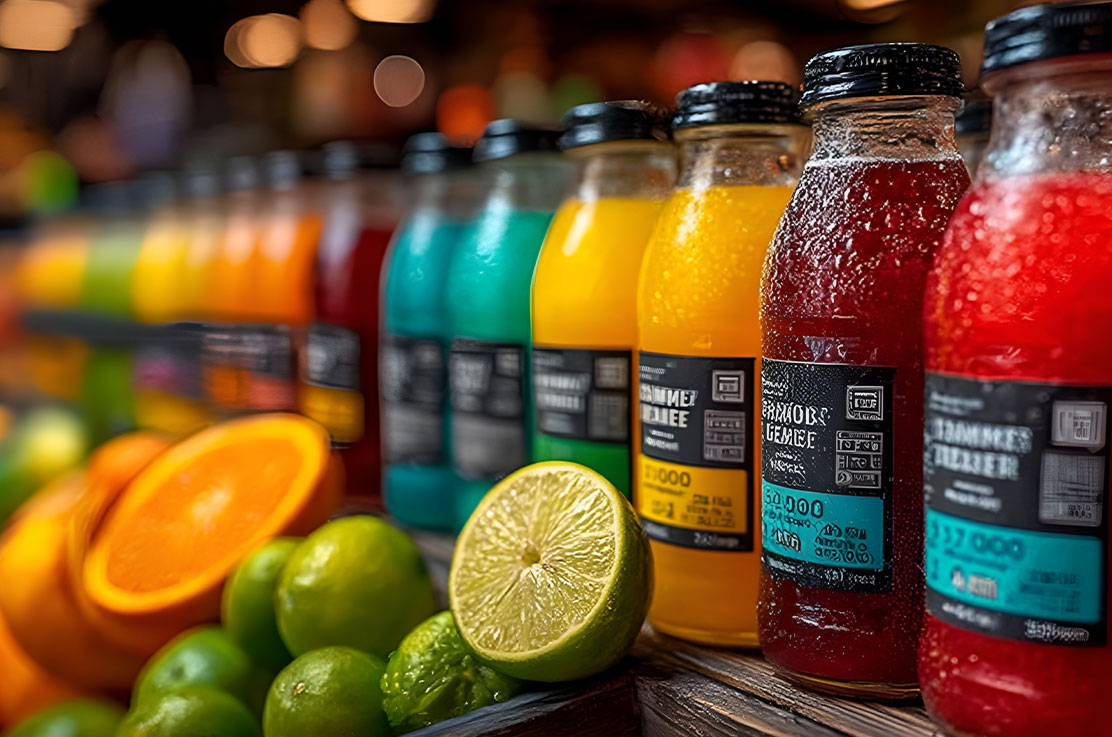
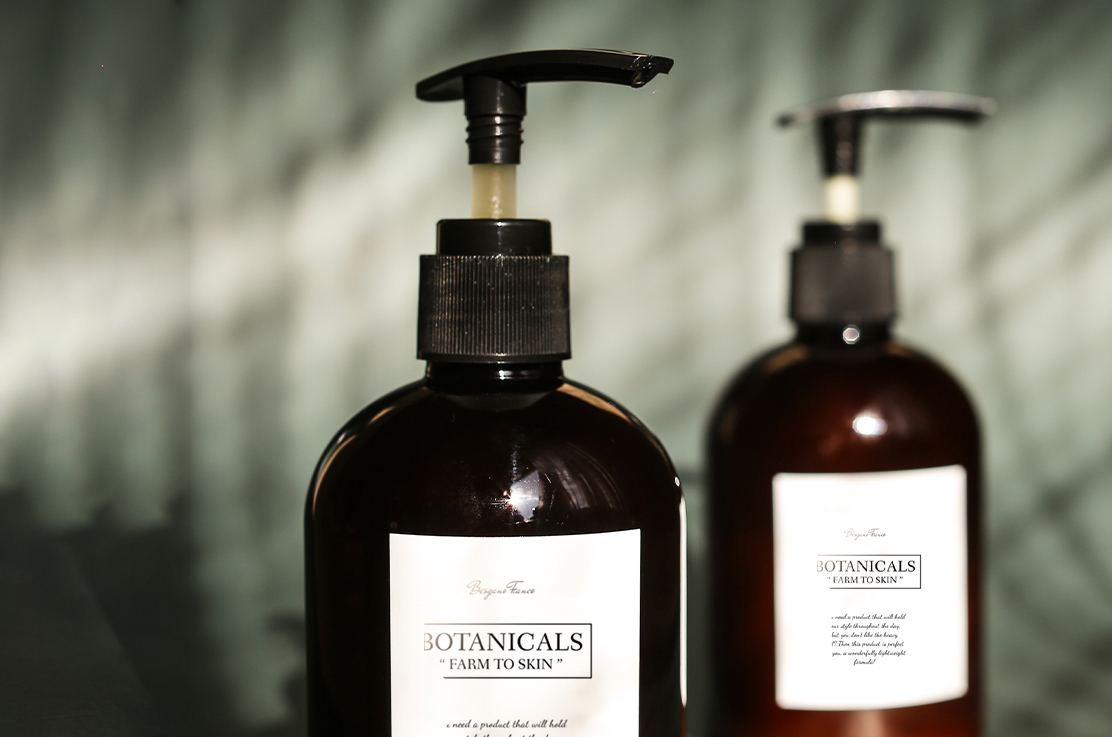
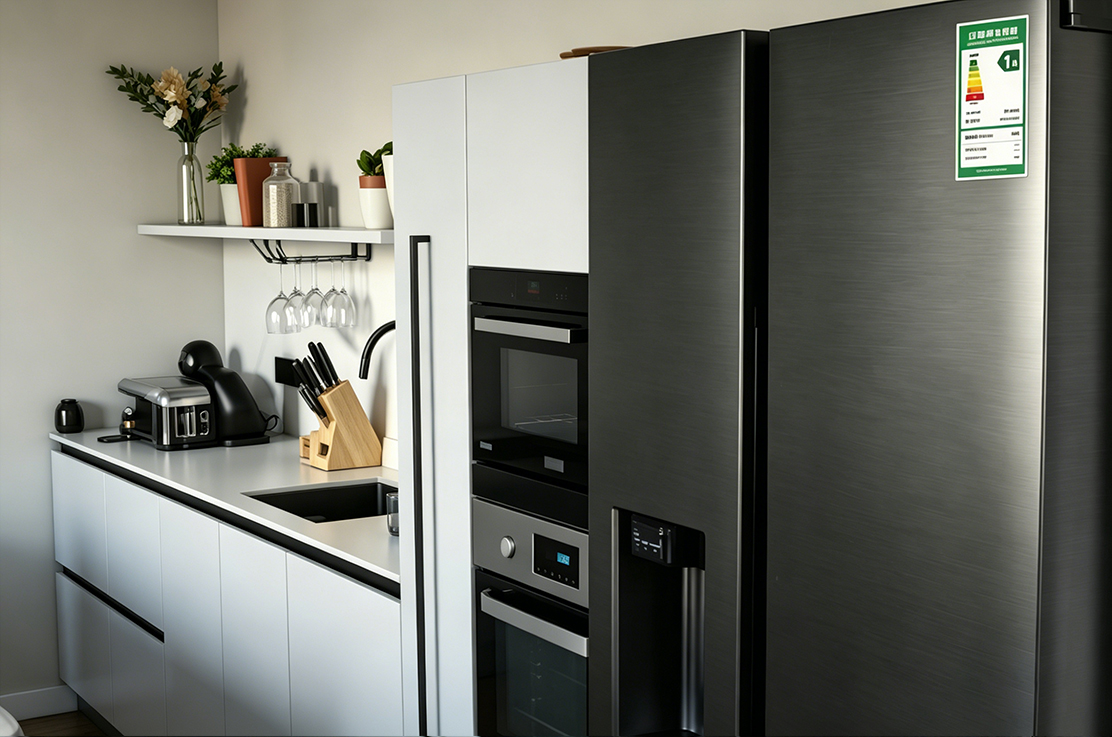
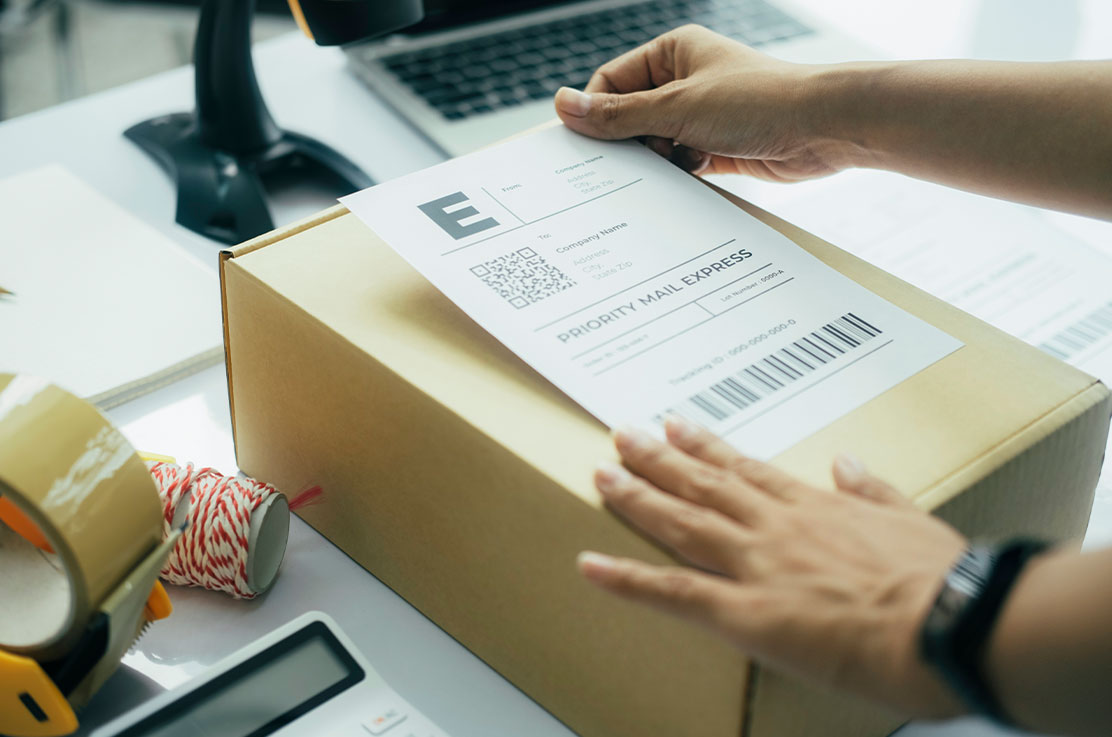
 Eco-Friendly Labels, Zero Compromise on Quality
-
Products
SustainabilityIn the field of non-dry adhesive label materials, we don’t just "produce well"—we go further with environmental protection as our technical and ethical responsibility, turning every label into a "sustainable" carrier.
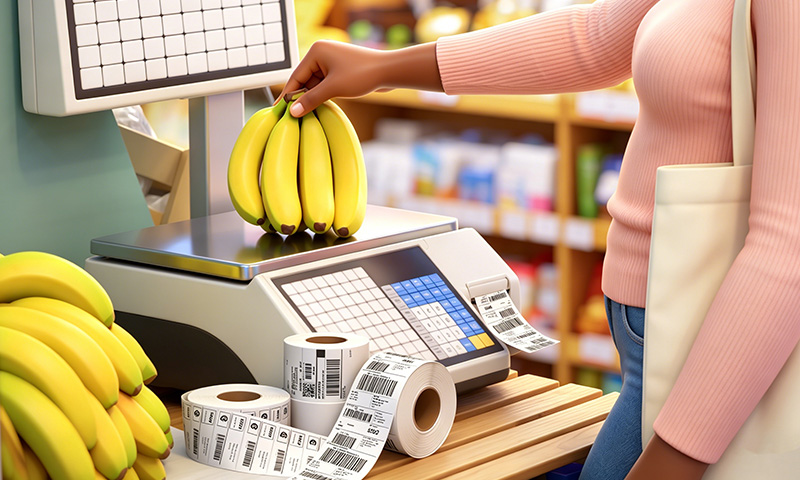
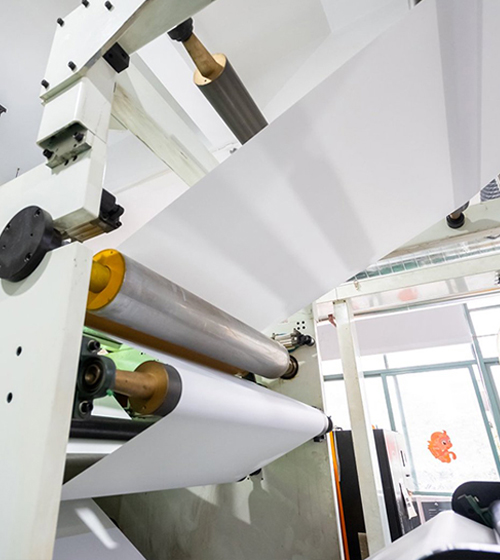 Eco-Friendly Labels, Zero Compromise on Quality
-
News
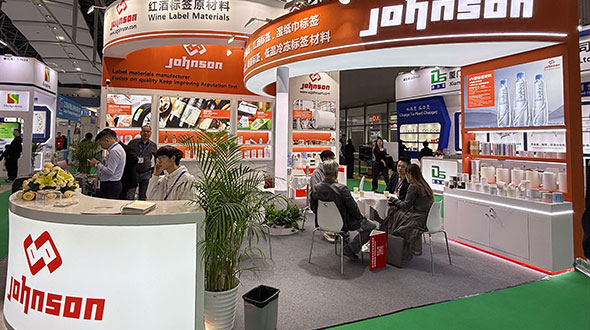 Wine Labelstock Invites You to Labelexpo Asia 2025
From December 2 to 5, 2025, Labelexpo Asia 2025, one of the most significant events in the global label and packaging printing industry, will take place at the Shanghai New International Expo Center. ...
 English
 русский
 Español
Label Paper for Laser Printer: GSM, Fuser Heat and Adhesive Selection Guide
Content
- 1 Which label paper for a laser printer survives the fuser
- 2 GSM and caliper limits for label paper on desktop laser printers
- 3 Adhesive and liner: the hidden half of label paper for laser printers
- 4 Four bench checks that predict a laser label failure
- 5 How to verify a label material supplier before a full run
- 6 Questions buyers ask before ordering laser label stock
A desktop laser printer holds the sheet under 180 to 220 Celsius of fuser heat for roughly 50 to 100 milliseconds. That single number decides more label paper for laser printer projects than price does, because a stock that lies flat at room temperature can wave, blister or push adhesive out from under the face the moment it passes the fuser.
Two rules follow from that. Paper and PET face stocks print reliably through a fuser, while uncoated PP and BOPP films generally do not. And the layers under the face stock matter as much as the face itself, because a sheet that prints cleanly and then curls off the exit tray is still a failed run.
Which label paper for a laser printer survives the fuser
Paper and PET film are the two safe face stocks for laser printing. Standard PP and BOPP label films are the wrong material for a laser fuser, because polypropylene begins to soften at roughly 150 to 160 Celsius, which sits inside the operating window of almost every desktop laser printer.
Paper wins on cost and predictability. A 70 gsm uncoated woodfree face gives a matte, slightly absorbent surface that grips toner well and has no thermal transition to survive. An 80 gsm semigloss face holds finer halftones and sharper small type, which is the higher contrast that barcode scanners reward on shelf and product labels.
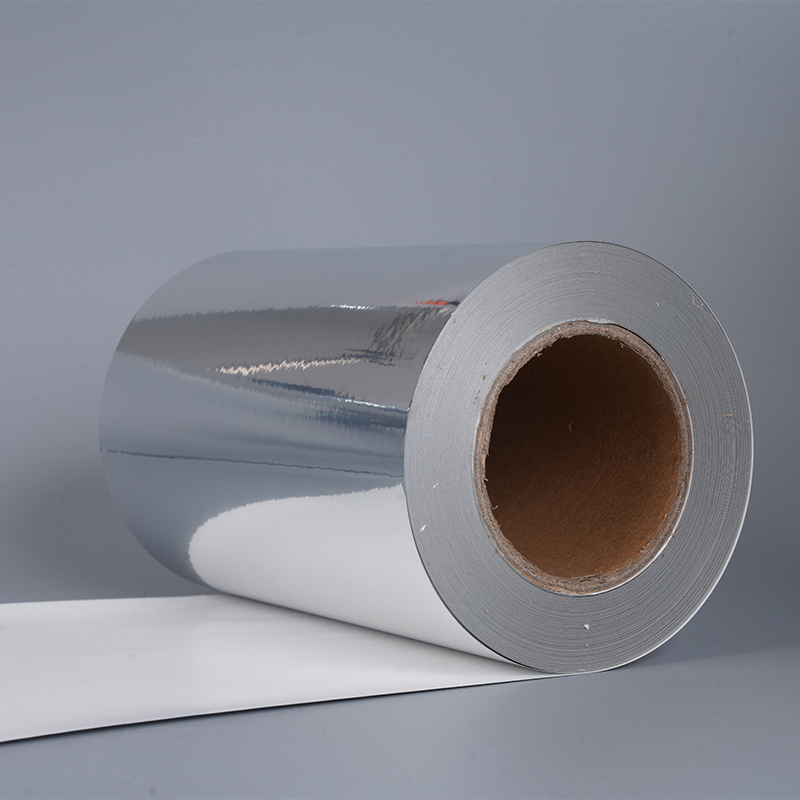
PET earns its price when the label has to survive something. A 50 micron matte white PET face resists water, alcohol wipes and mild solvents, does not tear at a perforation, and keeps its dimensions through a second pass through the printer. Matte silver PET adds a metallic finish that toner covers evenly, so it belongs on branding and equipment rather than on shipping cartons.
How each face stock behaves in a laser fuser
| Face stock | Typical caliper | In a laser fuser | Best fit |
| Uncoated woodfree paper | 70 gsm | Flat, matte, strong toner grip, slight rub | Logistics and price labels |
| Semigloss coated paper | 80 gsm | Flat, sharp halftones, high barcode contrast | Shelf and product labels |
| Matte white PET film | 50 micron | Stable, moisture and chemical resistant, tear proof | Asset and equipment labels |
| Matte silver PET film | 50 micron | Stable, metallic finish accepts toner evenly | Branding and electronics |
| Matte white PP film | 60 micron | Softens, curls, edge lift on long runs | Cold application only |
| Clear BOPP film | 50 micron | Wrinkles and clouds under fuser heat | Hand labelling only |
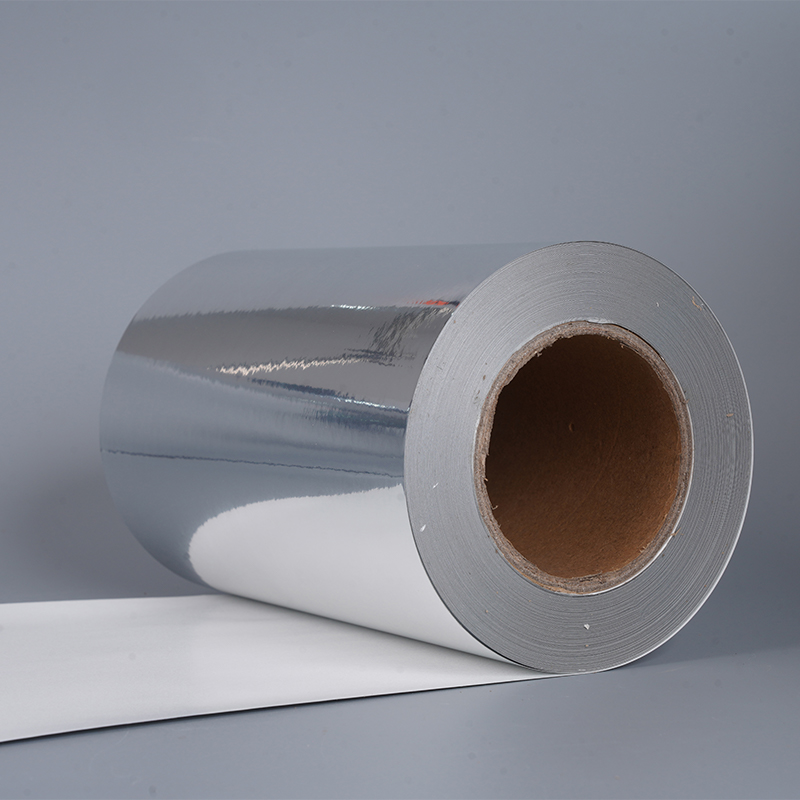
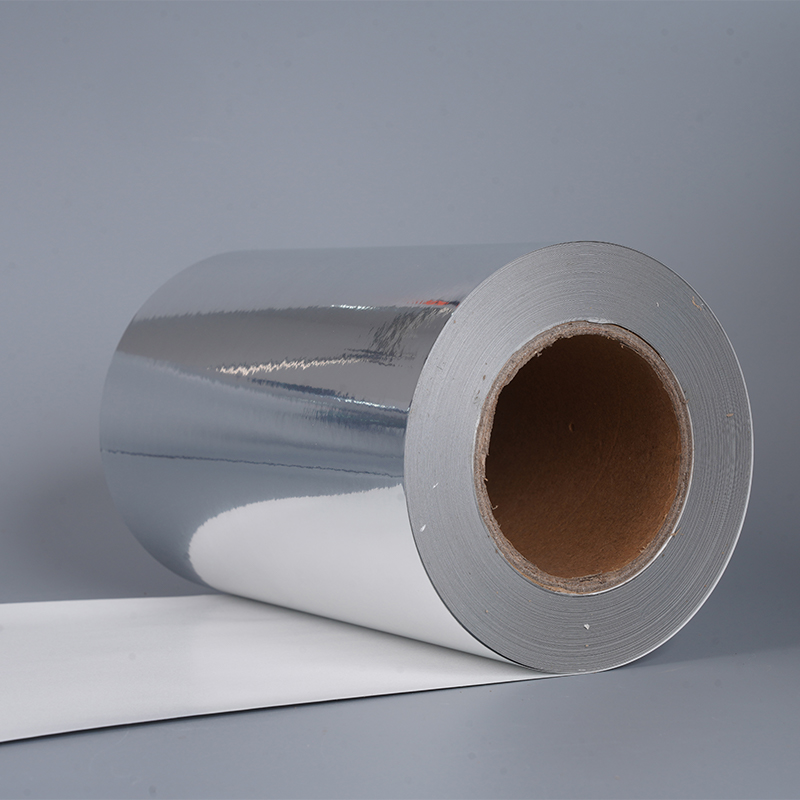
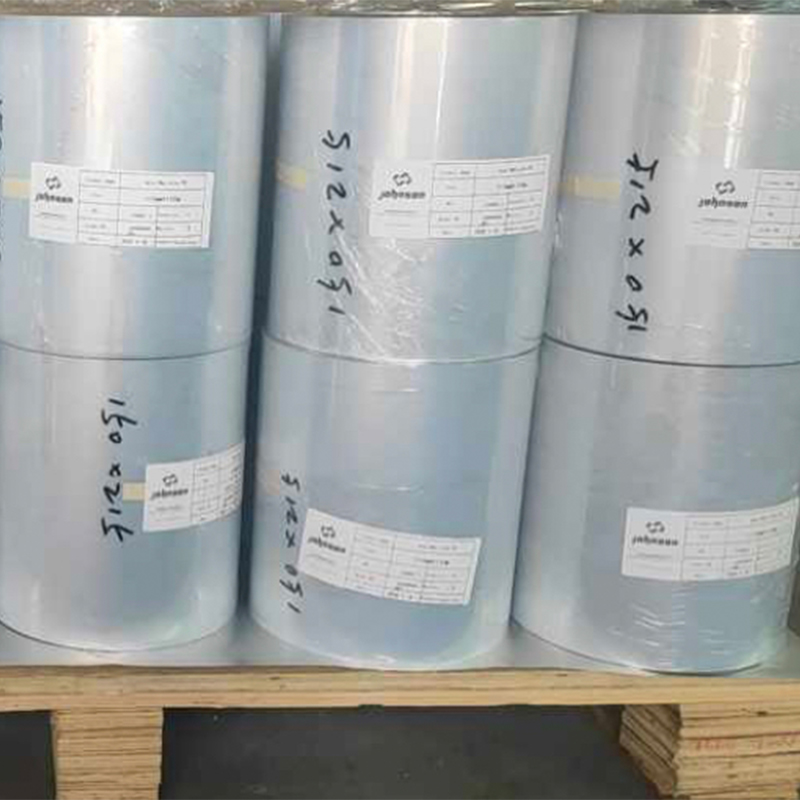 Inkjet Printable Matte Silver PET Label Material PT 004B2Inkjet-printable matte silver PET label material with UV acrylic adhesive and white glassine liner, suited to durable electrical and electronic product labeling.View Product →
GSM and caliper limits for label paper on desktop laser printers
Treat 80 to 90 gsm as the working range for paper face stock on a desktop laser printer. The machine sees the whole construction, not just the face, so the liner is part of the thickness that has to pass the rollers.
An 80 gsm paper face over a 20 gsm adhesive layer and a 60 gsm glassine liner measures about 0.15 mm and behaves like a 140 gsm sheet on the paper path. Many desktop lasers accept cardstock up to 163 gsm or 0.2 mm, so that build normally feeds cleanly. Swap in a 90 gsm kraft liner and the same label sits closer to the edge of the rating, where double-feeds and jams begin.
Weight and caliper are not the same measurement, and the gap catches people out. A 70 gsm face on a dense glassine liner can be caliper-heavier than an 80 gsm face on a lighter release paper, depending on coating weight and how hard the paper was calendered.
Flatness and toner anchorage after a 200 C fuser pass, indexed with 80 gsm semigloss paper at 100
Humidity moves the number as well. Paper gains and loses moisture with the room, and a sheet that was flat in a dry warehouse can ripple in a humid press room. Sealed reams, 45 to 55 percent relative humidity and 24 hours of conditioning in the same room as the printer remove most of that variable.
Ask for the layer-by-layer construction before comparing quotes. The inkjet and laser printable label materials range publishes face stock, adhesive and liner for every SKU, which is the only dependable way to predict how a sheet will behave on your paper path.
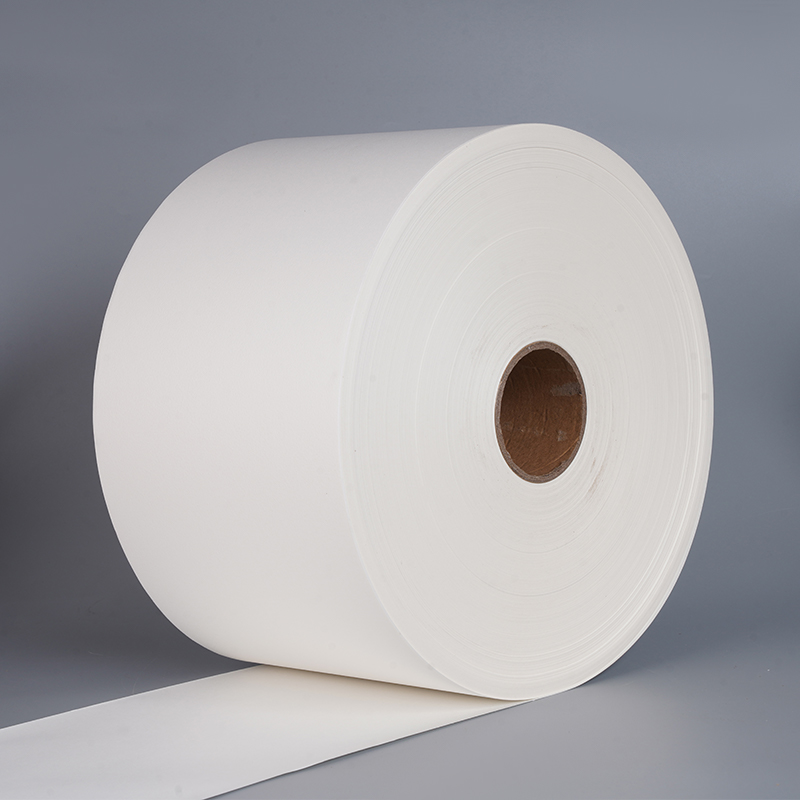
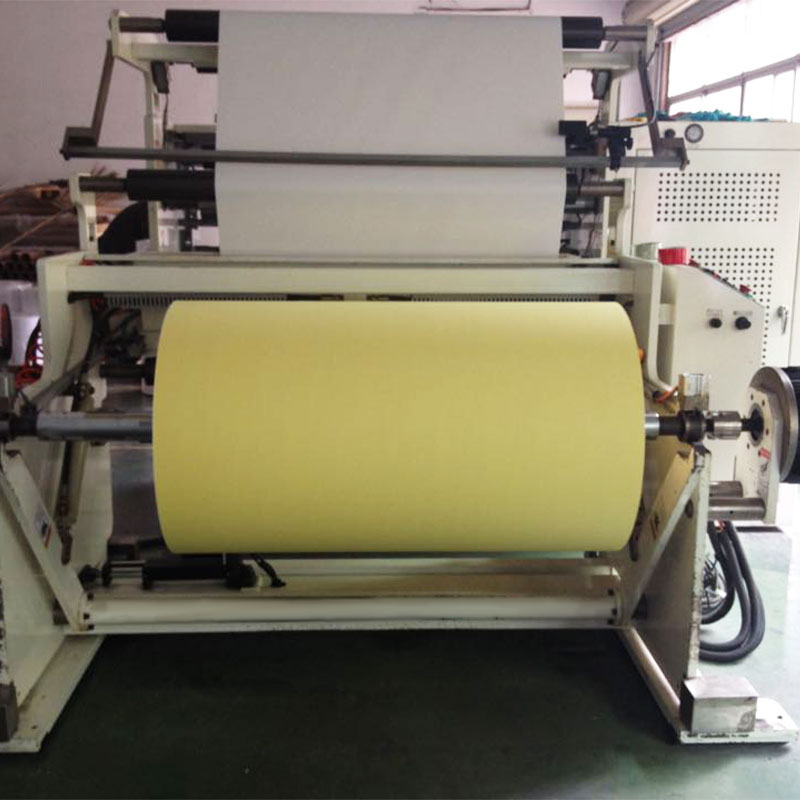 Semigloss Paper Label Material PN131H10 with Hot Melt AdhesiveEconomical 80gsm semigloss paper label stock with hot melt adhesive and yellow silicon liner, suited to logistics, retail and packaging labeling.View Product →
Choose an acrylic adhesive for any label that will meet heat, sunlight or a warm warehouse. Choose hot melt when cost and instant tack matter more than temperature service, and accept that the label belongs in a single-pass, room-temperature application.
Hot melt adhesive is applied as a thermoplastic and bonds on contact, which is why it dominates high-speed labelling lines and recycled board. Its weakness is thermal. Softening starts well below the fuser set point, and a label that makes two passes through the printer can squeeze adhesive out at the leading edge. That squeeze-out is the expensive failure, because adhesive on a fuser roller means a service call and a stopped line.
Hot melt adhesive
- Lowest cost per square metre
- Immediate tack on recycled board and rough stock
- Softens from roughly 70 to 90 Celsius
- Poor fit for double fuser passes or warm storage
Acrylic adhesive
- Service temperature about 90 to 120 Celsius
- Better UV and ageing resistance
- Needs pressure or a smooth face to wet out
- Preferred for logistics, chemical and outdoor labels
The liner is the layer nobody inspects until it causes a jam. A 60 gsm white glassine liner is thin, dense and lies flat, which suits sheet-fed laser printing and tight rewind. A 90 to 170 gsm silicone kraft liner is stronger and better for high-speed rotary converting, but it adds caliper and can stiffen a sheet that was already near the printer limit.
Release force matters too. Silicone that lets go too easily allows labels to lift off the liner before they reach the printer, while a heavy release will not peel cleanly at the dispenser. Test release at the temperature the material will actually see, not only at room temperature.
Four bench checks that predict a laser label failure
Four checks catch almost every laser label failure before a production run starts: a lay-flat check, a double fuser pass, an edge inspection for adhesive ooze, and a humidity soak.
When a paper face fails these checks, the answer is usually a film rather than a heavier paper. A 50 micron matte white or matte silver PET face will not take on moisture, will not wave in a humid room, and holds its shape through several printer passes.
How to verify a label material supplier before a full run
Verify a label material supplier on four points in this order: coating capability, adhesive range, published layer data and sample turnaround.
A practical sampling route is to start from a standard digitally printable stock such as a 90 gsm glossy coated paper, run the four bench checks, and only then move to the film or adhesive system the application actually needs. The custom self-adhesive label materials specification guide walks through that sequence, from face stock choice to liner selection.
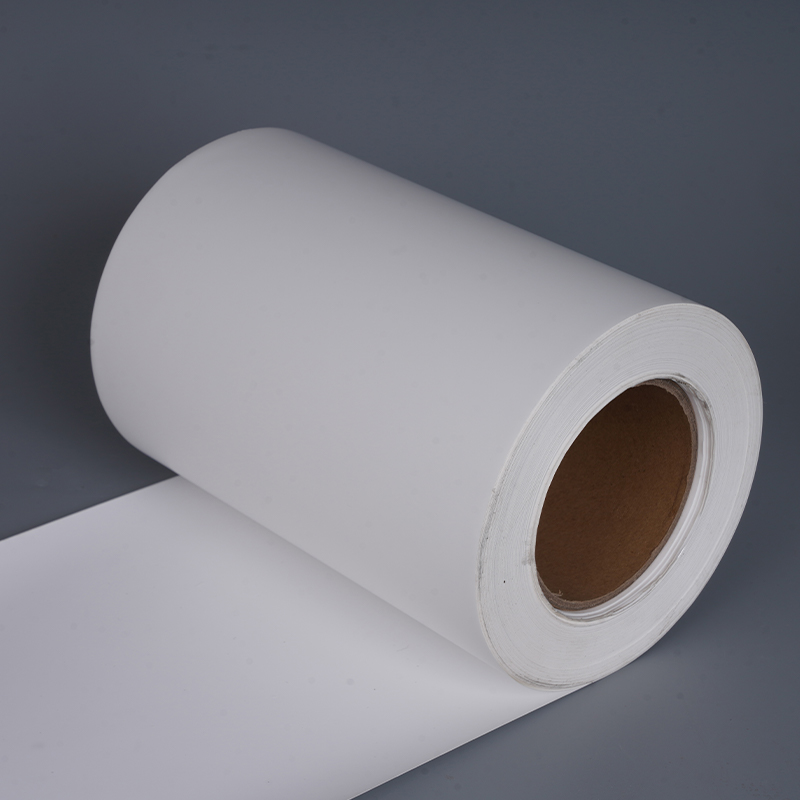
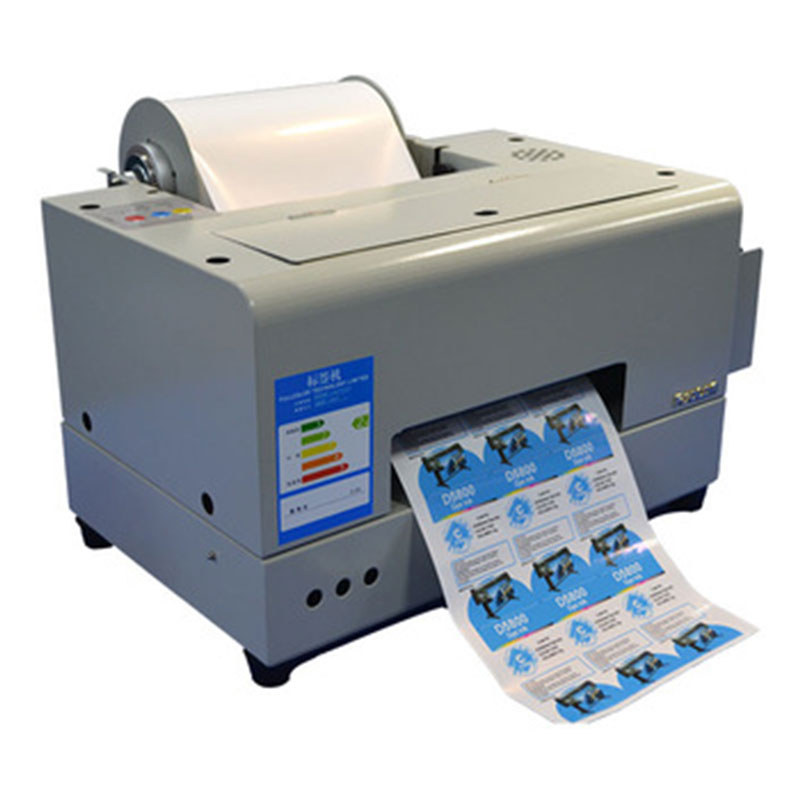 Inkjet Glossy Paper Label Material PT051A190gsm high-gloss inkjet paper label stock with hot melt adhesive and white glassine liner for sharp product, warehousing and logistics labels.View Product →
Questions buyers ask before ordering laser label stock
Can any self-adhesive label sheet go through a laser printer?
No. Paper and PET face stocks with a heat-resistant adhesive print reliably. PP and BOPP films soften between 150 and 160 Celsius and belong in cold or hand application. Sheet format matters too: cut sheets on a flat glassine liner feed far better than roll stock trimmed by hand.
What is the maximum GSM for label paper in a laser printer?
Stay in the 80 to 90 gsm range for the paper face. The printer rating applies to the whole construction, and an 80 gsm face with a 60 gsm glassine liner behaves like a 140 gsm sheet. Check the manual for its cardstock limit, often 163 gsm or 0.2 mm, before going heavier.
Why does my printed label curl at the edges after printing?
Curl after printing usually comes from three causes: moisture picked up by an unprotected paper face, a hot melt adhesive softening under fuser heat, or a heavy kraft liner fighting the paper path. Conditioning at 45 to 55 percent relative humidity and switching to an acrylic adhesive solves most cases.
Is hot melt or acrylic adhesive better for laser-printed labels?
Acrylic is the better default because it holds a service temperature of roughly 90 to 120 Celsius and resists UV and ageing. Hot melt remains cheaper and tacks faster, and works well where the label is applied cold and never returns to the printer for a second pass.
The short version
Match the face stock to the fuser first, keep the total construction inside the printer weight rating, and test the adhesive and liner on your own machine before ordering paper in volume.
Your email address will not be published. Required fields are marked *
Contact Details
TEL: +86-15626470581
E-mail: sales@szjohnson.com
Location
Address: Building 1, Room 201, Zhijianeng High-tech Park, No. 65 Hongyin Road, Lihu Community, Xinhu Street, Guangming District, Shenzhen 518107, Guangdong Province, China
Get In Touch
Copyright © Shenzhen Johnson New Materials Co., Ltd. All Rights Reserved.
Wholesale Self Adhesive Paper Manufacturers Adhesive Label Roll Factory