
-
About Us
Why Choose Us?We are equipped with advanced high-speed adhesive coating lines, boasting a monthly production capacity of 20 million square meters. These machines support both hot melt and acrylic adhesive applications, enabling us to ensure fast delivery and consistent quality while meeting the diverse needs of the market. Our sales team works closely with you to fully understand your specific requirements.
 Coming From China, Marketing To The World.
 -
Solutions
Professional Label Material SolutionsAt Johnson, we understand that every industry faces unique labeling challenges. With 20 years of specialized expertise and strong R&D capabilities, we provide more than just materials — we deliver customized solutions that ensure “process compatibility, scenario suitability, and rapid delivery.
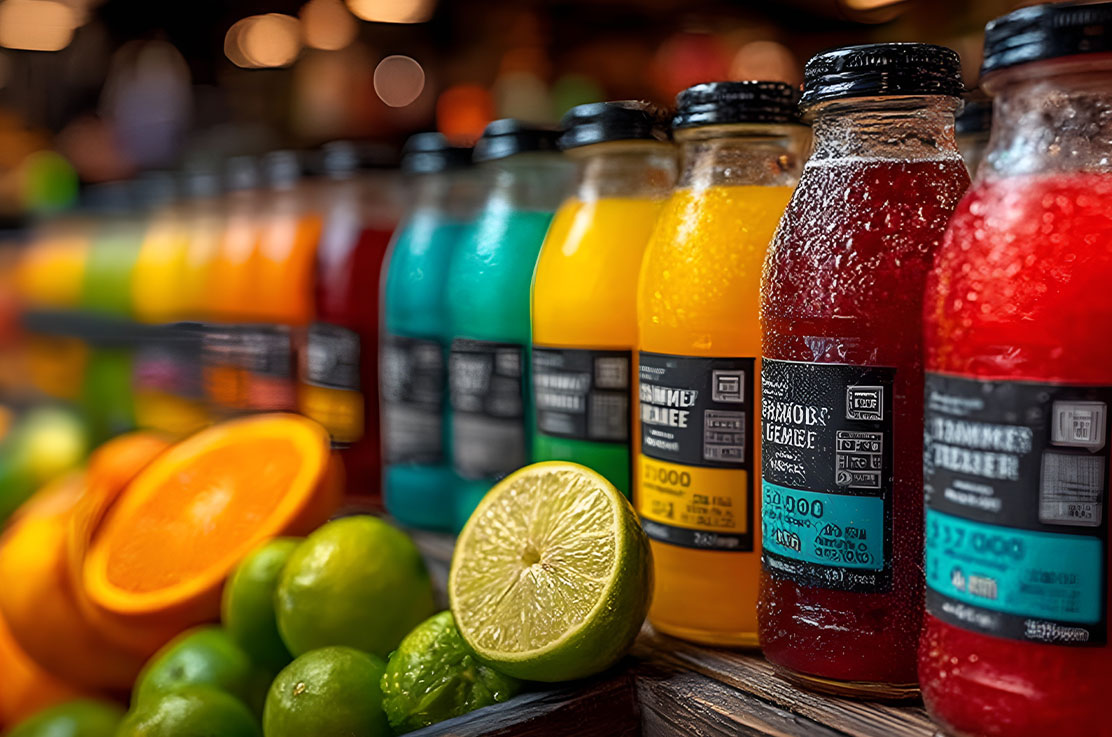
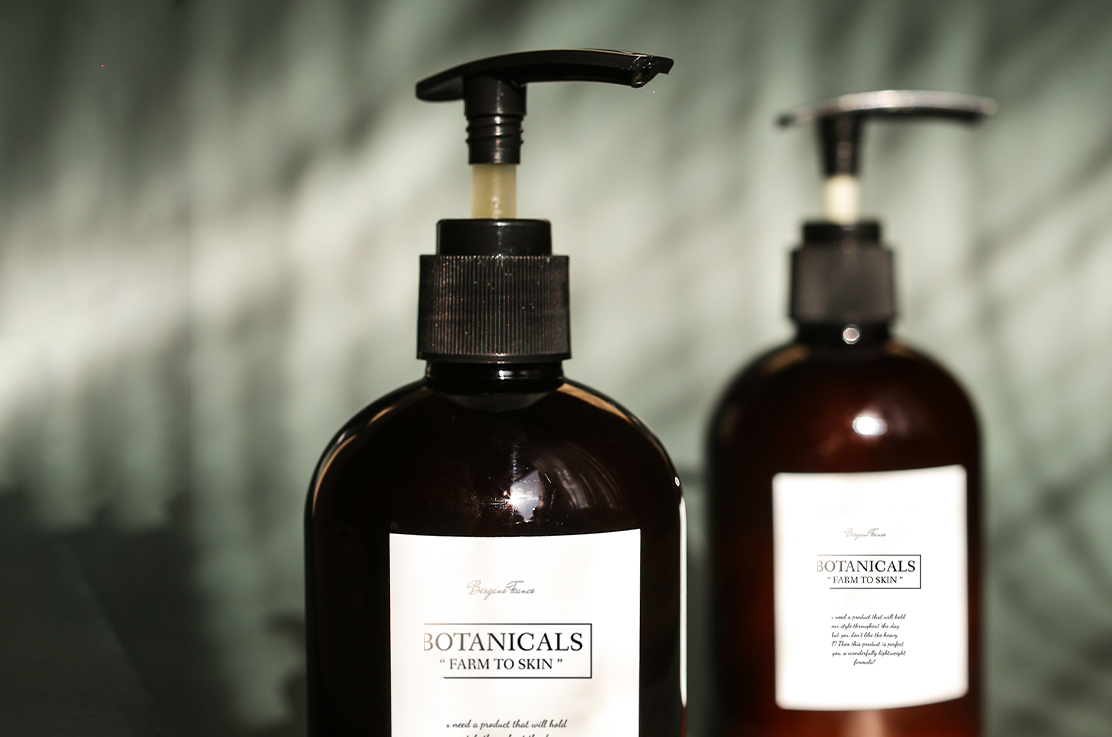
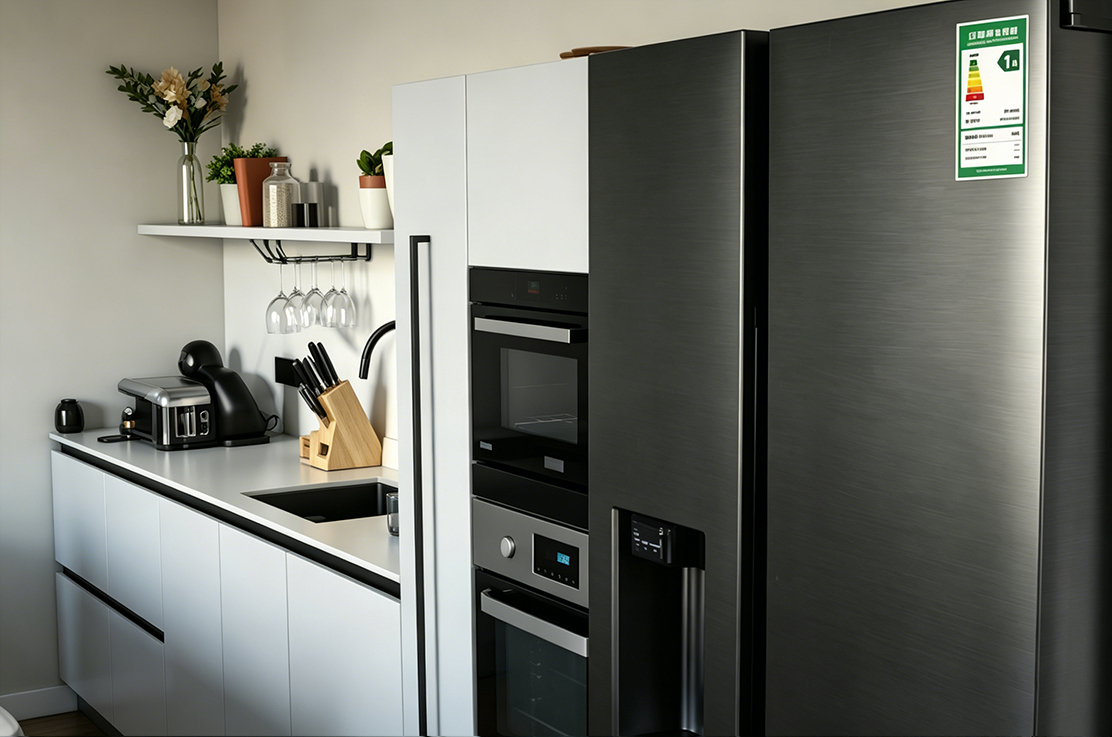
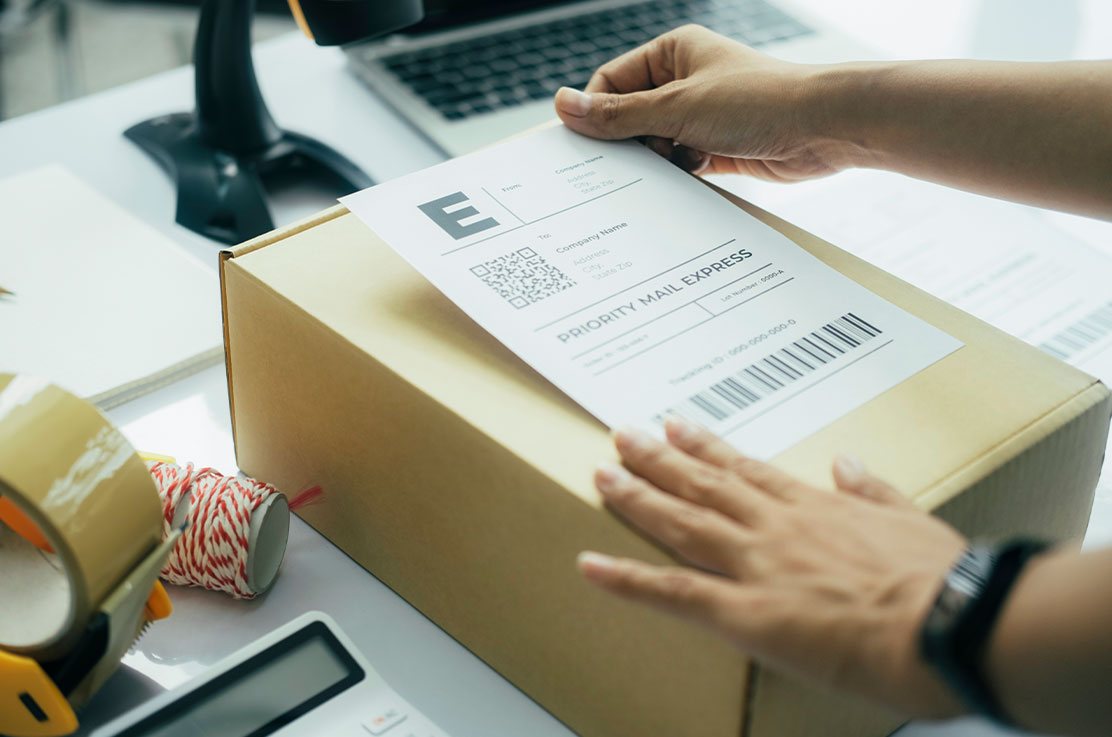
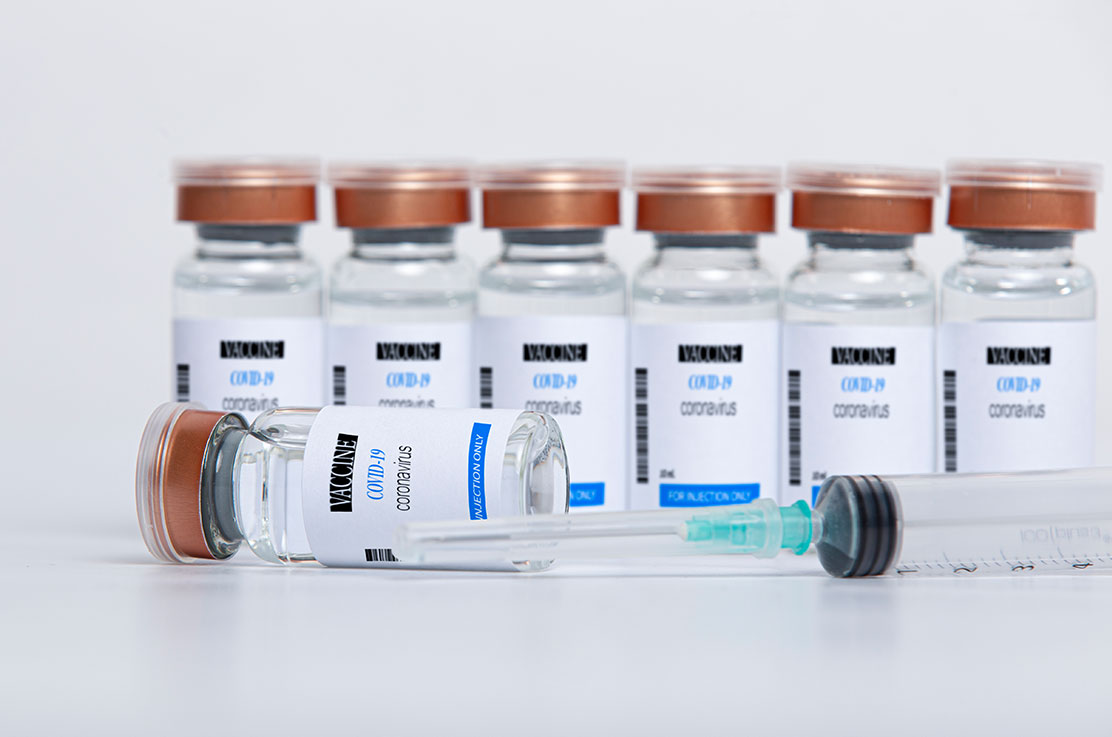 Eco-Friendly Labels, Zero Compromise on Quality
 -
Products
SustainabilityIn the field of non-dry adhesive label materials, we don’t just "produce well"—we go further with environmental protection as our technical and ethical responsibility, turning every label into a "sustainable" carrier.
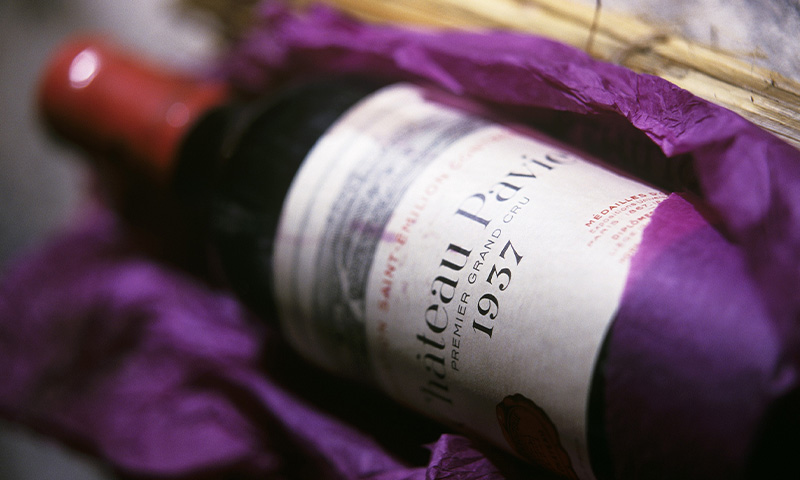
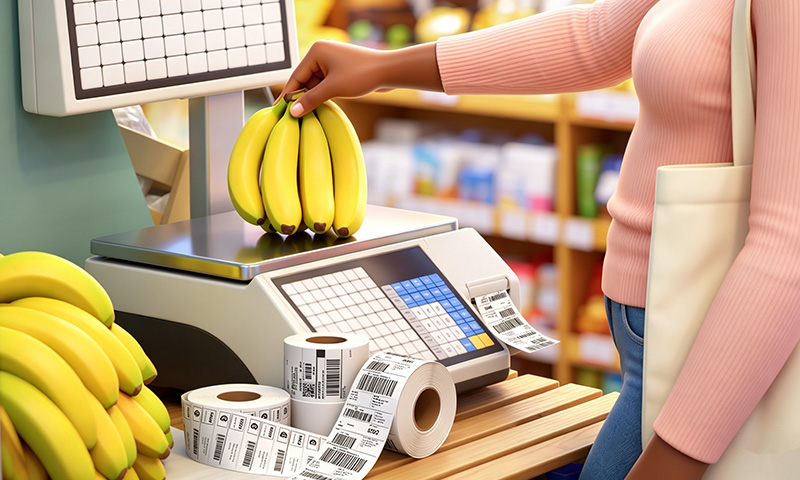
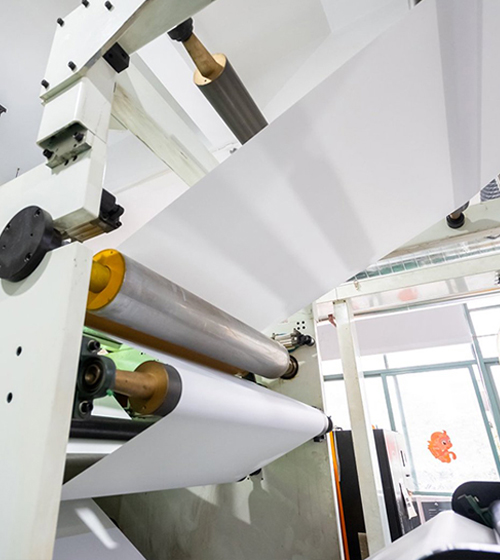 Eco-Friendly Labels, Zero Compromise on Quality
 -
News
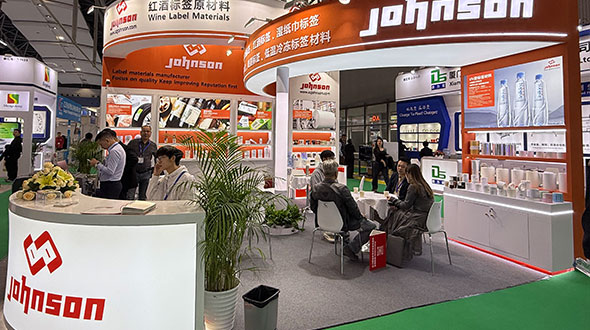 Wine Labelstock Invites You to Labelexpo Asia 2025
From December 2 to 5, 2025, Labelexpo Asia 2025, one of the most significant events in the global label and packaging printing industry, will take place at the Shanghai New International Expo Center. ...
 English
 русский
 Español
Matte Paper Labels: Material Selection Guide for Printers and Brand Owners
Content
- 1 What Exactly Are Matte Paper Labels?
- 2 Key Material Parameters That Decide Matte Paper Performance
- 3 Matte Paper vs. Other Label Stocks: A Practical Comparison
- 4 What to Check Before Buying Matte Paper Labels
- 5 Application-Specific Matte Paper Label Choices
- 6 Frequently Asked Questions About Matte Paper Labels
When a brand asks for quiet, glare-free labels under retail lighting, the conversation almost always lands on matte paper labels. These low-reflective self-adhesive stocks are a staple in upstream label converting, yet the performance difference between a 70gsm uncoated woodfree and an 80gsm semigloss paper can be dramatic in a production run. Printers and packaging buyers need to know exactly which stock holds ink, survives humidity, and matches their adhesive and coating requirements before they commit to a reel.
What Exactly Are Matte Paper Labels?
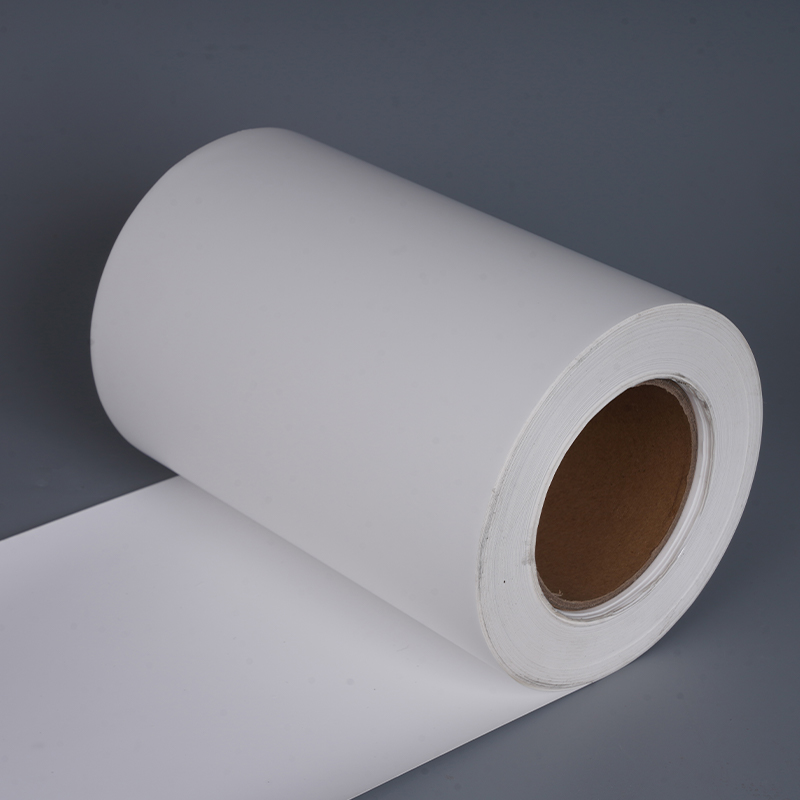
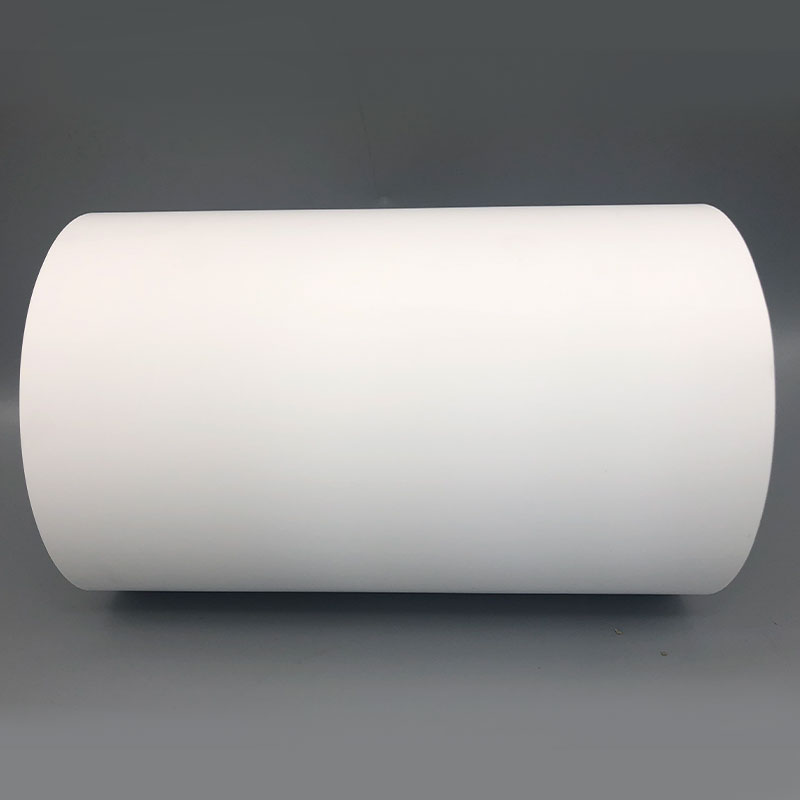
A matte paper label is a self-adhesive label material that uses a non-reflective paper face stock to soften and diffuse light, reducing glare while preserving print detail.
The term covers any paper face stock with a low gloss finish, achieved through the natural fiber structure of uncoated paper or through a special matte coating applied during conversion. In the self-adhesive laminates produced by Shenzhen Johnson New Materials Co., Ltd., matte paper stocks are combined with a hot melt, acrylic, or removable adhesive and a release liner such as glassine, kraft, or PET film.
Common matte paper face stocks include semigloss paper, woodfree paper, matte black paper, and textured printing papers. Their common denominator is visual comfort: the paper absorbs rather than reflects light, which makes barcodes dense, small text legible, and labels look more premium on shelf.
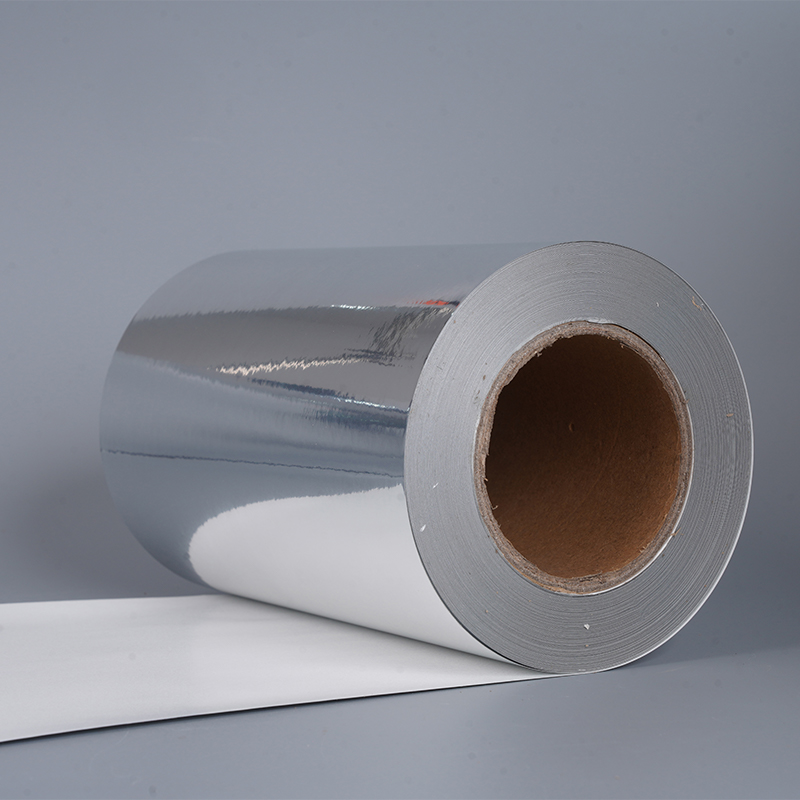
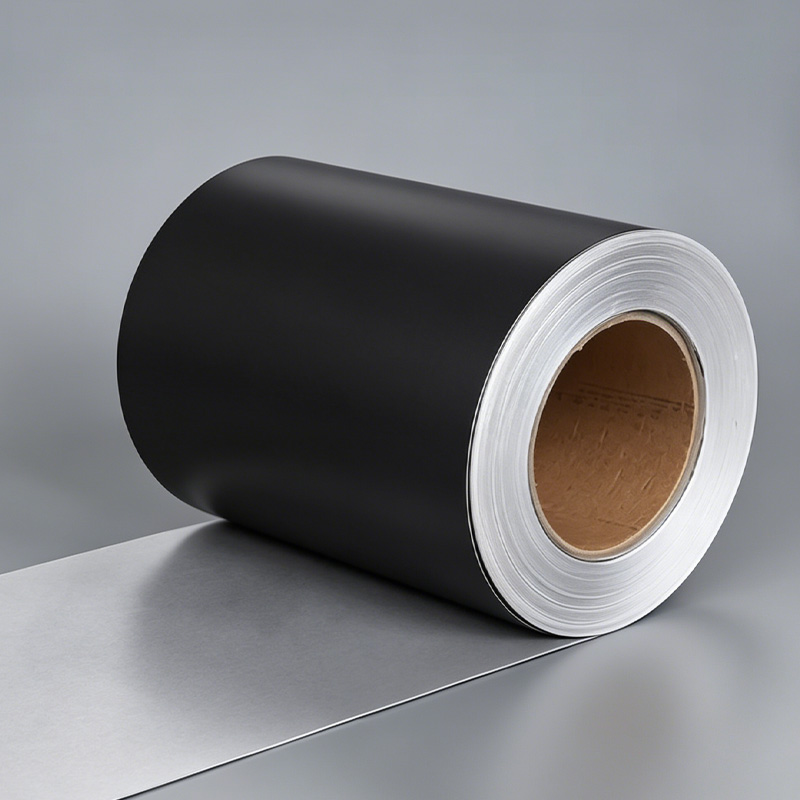 Self-Adhesive Paper Label Materials for Printing and ConvertingThis page presents a range of self-adhesive paper stocks, including semigloss, matte, and metallized variants, suitable for barcode, product, and logistics labels. Explore options that balance print quality, adhesion, and cost for your specific application.View Product →
Key Material Parameters That Decide Matte Paper Performance
The three material parameters that decide matte label performance are face stock basis weight, adhesive type, and surface coating.
Basis weight is the first thing that changes how a matte label feels and runs. In practice, the range used for matte paper labels runs from 70gsm to 120gsm. A 70gsm woodfree paper works for general-purpose labels and low-cost runs. An 80gsm semigloss paper offers a smoother printing surface and is the most common choice for variable-data labels. Heavier stocks such as 100gsm or 120gsm matte black paper provide a thicker, more tactile presence, and are widely used for wine bottle labels where weight communicates quality.
Adhesive type determines how the label behaves during application and in use. Hot melt adhesives give aggressive tack and work well at high speeds on glass or plastic. Acrylic adhesives offer better temperature resistance and are preferred for chilled or frozen goods. Removable adhesive stocks are used where no residue can remain. Choosing the wrong adhesive turns a high-quality matte paper into a rejected reel, so this parameter should always be tested on the actual substrate.
Surface coating can be designed for specific print methods. Heat transfer printing needs a matte surface that accepts resin ribbon ink. Inkjet printing requires a coating that holds liquid ink without bleeding. Laser printing demands thermal stability. The coating also controls the final tactile feel, from raw paper-like touch to a velvety smooth finish.
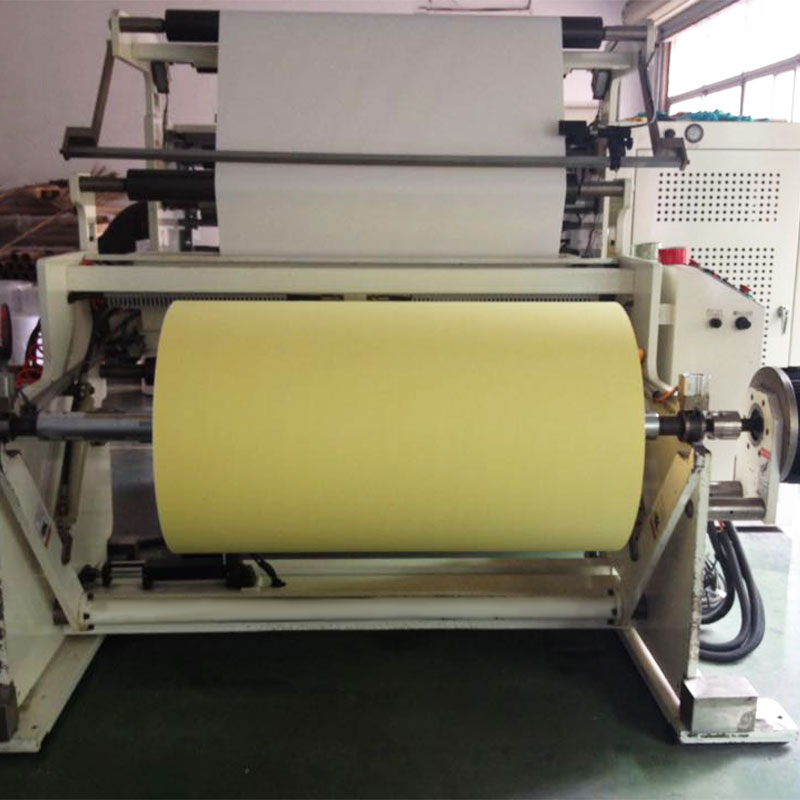 80gsm Semigloss Paper Labels with Hot Melt Adhesive and Yellow LinerPN131H10 offers a semigloss finish that delivers crisp printing for logistics and retail. Its hot melt adhesive ensures reliable application on common packaging, while the yellow silicon liner provides stability. A cost-effective choice for high-volume labeling.View Product →
Matte Paper vs. Other Label Stocks: A Practical Comparison
Matte paper beats gloss paper on readability and trace resistance, costs about 10 to 15 percent less than metallized stocks, and offers a more natural feel than film labels.
When compared in a head-to-head evaluation, matte paper labels hold clear advantages for packaging buyers. Gloss paper is often selected when a shiny surface is part of the brand identity, but it reflects light and can make small text hard to read. Film labels, especially BOPP and PET, offer excellent durability and water resistance, yet they have a synthetic feel and poor recyclability. Metallized paper brings a metallic look but at a higher cost per square meter.
| Property | Matte paper | Gloss paper | Metallized paper | Film label |
| Glare resistance | Excellent | Poor | Good | Good |
| Print sharpness | High | Medium | High | High |
| Relative cost | Medium | Low | High | High |
| Recyclability | High | High | Low | Low |
What to Check Before Buying Matte Paper Labels
Before committing to a matte paper label stock, verify four things: printing method compatibility, adhesive strength, environmental resistance, and release liner quality.
- Printing method compatibility. Run a test print with your actual printer. Some matte papers are optimized for thermal transfer printing, while others are designed for inkjet or laser.
- Adhesive strength. Test both initial tack and final adhesion on your product surface. A matte paper stock that performs perfectly on cardboard can fail on PET bottles.
- Environmental resistance. Matte paper is generally more porous than film. For chilled, humid, or wet environments, request a specifically formulated stock such as frozen-food matte paper or a matte paper with a protective varnish or lamination.
- Release liner quality. The liner affects die-cutting and labelling speed. A 60gsm or 90gsm glassine liner is standard for high-speed application, while a PET release film adds strength for demanding processes.
When hot melt adhesive works
Hot melt adhesives are the default choice for glass bottles, plastic containers, and high-speed application. They grip fast and hold through moderate temperature changes.
When acrylic adhesive is safer
Acrylic adhesives outperform in cold storage and wet environments. They tolerate condensation and remain tacky at temperatures below freezing.
Application-Specific Matte Paper Label Choices
Matte paper labels can be matched to specific end uses by choosing face stock, adhesive, and coating together.
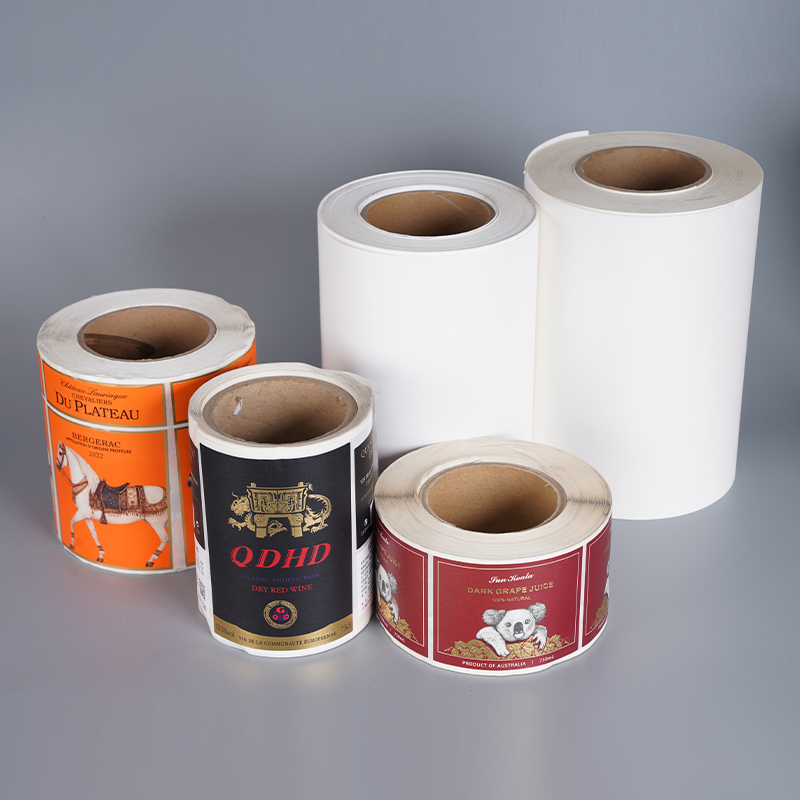
For wine and spirit bottles, the combination of a heavy matte paper face and a strong hot melt adhesive gives the label the right weight and texture. A 120gsm matte black paper is a favourite for premium dark glass packaging, while 100gsm textured papers like martele pattern paper add a tactile richness that communicates artisan production.
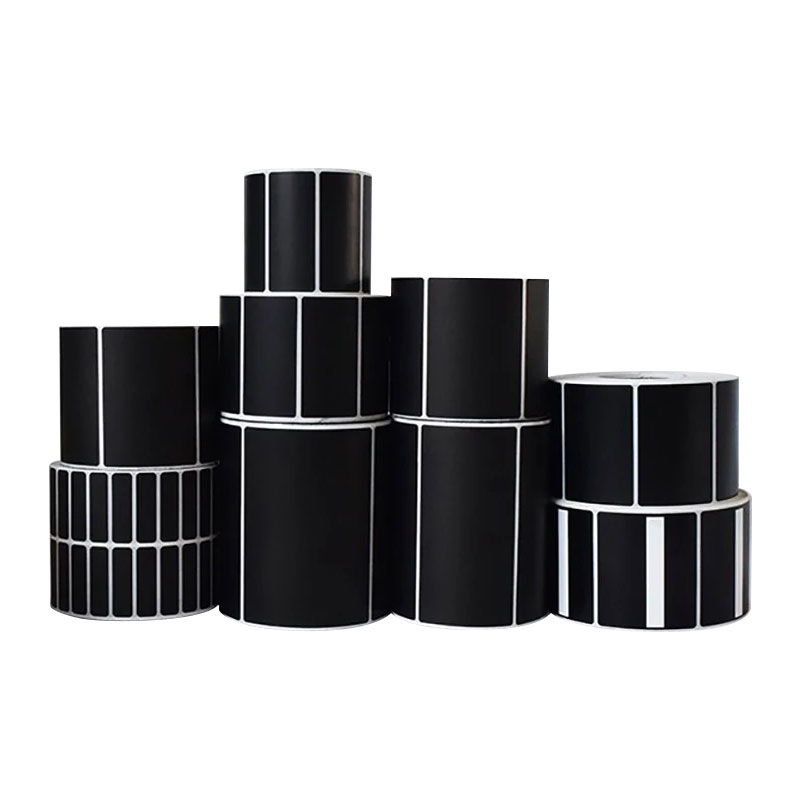 120gsm Matte Black Paper Wine Labelstock with Hot Melt AdhesiveDesigned for premium wine and spirits, this matte black paper label resists condensation and low temperatures. Hot melt adhesive ensures secure bonding even in chilled environments, while the textured surface enhances the premium feel of dark glass bottles.View Product →
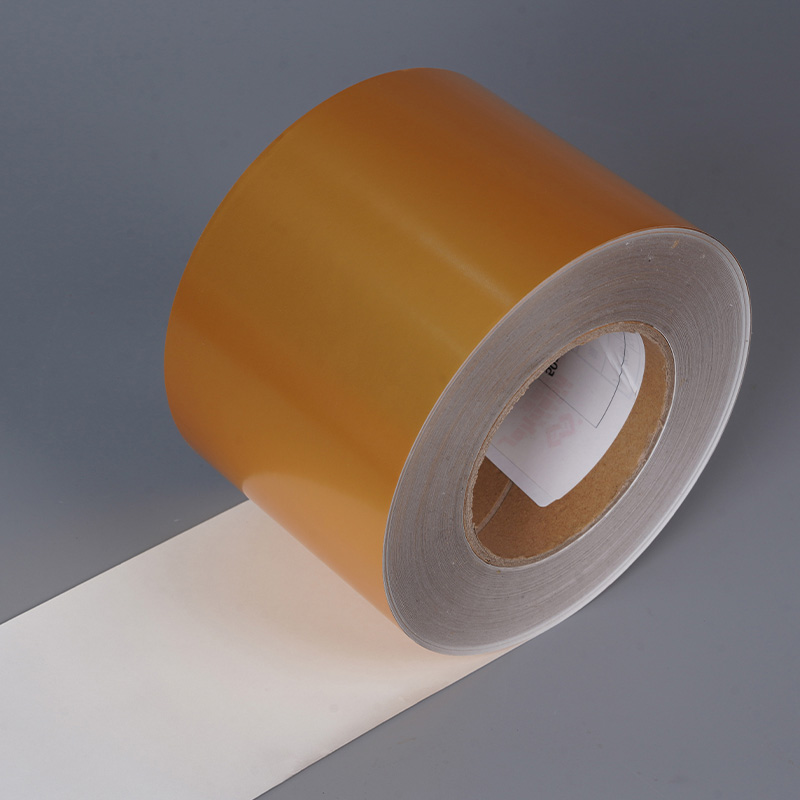
For cosmetics and personal care, matte gold metallized paper labels give the same low-glare finish as matte paper, but with a metallic depth that catches the eye without reflecting harsh light. These labels are usually specified with an acrylic adhesive for compatibility with glass and plastic containers.
For food and beverage packaging, an 80gsm semigloss matte paper paired with hot melt adhesive handles both ambient and refrigerated shelf conditions. In frozen food applications, a dedicated frozen-food paper or film is required because condensation and temperature swings break down standard adhesives.
Frequently Asked Questions About Matte Paper Labels
Can matte paper labels be used for thermal transfer printing?
Yes. Most semigloss and woodfree matte papers are designed for thermal transfer printing. Always check that the coating is compatible with resin or wax-resin ribbons, and run a small batch test before large production.
What is the difference between matte and gloss paper labels?
Matte paper labels have a low-reflective surface that diffuses light, so text stays readable and the surface does not glare. Gloss paper labels have a high-reflective finish that makes colours look brighter, but they show fingerprints and can cause readability issues under direct light.
Are matte paper labels suitable for cold storage?
They can be, but only with the right adhesive. Standard hot melt adhesives tend to lose tack below 0 degrees Celsius. For frozen food and chilled goods, choose a stock with a low-temperature acrylic adhesive or a specifically formulated frozen-food label material.
How long do matte paper labels last on a shelf?
A standard matte paper label with a protective varnish or lamination will keep its appearance for 12 to 24 months under normal indoor conditions. Without protection, the paper surface is more sensitive to moisture and UV light.
Your email address will not be published. Required fields are marked *

Contact Details
TEL: +86-15626470581
E-mail: sales@szjohnson.com
Location
Address: Building 1, Room 201, Zhijianeng High-tech Park, No. 65 Hongyin Road, Lihu Community, Xinhu Street, Guangming District, Shenzhen 518107, Guangdong Province, China
Get In Touch
Copyright © Shenzhen Johnson New Materials Co., Ltd. All Rights Reserved.
Wholesale Self Adhesive Paper Manufacturers Adhesive Label Roll Factory