
-
About Us
Why Choose Us?We are equipped with advanced high-speed adhesive coating lines, boasting a monthly production capacity of 20 million square meters. These machines support both hot melt and acrylic adhesive applications, enabling us to ensure fast delivery and consistent quality while meeting the diverse needs of the market. Our sales team works closely with you to fully understand your specific requirements.
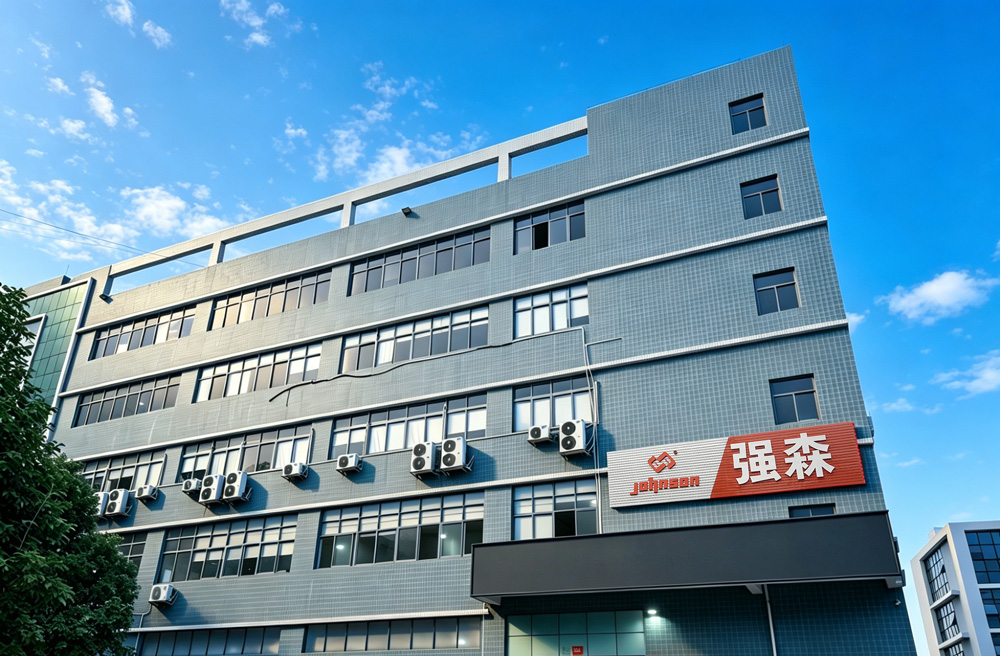 Coming From China, Marketing To The World.
 -
Solutions
Professional Label Material SolutionsAt Johnson, we understand that every industry faces unique labeling challenges. With 20 years of specialized expertise and strong R&D capabilities, we provide more than just materials — we deliver customized solutions that ensure “process compatibility, scenario suitability, and rapid delivery.
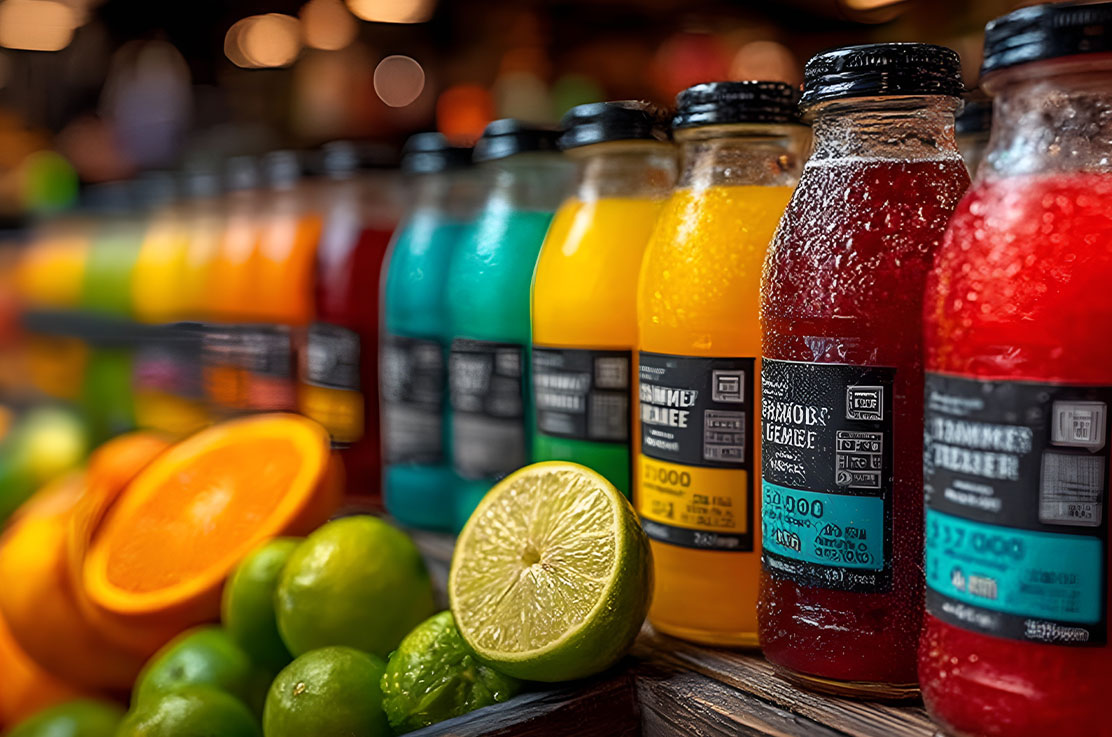
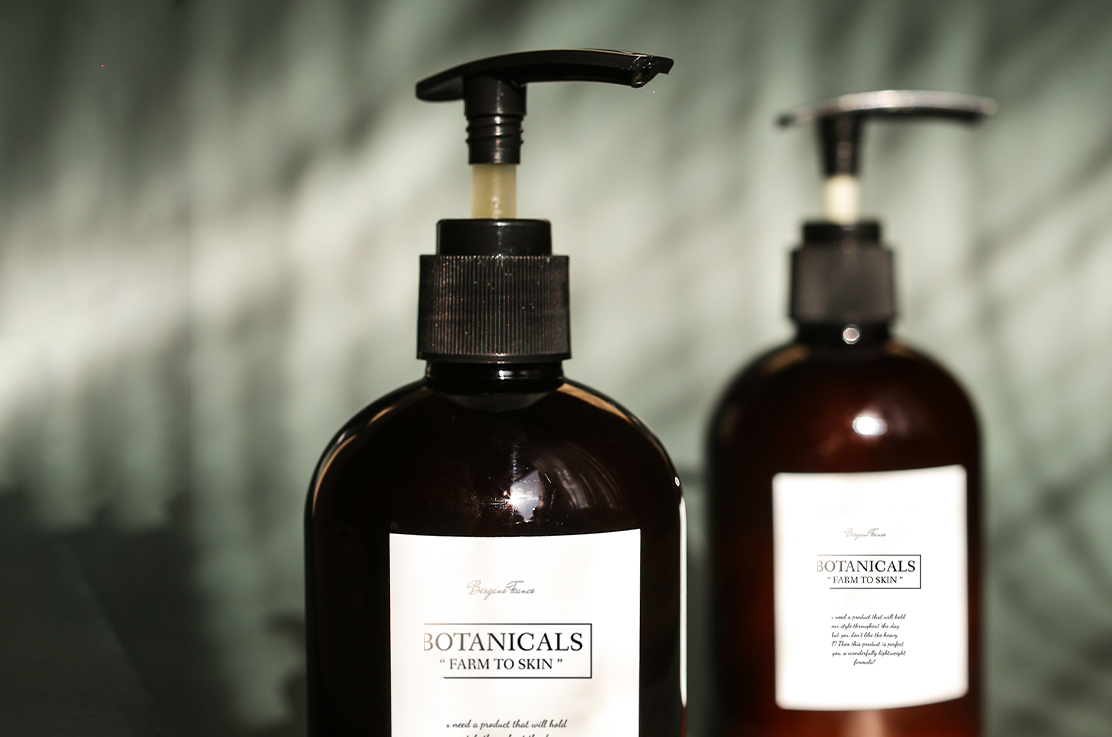
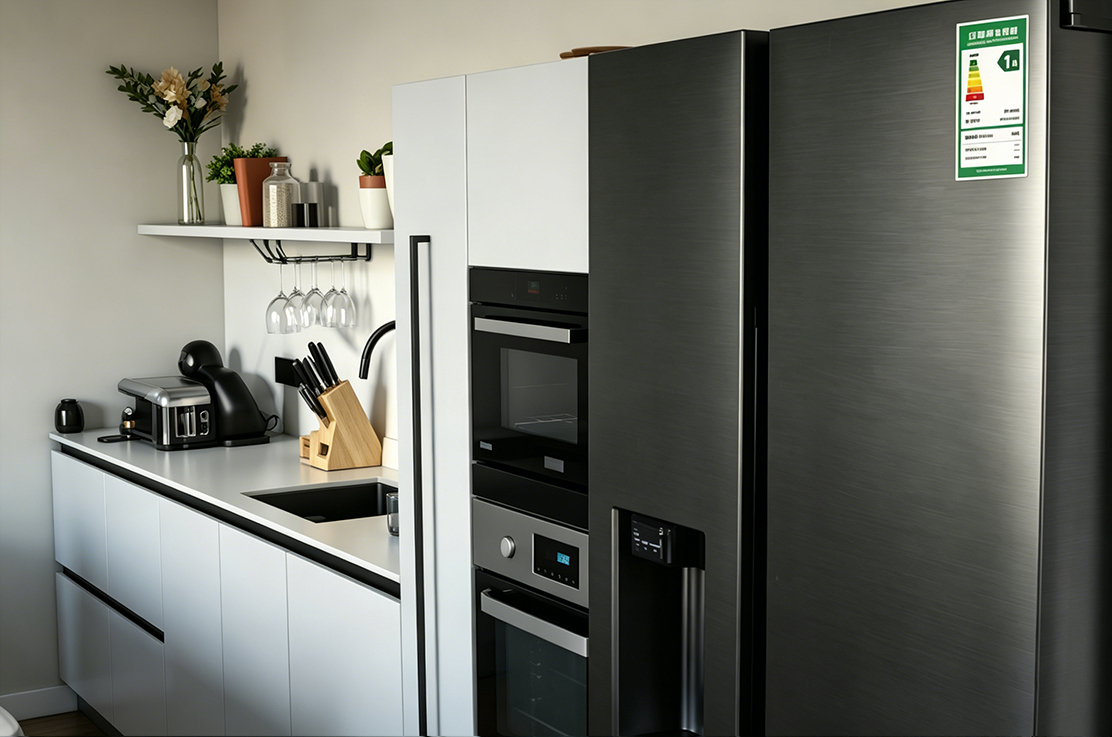
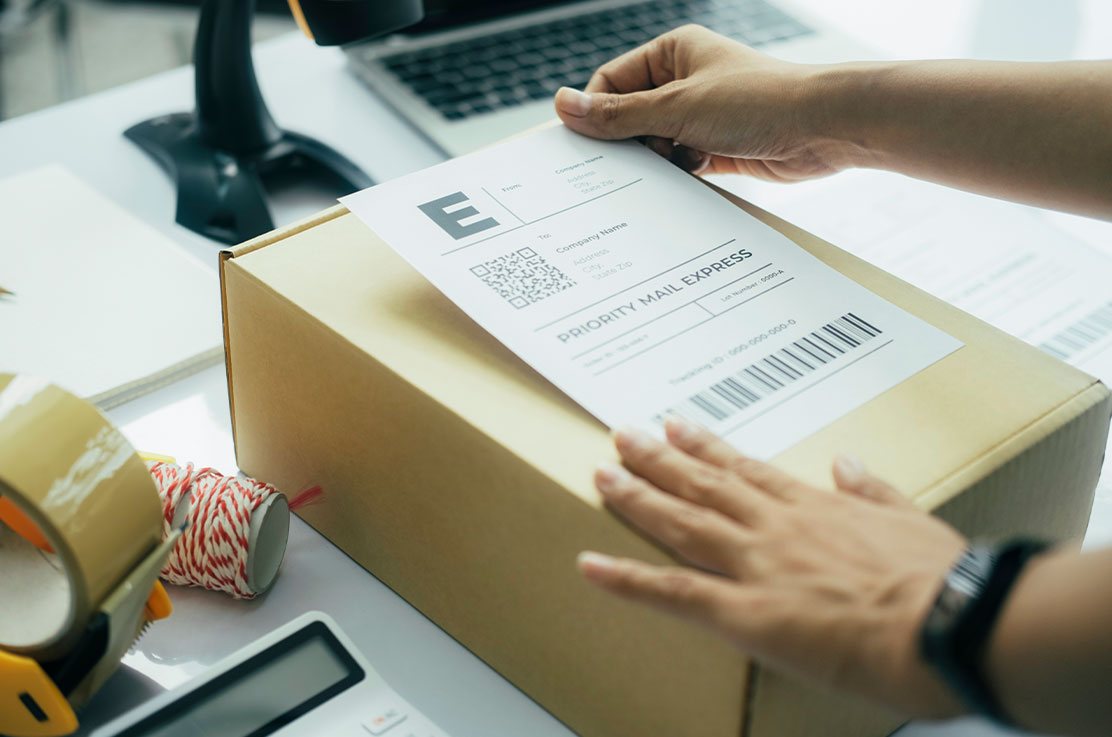
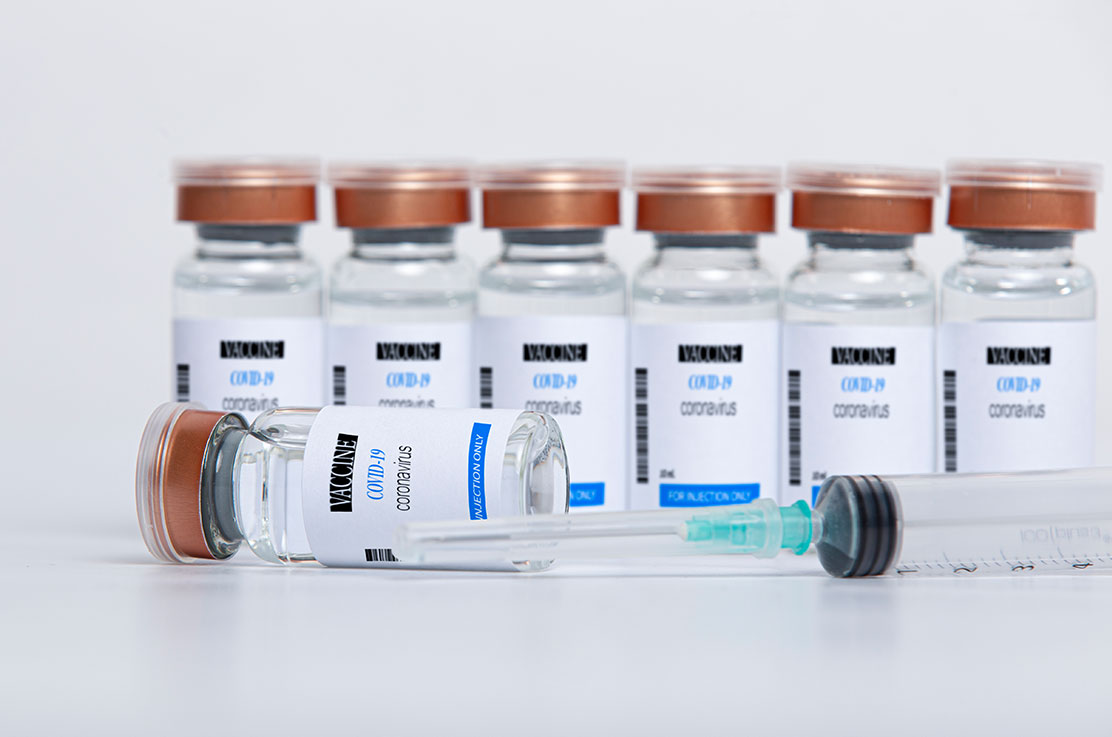 Eco-Friendly Labels, Zero Compromise on Quality
 -
Products
SustainabilityIn the field of non-dry adhesive label materials, we don’t just "produce well"—we go further with environmental protection as our technical and ethical responsibility, turning every label into a "sustainable" carrier.
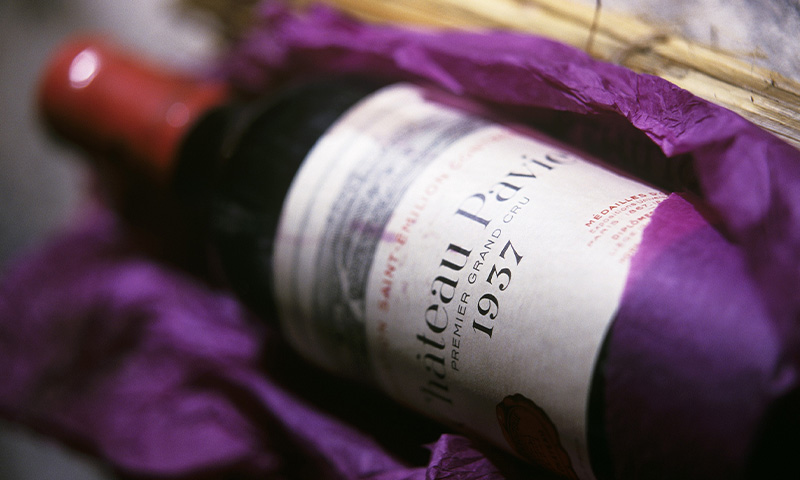
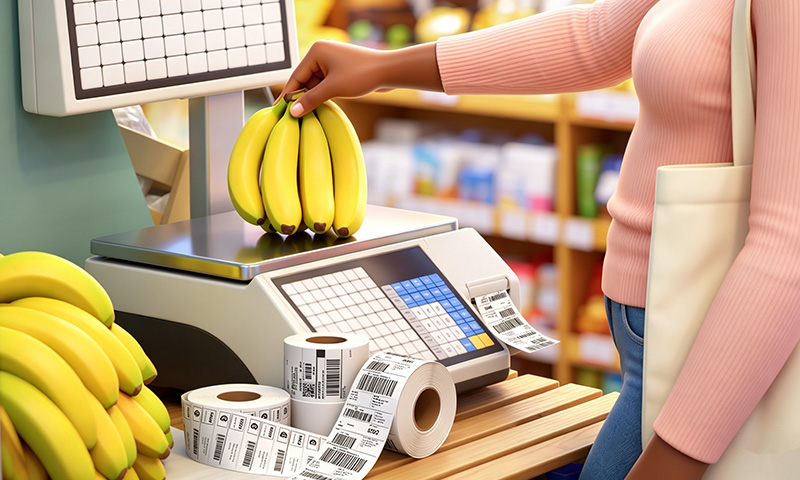
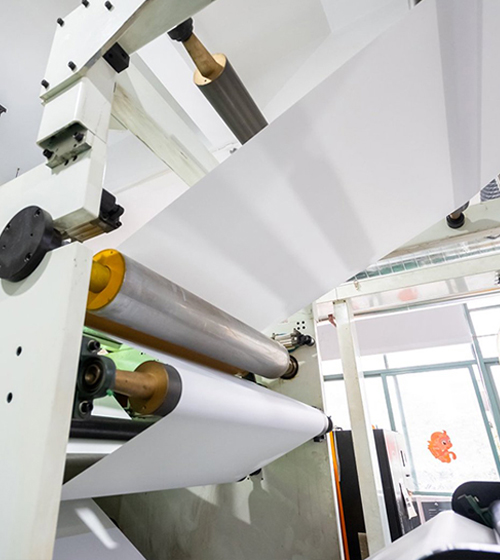 Eco-Friendly Labels, Zero Compromise on Quality
 -
News
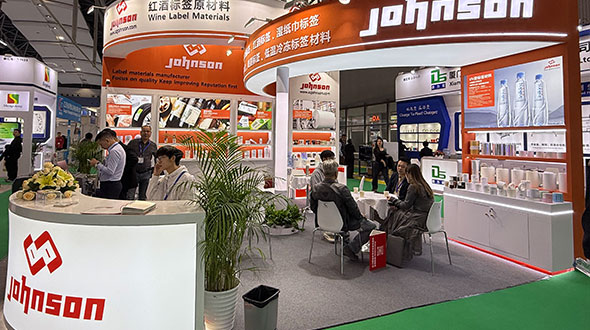 Wine Labelstock Invites You to Labelexpo Asia 2025
From December 2 to 5, 2025, Labelexpo Asia 2025, one of the most significant events in the global label and packaging printing industry, will take place at the Shanghai New International Expo Center. ...
 English
 русский
 Español
Inkjet Label Paper for Inkjet Printers: A Practical B2B Buyer's Selection Guide
Content
- 1 What Makes Label Paper for Inkjet Printers Different
- 2 Four Specifications to Check in Label Paper for Inkjet Printers
- 3 Common Inkjet Label Failures and Their Root Causes
- 4 Choosing Label Paper for Inkjet Printer Applications
- 5 How a Label Stock Manufacturer Supports Your Inkjet Workflow
- 6 Frequently Asked Questions
Label paper for inkjet printer runs fails at the coating step more often than at the printhead. A 90gsm inkjet glossy paper with uneven coating chemistry will turn a 5,000-label production run into 5,000 blurred sheets, and no driver profile or printhead cleaning routine can recover it. The decision that matters is made before the roll is loaded: matching the face material's absorbency, the adhesive's working range, and the liner's stiffness to the application the label has to survive.
What Makes Label Paper for Inkjet Printers Different
An inkjet-compatible label face is one whose coating is engineered to absorb water-based, pigment, or dye ink at a rate that holds dot sharpness while preventing lateral wicking. This is a chemical and physical specification, not a marketing term, and it is the first parameter to verify when comparing label paper for inkjet printer use.
Why the Coating Is the Real Interface
An uncoated paper surface is too rough and porous for inkjet. Droplets pool in fiber valleys, wick along the grain, and dry unevenly, producing washed-out images with irregular density. An inkjet-specific coating closes those valleys, introduces a controlled pore structure, and adds sizing agents that hold ink near the surface. The result is sharper edges, higher optical density, and consistent color reproduction across the run.
Paper Faces vs Film Faces
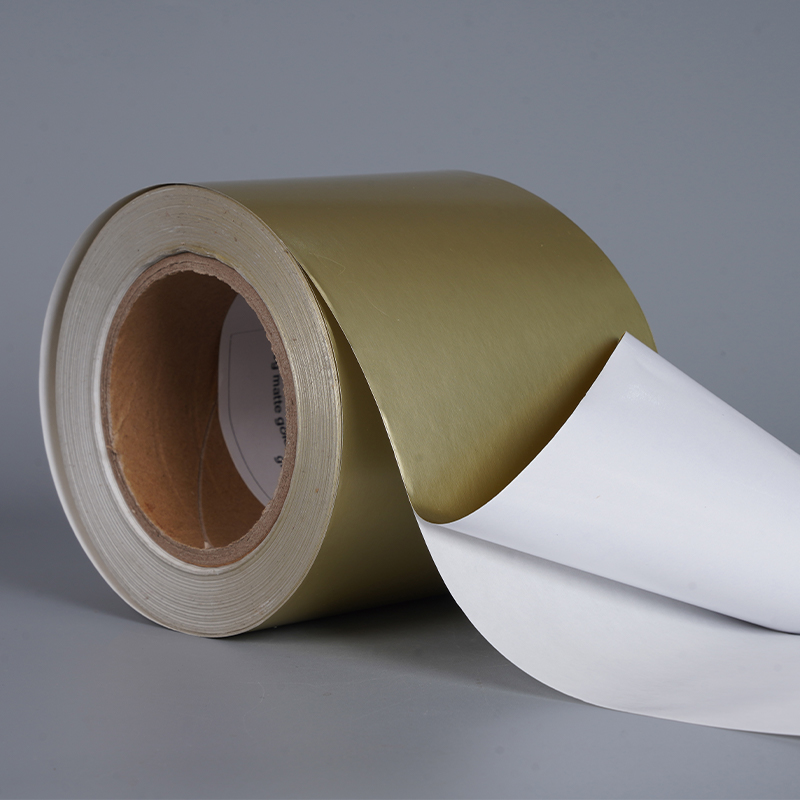
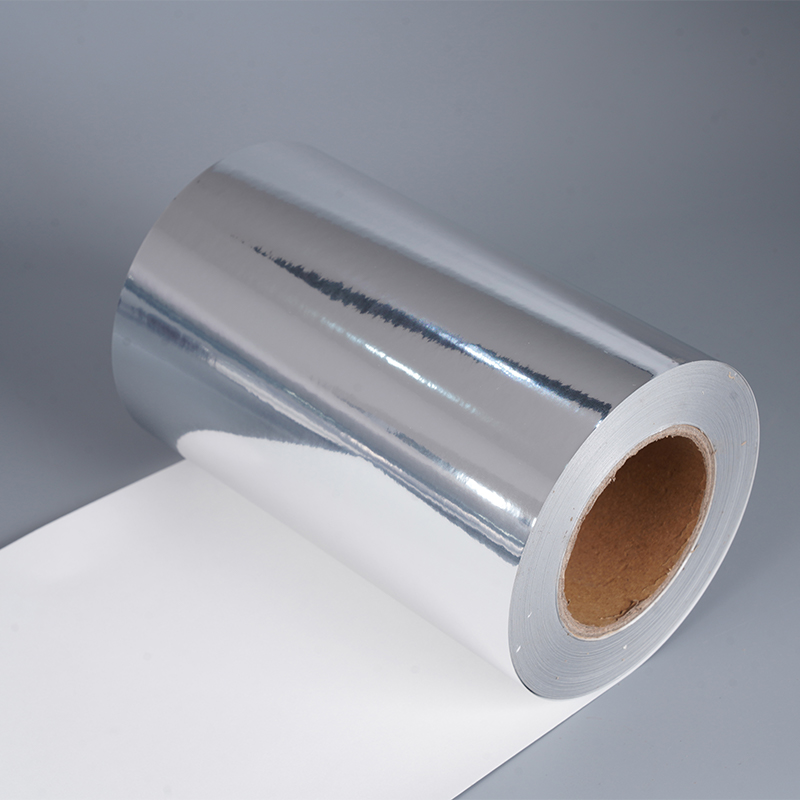
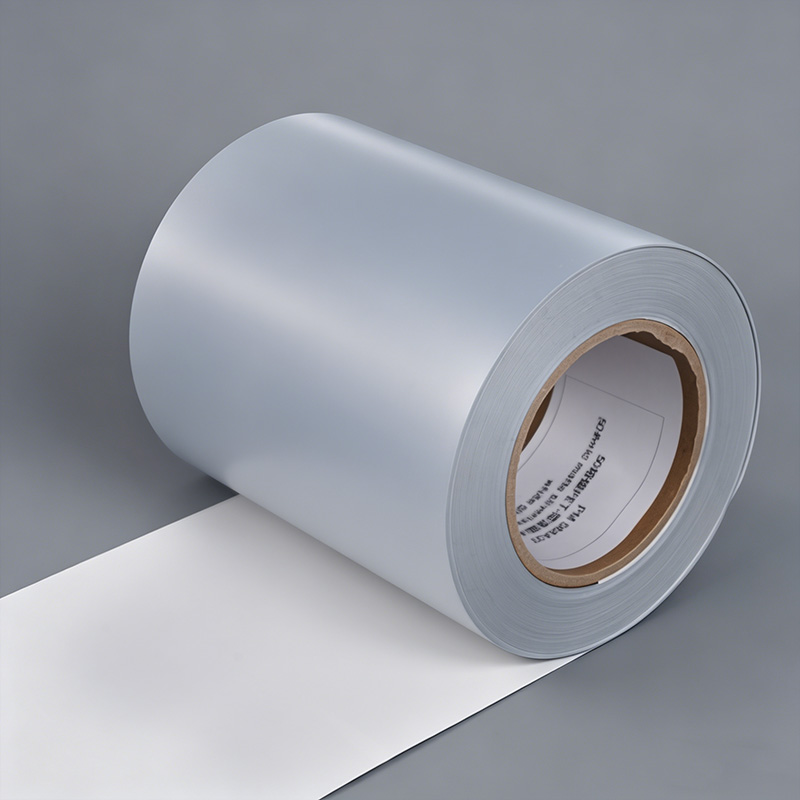
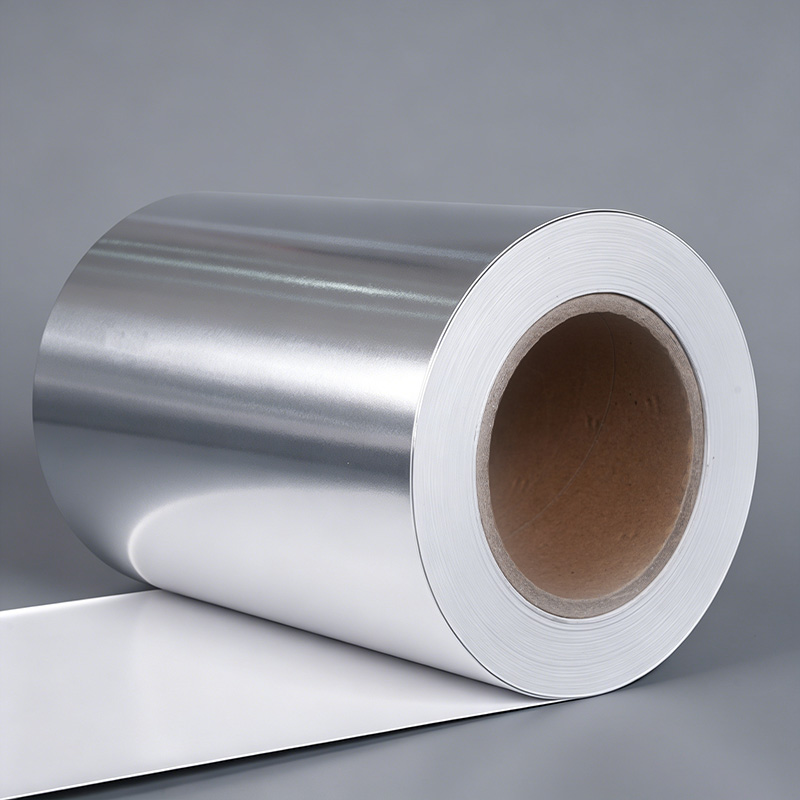
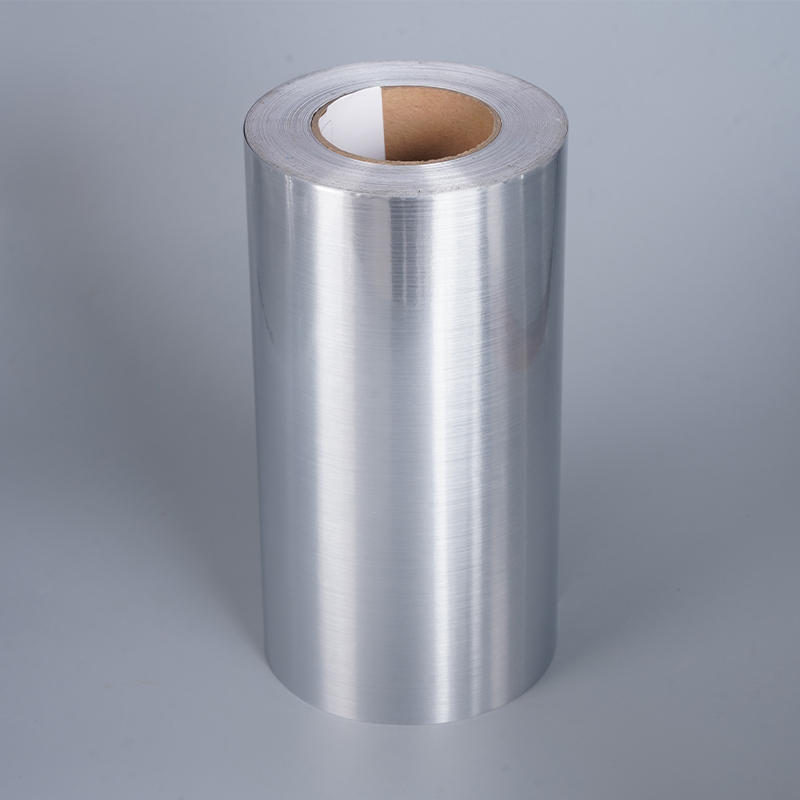
Paper faces such as 90gsm inkjet glossy paper remain the most economical and produce excellent color output for dry indoor environments. Film faces such as inkjet matte silver PET trade a higher unit price for water resistance, chemical tolerance, and a premium metal finish that lifts perceived brand value. Both are legitimate options; the decision belongs to the end-use environment, not to the printer.
Coating chemistry and pore structure decide roughly 80 percent of the printed result. Printer, driver, and ICC profile only fine-tune what the material already allows.
Four Specifications to Check in Label Paper for Inkjet Printers
When sourcing label paper for inkjet printer operations, four specifications determine whether the batch runs cleanly or ends in material waste and customer rejections.
| Specification | What to Verify | Decision Impact |
| Face material and coating | GSM or micron rating, coating type | Drying speed, dot gain, outdoor durability |
| Adhesive class | Hot melt, acrylic, or removable | Working temperature, removal strength |
| Liner composition | Glassine 60-90gsm or PET 30-50 micron | Die-cutting, curl behavior, web feeding |
| Print compatibility | Inkjet only or inkjet-laser dual | Printer chemistry, speed, duty cycle |
Common Inkjet Label Failures and Their Root Causes
The most frequent inkjet label failures trace back to one of three root causes: coating mismatch, liner tension problems, or moisture imbalance between the face and the liner.
- Ink smudging: the coating is too porous or the printhead temperature is below the ink's setting threshold.
- Ink bleeding: the coating has no size layer, so ink migrates along the paper fibers and loses edge definition.
- Curling after printing: moisture loss from the face creates a tension mismatch with the liner, which is especially noticeable in narrow rolls.
- Adhesive residue on the die cutter: release force is too high or the adhesive is too aggressive for the conversion process.
Print clarity comparison by face material
Scores from internal print trials using a 1200 dpi inkjet press
Choosing Label Paper for Inkjet Printer Applications
The application defines the material. Labels used in logistics do not need the same chemical resistance as cosmetic packaging, and choosing differently reduces both cost and risk.
Paper Faces for Logistics and General Use
For general shipping and retail labelling, 90gsm inkjet glossy paper delivers the best balance of print quality and material cost. These faces excel indoors, feed reliably through desktop and production presses, and are easy to convert. If your operation runs high volumes of variable data, choose a paper face with a tighter coating specification to reduce dot gain and keep barcodes scannable. Many logistics label applications also require adhesive performance that is matched to the surface geometry and temperature range of the package.
Film Faces for Cosmetics, Beverages, and Food
Film faces such as inkjet matte silver PET are the alternative when the label has to survive moisture, temperature shock, or frequent handling. In cosmetics and food and beverage label processing, a film face with a moisture-resistant coating prevents the look of smudged typography and preserves brand integrity throughout the supply chain. The trade-off is a higher unit cost, but it is justified when a luxury finish or functional resistance is part of the brand promise.
Paper faces
- Lower unit cost
- Recyclable
- Excellent in dry environments
- Susceptible to moisture
Film faces
- Water and chemical resistance
- Premium aesthetic finishes
- Better dimensional stability
- Higher unit cost
Rule of thumb: if the label must survive water, condensation, or oily surfaces, choose a film face. If it lives and dies in a dry warehouse, a paper face will save money without sacrificing print quality.
How a Label Stock Manufacturer Supports Your Inkjet Workflow
A manufacturer that runs its own coating line can change the variables that matter and support your process with material workability data, not just a spec sheet. At Shenzhen Johnson New Materials, we have operated coating lines for over 20 years, with a monthly capacity of 20 million square meters and both hot melt and acrylic adhesive systems.
Our inkjet-laser printable materials are produced in-house, which means coating weight, adhesive formulation, and liner selection can be adjusted to match your printer model and the environment in which the label must perform. We batch-test absorbency, release force, and print density before shipment, so the material arrives ready for your press rather than becoming a variable you have to manage.
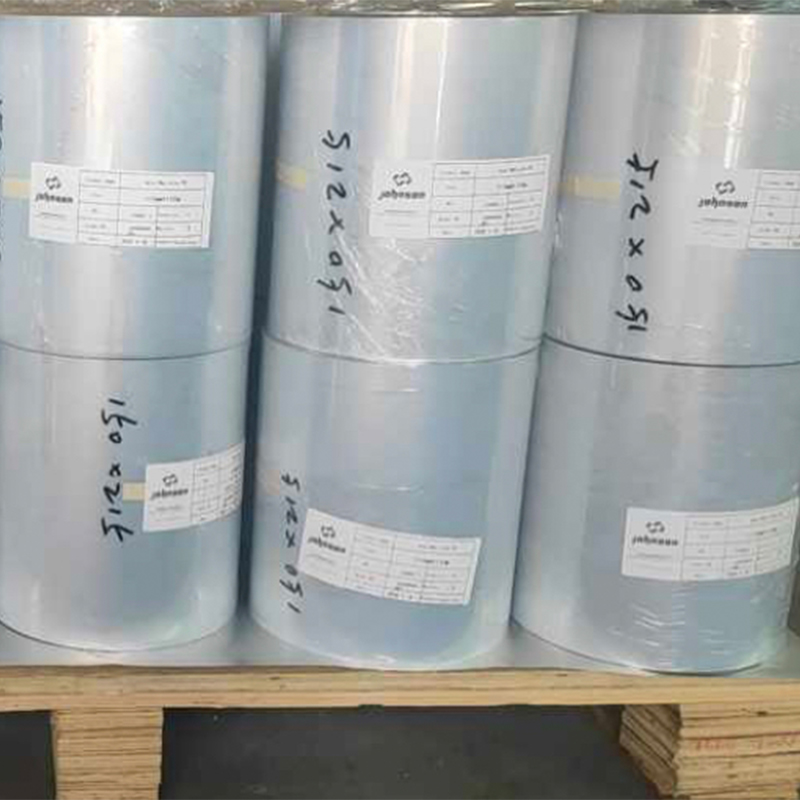
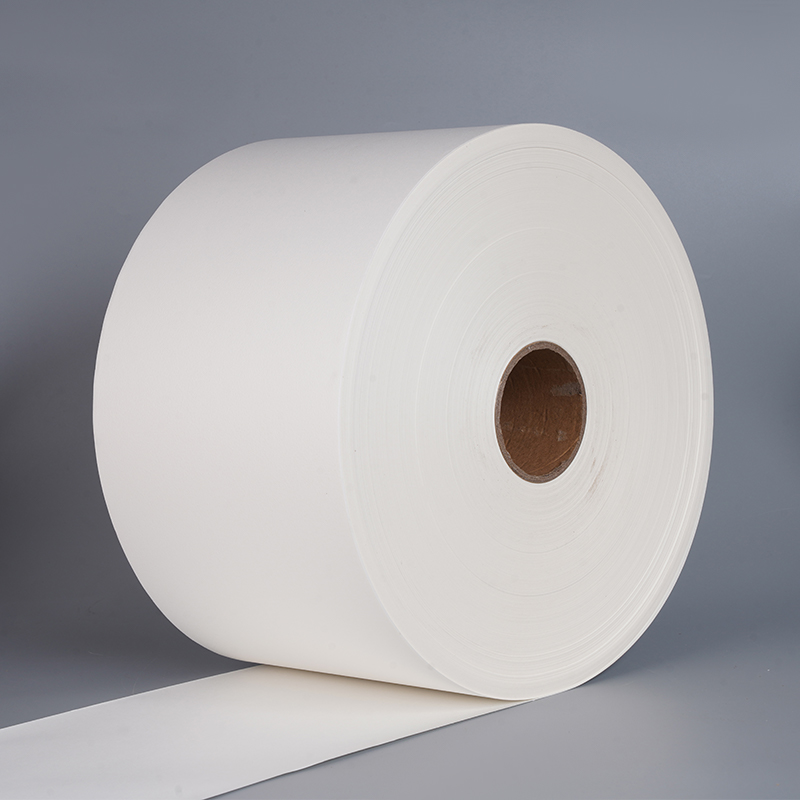
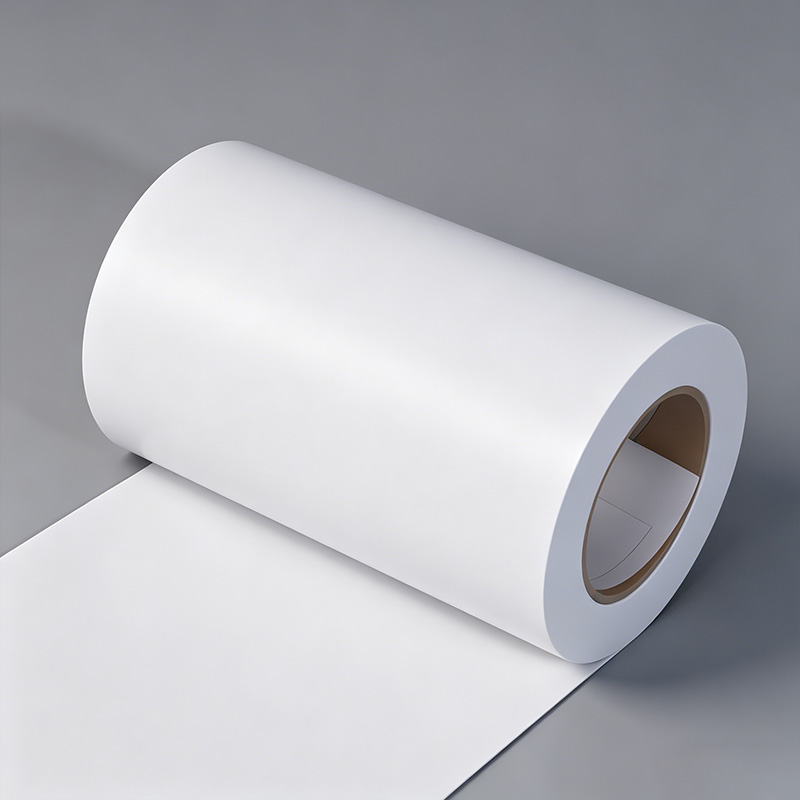
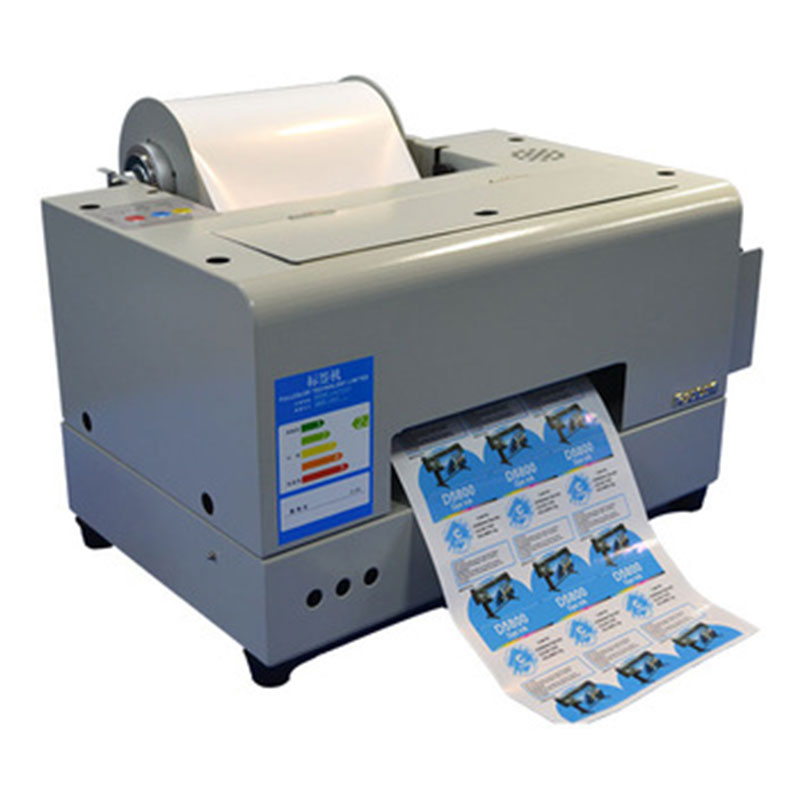 90gsm Inkjet Glossy Paper Label Material for Pigment and Dye InksA coated glossy paper with fast ink absorption and sharp image quality, suitable for product labels, warehousing, and logistics. Its stiffness supports automatic labeling and die-cutting, making it a cost-effective choice for detailed inkjet printing.View Product →
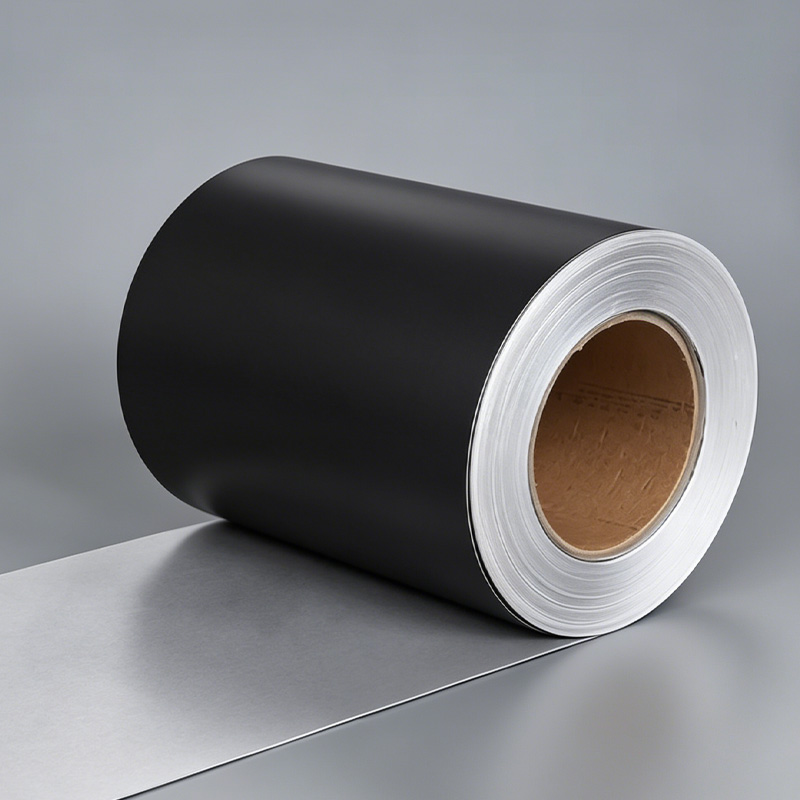
  Matte Silver PET Inkjet Label Material with UV Acrylic AdhesiveThis 80mic matte silver PET film offers a metallic finish with scratch and moisture resistance. Designed for inkjet printing, it suits electronics and product labeling where durability and premium appearance are needed. Compatible with pigment and dye inks.View Product →
When the label stock manufacturer is also the coater, the customer gets a single accountable source for the performance chain. That matters more in inkjet than in any other printing process.
Frequently Asked Questions
What is the best label paper for an inkjet printer?
The best label paper for an inkjet printer depends on the application. For general retail and logistics use, a 90gsm inkjet glossy paper delivers excellent print results at a lower material cost. For applications that need moisture resistance or a premium metallic finish, an inkjet printable matte silver PET film is the stronger choice.
Why does my inkjet label paper smear?
Smearing usually means the face coating is too porous for the ink volume being printed, or the printhead temperature is too low for the ink to set. Reduce print density, confirm the coating is engineered for inkjet, and test a film-based face if contamination or water exposure is part of the label end-use.
Can I use the same label paper for laser and inkjet printers?
Some faces are dual-compatible and marketed as inkjet-laser printable. However, the coating that optimizes laser toner fusing differs from the coating that controls inkjet droplet absorption. Running a laser-only stock through an inkjet press will produce poor ink setting, so always verify the label stock is explicitly certified for the process you use.
What does inkjet-laser printable really mean?
It means the face material has a coating chemistry designed to perform under both printing technologies. Water-based ink dries fast and laser toner fuses without delamination. Check the manufacturer specification sheet and request test rolls before committing to a full pallet.
Your email address will not be published. Required fields are marked *
Contact Details
TEL: +86-15626470581
E-mail: sales@szjohnson.com
Location
Address: Building 1, Room 201, Zhijianeng High-tech Park, No. 65 Hongyin Road, Lihu Community, Xinhu Street, Guangming District, Shenzhen 518107, Guangdong Province, China
Get In Touch
Copyright © Shenzhen Johnson New Materials Co., Ltd. All Rights Reserved.
Wholesale Self Adhesive Paper Manufacturers Adhesive Label Roll Factory