
-
About Us
Why Choose Us?We are equipped with advanced high-speed adhesive coating lines, boasting a monthly production capacity of 20 million square meters. These machines support both hot melt and acrylic adhesive applications, enabling us to ensure fast delivery and consistent quality while meeting the diverse needs of the market. Our sales team works closely with you to fully understand your specific requirements.
 Coming From China, Marketing To The World.
 -
Solutions
Professional Label Material SolutionsAt Johnson, we understand that every industry faces unique labeling challenges. With 20 years of specialized expertise and strong R&D capabilities, we provide more than just materials — we deliver customized solutions that ensure “process compatibility, scenario suitability, and rapid delivery.
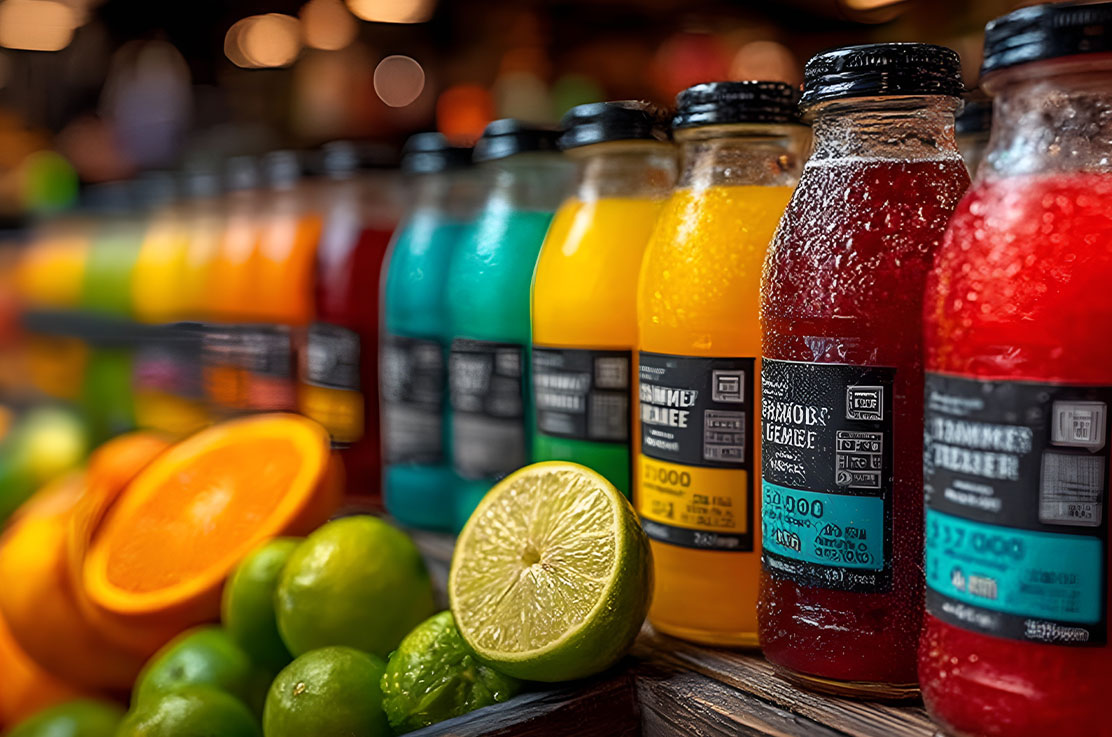
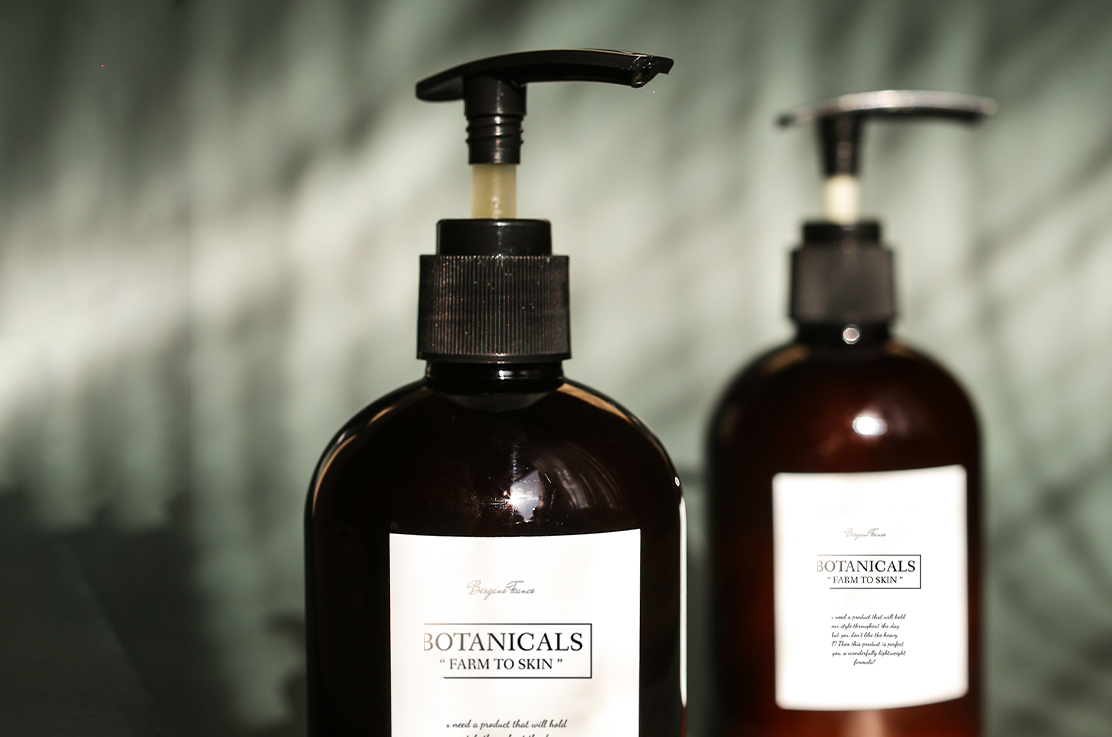

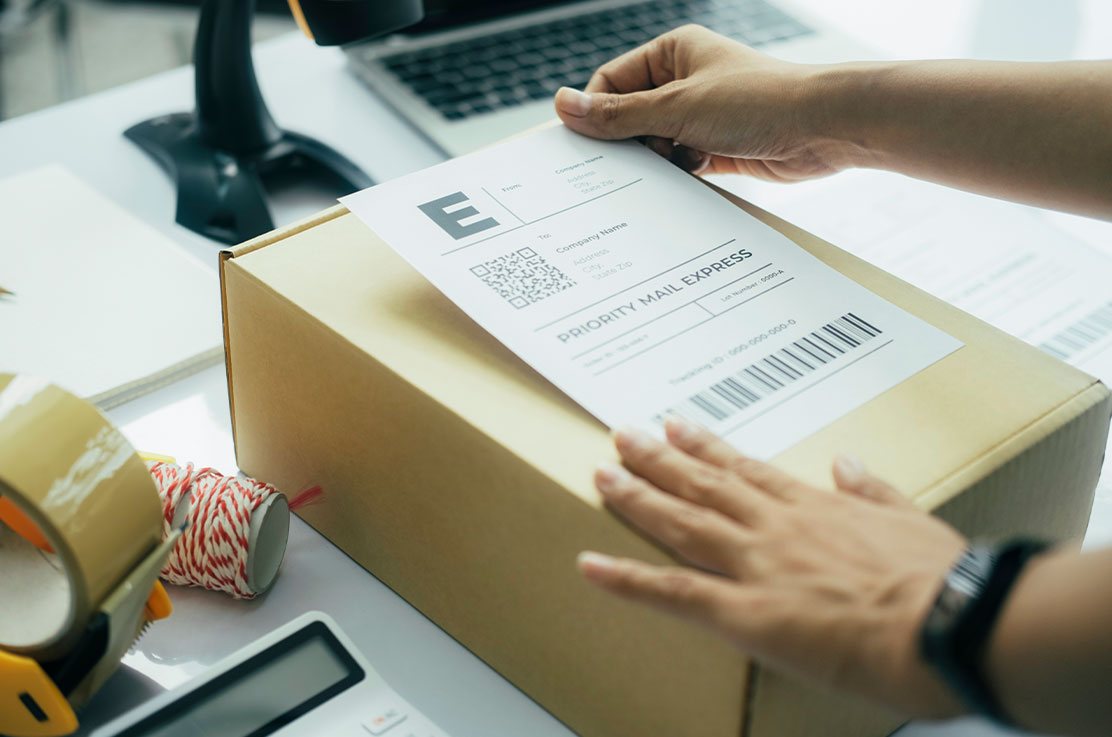
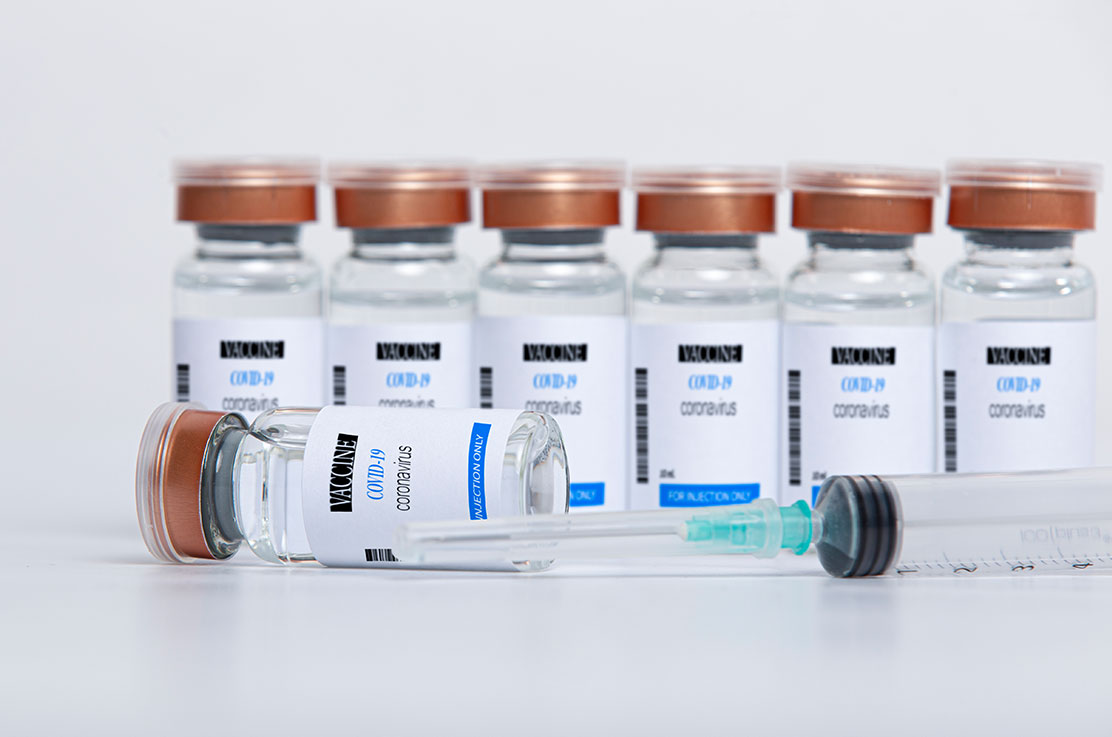 Eco-Friendly Labels, Zero Compromise on Quality
 -
Products
SustainabilityIn the field of non-dry adhesive label materials, we don’t just "produce well"—we go further with environmental protection as our technical and ethical responsibility, turning every label into a "sustainable" carrier.
 Eco-Friendly Labels, Zero Compromise on Quality
 -
News
 Wine Labelstock Invites You to Labelexpo Asia 2025
From December 2 to 5, 2025, Labelexpo Asia 2025, one of the most significant events in the global label and packaging printing industry, will take place at the Shanghai New International Expo Center. ...
 English
 русский
 Español
How to Choose Linerless Labels Manufacturers: A Practical Performance Guide
Content
Every packaging line that runs conventional pressure-sensitive labels produces a steady stream of silicone-coated backing paper. Some operations treat it as a trivial by-product; others calculate what it costs to store, handle, and recycle. Linerless labels eliminate that stream at the source. They are now common in logistics, shelf labeling, and an increasing share of the food and beverage sector. The challenge is that not every supplier who offers linerless products actually manufactures them with the precision the format demands.
What Linerless Labels Are and Why the Format Works
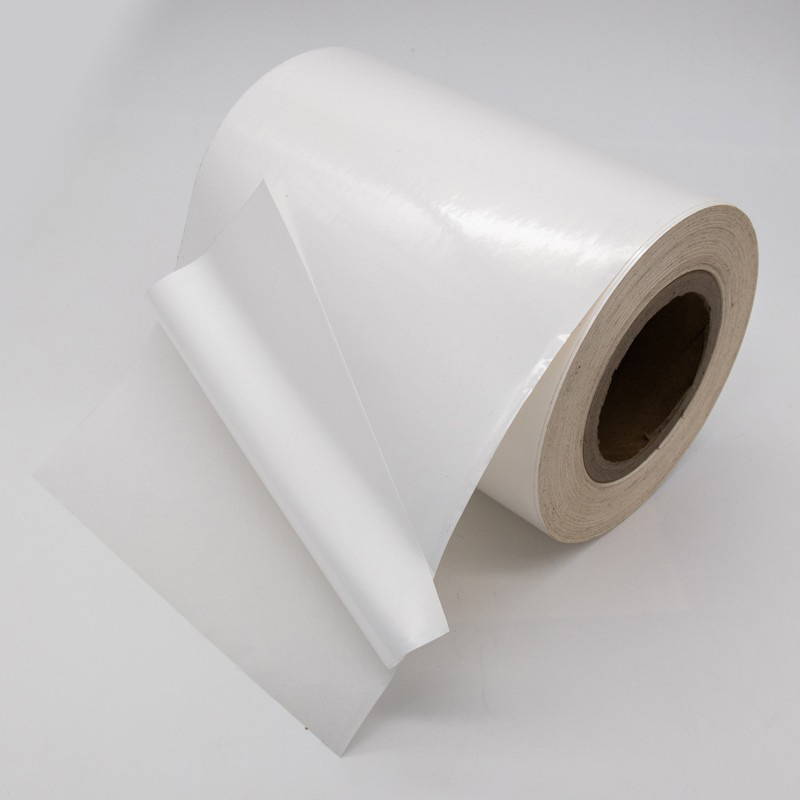
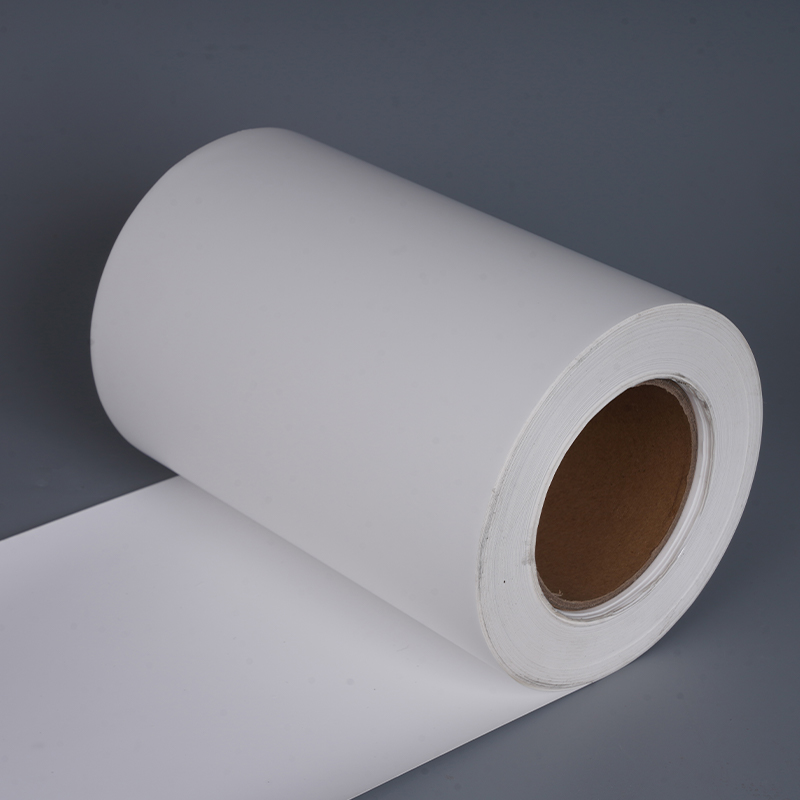
A linerless label is simply a roll of label stock with the silicone release coating applied directly to the back of the face material. There is no separate liner to peel away. The adhesive side of each label sits against the silicone-coated back of the label above it, so the roll dispenses cleanly while holding far more labels per diameter than a conventional roll.
A standard 200 mm roll of linerless material can carry up to 50% more labels than the same roll diameter with a liner, depending on face thickness and liner caliper. That single change affects storage footprint, transport weight, and how often an operator has to stop and reload.
The reason linerless labels are harder to make than they look is that three interdependent coatings—release coating, adhesive, and top coating—have to stay uniform across the full web width and over the entire roll length. Any variation in release coating thickness changes unwind tension. Any inconsistency in adhesive coat weight changes peel performance. A manufacturer who controls these variables can deliver a roll that prints, dispenses, and applies without stops.
The Measurable Benefits: Cost, Waste, and Throughput
When the format is engineered well, linerless labels deliver three measurable financial benefits.
- More labels per roll means fewer roll changes, less downtime, and lower shipping cost per thousand labels.
- No liner means no backing paper disposal, eliminating a waste stream that many food and retail sites pay a third party to remove.
- Smaller roll diameter and lower weight reduce warehouse rackspace and freight emissions, which helps meet sustainability targets.
These benefits are not theoretical. They show up on production reports as increased throughput per shift, on waste manifests as lighter hauls, and on ESG spreadsheets as a smaller materials footprint. The trade-off is that buyers have to assess suppliers more carefully, because the format cannot absorb the same tolerance for sloppy coating work that a standard label can.
Critical Quality Parameters When Comparing Manufacturers
Below are the specifications that separate a smooth-running linerless operation from a dispenser that keeps rejecting rolls. Use them as the basis for comparing quotations across linerless label manufacturers.
Adhesive Formulation and Coating Weight
Adhesive selection is the first decision point. Hot-melt adhesives are common in linerless products because they coat fast and set quickly, while acrylic emulsion adhesives offer better resistance to temperature and plasticizer migration. Coat weight matters as much as the chemistry itself. A variation of a few grams per square meter can change tack, shear strength, and release from the silicone coating. Ask suppliers for coat-weight tolerance data and for test rolls you can run on your own equipment.
Face Stock and Print Compatibility
Face stock determines how the label behaves during printing and in the field. Thermal paper is the default for linerless in logistics because it prints fast and needs no ribbon. Film-based face stocks—typically PP or PET—are used where the label must survive moisture, chemicals, or rough handling. Check that the top coating accepts your print technology and that the face stock's caliper is consistent; thick and thin spots create unevenly wound rolls.
Release Coating, Slitting, and Roll Geometry
The silicone release layer must be applied evenly and cured fully. If release is uneven, adjacent labels partially detach inside the roll or delaminate during printing. Slitting accuracy and roll geometry also matter—wandering edges or telescoped rolls will jam dispensers and printers. A reliable manufacturer checks unwind force, roll hardness, and edge straightness before shipping.
| Parameter | What to Verify | Why It Affects Production |
|---|---|---|
| Adhesive chemistry and coat weight | Coating weight tolerance within the supplier's stated range | Consistent tack, shear, and release behavior throughout the roll |
| Face stock caliper and top coating | Uniform caliper; correct print-side coating for the intended printing method | Even winding and predictable print quality |
| Release coating and cure | Uniform silicone coating; complete cure without patchy release | Clean dispensing; no label separation inside the roll |
| Slitting and roll edges | Straight edges, firm roll hardness, no telescoping | Trouble-free loading in dispensers and thermal printers |
Where Linerless Labels Deliver the Most Value
The clearest use case starts in logistics labeling, where thermal linerless labels have replaced conventional face-and-back labels in many distribution centers. Shipping labels, pick-and-pack labels, and routing labels are consumed in huge volumes; the lack of liner means fewer reloads and less litter on the sortation floor. A standard configuration for this environment is a 58 mm direct thermal linerless label with 65 meters per roll, sized to slot directly into fixed and portable thermal printers.
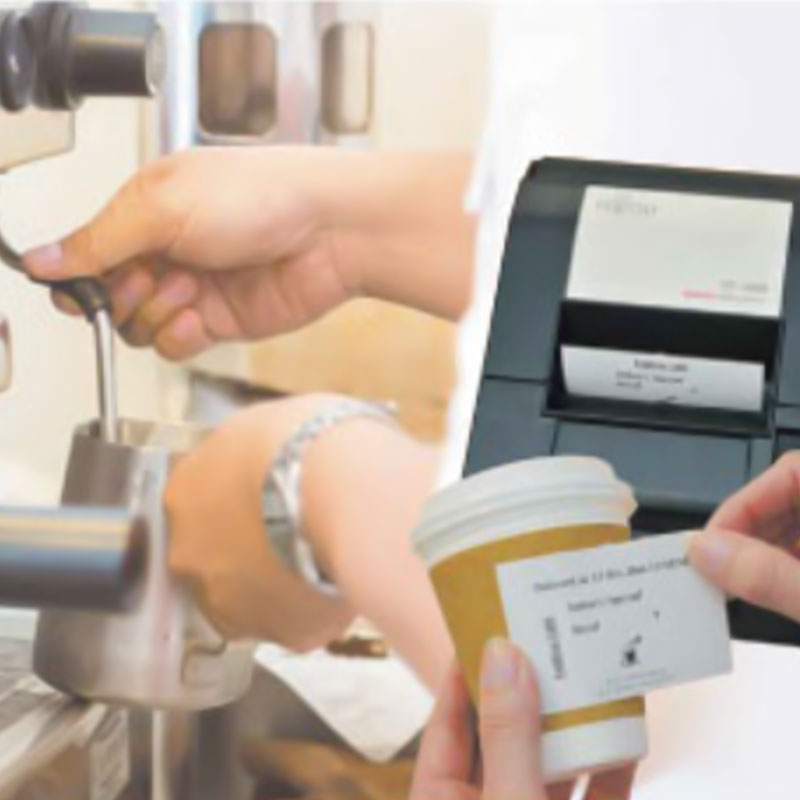 Linerless Label Direct Thermal Linerless Label Shenzhen Johnson New Materials Co., Ltd is China Custom Linerless Label Direct Thermal Linerless Label ...View Product →
The food sector is adopting linerless at a steady rate, especially where labels come into contact with reusable trays, crates, or food-contact packaging. For those applications, a removable adhesive is essential, and a removable-adhesive linerless roll in 80 mm width handles the labeling job while leaving no sticky residue when the container is washed and reused. Teams managing food and beverage labeling often run this class of material on high-speed industrial print-and-apply lines, where reliable unwind is critical to throughput.
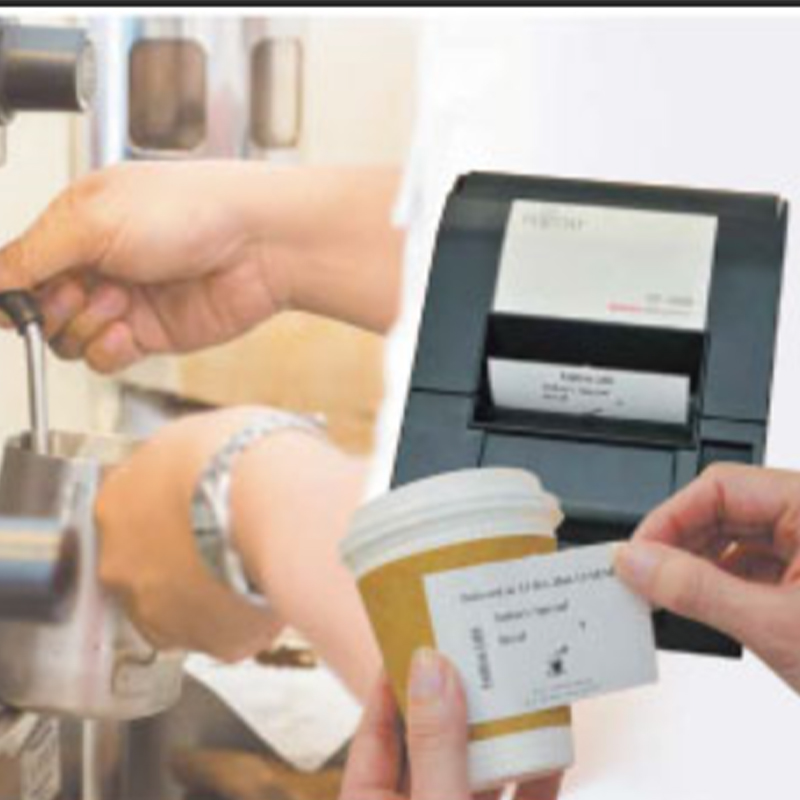 Linerless Label Linerless label Removable adhesive 80mm*79m*25mm Suppliers, FactShenzhen Johnson New Materials Co., Ltd is China Custom Linerless Label Linerless label Removable adhesive 80mm*79m*25mm Suppliers and to...View Product →
What Separates a Material Supplier from a Solutions Partner
The outputs of a linerless label manufacturer look similar on paper: coated rolls, slit to width, wound onto cores. The differences appear during production. Buyers who have been burned by inconsistent rolls usually change the way they evaluate suppliers.
- Run test rolls on your actual printers and dispensers rather than relying on data sheets.
- Inspect coating certifications and ask about adhesive batch traceability.
- Check whether the supplier operates its own coating lines and what monthly capacity it can allocate to your orders.
- Confirm response times for technical support and whether the supplier can modify coat weight or face stock for your specific application.
The difference between a reseller and a true manufacturer usually shows up in these answers. A material manufacturer like Shenzhen Johnson New Materials, which runs its own coating lines with a monthly capacity of 20 million square meters, can combine hot-melt and acrylic coating with strict roll inspection. An experienced material manufacturer with integrated coating capacity is positioned to deliver consistent linerless rolls and adapt the formulation when your application demands it.
Start with a small pilot, measure the actual downtime reduction and waste savings, then scale across sites. The format rewards careful supplier selection, and the savings show up quickly once the rolls run cleanly.
Your email address will not be published. Required fields are marked *
Contact Details
TEL: +86-15626470581
E-mail: sales@szjohnson.com
Location
Address: Building 1, Room 201, Zhijianeng High-tech Park, No. 65 Hongyin Road, Lihu Community, Xinhu Street, Guangming District, Shenzhen 518107, Guangdong Province, China
Get In Touch
Copyright © Shenzhen Johnson New Materials Co., Ltd. All Rights Reserved.
Wholesale Self Adhesive Paper Manufacturers Adhesive Label Roll Factory