
-
About Us
Why Choose Us?We are equipped with advanced high-speed adhesive coating lines, boasting a monthly production capacity of 20 million square meters. These machines support both hot melt and acrylic adhesive applications, enabling us to ensure fast delivery and consistent quality while meeting the diverse needs of the market. Our sales team works closely with you to fully understand your specific requirements.
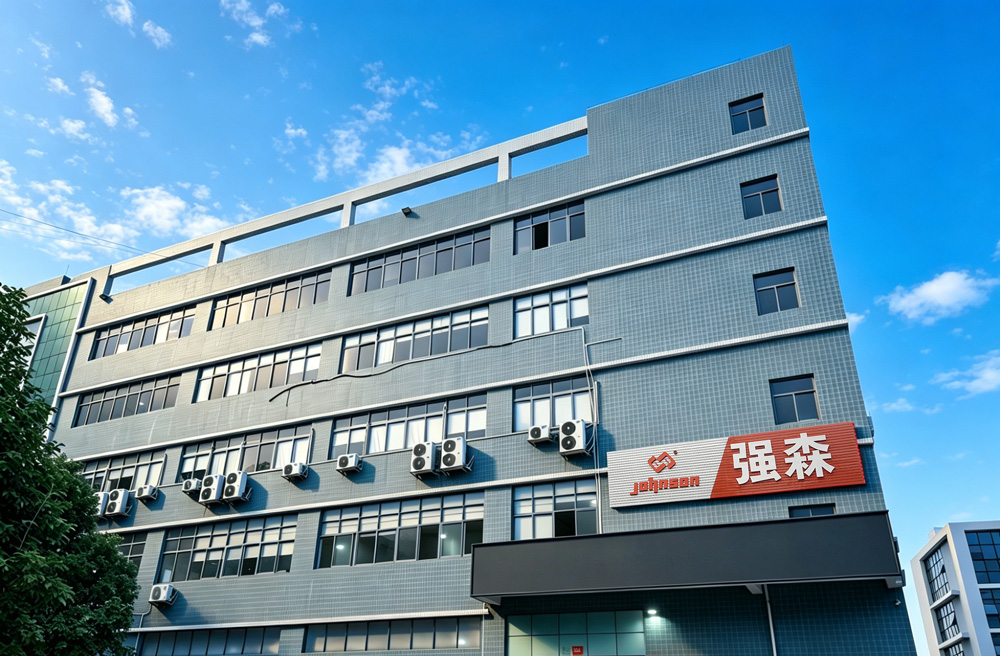 Coming From China, Marketing To The World.
 -
Solutions
Professional Label Material SolutionsAt Johnson, we understand that every industry faces unique labeling challenges. With 20 years of specialized expertise and strong R&D capabilities, we provide more than just materials — we deliver customized solutions that ensure “process compatibility, scenario suitability, and rapid delivery.
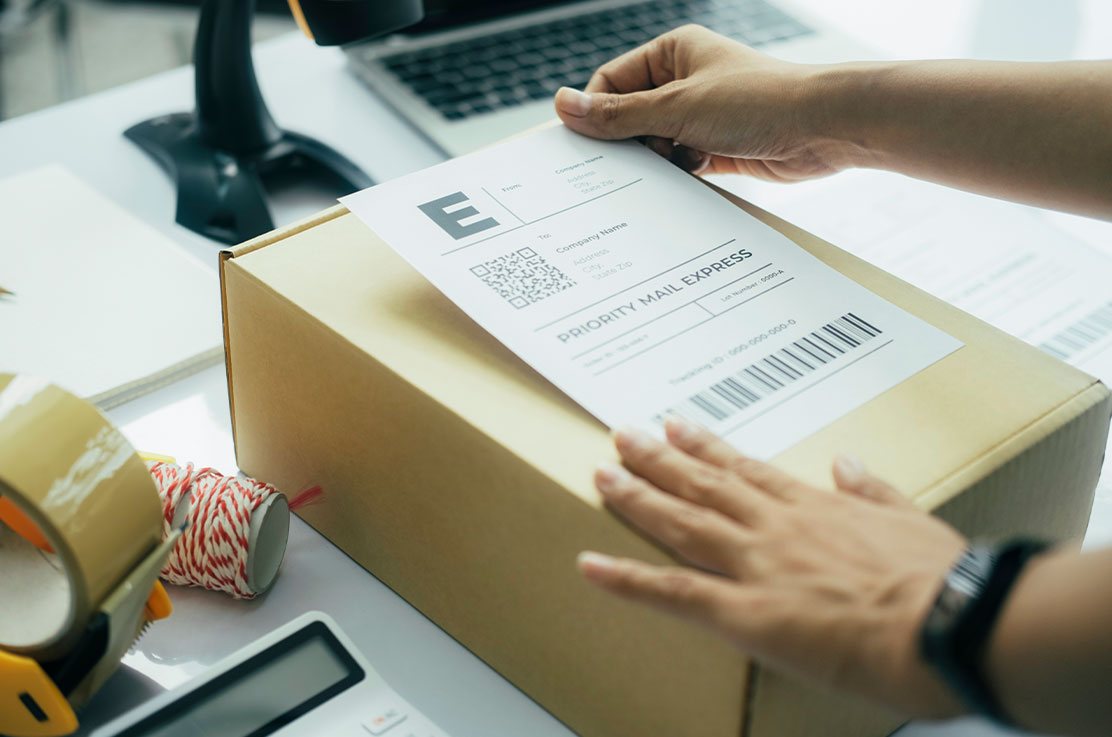
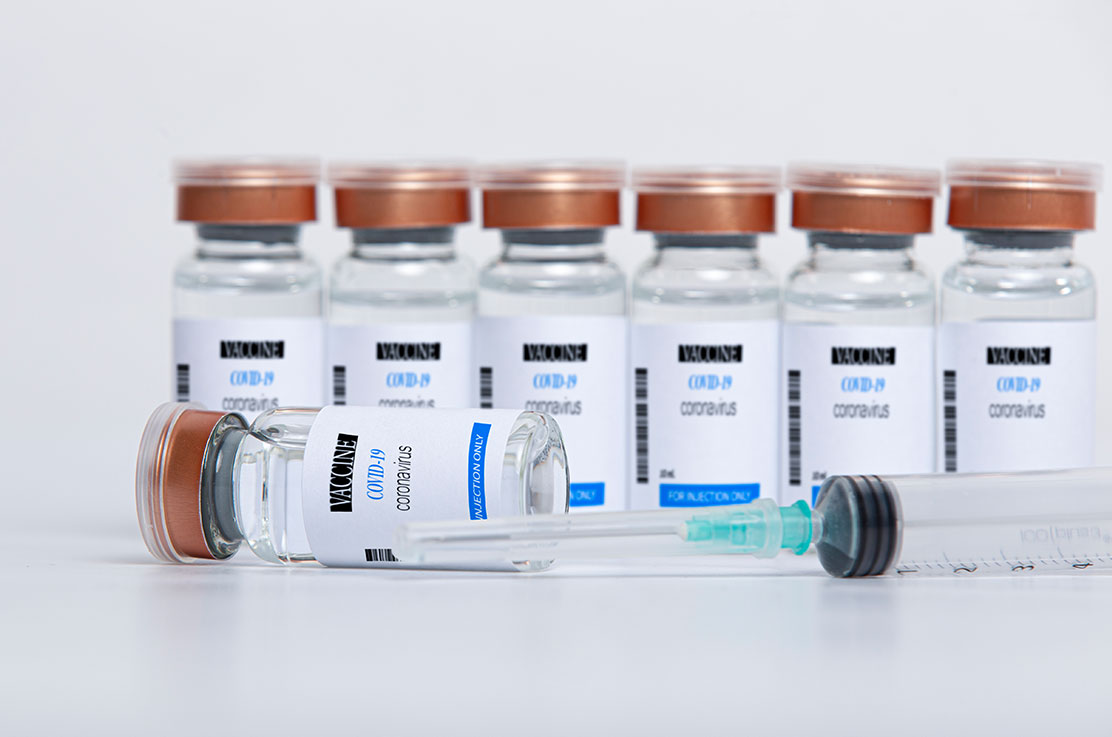 Eco-Friendly Labels, Zero Compromise on Quality
 -
Products
SustainabilityIn the field of non-dry adhesive label materials, we don’t just "produce well"—we go further with environmental protection as our technical and ethical responsibility, turning every label into a "sustainable" carrier.
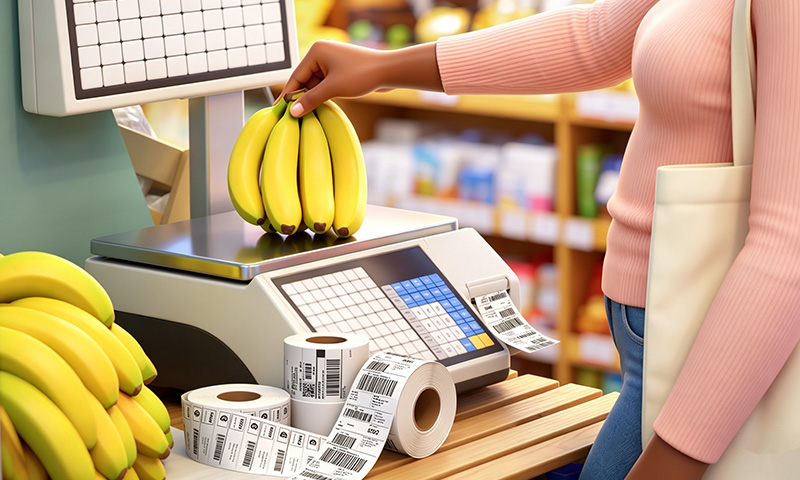
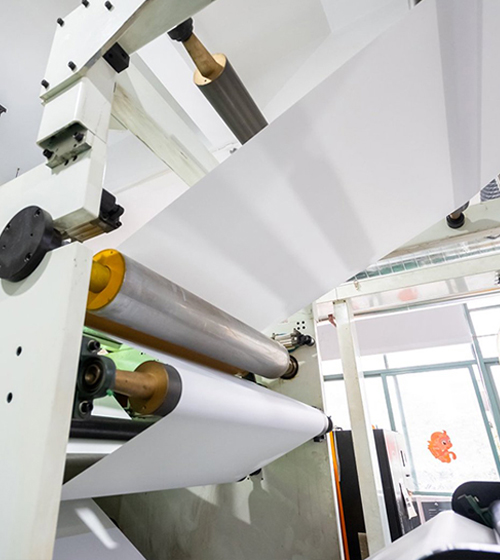 Eco-Friendly Labels, Zero Compromise on Quality
 -
News
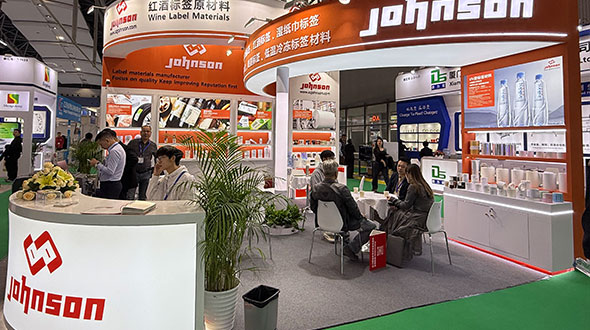 Wine Labelstock Invites You to Labelexpo Asia 2025
From December 2 to 5, 2025, Labelexpo Asia 2025, one of the most significant events in the global label and packaging printing industry, will take place at the Shanghai New International Expo Center. ...
 English
 русский
 Español
Cryogenic Label Stock Company: How to Specify Labels for -80 C to -196 C
Content
- 1 Cryogenic Label Stock Is Defined by Three Temperature Tiers, Not One
- 2 Face Stock Selection: Where Paper, PP, and PET Each Fail
- 3 Adhesive Chemistry Decides the Outcome Below -80 C
- 4 Liner and Die-Cutting: The Step Most Buyers Underestimate
- 5 How to Qualify a Cryogenic Label Stock Company in Six Checks
- 6 Cost, MOQ, and Lead Time: The Numbers Behind a Cryo Program
- 7 Frequently Asked Questions
At -190 C, a polypropylene label that performs perfectly on a chilled yogurt cup curls off a cryo vial within minutes, and the sample inside becomes anonymous. That is the point where buyers stop comparing price per square meter and start asking a cryogenic label stock company a different set of questions: which face stock survives a 200 degree swing, which adhesive still holds after five freeze-thaw cycles, and which liner die-cuts cleanly at 90 m/min without tearing. A cryogenic label stock is a pressure-sensitive laminate engineered to stay bonded and legible below -80 C, with the top tier rated for vapor-phase liquid nitrogen service between -150 C and -196 C.
Cryogenic Label Stock Is Defined by Three Temperature Tiers, Not One
Cryogenic label stock is not one product. It splits into three performance tiers that sit more than 150 degrees apart, and specifying from the wrong tier is the most common single cause of label loss in cold storage. The table below is the fastest way to check where a project actually belongs.
| Tier | Service range | Typical use | Failure when mismatched |
| Chilled and frozen | -40 C to +20 C | Retail food, chilled logistics, cold chain cartons | Edge lift under condensation, wrinkled face |
| Ultra-low freezer | -80 C to -60 C | Biobanks, vaccine storage, research freezers | Adhesive embrittlement, flagging, corner roll-up |
| Cryogenic and liquid nitrogen | -196 C to -150 C | Vapor phase nitrogen, cell therapy, cryo canes | Full delamination within minutes to hours |
The jump from -40 C to -80 C is where conventional hot melt adhesives stop being dependable. Below -80 C the failure is rarely gradual. A label that passes a 24 hour household freezer test can lift off a vial inside 20 minutes of nitrogen vapor exposure, because the adhesive has already passed its glass transition temperature and turned brittle.
Definition: cryogenic label stock is a pressure-sensitive laminate whose face stock, adhesive, and release liner are jointly rated for continuous service at or below -80 C, with cryogenic grades validated for direct or vapor-phase liquid nitrogen exposure between -150 C and -196 C.
That is why material selection has to start with the storage method rather than the label dimensions. Vapor-phase nitrogen, direct liquid immersion, and mechanical -80 C freezers each stress a laminate in a different way, and each one needs its own test protocol.
Face Stock Selection: Where Paper, PP, and PET Each Fail
Polypropylene is the practical default for -80 C storage, PET is the only face stock that consistently survives -196 C handling, and paper should be treated as a short term option at best.
| Face stock | Typical caliper | Print method | Behavior below -80 C |
| Direct thermal paper | 70 to 80 gsm | Direct thermal | Moisture uptake splits the fiber structure |
| Semi-gloss paper | 80 gsm | Thermal transfer | Strong print quality, embrittles below -40 C |
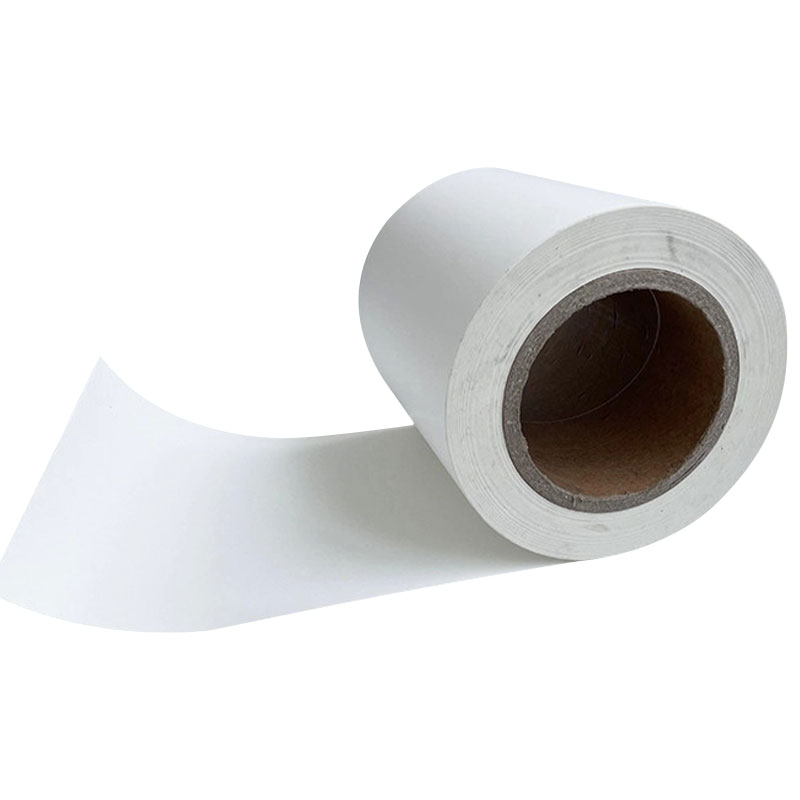
| Matte white PP | 54 to 75 micron | Thermal transfer, flexo | Stays flexible, resists condensation, standard for -80 C |
| Glossy white BOPP | 50 micron | UV flexo | High clarity, needs acrylic adhesive for cold work |
| Transparent PET | 19 to 50 micron | Thermal transfer, UV | Best dimensional stability through nitrogen cycles |
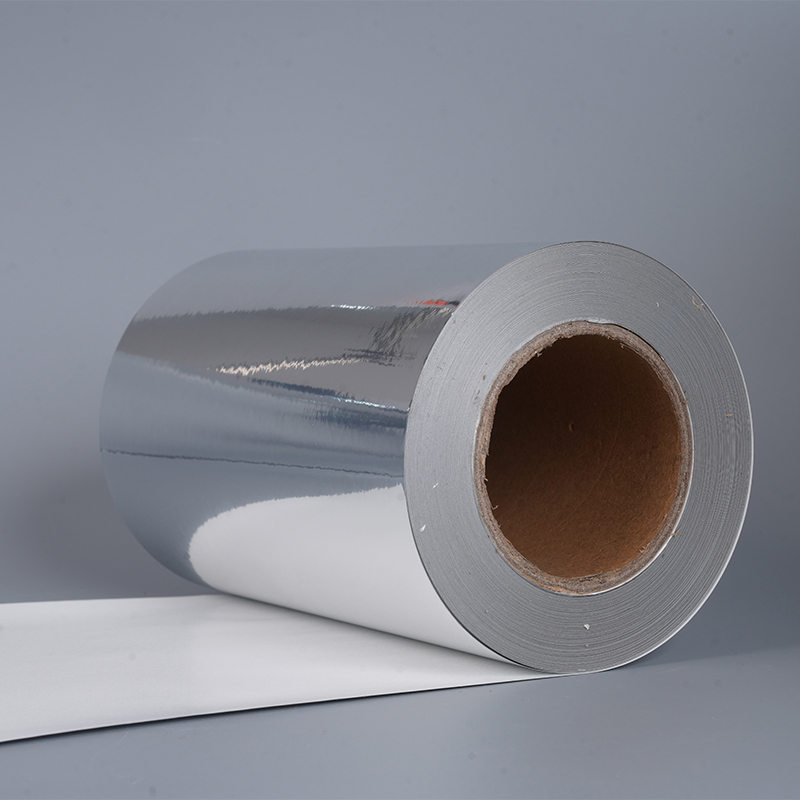
| Brushed silver PET | 188 micron | Screen, UV | Rigid decorative face for equipment and asset plates |
Paper still has a place. For frozen retail packaging that never drops below -40 C, a 70 gsm direct thermal paper with a hot melt adhesive remains the cheapest reliable option, and it prints on the thermal printers already installed on most packing lines. Move the same material into a -80 C freezer and the fiber structure absorbs moisture, swells, and splits, usually before the adhesive lets go.
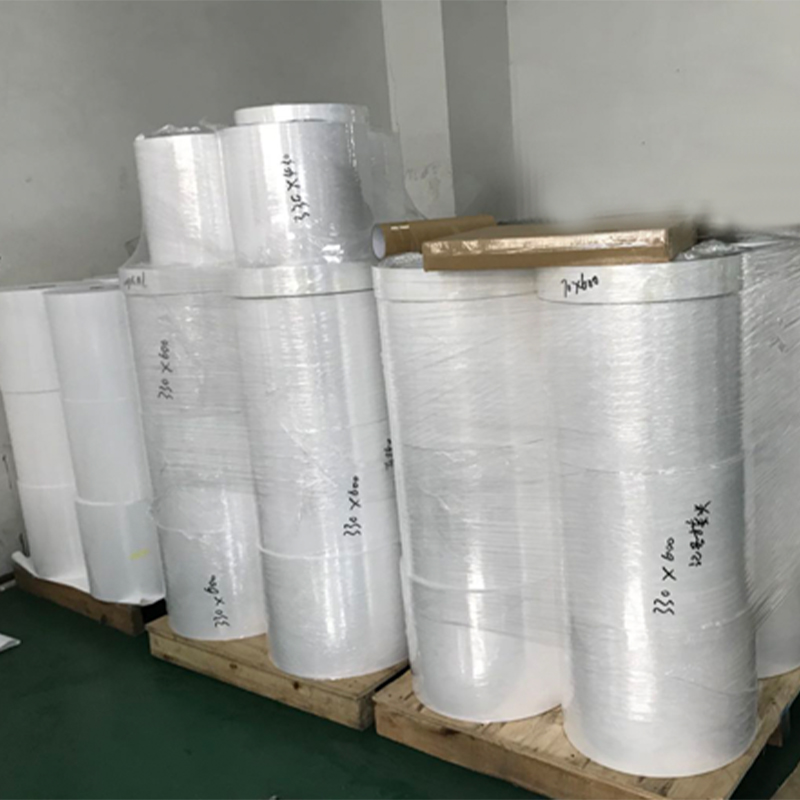 PM 080E1 Glossy White PP Frozen Food LabelstockSelf-adhesive PP labelstock with frozen adhesive and glassine liner for cold-chain packaging, offering durable, waterproof performance for retail and logistics labels.View Product →
Film faces solve the moisture problem and introduce new ones. PP at 54 to 75 micron is soft enough to wrap small diameters without lifting at the edges, which matters on 10 ml vials. PET holds its shape through wide temperature swings and is the usual choice when one label has to survive -196 C storage, shipping, and a 37 C water bath on the same day.
In practice, the same logic drives decisions across frozen food and beverage packaging: choose the face stock for the coldest step in the journey, not for the average. A laminate selected at -40 C will still be the wrong laminate when the shipment reaches a dry ice pack-out at -78.5 C.
Adhesive Chemistry Decides the Outcome Below -80 C
Acrylic adhesives keep far more peel strength than hot melt rubber at liquid nitrogen temperature, and the advantage grows with every freeze-thaw cycle. The measurement below compares typical retention values after five cycles between -196 C and +20 C.
Peel retention after five cycles from -196 C to +20 C
These are typical values reported across supplier technical data sheets for 50 micron film stock on stainless steel. Absolute numbers move with dwell time and surface energy, but the ranking does not.
Hot melt rubber
Low cost and high initial tack make hot melt the default for retail and logistics labels. Its glass transition temperature sits near -30 C, so below that point the adhesive stiffens, stops wetting the surface, and releases under the stress of thermal contraction.
Cryo-grade acrylic
Higher cost per square meter, but the polymer backbone stays flexible at -196 C. Acrylics also resist oxidation and UV, so labels survive years of freezer storage without yellowing or turning brittle.
The word acrylic on a data sheet is not a cryogenic rating. Standard permanent acrylics are typically rated to -40 C or -60 C. Always request low temperature peel data measured after thermal cycling, never a single reading taken at room temperature.
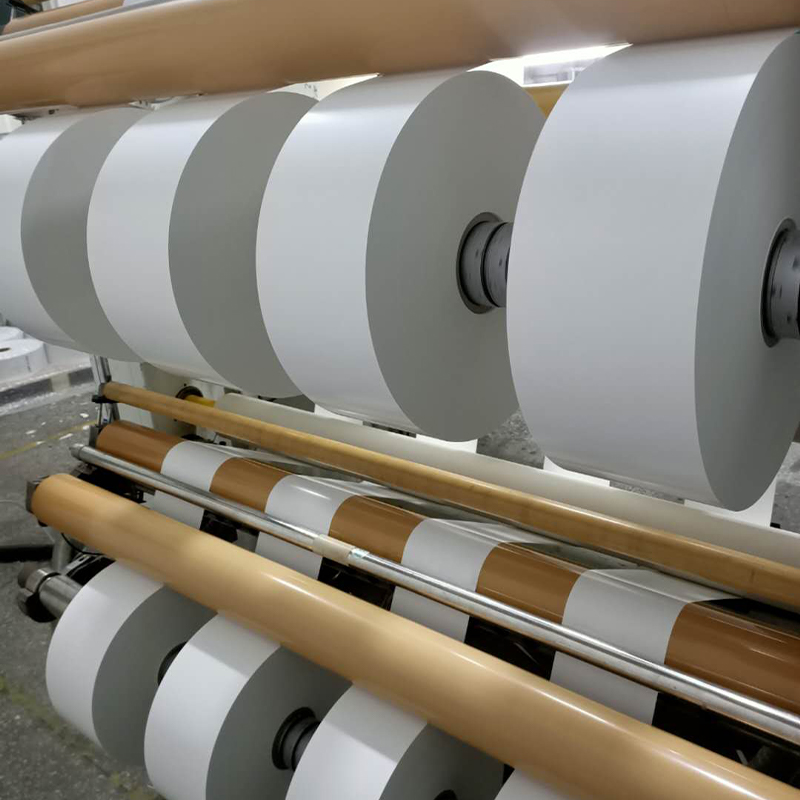 WA08004A-1 Top-Coated Thermal Frozen Food LabelstockTop-coated direct thermal paper labelstock with frozen adhesive for barcodes, batch information, and logistics identification in cold-chain retail.View Product →
Print method and adhesive have to be specified together. A top-coated direct thermal film can carry a barcode through -80 C storage, but only when the adhesive behind it is rated for the same range and the print energy has been set on the actual printer, not on the lab unit.
Liner and Die-Cutting: The Step Most Buyers Underestimate
Above roughly 80 m/min, PET silicone release film outperforms glassine because it does not absorb moisture or change dimension in humid filling rooms.
Glassine release paper at 60 gsm and 90 gsm remains the workhorse for general label stock, and 90 gsm white silicone kraft paper handles heavier face stocks. Both are hygroscopic. In a humid fill room, a glassine liner can gain enough moisture to curl, and curl at the unwind station turns into a web break at 200 m/min. PET silicone release film at 30 and 50 micron does not take on moisture, so web tension stays stable through long runs.
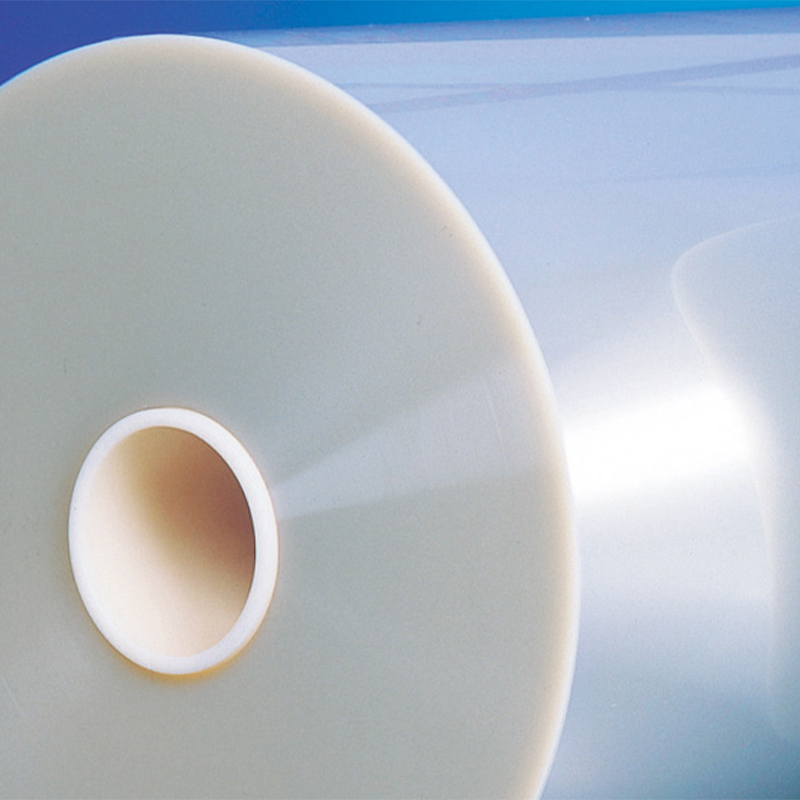 Custom 50μm PET Silicone Release FilmMoisture-resistant PET release liner with silicone coating for smooth adhesive peel-off in label printing and automated processing.View Product →
Four liner checks remove most of the converting risk before a cryogenic trial starts:
- Confirm liner type and silicone coat weight against the die-cutting speed on the actual press.
- Request a humidity conditioned sample if the filling room runs above 60 percent relative humidity.
- Check that the release value suits the unwind tension of the application line, not just the lab tester.
- Verify that the liner survives the label's own cold cycle, because some films crack before the label reaches a vial.
How to Qualify a Cryogenic Label Stock Company in Six Checks
Qualification rests on low temperature test data and coating control, not on catalog claims, and six checks cover nearly all of the risk.
- Ask for peel data measured after thermal cycling, not a single room temperature number.
- Confirm the adhesive family and its glass transition temperature in writing.
- Check coating capability: a supplier running both hot melt and acrylic lines can change chemistry without changing face stock.
- Verify monthly capacity and lead time against your own build schedule, especially for film faces.
- Request converting support on die-cutting and matrix stripping, because PET liners behave differently from glassine.
- Test sample rolls on the real printer, at the real line speed, with the real storage protocol.
A cryogenic label is only validated when the whole laminate, face, adhesive and liner together, has been cycled at the temperature it will actually see.
Medical and laboratory buyers usually run this qualification alongside the material supplier rather than after purchase. Medical and laboratory label applications cover vial, slide, and cryo cane formats where a 2 mm lift at the edge is enough to make a sample unreadable and a study unauditable.
Cost, MOQ, and Lead Time: The Numbers Behind a Cryo Program
Cryogenic label stock usually costs two to three times more than standard freezer stock, and most of that premium sits in the adhesive and the PET liner rather than the face stock.
Volume matters more than usual here. Cryo-grade acrylic and 50 micron PET liner are both purchased in large master rolls, so small orders carry a real conversion penalty. A supplier that coats its own material rather than trading it can often consolidate a small cryogenic run with a larger film order and hold pricing within a few percent of standard stock.
Lead time is the other variable. Standard hot melt stock ships from inventory in days. Cryo-grade acrylic on PET normally needs a coating and slitting window plus liner lamination, so plan two to four weeks for production volumes and one to two weeks for samples. Confirm that monthly coating capacity can absorb a sudden increase before you commit a launch date to it.
The practical takeaway is short. Match the tier to the coldest step in the journey, buy face stock and adhesive as one validated system, and write the release liner into the specification before the first press run.
Frequently Asked Questions
Can standard freezer labels be used for liquid nitrogen storage?
No. Standard freezer labels are typically rated for -40 C to -20 C service. At -196 C the adhesive passes its glass transition temperature, turns brittle, and releases from the vial within minutes of nitrogen vapor exposure, even if the same label passed a -20 C freezer test without any visible problem.
What face stock thickness works best for -80 C freezers?
Matte white PP between 54 and 75 micron is the usual answer. Thin PP conforms to small diameter vials and resists edge lift, while thicker films can spring back on curved surfaces. Direct thermal paper is acceptable only when humidity stays low and the label is never immersed.
Does direct thermal print survive cryogenic storage?
Top-coated direct thermal paper and thermal PP film can stay legible after cryogenic cycling when the image is protected and the print was produced at the correct energy setting. Uncoated thermal paper is a poor choice because moisture and abrasion erase the image, and printed data is often the only thing identifying the sample.
What is the minimum order quantity for cryogenic label stock?
MOQ depends on whether the material is coated to order or slit from an existing master roll. Stock combinations such as 50 micron film with a cryo-grade acrylic are often available from a few thousand square meters, while custom face stock, adhesive, or liner combinations usually need a full coating run. Confirm MOQ together with the qualification sample, because a sample that cannot be repeated in production is not a solution.
Your email address will not be published. Required fields are marked *
Contact Details
TEL: +86-15626470581
E-mail: sales@szjohnson.com
Location
Address: Building 1, Room 201, Zhijianeng High-tech Park, No. 65 Hongyin Road, Lihu Community, Xinhu Street, Guangming District, Shenzhen 518107, Guangdong Province, China
Get In Touch
Copyright © Shenzhen Johnson New Materials Co., Ltd. All Rights Reserved.
Wholesale Self Adhesive Paper Manufacturers Adhesive Label Roll Factory