
-
About Us
Why Choose Us?We are equipped with advanced high-speed adhesive coating lines, boasting a monthly production capacity of 20 million square meters. These machines support both hot melt and acrylic adhesive applications, enabling us to ensure fast delivery and consistent quality while meeting the diverse needs of the market. Our sales team works closely with you to fully understand your specific requirements.
 Coming From China, Marketing To The World.
-
Solutions
Professional Label Material SolutionsAt Johnson, we understand that every industry faces unique labeling challenges. With 20 years of specialized expertise and strong R&D capabilities, we provide more than just materials — we deliver customized solutions that ensure “process compatibility, scenario suitability, and rapid delivery.
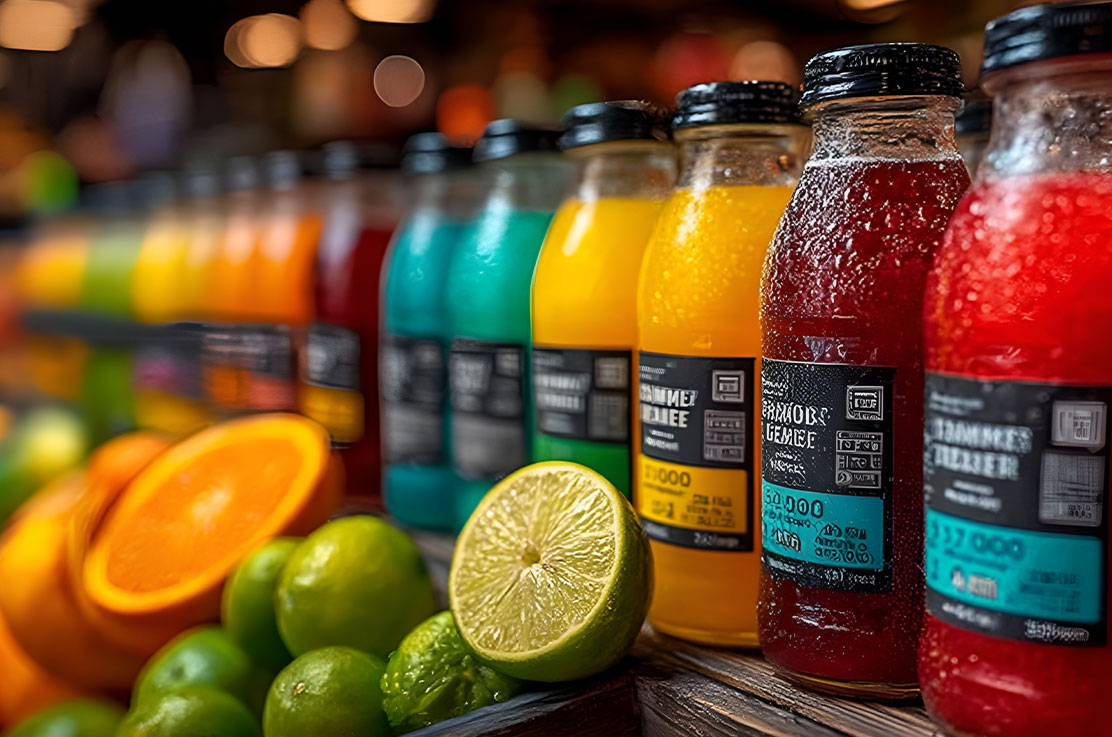
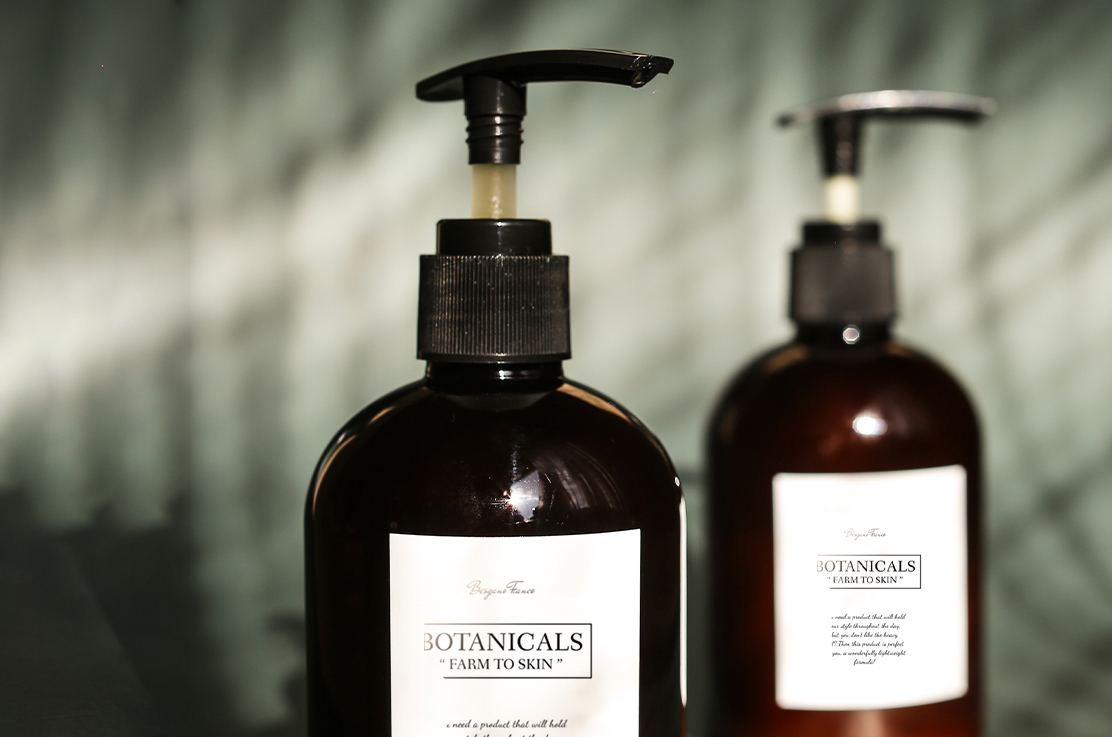
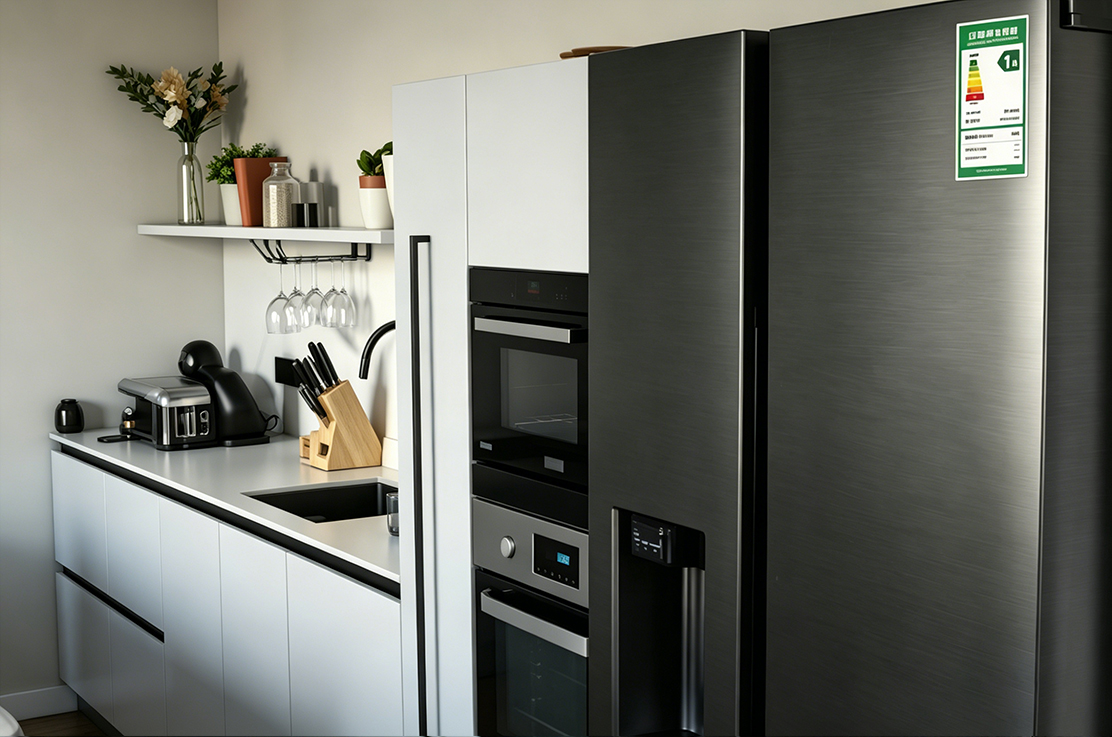

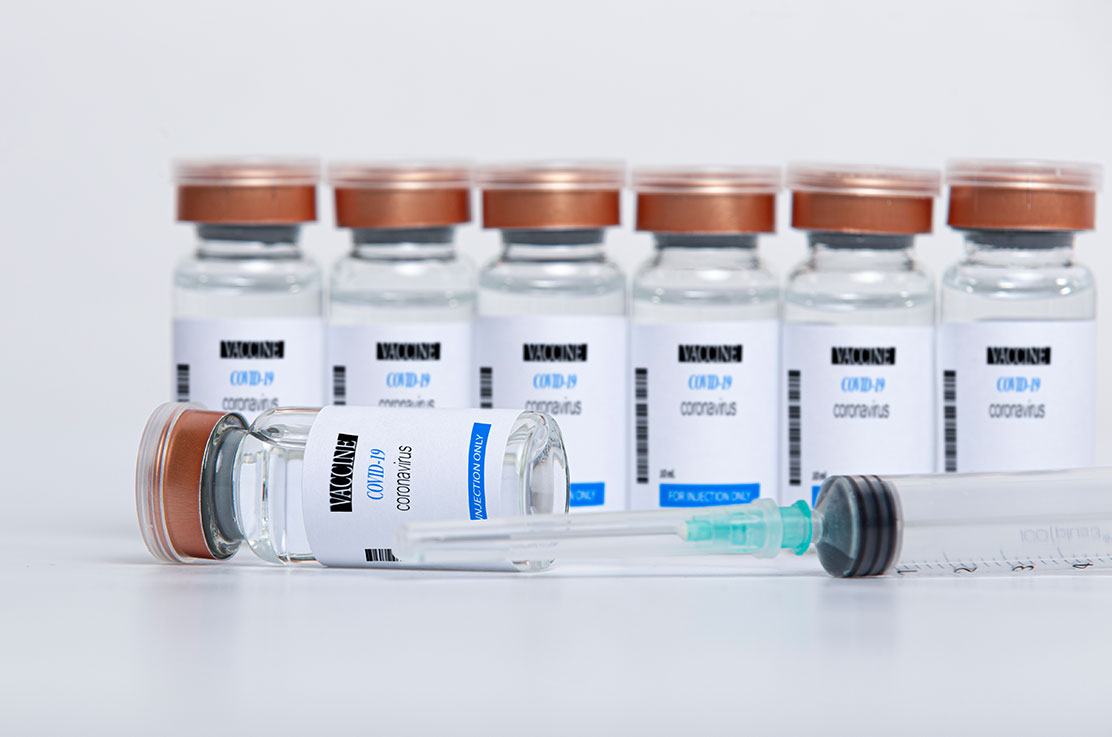 Eco-Friendly Labels, Zero Compromise on Quality
-
Products
SustainabilityIn the field of non-dry adhesive label materials, we don’t just "produce well"—we go further with environmental protection as our technical and ethical responsibility, turning every label into a "sustainable" carrier.
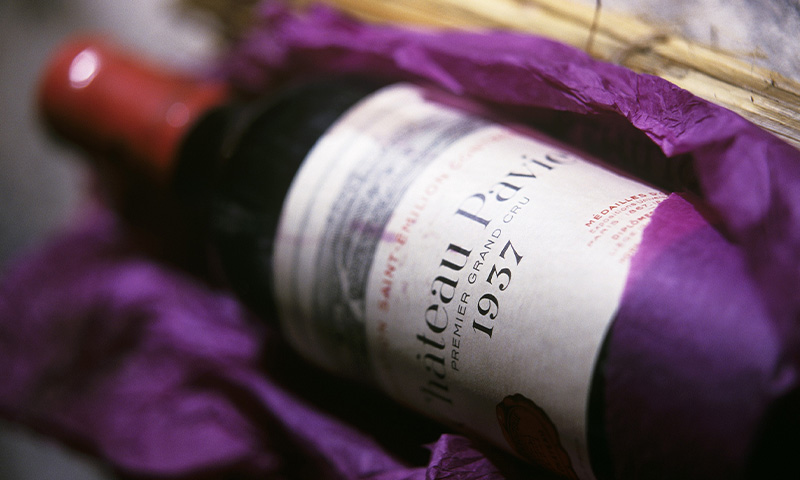
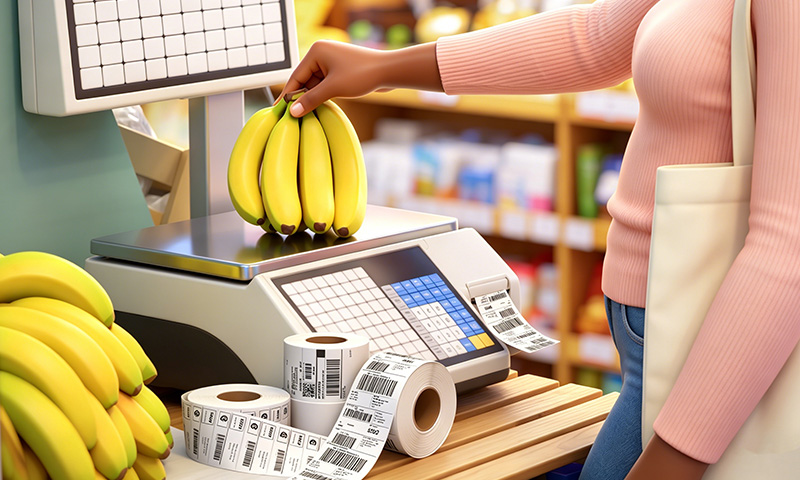
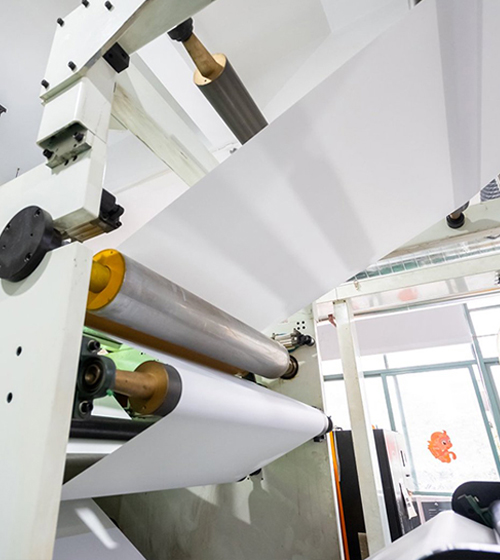 Eco-Friendly Labels, Zero Compromise on Quality
-
News
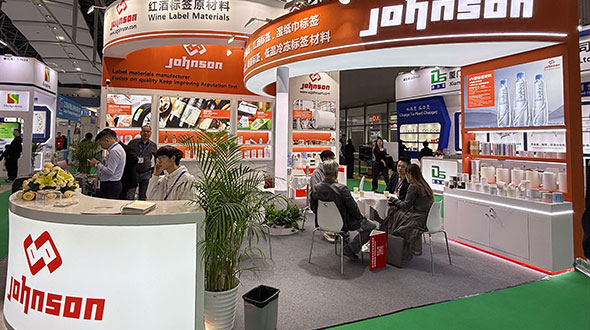 Wine Labelstock Invites You to Labelexpo Asia 2025
From December 2 to 5, 2025, Labelexpo Asia 2025, one of the most significant events in the global label and packaging printing industry, will take place at the Shanghai New International Expo Center. ...
 English
 русский
 Español
Glassine Release Liner Suppliers: GSM Grades, Silicone and Sourcing Checks
Content
- 1 What a Glassine Release Liner Actually Is
- 2 60gsm or 90gsm: Choose Caliper, Then Price
- 3 Five Checks That Expose a Weak Glassine Supplier
- 4 Release Force Windows You Can Verify on Arrival
- 5 Silicone Coat Weight and the 24 Hour Cure Variable
- 6 Capacity, MOQ and Lead Times From a Chinese Coater
- 7 Matching the Liner to Food, Beverage and Pharma
Release paper is the least visible component in a pressure-sensitive laminate and the one that determines whether a print run finishes on schedule. A liner that peels two cN/25 mm outside its declared window is enough to change a label from clean hand-peel to a torn edge on an automatic applicator.
What a Glassine Release Liner Actually Is
A glassine release liner is a supercalendered paper coated on one side with silicone, used to carry an adhesive face until application and then peel away at a controlled release force. It is densified by pressure rather than pigment coating, which is the structural difference that separates it from coated art paper and from kraft release paper.
Published base-paper data for standard grades sits in a narrow band: grammage from 60 to 90 gsm to ISO 536, nominal caliper from 55 to 85 micron, Bekk smoothness above 300 s to ISO 8791-2, and Gurley porosity commonly between 15 and 40 s to ISO 5636-5. Those four values, not the colour of the sheet, predict how the liner will behave on a rotary die-cutter.
Why converters keep specifying glassine
- Dense, closed surface gives a low and repeatable release force on acrylic and hot melt adhesives.
- High tensile and tear strength at 60 gsm allows thinner liners, so more labels per reel and fewer reel changes per shift.
- Clean die-cutting with minimal lint, which protects print stations on UV flexo and digital presses.
- Consistent splice and roll build behaviour on turret winders running above 120 m/min.
60gsm or 90gsm: Choose Caliper, Then Price
Specify 60gsm glassine for thin film face stocks and short-to-medium runs, and move to 90gsm glassine when the laminate has to stay flat through high-speed automatic application. Caliper drives stiffness, and stiffness drives applicator behaviour far more than price per square metre does.
| Grade | Grammage | Nominal caliper | Typical use | Risk to watch |
| 60gsm white glassine | 60 gsm | 55-62 micron | Thin BOPP and PET face stocks, rotary die-cutting, medium runs | Lower stiffness; web tension and curl on wide webs |
| 90gsm white glassine | 90 gsm | 75-85 micron | Film labels for automatic application, long reels, higher speeds | Re-check die-cut pressure; more liner mass per reel |
| 30 micron PET silicone film | 30 micron film | 30 micron | Optical, electronics and tight-tolerance parts, no fibre tear | Higher cost per square metre; static control |
| 90g white silicone kraft | 90 gsm | 95-110 micron | Hang tags, heavy board, hand application, retail | Smoothness does not match thin film face stocks |
A 60gsm sheet yields 16,600 square metres per tonne at nominal grammage, which makes freight and storage comparisons straightforward once you know the running metre price.
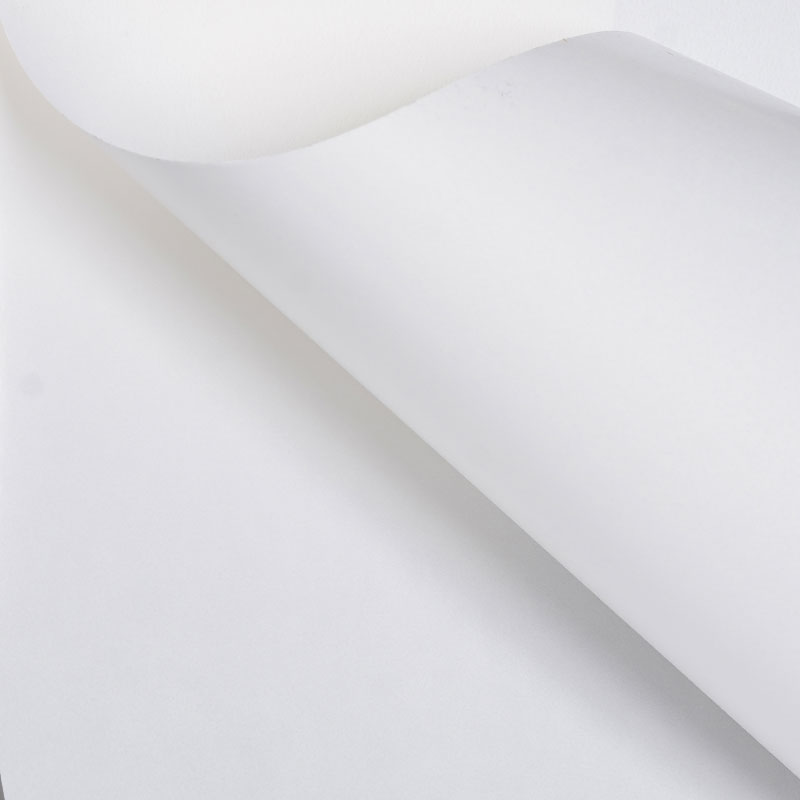
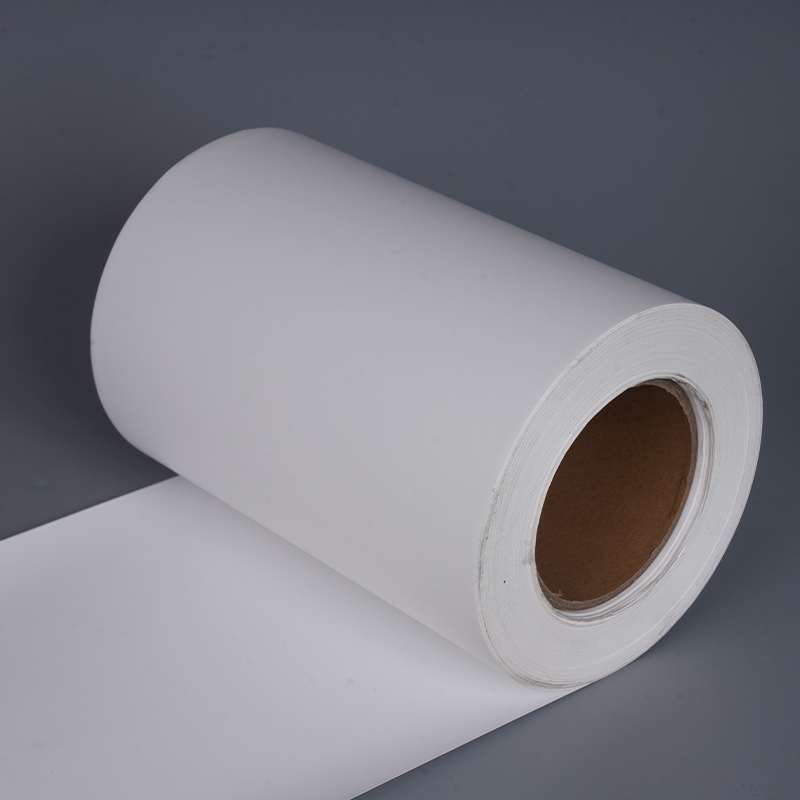
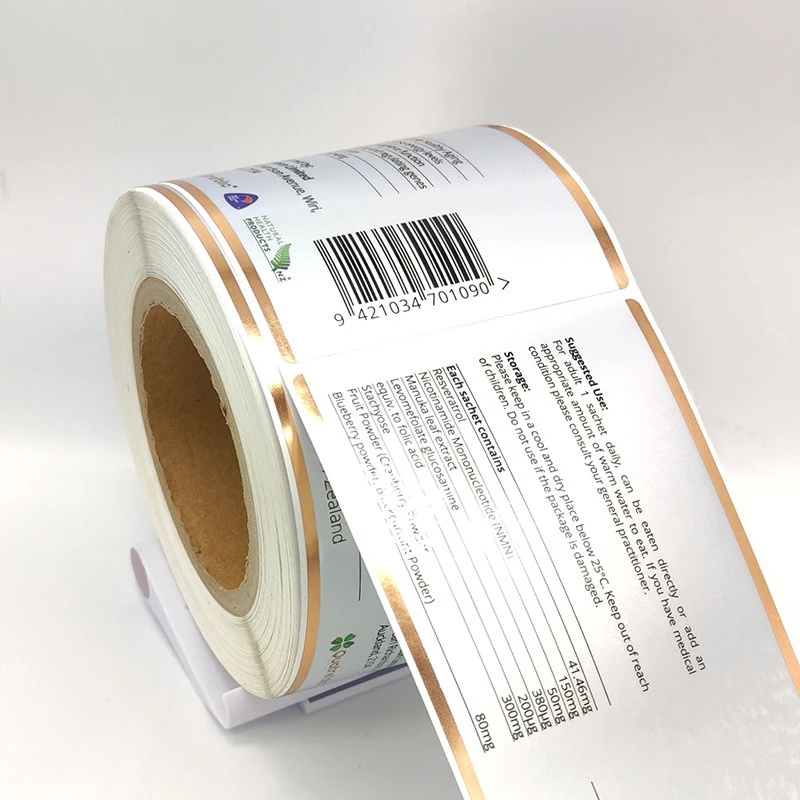 60gsm White Glassine Release PaperA 60gsm white glassine liner for self-adhesive labels, supporting smooth release and stable high-speed rotary printing performance.View Product →
Where fibre tear on the finished part is unacceptable, a film liner replaces glassine entirely. PET silicone release film holds caliper to a far tighter window and does not generate paper dust in a cleanroom, at a cost premium that is usually justified only on electronics or optical assemblies.
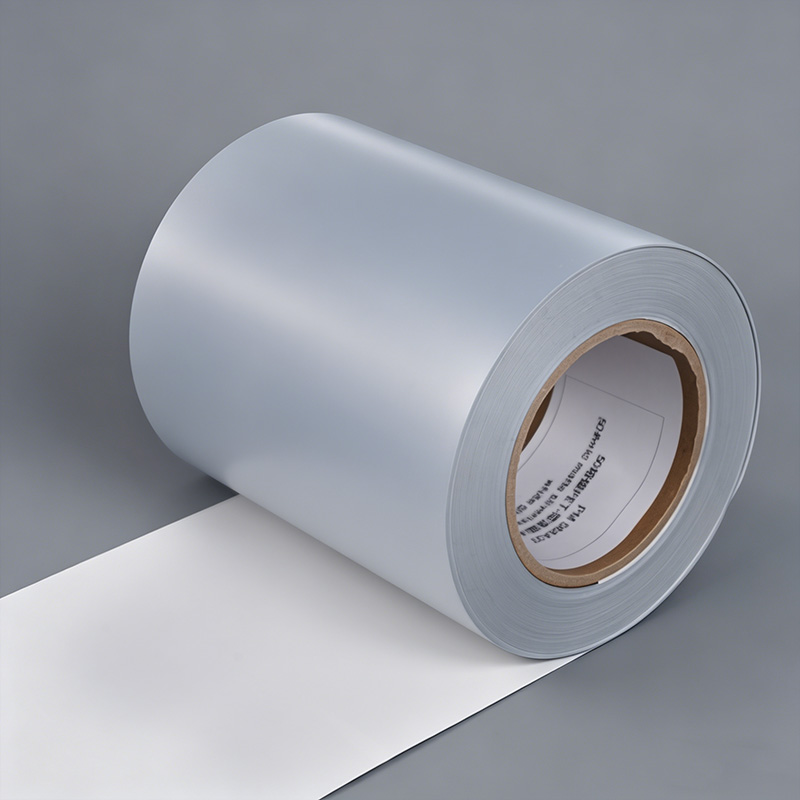
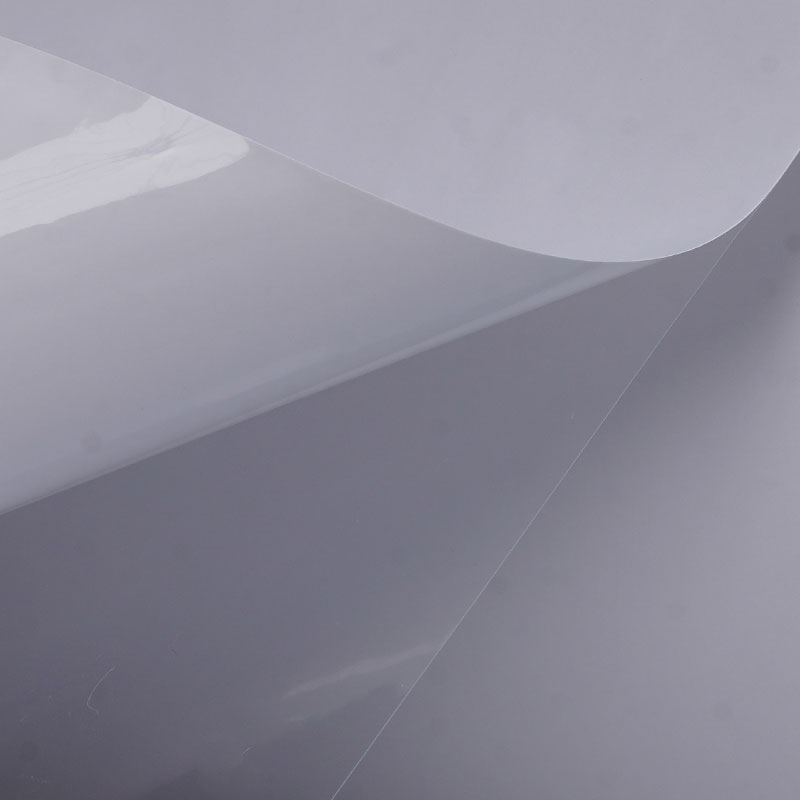
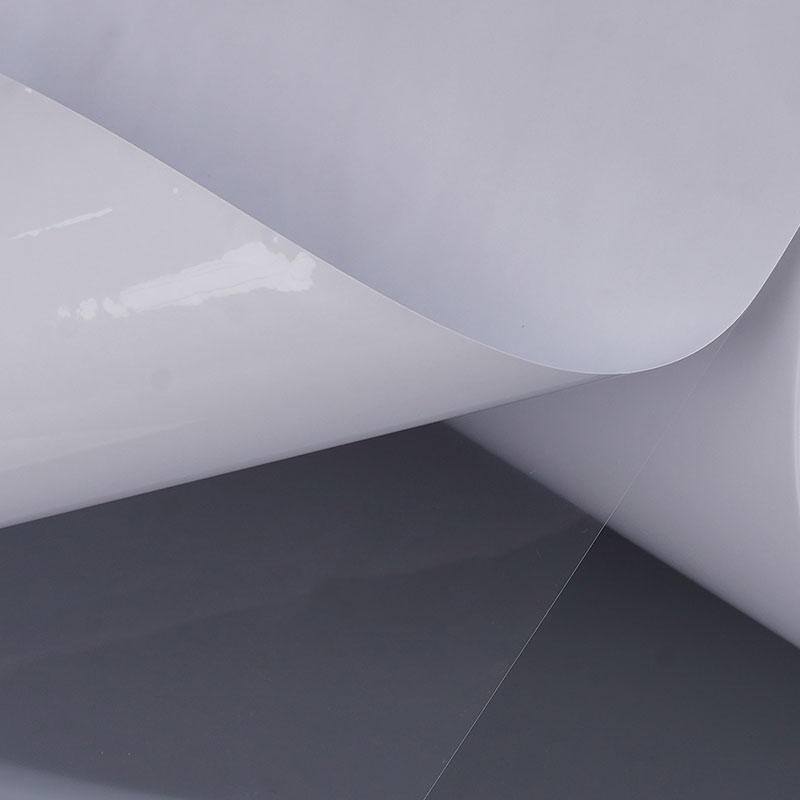
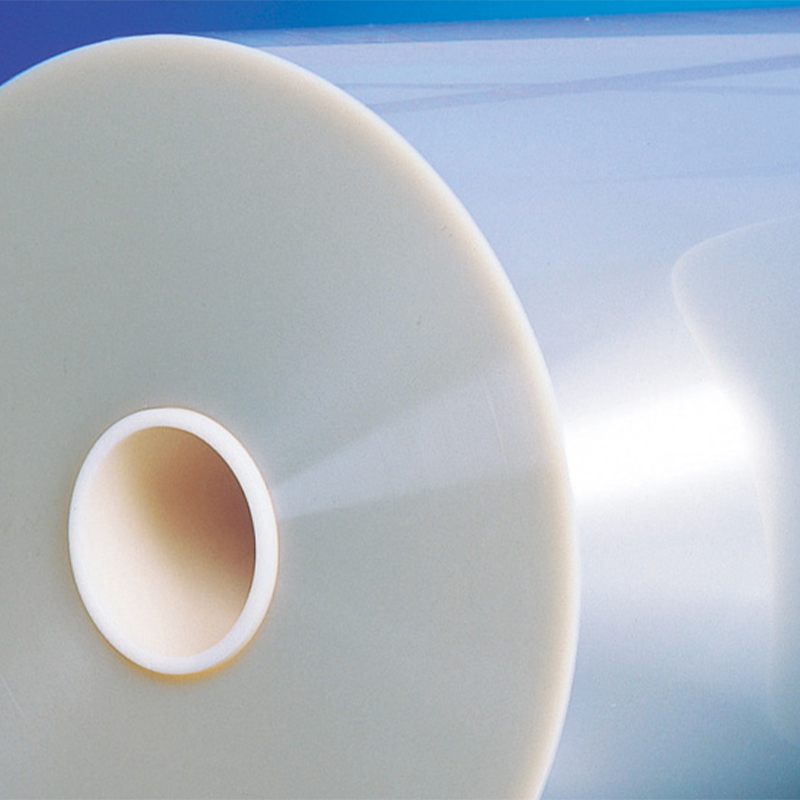 30μm PET Silicone Release FilmWhen fibre tear is unacceptable, this 30μm silicone-coated PET film offers smooth, consistent release for labels and electronics.View Product →
For beverage and premium spirit labels, 90gsm glassine gives the additional stiffness that keeps a 90 mm diameter label flat through a high-speed bottle applicator. Shenzhen Johnson New Materials Co., Ltd. supplies both 60gsm and 90gsm white glassine from coating lines rated at 20 million square metres per month, alongside 90g and 170g white silicone kraft paper.
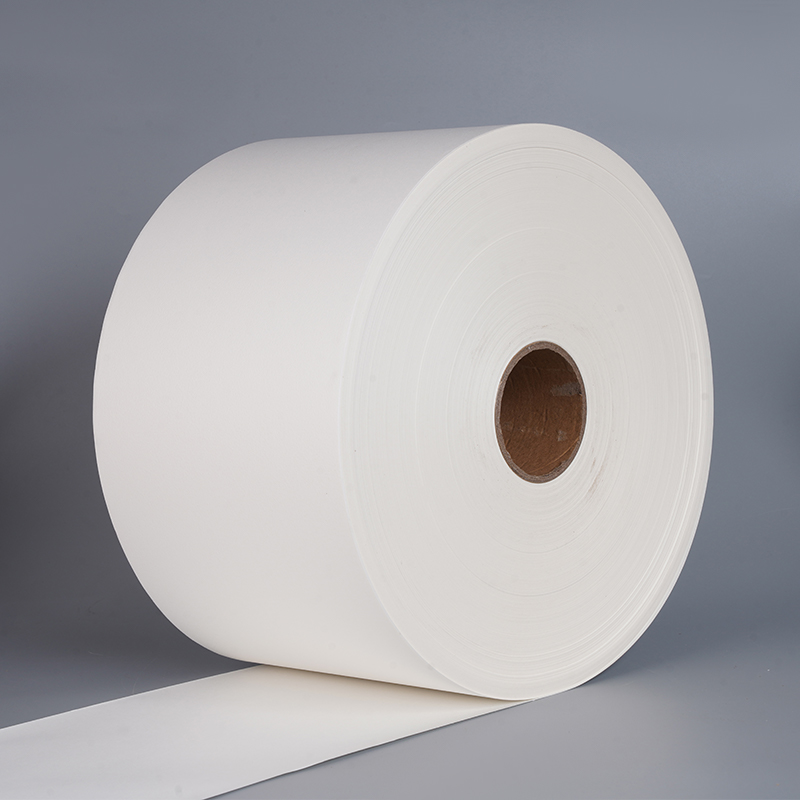
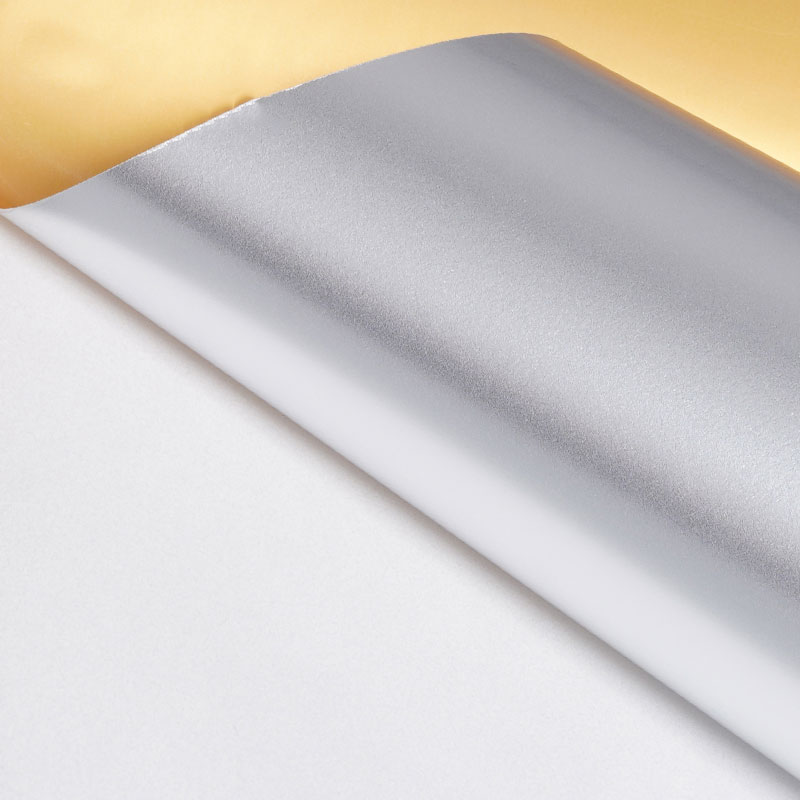
 90gsm White Glassine Release PaperA 90gsm white glassine liner with stable 8–12g release, suited to beverage and premium spirit labels on high-speed applicators.View Product →
Five Checks That Expose a Weak Glassine Supplier
A supplier is only as reliable as the five numbers it will put in writing before the first purchase order. Ask for all five in the quotation stage; a coater with an in-house silicone line answers them in a single email.
- Silicone coat weight in gsm, with the coating method named. Solvent-free silicone applied between 0.8 and 1.2 gsm covers most label grades.
- Release force on your own adhesive, tested to FINAT FTM 3 at 300 mm/min and 180 degrees, after 20 hours and again after 7 days.
- Caliper tolerance across the reel, stated as a plus or minus figure. A 3 micron band on 60gsm is achievable; 8 micron is not a specification.
- Splice count and maximum splice thickness per reel, plus core diameter and maximum unwind diameter.
- Compliance paperwork: food-contact declarations under FDA 21 CFR 175.105 and EU Regulation 10/2011, plus batch traceability from coating to slitting.
Coat weight and release force are held to a written window because the same plant runs the base paper, the silicone head and the slitter. Batch data is retrievable for 12 months or more.
Specification shifts between lots from different mills, release force is quoted from a supplier's historical sheet, and complaint resolution depends on a third party's willingness to accept liability.
Release Force Windows You Can Verify on Arrival
Release force on glassine should land inside a declared window, typically 15 to 30 cN/25 mm on standard acrylic and hot melt adhesives when tested to FINAT FTM 3 at 300 mm/min. Anything measured outside the conditioned room is not a comparable value.
Condition specimens for at least four hours at 23 degrees C, 50 percent relative humidity, as ISO 187 requires, then pull at 180 degrees after both a 20 hour and a 7 day dwell. The 7 day figure matters more than the 20 hour figure, because slow build-up of adhesion is what causes complaints six weeks after delivery.
Silicone Coat Weight and the 24 Hour Cure Variable
Solvent-free silicone needs a full 24 hours at 23 degrees C before release force stabilises, so a supplier that ships within hours of coating is shipping a variable, not a product. Testing a reel straight off the line understates release force by 10 to 20 percent and hides a low coat weight.
Coat weight below 0.7 gsm raises the risk of silicone migration into the adhesive, which shows up as a falling subsequent-adhesion value months later. Coat weight above 1.5 gsm wastes material and can make the liner too slippery to register cleanly on the press. The technical background on how the release coating interacts with the adhesive is covered in the guide to how silicone release paper works.
Capacity, MOQ and Lead Times From a Chinese Coater
A coating plant running 20 million square metres per month can hold minimum order quantities of 5,000 to 10,000 square metres per grade and still ship a 40 foot container within 15 to 25 days of order confirmation. Below that volume band, buyers usually pay a slitting surcharge instead of a material premium.
- Container load: a 40 foot high-cube takes roughly 20 tonnes of 60gsm glassine in 1,000 mm wide reels, depending on maximum unwind diameter.
- Sea freight: plan 20 to 30 days to Northern Europe and 12 to 18 days to the US West Coast from South China ports.
- Sampling: a 500 square metre trial reel is enough for three press runs and one applicator trial at production speed.
- Storage: hold stock at 20 to 25 degrees C and 50 percent relative humidity; a dry warehouse causes edge curl within two weeks.
Matching the Liner to Food, Beverage and Pharma
Food and beverage labels need a liner with a documented migration profile, not just a low release force. Ask for the declaration before the sample, because a compliant adhesive on a non-compliant liner still fails the audit.
Direct food contact is covered by FDA 21 CFR 175.105 for adhesives and by EU Regulation 10/2011 for plastics, and both require the converter to hold supplier declarations for every layer of the laminate, including the silicone. Chilled and frozen applications add a second variable, since release force rises as storage temperature drops and a liner that peels cleanly at 23 degrees C may tear at minus 18 degrees C. The food and beverage label materials overview sets out how liner and face stock are paired for those conditions.
Is glassine release paper the same as kraft release paper?
No. Glassine is supercalendered to a Bekk smoothness above 300 s and supplied at 60 to 90 gsm, while white silicone kraft paper runs 90g to 170g with a rougher, stronger sheet. Glassine suits thin film face stocks; kraft suits hang tags, heavy board and hand application.
How many square metres does one tonne of 60gsm glassine yield?
Approximately 16,600 square metres per tonne at nominal 60 gsm, calculated as 1,000,000 divided by 60. At 90 gsm the same tonne yields about 11,100 square metres, so freight cost per label rises by roughly 50 percent when the grade is upgraded.
How many reels should be tested before approving a supplier?
Test three reels drawn from three separate coating batches, with five specimens per reel tested to FINAT FTM 3. Approval based on a single reel covers one batch, not a supply capability, and the release window will not hold over a twelve-month contract.
What causes liner curl after storage?
Moisture imbalance between the two faces of the sheet. Glassine stored below 40 percent relative humidity takes up or loses water unevenly and curls at the edges within 10 to 14 days; holding stock at 23 degrees C and 50 percent relative humidity prevents it.
Your email address will not be published. Required fields are marked *
Contact Details
TEL: +86-15626470581
E-mail: sales@szjohnson.com
Location
Address: Building 1, Room 201, Zhijianeng High-tech Park, No. 65 Hongyin Road, Lihu Community, Xinhu Street, Guangming District, Shenzhen 518107, Guangdong Province, China
Get In Touch
Copyright © Shenzhen Johnson New Materials Co., Ltd. All Rights Reserved.
Wholesale Self Adhesive Paper Manufacturers Adhesive Label Roll Factory