
-
About Us
Why Choose Us?We are equipped with advanced high-speed adhesive coating lines, boasting a monthly production capacity of 20 million square meters. These machines support both hot melt and acrylic adhesive applications, enabling us to ensure fast delivery and consistent quality while meeting the diverse needs of the market. Our sales team works closely with you to fully understand your specific requirements.
 Coming From China, Marketing To The World.
-
Solutions
Professional Label Material SolutionsAt Johnson, we understand that every industry faces unique labeling challenges. With 20 years of specialized expertise and strong R&D capabilities, we provide more than just materials — we deliver customized solutions that ensure “process compatibility, scenario suitability, and rapid delivery.
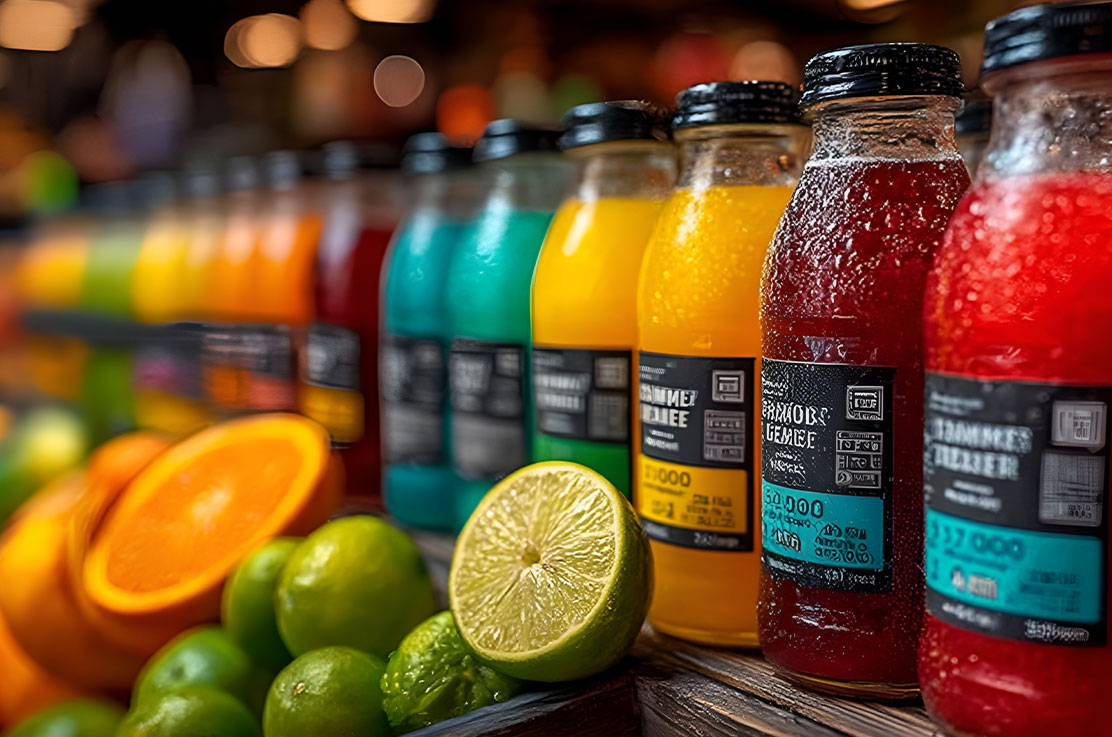



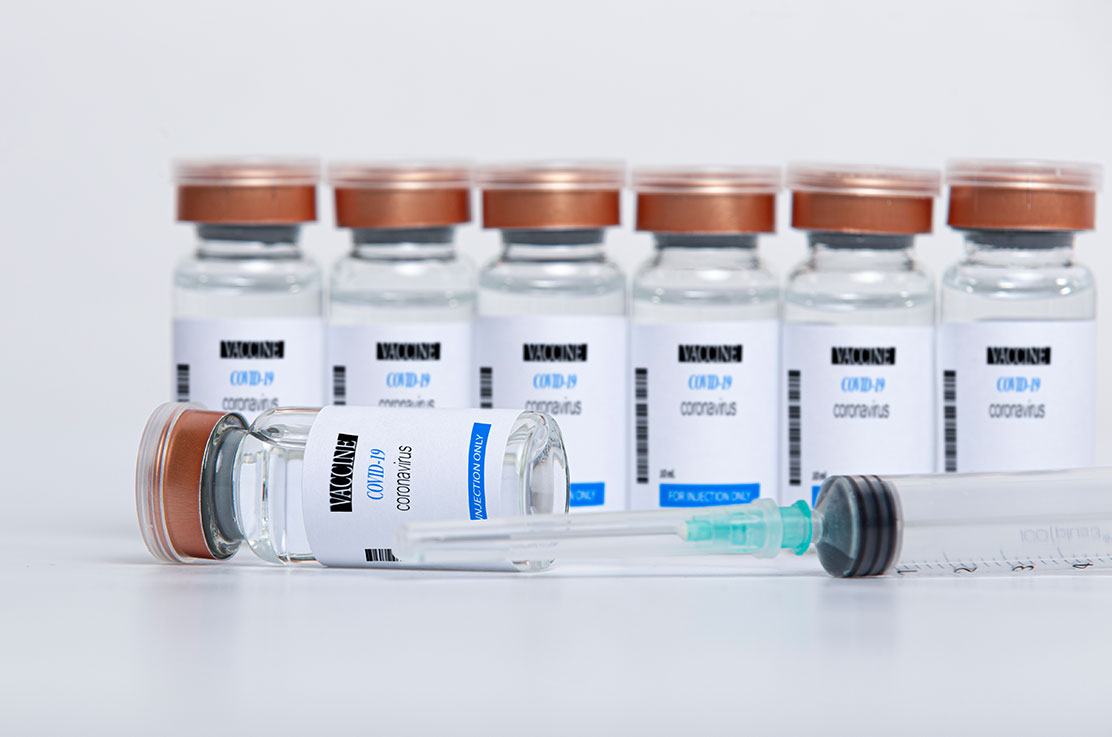 Eco-Friendly Labels, Zero Compromise on Quality
-
Products
SustainabilityIn the field of non-dry adhesive label materials, we don’t just "produce well"—we go further with environmental protection as our technical and ethical responsibility, turning every label into a "sustainable" carrier.
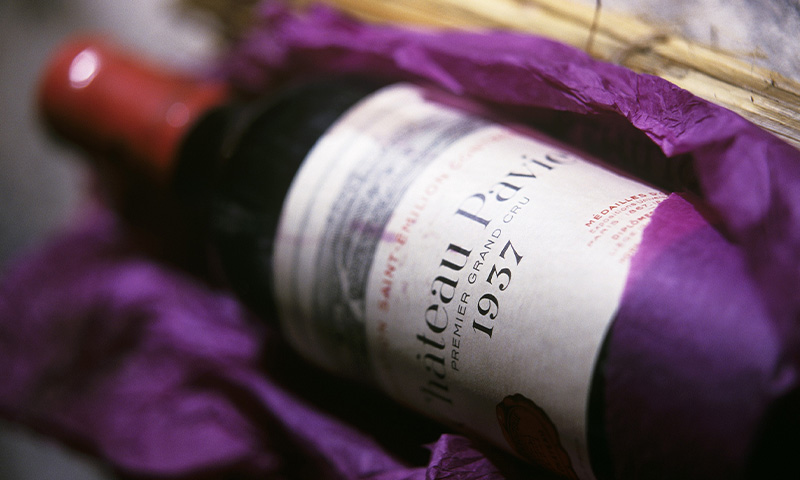

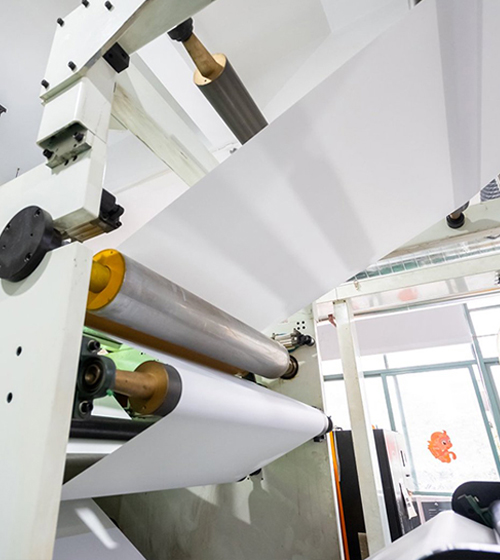 Eco-Friendly Labels, Zero Compromise on Quality
-
News
 Wine Labelstock Invites You to Labelexpo Asia 2025
From December 2 to 5, 2025, Labelexpo Asia 2025, one of the most significant events in the global label and packaging printing industry, will take place at the Shanghai New International Expo Center. ...
 English
 русский
 Español
High Tack Tire Label: Applications, Selection Criteria, and Practical Guidance
Content
- 1 What High Tack Means on a Tire Sidewall
- 2 Why Tire Labels Fail: Surface Energy, Curvature and Curatives
- 3 Material Options: PET, PP, Paper and Aluminum-Coated Stocks
- 4 Specification Checklist for Printers and Tire Manufacturers
- 5 Surface Energy Explains the Adhesion Gap
- 6 Sourcing and Quality Control
- 7 Practical Questions Before You Specify
A tire label that lifts at the shoulder after 48 hours at 70 C is not a printing defect; it is a tack problem. High tack tire labels are pressure-sensitive labels built to grip low-surface-energy rubber, resist sidewall flexing, and stay readable through wash, heat, and road exposure. The difference between a label that survives a showroom and one that peels at the first highway run sits in the adhesive, the face stock, and the qualification test.
A high tack tire label is a pressure-sensitive stock that pairs a flexible face film or paper with a high-initial-tack adhesive, then proves adhesion on tire sidewall rubber rather than on a standard test panel. The label must wet out fast, hold through curvature, and resist plasticizer migration from the rubber compound.
High tack tire label: a pressure-sensitive label material combining a flexible PET, PP, or paper face with a tire-specific adhesive, qualified by loop tack methods such as ASTM D6195 or FINAT FTM 9 and checked for edge lift on the actual sidewall compound.
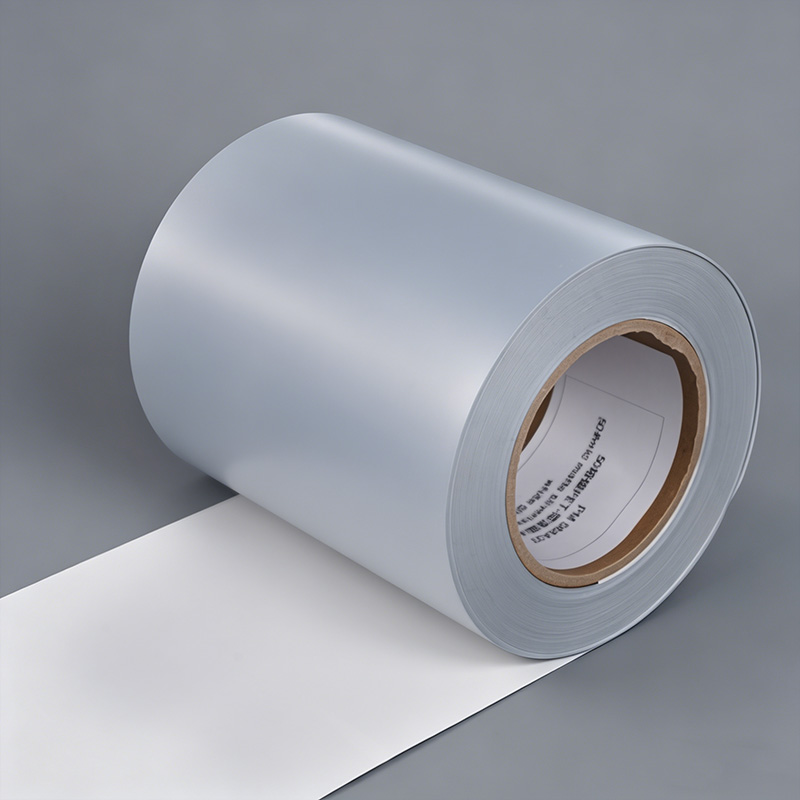
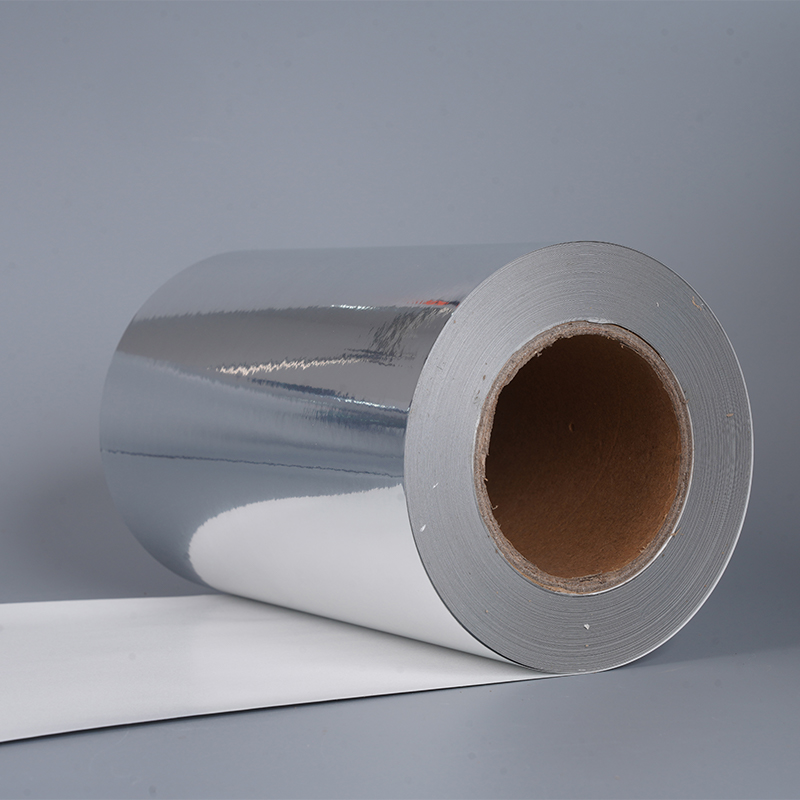
 Tire Adhesive Labelstock PT 500D1– 100g Silver PET Semigloss / Tire Adhesive – PT 500D1PT 500D1 is a self-adhesive tire labelstock composed of 100 g Silver PET Semigloss Paper facestock, tire-specific adhesive, and 60 gsm white silicon paper liner. Desig...View Product →
What High Tack Means on a Tire Sidewall
High tack is the immediate grip measured within seconds of contact, before the adhesive builds final peel strength. A 180-degree peel test run after 24 hours can show a strong final bond while the same label lifts at the edge during application. Tire sidewalls punish that gap: rubber compounds sit near 28-32 mN/m, contain mold-release agents, and curve in two directions. The adhesive must wet out fast.
Loop tack methods ASTM D6195 and FINAT FTM 9 quantify that first contact. On a 25 mm strip, 14 N/25 mm is a practical floor for tire sidewall trials; confirm the number on the actual rubber compound, because compound changes alter surface energy and contaminant bloom.
Loop tack is the entry requirement. Peel strength is the retention requirement. A tire label must pass both before it reaches a production line.
Three forces that test the adhesive
- Low surface energy: sidewall rubber near 28-32 mN/m offers fewer polar sites than PET film, so the adhesive must flow and contact quickly.
- Curvature: a 25 mm label strip on a curved sidewall creates peel stress at the edges from the first minute after application.
- Heat and load: 70 C for 48 hours is a practical aging check for edge lift, adhesive creep, and print distortion.
Why Tire Labels Fail: Surface Energy, Curvature and Curatives
Tire label failures begin with poor wet-out on rubber, not with the facestock. A standard permanent acrylic can pass a 24-hour peel test on stainless steel yet fail a 10-second application trial on a tire because initial tack is too low and the adhesive never fully contacts the rubber.
Standard permanent label
Built for paper, film, and rigid packaging. It may show strong 180-degree peel after 24 hours on a metal panel, but it can edge-lift on low-surface-energy rubber before final bond develops.
High tack tire label
Uses a high-initial-tack acrylic or hot melt adhesive, a conformable 75 micron PP or 100 gsm PET face, and a liner release matched to fast dispensing on curved sidewalls.
Curatives and mold-release agents migrate to the rubber surface during tire curing. That bloom lowers surface energy and creates a weak boundary layer. A label that passes a 24-hour peel test can still fail a 10-second application trial if the adhesive does not absorb or displace that layer. Always test on sidewall coupons cut from the production compound.
Material Options: PET, PP, Paper and Aluminum-Coated Stocks
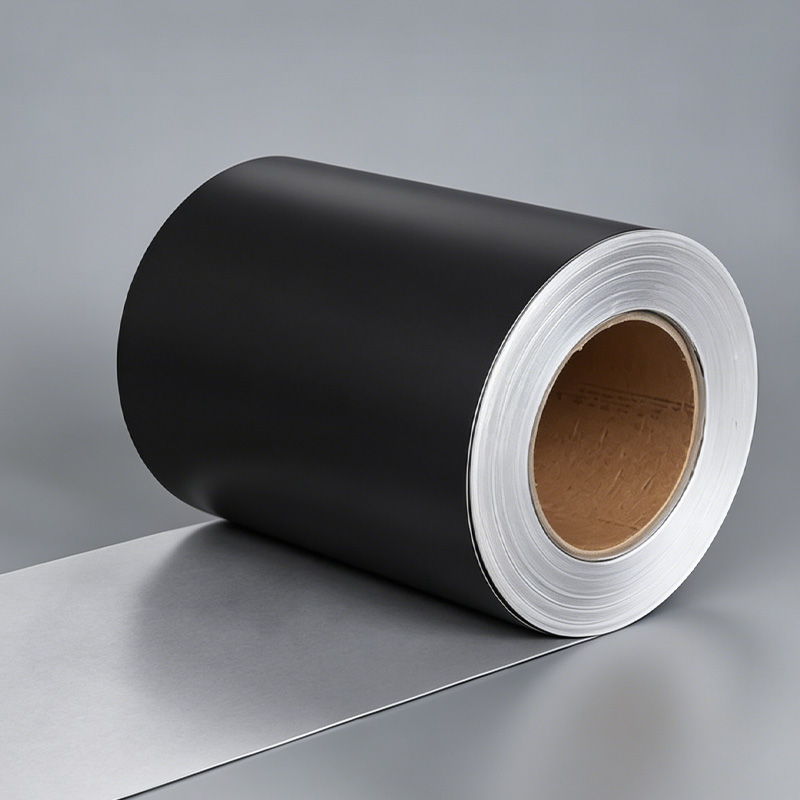
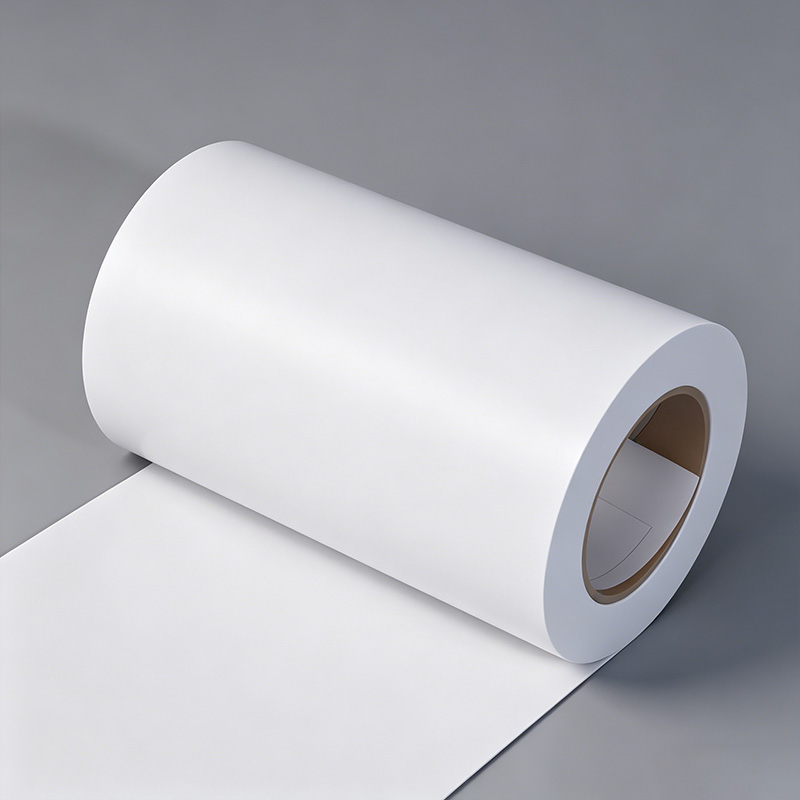
100 gsm silver PET, 75 micron matte white PP, and 80 gsm aluminum-coated paper cover three tire label briefs, but each fits a different sidewall and print path. PET gives dimensional stability and high contrast; PP conforms to curvature; aluminum-coated paper delivers a metallic look at a lower material weight.
| Stock | Construction | Adhesive | Best fit |
| Silver PET | 100 gsm semigloss silver PET | Tire-specific permanent | High-contrast branding and sidewall durability |
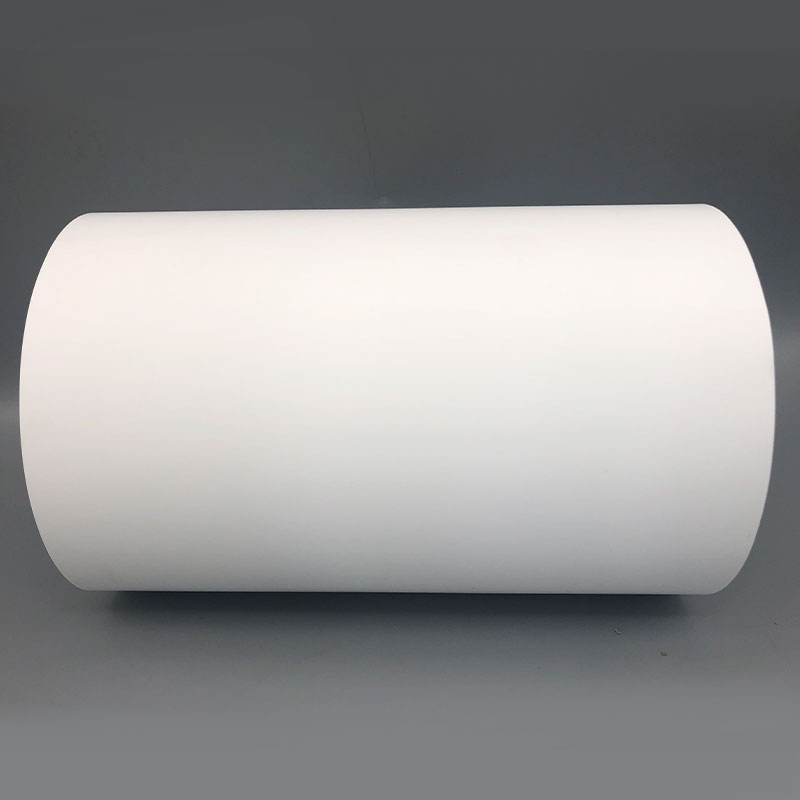
| Matte white PP | 75 micron matte white PP | Tire-specific permanent | White print contrast on flexible sidewalls |
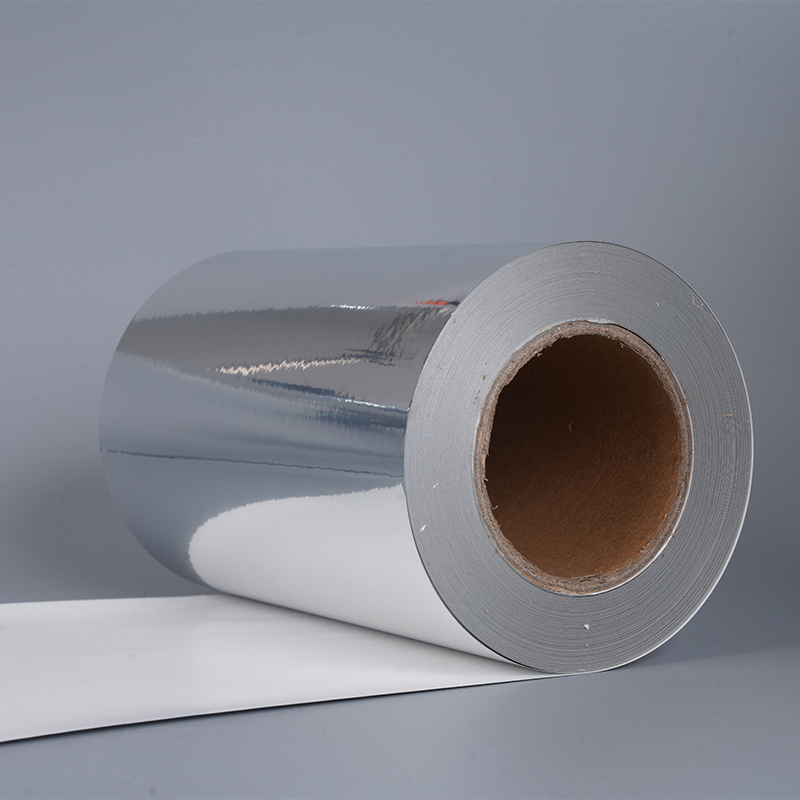
| Aluminum-coated paper | 80 gsm aluminum-coated paper | Tire-specific permanent | Cost-controlled promotional labels |
| Gloss white PET | 25 micron gloss white PET | Tire-specific permanent | Thin, conformable labels on smooth sidewalls |
Face stock choice follows the sidewall profile. A 75 micron PP face bends with a tight sidewall radius, while a 100 gsm PET face holds flat print detail and resists scuffing. Paper-based aluminum stock suits short-life promotions, but it has less elongation than film and needs a clean, low-curvature application area. For a wider specification method, see this guide to custom self-adhesive label materials.
 Tire Adhesive Labelstock JS1107– 75mic Matte white PP /Tire adhesive /80gsm white glassineJS1107 is a self-adhesive tire labelstock made of 75 mic Matte White PP facestock, tire adhesive, and 80 gsm white glassine liner. It is suitable for labeling finished...View Product →
Specification Checklist for Printers and Tire Manufacturers
Qualify a tire label against the actual rubber compound, not a generic acrylic test panel. The following five checks turn a material data sheet into a production-ready specification.
- Confirm surface energy and contamination. Measure a sidewall coupon. Tire rubber near 28-32 mN/m needs a high-tack adhesive, and visible bloom or release agent must be noted before testing.
- Set a loop tack floor. Run ASTM D6195 on 25 mm strips. Use 14 N/25 mm as a starting floor, then raise or lower it against the specific compound and application temperature.
- Match face stock to curvature. Choose 75 micron PP for tight sidewall curves and 100 gsm PET for flat, scuff-resistant print areas. Check edge lift after 24 hours at room temperature.
- Run environmental aging. A practical qualification cycle includes 70 C for 48 hours and 40 C at 90% relative humidity for 72 hours, followed by a peel and edge-lift review.
- Check converting and dispensing. Confirm die cut, matrix strip, liner release, and application dwell on the production line. A 24-hour dwell before flex testing gives the adhesive time to build final bond.
Surface Energy Explains the Adhesion Gap
Tire sidewall rubber sits near 28-32 mN/m, below PET film at roughly 41-44 mN/m, so the adhesive has fewer polar sites to bond to. The chart compares typical surface energy ranges that influence wet-out and initial tack.
Typical surface energy ranges in mN/m. Actual tire compounds vary by rubber recipe and bloom level; verify with a sidewall coupon.
Sourcing and Quality Control
A tire label supplier should provide loop tack data, adhesive coat weight tolerance, and sidewall-specific aging results, not only a product name. Ask for test conditions, liner release values, and a sample roll run on your applicator before approving a production order.
Shenzhen Johnson New Materials Co., Ltd. operates coating lines with a stated monthly capacity of 20 million square meters and 20 years in pressure-sensitive label materials. The company coats both hot melt and acrylic adhesives, which matters when a tire label needs a specific tack and dwell profile. More background is available on the about page.
Capacity is not a substitute for adhesion data. A 20 million square meter line still needs a loop tack curve and a sidewall coupon report for the exact compound you run.
 Tire Adhesive Labelstock QS5005 – Aluminum Coated Paper / Tire Adhesive / 80gsm White GlasThe Self-Adhesive Tire Labelstock QS5005 is engineered for labels that must adhere reliably to rough or textured surfaces, such as tires, woven bags, and certain logis...View Product →
Practical Questions Before You Specify
Validate the label on the exact tire compound, at the exact application temperature, before approving a production run. These four checks resolve the specification points that data sheets alone cannot answer.
What loop tack value should a tire label target?
Use 14 N/25 mm as a starting floor under ASTM D6195, then confirm the passing value on the production rubber compound. A compound with heavy mold-release bloom can require a higher initial tack than a clean sidewall coupon.
Can a standard permanent label be used on a tire?
No. Standard permanent acrylics are designed for paper, film, and rigid packaging, while tire rubber sits near 28-32 mN/m. A standard label can pass a 24-hour peel test and still edge-lift during a 10-second application trial.
Which stock suits a black tire sidewall?
75 micron matte white PP gives clean white print contrast and conforms to curvature; 100 gsm silver PET gives sharper metallic contrast and higher scuff resistance. Use 80 gsm aluminum-coated paper for short-life promotional labels on low-curvature areas.
How do you test high tack before production?
Cut sidewall coupons, run ASTM D6195 loop tack on 25 mm strips, then age samples at 70 C for 48 hours and 40 C at 90% relative humidity for 72 hours. Review edge lift, peel strength, and print distortion before releasing the specification.
Your email address will not be published. Required fields are marked *

Contact Details
TEL: +86-15626470581
E-mail: sales@szjohnson.com
Location
Address: Building 1, Room 201, Zhijianeng High-tech Park, No. 65 Hongyin Road, Lihu Community, Xinhu Street, Guangming District, Shenzhen 518107, Guangdong Province, China
Get In Touch
Copyright © Shenzhen Johnson New Materials Co., Ltd. All Rights Reserved.
Wholesale Self Adhesive Paper Manufacturers Adhesive Label Roll Factory