How do you choose the right pressure-sensitive material for harsh environments?
Labels used in demanding industrial conditions are expected to remain readable, firmly bonded, and visually stable throughout the entire service life of a product. Extreme temperatures, moisture, chemicals, ultraviolet exposure, abrasion, and continuous handling can all reduce label performance if the wrong material is selected. Choosing the appropriate pressure sensitive label materials requires a comprehensive evaluation of the facestock, adhesive system, release liner, printing compatibility, and application environment. Rather than focusing on a single specification, manufacturers should consider the complete labeling solution to ensure long-term reliability and production efficiency.
Modern industries including food packaging, pharmaceuticals, logistics, electronics, automotive components, and household appliances all have different performance requirements. A label designed for refrigerated packaging may not perform well on outdoor equipment, while a logistics label may require high initial tack instead of long-term weather resistance. Understanding material characteristics allows users to reduce replacement costs, improve traceability, and maintain product appearance throughout transportation and storage.
Understanding facestock materials for different environments
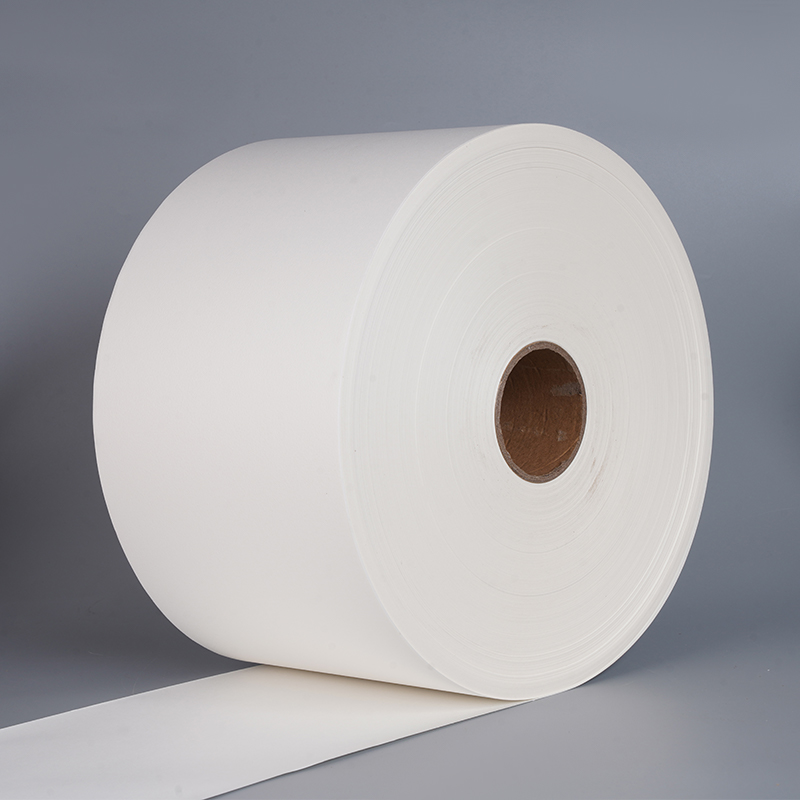
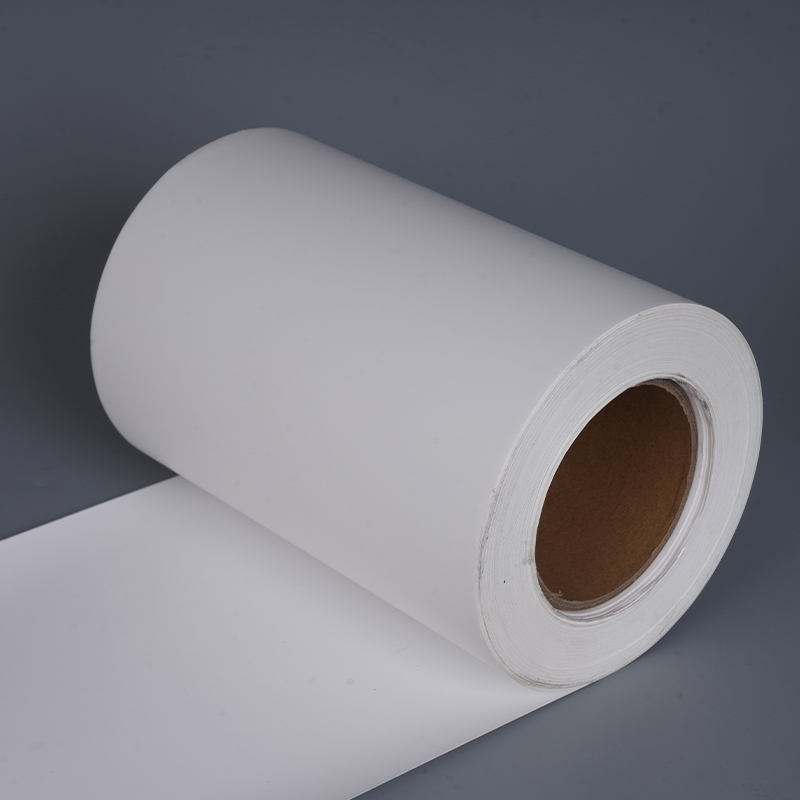
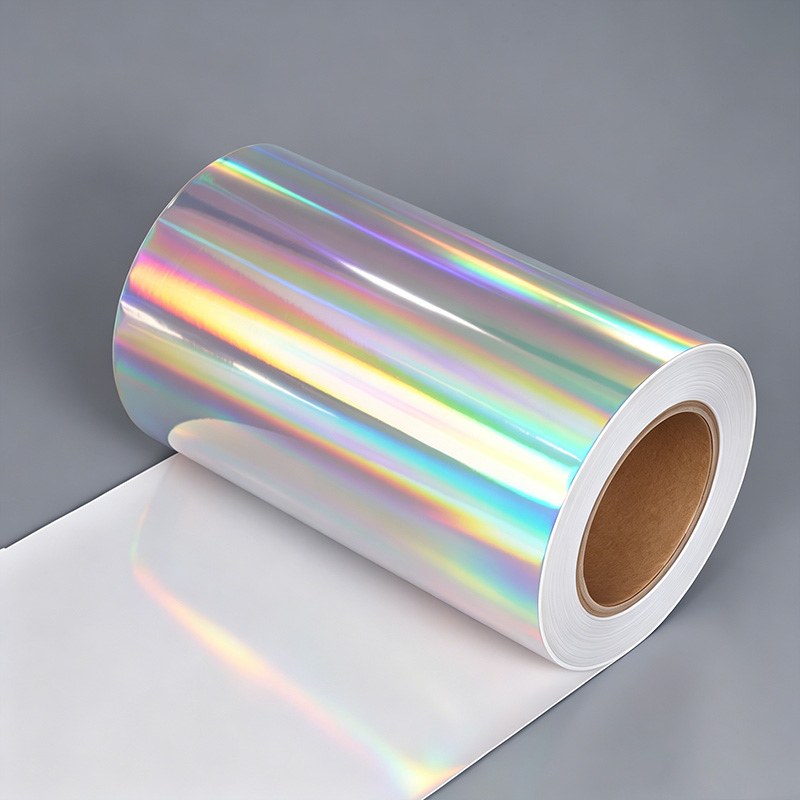
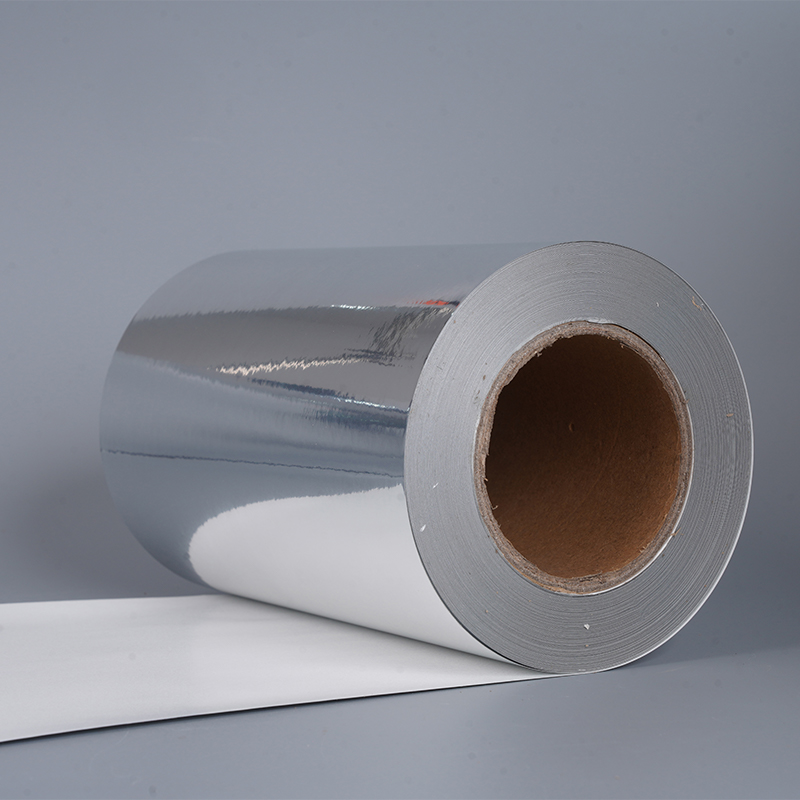
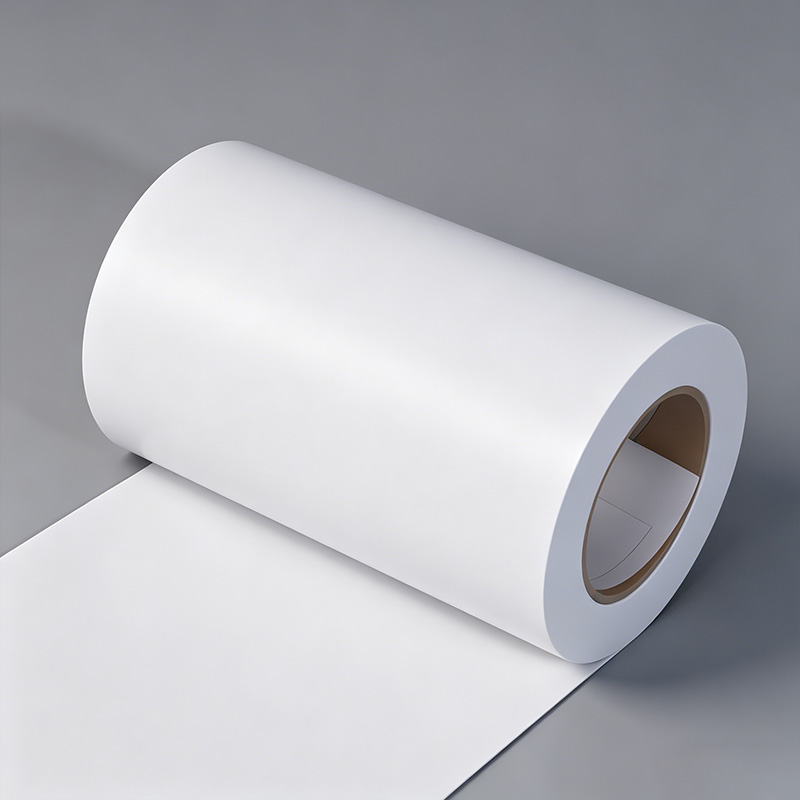
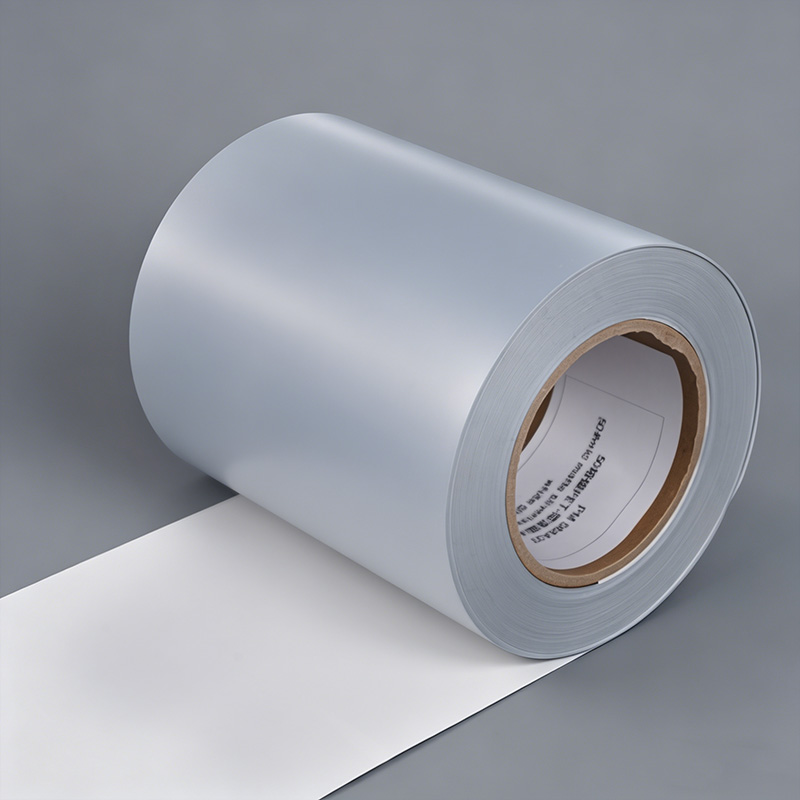
The first step in material selection is evaluating the surface layer of the label. The label facestock determines print quality, durability, flexibility, and resistance to environmental stress. Paper facestock provides excellent printability and economical performance for indoor applications, while synthetic films such as PP and PET offer superior moisture resistance, dimensional stability, and outdoor durability. Selecting the correct facestock also improves barcode readability and minimizes image fading during long-term use.
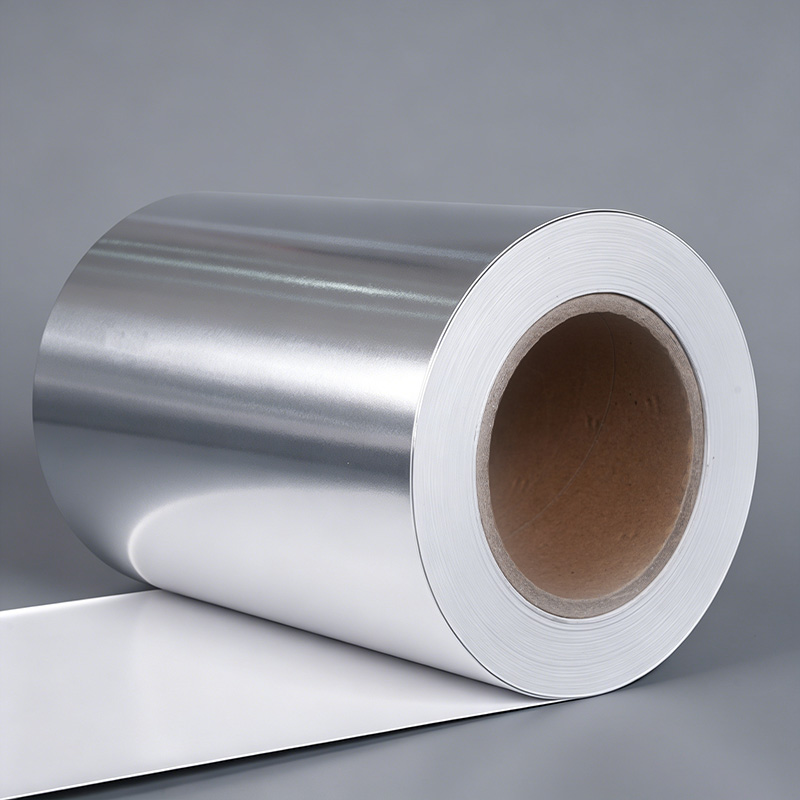
Different industries require different combinations of surface characteristics. Smooth glossy materials enhance product presentation, whereas matte surfaces improve readability and reduce glare. Textured materials may increase premium appearance for specialty packaging. Selecting the correct label stock ensures the printing process remains stable while maintaining excellent adhesion throughout the product lifecycle.
- Paper facestock for general consumer packaging.
- PP film for moisture-resistant applications.
- PET film for high-temperature and outdoor durability.
- Synthetic materials for chemical resistance and long service life.
- Special coated surfaces for digital, UV, flexographic, and offset printing.
Manufacturers should also consider the interaction between printing technology and surface treatment. Proper coatings improve ink anchorage, reduce drying time, and enhance color consistency, making the finished label more durable under demanding operating conditions.
Choosing adhesive systems for demanding applications
Although the facestock receives considerable attention, adhesive performance often determines whether a label succeeds or fails in harsh environments. Acrylic adhesives generally provide outstanding weather resistance, aging stability, UV resistance, and long-term bonding performance. Hot melt adhesives, on the other hand, offer excellent initial tack and rapid bonding, making them suitable for logistics and packaging operations where production speed is critical.
The selection of pressure sensitive label materials should always include an evaluation of the application surface. Metal, plastic, glass, painted surfaces, corrugated cartons, and low-surface-energy materials all present different adhesion challenges. Surface contamination, humidity, and application temperature can further influence adhesive performance. Careful testing under actual operating conditions remains the most reliable approach before mass production.
| Material Category |
Main Features |
Typical Applications |
Primary Advantage |
| Paper labels |
Excellent printability and economical cost |
Food, retail, logistics |
Cost efficiency |
| PP film labels |
Moisture resistance and flexibility |
Beverage, cosmetics, household products |
Water resistance |
| PET film labels |
Heat resistance and dimensional stability |
Electronics, industrial equipment |
Durability |
Selecting materials based on industry applications
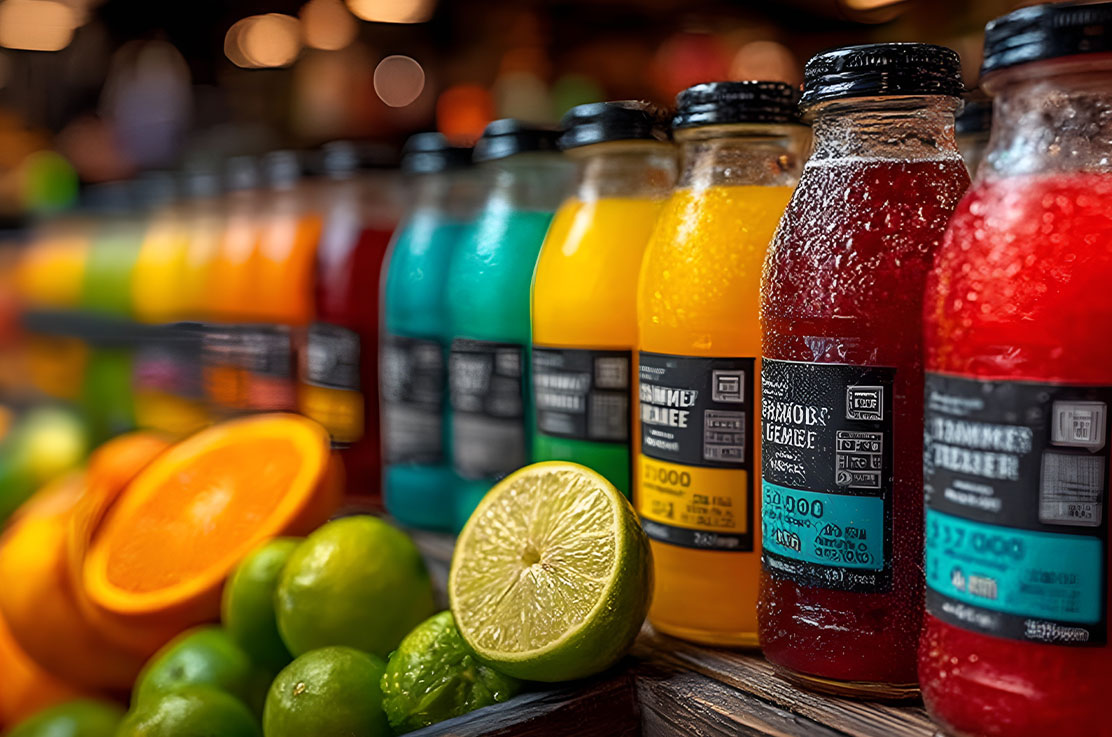
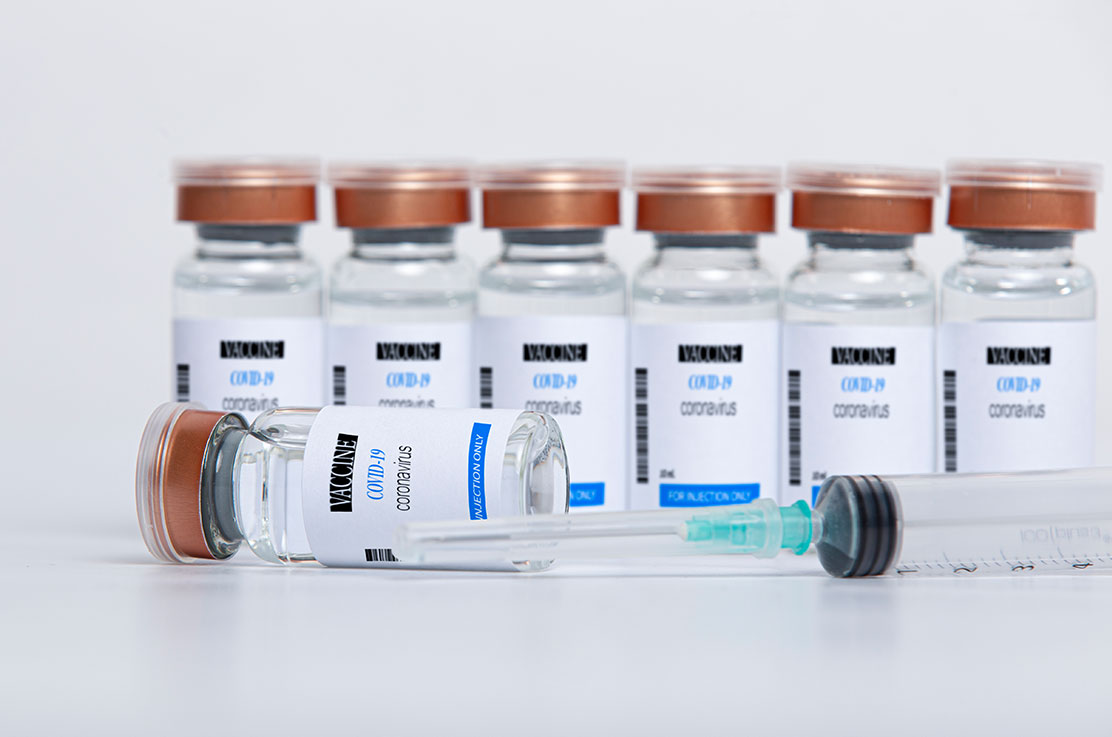
Different industries place unique demands on labeling systems. Food packaging requires safe materials with excellent refrigeration performance and resistance to condensation. Pharmaceutical labels must remain legible throughout storage and transportation while supporting accurate product identification. Electronics manufacturers require labels capable of resisting elevated temperatures, cleaning chemicals, and mechanical abrasion during assembly processes. Logistics companies emphasize rapid application, excellent barcode scanning, and reliable carton adhesion under changing warehouse conditions.
Choosing appropriate label stock also improves production efficiency by reducing printing interruptions and minimizing label waste. High-quality release liners enable smooth dispensing on automatic labeling equipment while maintaining dimensional consistency during high-speed operation.
- Evaluate the operating environment.
- Select the appropriate facestock material.
- Choose an adhesive compatible with the application surface.
- Confirm printing compatibility.
- Perform environmental testing before full production.
A complete material evaluation helps balance durability, appearance, productivity, and cost while ensuring labels maintain reliable performance throughout storage, transportation, and end use.
Manufacturing capability and customized material solutions
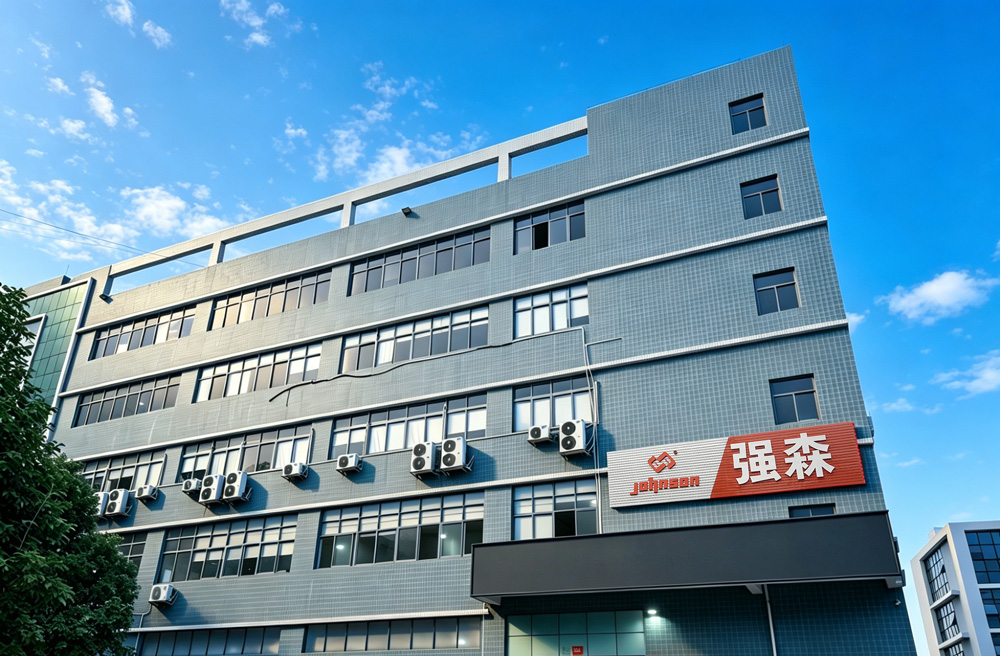
Shenzhen Johnson New Materials Co., Ltd. has accumulated more than twenty years of experience in developing self-adhesive labeling solutions for diverse industrial applications. The company manufactures materials compatible with flexographic, offset, screen, silk-screen, UV rotary, digital, and inkjet printing, allowing customers to select solutions that match their production equipment and printing requirements.
To ensure consistent quality and stable supply, Shenzhen Johnson New Materials Co., Ltd. operates advanced high-speed adhesive coating lines with a monthly production capacity of approximately 20 million square meters. Two acrylic adhesive coating lines focus on producing materials with excellent weather resistance, durability, and optical clarity for demanding outdoor labels and appliance identification, while the hot melt adhesive coating line provides products featuring strong initial tack for logistics and packaging industries.
Beyond standard products, the technical team works closely with customers to understand application conditions, substrate characteristics, printing methods, and environmental challenges. This collaborative approach enables Shenzhen Johnson New Materials Co., Ltd. to recommend optimized combinations of facestock, adhesive, and release liner that improve production efficiency and long-term labeling reliability.
Frequently Asked Questions
Q1: What is the difference between paper and film facestock?
Paper materials provide excellent printability and lower cost, while film materials offer superior resistance to moisture, chemicals, and outdoor weather. The appropriate choice depends on the intended operating environment.
Q2: Why is adhesive selection as important as the facestock?
Even the highest-quality facestock cannot compensate for an unsuitable adhesive. Adhesive performance determines bonding strength, durability, and resistance to environmental factors throughout the label's service life.
Q3: How can the right pressure-sensitive material improve production efficiency?
Proper material selection reduces printing defects, minimizes downtime, supports high-speed labeling equipment, and improves long-term label reliability, resulting in lower operating costs.
Q4: Can customized label materials be developed for special applications?
Yes. By evaluating printing methods, substrate types, environmental conditions, and durability requirements, manufacturers can develop customized material combinations that provide balanced performance for specific industrial applications.





 English
 русский
 Español